
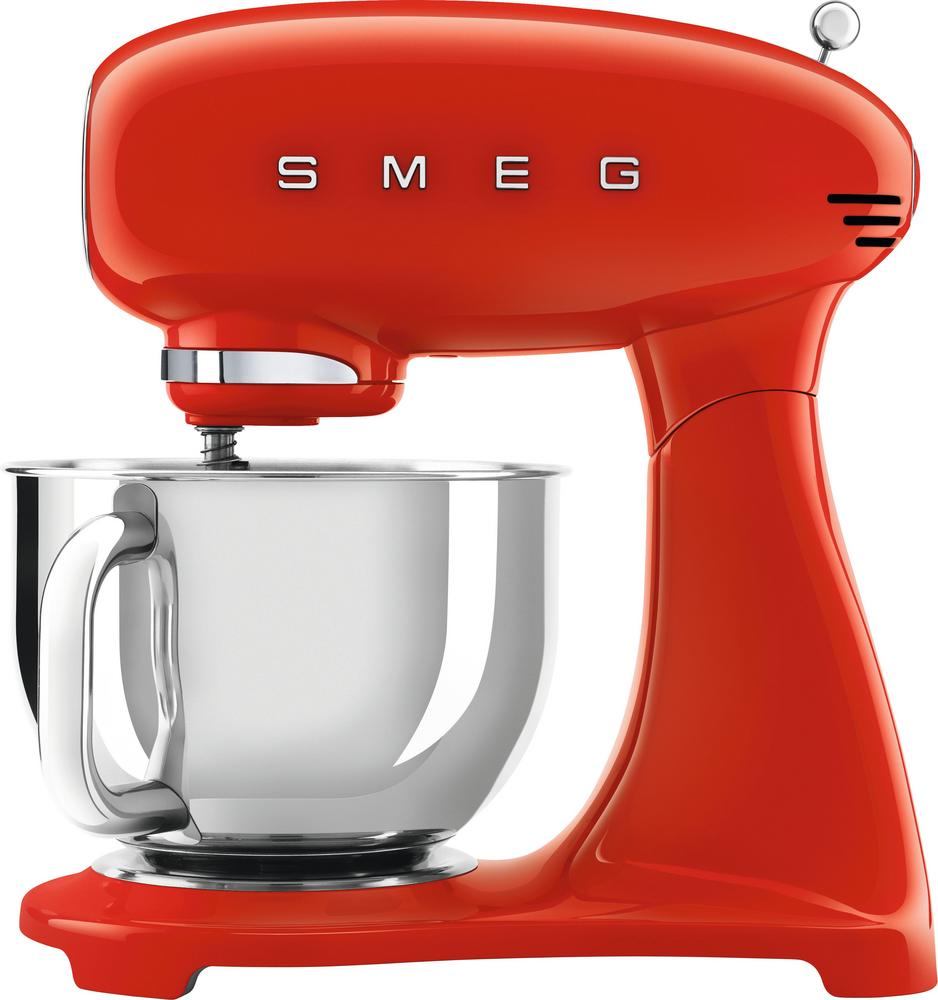
If you bake regularly, a stand mixer quickly goes from “nice-to-have” to “how did I ever live without this?”. The Smeg 50’s Retro SMF03BLUK Stand Mixer with 4.8 litre bowl combines classic 1950s styling with everyday practicality, making it a popular choice for UK kitchens that care as much about looks as performance. In this guide, we’ll walk through what to think about when choosing a stand mixer, how the Smeg SMF03 range fits in, and which alternatives are worth a look if you’re still deciding.
Why a stand mixer is a game-changer for home bakers
Before getting into specific models, it’s worth being clear on what a stand mixer actually changes in your kitchen routine. Unlike a hand mixer, a stand mixer does the hard work for you while you gather ingredients, prep tins or tidy up.
With a 4.8 litre bowl, the Smeg 50’s Retro SMF03BLUK has the capacity to tackle family-sized bakes: think birthday cakes, brownies for a crowd or a couple of loaves of bread. The motor and fixed base take the strain out of heavy doughs, while attachments like a whisk and beater handle everything from meringue to cookie dough.
If you want a deeper dive into the specifics of this model, including how it handles real recipes, you can read our full review of the Smeg 50’s Retro SMF03BLUK Stand Mixer.
Choosing the right capacity: why 4.8 litres suits most kitchens
Capacity is one of the first things to think about when buying a stand mixer. Go too small and you’ll end up doing multiple batches; go too large and you’ll lose worktop space for no benefit.
The 4.8 litre bowl on the Smeg SMF03BLUK sits in the sweet spot for most households. It’s big enough for:
- Standard sandwich cakes and sponges
- Large batches of cupcakes or muffins
- Family-sized cookie dough portions
- Everyday bread and pizza doughs
If you know you’ll regularly bake enormous celebration cakes or multiple loaves at a time, you might want a larger capacity. But for most home bakers, a ~5 litre bowl is an ideal balance between flexibility and footprint.
Retro design that actually earns its space
Many people choose Smeg for the design as much as the function, and the SMF03BLUK is a good example of that. The 50s-inspired curves and the black finish are designed to be left out on display rather than hidden in a cupboard.
That matters more than it sounds. A stand mixer you’re happy to keep on the worktop will get used more often. The Smeg 50’s Retro SMF03 range also comes in several colours, so you can match or contrast with your kitchen:
- Smeg 50’s Retro SMF03WHUK Stand Mixer in white for a clean, minimalist look
- Smeg 50’s Retro SMF03CRUK Stand Mixer in cream if you prefer something softer and more traditional
- Smeg 50’s Retro SMF03PGUK Stand Mixer in pastel green for a playful, vintage-inspired accent
Functionally, these SMF03 models sit in a very similar bracket. So if you like the Smeg design and the 4.8 litre capacity, colour becomes the main decision point inside this range.
How the Smeg SMF03 compares to other stand mixers
It’s helpful to look beyond a single brand when you’re investing in a stand mixer. While Smeg leans heavily on style, there are other strong contenders that focus on slightly different priorities.
A well-known alternative in this space is the Kenwood kMix KMX760GR Stand Mixer with 5 litre bowl. It offers a similar capacity on paper, with a slightly larger 5 litre bowl, and a design that’s more industrial and sturdy-looking than retro.
If you’re torn between the Smeg 50’s Retro SMF03BLUK and something like the Kenwood kMix, ask yourself:
- Do you value iconic retro styling, or a more understated, functional look?
- Is a built-to-be-seen appliance important, or will it live in a cupboard?
- Do you care more about matching existing Smeg appliances, or mixing brands?
For detailed performance comparisons, it’s worth reading model-specific reviews such as our in-depth look at the Smeg 50’s Retro SMF03BLUK Stand Mixer and the full review of the Kenwood kMix KMX760GR stand mixer.
Key features to look for in a stand mixer
Regardless of brand, there are a few core features that make a real difference in everyday use. The Smeg SMF03 range covers these bases well, but you should know what to check when comparing models.
Attachments and versatility
Most stand mixers, including the Smeg 50’s Retro SMF03BLUK, come with a version of the three essentials:
- A beater for cakes, biscuits and general mixing
- A whisk for cream, egg whites and airy batters
- A dough hook for bread and pizza dough
These are the tools you’ll use most often. Some mixers support extra bolt-on attachments like pasta rollers or mincers, which can be handy if you want to consolidate appliances. Check which attachments are included in the box and what’s available as an optional extra.
Speed settings and control
You don’t need dozens of speeds, but you do want smooth control. Being able to start gently helps prevent flour clouds and splashes, and different recipes call for different intensities of mixing.
When comparing mixers, think about how you bake. If you mostly make simple sponge cakes and the odd loaf, a straightforward range of speeds is fine. If you enjoy more advanced baking, you may appreciate finer control to tweak texture and aeration.
Stability and build quality
A heavy, solid base is a positive for a stand mixer. It helps the appliance stay put when it’s working a stiff dough or a large batch of batter. Metal construction tends to feel more reassuring on the worktop than lightweight plastic.
The Smeg 50’s Retro SMF03 models, including the black, white, cream and pastel green versions, are designed to sit firmly in place. When looking at alternatives such as the Kenwood kMix KMX760GR, pay attention to the overall weight and material as a good indication of how stable they’ll feel in use.
Making the most of a 4.8 litre stand mixer
Once you’ve invested in a stand mixer like the Smeg 50’s Retro SMF03BLUK, it’s worth building habits that help you get the most from it.
Batch baking to save time
The 4.8 litre bowl is perfect for batch baking. Mix a double batch of cookie dough, then bake half and freeze portions of the rest to bake fresh later. You can also prepare two cake layers in one go rather than mixing them separately, which helps keep your results consistent.
Bread and pizza nights
Instead of buying dough, use the dough hook to knead it for you. A stand mixer can turn bread making from a workout into a simple weeknight task. Mix, leave to prove, then shape into loaves or pizzas for an easy homemade dinner.
Making use of the different attachments
Don’t forget the whisk for non-baking tasks. It’s brilliant for whipping cream for desserts, whisking up sauces, or even preparing a quick batch of flavoured butter. The beater, meanwhile, is ideal for mashed potatoes and simple batters, not just cakes.
Space, style and colour: picking the right Smeg SMF03 for your kitchen
If you’ve decided that the Smeg SMF03 format is right for you, the next question is which colour suits your space. Happily, the main functional features are consistent across the range, so you can focus on style and price.
The Smeg 50’s Retro SMF03BLUK in black works well in modern, monochrome or industrial-style kitchens. For something brighter and more vintage, the pastel green Smeg 50’s Retro SMF03PGUK Stand Mixer adds a cheerful pop of colour. The white and cream SMF03 models sit happily in more neutral, light-filled rooms where you might not want the mixer to dominate visually.
If you’re matching other appliances, staying within the Smeg family can create a very cohesive look. But if you’re more concerned about functionality and perhaps a slightly different aesthetic, the Kenwood kMix KMX760GR is a strong alternative with a focus on sturdy, no-nonsense design.
Practical cleaning and care tips for longer life
Stand mixers are fairly low-maintenance, but looking after them properly will keep them looking smart and running smoothly for years.
- Always unplug before cleaning the body or changing attachments.
- Wash the bowl and attachments in warm, soapy water soon after use so batter doesn’t dry on.
- Wipe the main housing with a soft, damp cloth rather than abrasive pads that might mark the finish.
- Periodically check around the hinge and attachment hub for flour or sugar build-up and wipe it away.
The Smeg 50’s Retro SMF03 models, including the SMF03BLUK, are designed to be wiped clean easily, which is particularly important for darker colours where smears can be more visible.
When a different style of stand mixer might suit you better
As much as the Smeg 50’s Retro SMF03BLUK is a great fit for many homes, it isn’t the only option. You might lean towards an alternative if:
- You prefer a more understated look that blends into the background
- You already own appliances from another brand and want to stay consistent
- You’re more focused on a slightly larger bowl capacity
The Kenwood kMix KMX760GR, for example, offers a 5 litre bowl and a very solid, workhorse-style feel. It’s a good reminder that you can get excellent performance in different design packages, so it’s worth thinking about what will make you happiest every time you step into your kitchen.
Putting it all together
Choosing a stand mixer is about more than just power and capacity; it’s also about how the appliance will fit into your everyday life and your kitchen. The Smeg 50’s Retro SMF03BLUK Stand Mixer with its 4.8 litre bowl offers a compelling mix of performance, iconic design and practical size for most households.
If you’re leaning toward Smeg, consider whether black, white, cream or pastel green best suits your space and personality, and have a look at options like the SMF03WHUK in white, the SMF03CRUK in cream and the SMF03PGUK in pastel green. If you want to explore a sturdier, more utilitarian look with a similar capacity, add the Kenwood kMix KMX760GR to your shortlist.
For a closer look at how the Smeg 50’s Retro SMF03BLUK performs in real-world baking, mixing and kneading, you can read our full review of the Smeg 50’s Retro SMF03BLUK Stand Mixer with 4.8 litre bowl. With the right information and a clear idea of how you cook, it’s easy to choose a mixer that you’ll enjoy using for years to come.