
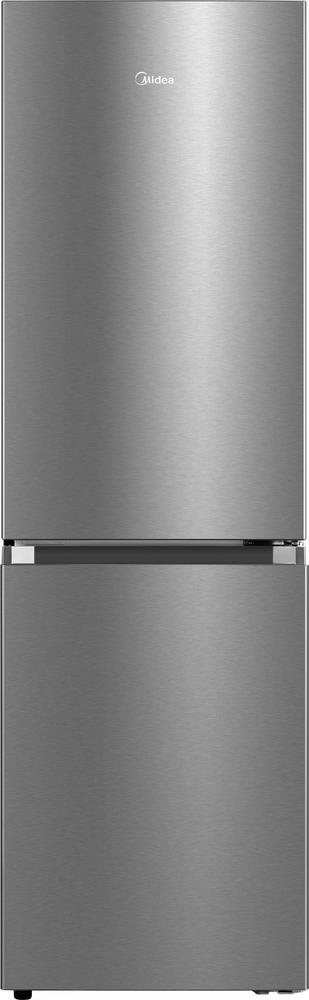
Choosing a new fridge freezer can feel like a bigger decision than it first appears. It has to fit your kitchen, suit the way you shop and cook, and quietly get on with its job for years without fuss. The Midea MDRB379FGD01 180cm 60/40 No Frost Fridge Freezer in white is a good example of a modern, affordable option that aims to tick all those boxes, and it sits alongside a handful of very similar alternatives that might suit slightly different spaces or budgets.
Why 60/40 frost free fridge freezers are so popular
For most UK homes, a 60/40 fridge freezer layout is a practical sweet spot. You get a larger fridge compartment for fresh food and everyday bits, with a slightly smaller freezer underneath for frozen meals, batch cooking and ice cream. If you’re not trying to live out of the freezer, this balance works well.
Pair that with a frost free system and you remove one of the most annoying household chores: defrosting. Instead of chipping away at ice every few months, a no frost fridge freezer uses circulating air to stop ice building up on the walls and drawers. Cooling performance stays more consistent, and you keep all the usable space you paid for.
Meet the Midea MDRB379FGD01: tall, tidy and frost free
The Midea MDRB379FGD01 is a freestanding, 180 cm tall 60/40 no frost fridge freezer with a simple white finish and a very strong track record with owners, averaging 4.9 out of 5 from over 100 ratings at the time of writing. It’s designed for people who want a straightforward, family-friendly appliance that just works without demanding a lot of attention.
If you want to dig into the finer details, you can read our full review of the Midea MDRB379FGD01 180cm 60/40 No Frost Fridge Freezer, but here we’ll focus on how a fridge freezer like this fits into everyday life, and where the close alternatives might make more sense.
Finding the right size for your kitchen
Height is a key decision when choosing a fridge freezer. At 180 cm, the MDRB379FGD01 sits in a popular middle ground: tall enough to offer useful fridge space, but not so tall that it dominates a smaller kitchen. This makes it a good fit for couples and small families, or anyone upgrading from a shorter, more compact model.
If you like the idea of a similar appliance but want to nudge the capacity up a little, the closely related Midea MDRB424FGD02O 188cm 60/40 No Frost Fridge Freezer in silver and Midea MDRB424FGD01O 188cm 60/40 No Frost Fridge Freezer in white stretch the height to around 188 cm. That extra few centimetres can translate into another shelf or slightly deeper compartments, which is handy if you do a big weekly shop or have hungry teenagers to feed.
On the other hand, if you’re working with tight vertical space – perhaps under low cupboards or in a flat with restricted ceiling height – you may want to look at a smaller option. The Beko CFG4552S 153cm 50/50 Frost Free Fridge Freezer offers frost free convenience in a noticeably shorter cabinet. It sacrifices some capacity, but can be far easier to slot into a compact kitchen.
60/40 vs 50/50: which split works best?
The MDRB379FGD01 uses a 60/40 split, so the fridge takes up roughly 60% of the total space and the freezer the other 40%. This layout suits households that rely on fresh food: veg, dairy, cooked meats, leftovers and drinks. Having the fridge at eye level also makes it easier to see what you’ve got, which can help cut down on food waste.
By contrast, a 50/50 model like the Beko CFG4552S gives equal space to freezing and chilling. That can be ideal if you buy in bulk when things are on offer, or if you batch cook and freeze meals in advance. You’ll typically get more freezer drawers, which makes organising frozen food a bit simpler.
Before you decide, think honestly about how you shop:
- If your trolley is mostly fresh food, with a few frozen essentials – a 60/40 like the MDRB379FGD01 probably makes more sense.
- If you stock up the freezer with meat, bread and ready meals every few weeks – a 50/50 layout might be more comfortable.
Energy rating and running costs
The Midea MDRB379FGD01 carries a D energy rating on the newer A to G scale, which is fairly respectable in its price bracket. While it’s not at the absolute cutting edge of efficiency, for many households the difference in annual running costs between a D and an E rated model is relatively modest compared with the upfront purchase price.
The alternative models listed here mostly sit in a similar efficiency band. Both the Midea MDRB424FGD02O and Midea MDRB424FGD01O share the same D rating, while the Beko CFG4552S and Indesit IKNH 1261 W4UK 182cm 60/40 Frost Free Fridge Freezer sit at E, which is still perfectly acceptable for an affordable family appliance.
Whichever you choose, you can keep running costs down by:
- Leaving a small gap around the sides and back so air can circulate.
- Avoiding cramming the fridge to the point where air can’t move between shelves.
- Allowing hot food to cool before putting it inside.
- Keeping the door closed as much as possible, especially on very hot days.
White vs silver: getting the look right
Finish may not affect how cold your milk is, but it does change how the appliance feels in your kitchen. The MDRB379FGD01 comes in a classic white that blends easily with most cabinets and older appliances. It’s a safe choice if you’ve already got a mix of finishes or you prefer a clean, bright look.
If you’re leaning towards a more modern, stainless-steel-style aesthetic, the Midea MDRB424FGD02O in silver offers a very similar overall package in a different colour. Silver finishes tend to hide minor marks and fingerprints a bit better than some high-gloss whites, which can be a small but welcome bonus in a busy family kitchen.
Living with a no frost fridge freezer day to day
Beyond specs and finishes, what makes a no frost fridge freezer like the MDRB379FGD01 easy to live with is how it handles day-to-day use. The tall cabinet height makes it easier to slot taller bottles and jugs into the door racks, and the 60/40 layout gives you enough shelves to keep raw and cooked foods separated.
Because the freezer doesn’t ice up, drawers generally slide more easily and you don’t lose space to thick frost on the walls. That’s a real advantage if you’re storing large bags of frozen veg or joints of meat. Just bear in mind that frost free systems work best when there’s a bit of airflow around items, so avoid stuffing drawers to the absolute brim.
For a deeper look at how the design works in everyday use, including noise levels and storage layout, you can read our full review of the Midea MDRB379FGD01.
How the alternatives compare in real-world use
Midea MDRB424FGD01O & MDRB424FGD02O: same feel, a little more space
The two 188 cm Midea models, the MDRB424FGD01O in white and the MDRB424FGD02O in silver, are natural step-ups if you like what the MDRB379FGD01 offers but want a little more capacity. They keep the same 60/40, no frost formula with a similar look and feel, so the choice between them often comes down to finish and how tall you’re comfortable going.
Their prices sit in the same broad bracket too, so if your ceiling height allows it, it’s worth measuring carefully and deciding whether the extra height would be genuinely useful. For keen home cooks or growing families, that extra room can make planning a week’s meals much simpler.
Beko CFG4552S: compact 50/50 option
The Beko CFG4552S 153cm 50/50 Frost Free Fridge Freezer stands out among the alternatives because it’s significantly shorter and uses a 50/50 split. Despite its smaller stature, it still manages a frost free freezer, which is impressive at this end of the market and very appealing in tighter spaces.
Where the Midea models are better suited to those who prioritise fridge space, the Beko suits homes that really need as much freezer capacity as possible but don’t have the height for a tall cabinet. It’s well worth considering if you’re fitting out a flat or smaller kitchen where wall cupboards sit low above the appliance space.
Indesit IKNH 1261 W4UK: another 60/40 alternative
If you want to compare like with like, the Indesit IKNH 1261 W4UK 182cm 60/40 Frost Free Fridge Freezer offers a very similar concept to the MDRB379FGD01: a mid-tall, frost free, 60/40 appliance in a neutral white finish, priced competitively. With an E rating, it’s slightly behind the Midea on efficiency, but still modern enough for most households.
It’s a sensible alternative if you’re comparing several brands and want to focus on layout, price and user feedback rather than a particular name on the door. Looking at a couple of 60/40 frost free models side by side is a good way to get a feel for how different brands approach interior layout and build.
Practical buying tips before you commit
Once you’ve narrowed things down to a handful of candidates – perhaps the Midea MDRB379FGD01, one of the taller Midea models, and a 50/50 option such as the Beko CFG4552S – it’s worth running through a few final checks before you buy:
- Measure carefully – Check width, depth and height, and remember to factor in skirting boards, door frames and any overhanging worktops or cupboards.
- Check door opening – Make sure the doors will open fully without hitting walls or islands, and that you can pull freezer drawers out comfortably.
- Think about delivery access – Measure tight hallways, stairwells and doorways, especially in flats or older properties.
- Plan plug and water access – For standard fridge freezers like these you only need a socket, but it still needs to be close enough and safely positioned.
Looking after a frost free fridge freezer
Although frost free freezers don’t need defrosting, they still benefit from a bit of routine care. Wiping down seals and the inside of the door regularly helps them stay flexible and airtight, which keeps cold air in and warm air out. Spills in the fridge should be cleaned quickly to avoid smells and sticky shelves.
Every couple of months, take a few minutes to:
- Remove shelves and drawers and wash them in warm, soapy water.
- Wipe interior walls with a mild cleaning solution, then dry thoroughly.
- Vacuum dust from the grille or coils at the back if you can easily reach them, as this can help maintain efficiency.
These simple steps will help any fridge freezer – whether it’s the MDRB379FGD01 or one of its competitors – run smoothly for longer.
Putting it all together
A 60/40 frost free fridge freezer like the Midea MDRB379FGD01 offers a very practical blend of usable fridge space, a decent no-fuss freezer and a clean, unobtrusive design at an accessible price. The close Midea siblings in 188 cm guise, plus alternatives from Beko and Indesit, give you plenty of choice if you need to tweak the size, split or finish to suit your home.
Once you’ve thought about height, layout, energy rating and style, it’s worth diving into more detailed feedback, photos and specs. For that, head over to our in-depth review of the Midea MDRB379FGD01 fridge freezer and the linked alternatives, and you’ll be in a strong position to pick the right appliance for your kitchen and the way you live.