
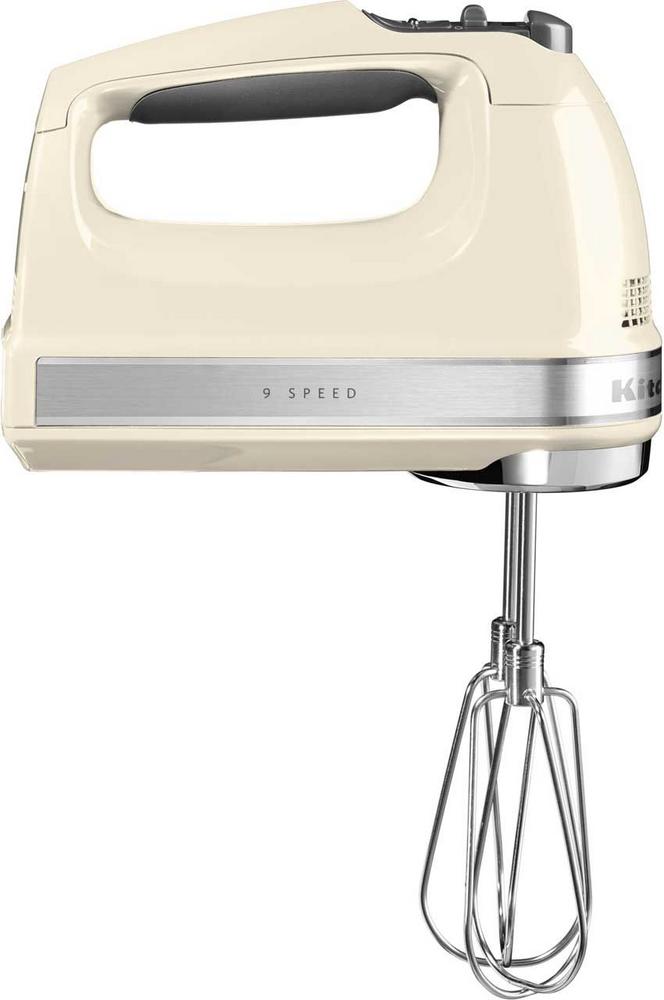
If you love to bake but do not have space for a big stand mixer, a good hand mixer can be the perfect middle ground. The KitchenAid 5KHM9212BOB Hand Mixer in Onyx Black is a popular choice for home bakers who want more power and control without taking over the worktop. In this guide we will look at what to consider when buying a hand mixer, how this model fits into a modern kitchen, and a few stylish alternatives worth a look.
Why a quality hand mixer is worth considering
Hand mixers sit in a sweet spot between a basic whisk and a full-blown stand mixer. They are compact, easy to store and quick to grab for midweek baking or weekend batches of cupcakes. Yet, unlike cheaper models, a premium hand mixer feels more stable in the hand, copes better with thicker mixtures and offers finer control over speeds.
The KitchenAid 5KHM9212BOB is aimed at exactly this kind of home baker. If you are regularly whipping cream, folding sponge batters and making cookie dough, you will likely notice the difference between a supermarket special and a well-engineered mixer. For more detail on performance, comfort and accessories, you can read our full review of the KitchenAid 5KHM9212BOB Hand Mixer once you have a feel for what you need.
Getting to know the KitchenAid 5KHM9212BOB Hand Mixer
Although this is not a full review, it is helpful to understand the role the 5KHM9212BOB can play in your kitchen. This corded hand mixer comes with three accessories, covering everyday tasks like beating cake mixes, whisking eggs and tackling slightly thicker doughs. The Onyx Black finish gives it a sleek, modern look that works in most kitchens, particularly if you already own other dark or stainless-steel appliances.
As a premium model, it focuses on user comfort and control. Multiple speed settings make it easier to start gently in a bowl of dry ingredients and then ramp up without spraying flour everywhere. The slim body and thoughtful weight balance mean you are less likely to feel arm ache partway through whipping cream or meringue.
If you want a deep dive into how it feels in day-to-day use, including noise levels and how it handles thicker batters, take a look at our hands-on impressions in the KitchenAid 5KHM9212BOB review.
How to choose the right hand mixer for your baking style
Before you commit to any hand mixer, it is worth thinking about how you actually bake. A few key points can help narrow your choice much more quickly.
How often you bake
If you bake once a month, you may not need the same level of refinement as someone who bakes every weekend. Occasional bakers might focus on comfort, simple controls and a reasonable price. Frequent bakers will benefit from smoother power delivery, a sturdier feel and attachments that cover more tasks.
The 5KHM9212BOB is well suited to people who bake regularly enough to appreciate a better build and more precise control, without going all the way to a stand mixer.
What you bake most often
Your go-to recipes also shape what you need:
- Cakes and cupcakes: Look for reliable beaters and enough speed range to cream butter and sugar smoothly.
- Whipped cream and meringue: A separate balloon whisk attachment is invaluable for adding air quickly.
- Cookies and brownies: You will want a mixer that can cope with stiffer batters without protesting.
- Occasional bread dough: Dough hooks help, but hand mixers are still best for light to medium doughs rather than heavy, daily bread making.
The three accessories packaged with the KitchenAid 5KHM9212BOB are designed to cover most of these everyday tasks, with enough versatility for most home baking projects.
Comfort, weight and ergonomics
Because you hold a hand mixer for the whole mixing time, balance and grip matter a lot. A slightly heavier mixer with excellent balance can feel more comfortable than a feather-light model that vibrates or feels awkward. Controls should be easy to reach with your thumb so that you can change speed without stopping.
Premium options like the 5KHM9212BOB, as well as rivals from Smeg and other brands, are designed with these things in mind, which is part of what you pay extra for.
KitchenAid colour options: matching your mixer to your kitchen
One reason people gravitate towards KitchenAid is the colour range. If you like the idea of the 5KHM9212BOB but would prefer something softer than Onyx Black, you might like the Pistachio Green version, the KitchenAid 5KHM9212BPT Hand Mixer. This is essentially the same style of mixer aimed at those who want a more playful, retro-inspired tone on the worktop.
Choosing a colour that suits your kitchen may sound cosmetic, but if you enjoy looking at it, you are more likely to keep it out on show and actually use it. Whether you go for a bold black like the 5KHM9212BOB or the softer Pistachio Green of the 5KHM9212BPT, you get the same compact, hand-held versatility.
Corded vs cordless: which suits you best?
Another key decision is whether to go for a traditional corded mixer or embrace cordless freedom. The 5KHM9212BOB is corded, which means steady power without worrying about charging times. For some kitchens, though, getting rid of cables is a real advantage.
If cordless sounds appealing, have a look at the KitchenAid 5KHMB732BAC Cordless Hand Mixer. This model trades the cable for a rechargeable battery and comes in a soft Almond Cream finish that works well with neutral kitchen schemes.
When thinking about corded vs cordless, consider:
- Where your sockets are: If your sockets are awkwardly placed, cordless can stop you having to twist the cable round bowls and other appliances.
- How long you mix for: Cordless mixers are best for typical household tasks that last a few minutes at a time. If you often mix for extended periods, the certainty of mains power may suit you better.
- Storage habits: A cordless mixer needs easy access to its charger so the battery is ready when you need it.
Considering Smeg as a design-led alternative
If you want your hand mixer to make as much of a design statement as your kettle or toaster, Smeg’s 50s Retro range is worth a look. These mixers blend distinctive styling with the practicality of multiple accessories and variable speeds.
The Smeg 50’s Retro HMF01BLUK Hand Mixer offers a classic black finish that echoes the smart look of the KitchenAid 5KHM9212BOB but with Smeg’s rounded, vintage-inspired design language. For something softer, the Smeg 50’s Retro HMF01PGUK Hand Mixer in Pastel Green brings a lighter, retro pastel pop to the counter.
Functionally, these sit in a similar space to the KitchenAid hand mixers: compact, well-finished appliances with multiple speed settings and three included accessories. Choosing between them often comes down to which style and colour palette you prefer alongside your other small appliances.
Practical tips for getting the best from a hand mixer
Whichever model you choose, a few simple habits can help you get more consistent results and extend the life of your mixer.
Use the right accessory for the job
It is tempting to leave the standard beaters on for everything, but swapping attachments can make a noticeable difference:
- Use beaters for batters, cake mixes and creaming butter and sugar.
- Use a whisk attachment for egg whites, meringue and double cream.
- Use dough hooks for pizza dough, brioche and other enriched doughs where the mixture is thicker.
Premium mixers like the KitchenAid 5KHM9212BOB and its close relatives come bundled with a sensible selection of these attachments so you can match the tool to the task.
Start slow, finish fast
Starting at a high speed is one of the quickest ways to coat your kitchen in flour. Instead, begin on the lowest setting and keep the beaters buried in the ingredients. Once the mixture starts to come together, you can gradually increase the speed to build structure and volume.
Good hand mixers have clear speed steps that let you move smoothly from gentle stirring to vigorous whipping. This is one of the things you pay for in a higher-end model, and something the KitchenAid and Smeg options both focus on.
Protect your bowls and worktops
Most modern hand mixer attachments are metal, so they can scratch delicate non-stick coatings. Opt for glass, metal or sturdy plastic mixing bowls rather than thin non-stick pans. When resting the mixer between bursts of mixing, use a heatproof mat or clear space on the worktop instead of balancing it against a bowl rim.
Caring for your hand mixer so it lasts longer
A few minutes of care after each use can keep your hand mixer running smoothly for years.
- Unplug before cleaning: Always remove the plug before touching attachments or cleaning the body.
- Remove attachments promptly: Eject beaters and hooks and soak them if any mixture has started to dry on.
- Wipe, do not soak, the main body: Use a damp cloth and avoid getting water into vents or around speed switches.
- Store accessories together: If your mixer does not include a storage case, consider a small box or drawer organiser so you do not lose attachments.
Well-made mixers, like those from KitchenAid and Smeg, are designed to withstand regular use, and a gentle clean after baking will help prevent residue from building up around buttons and seams.
Is a premium hand mixer right for you?
When you are looking at mixers in this price bracket, you are paying for more than just the ability to turn beaters. Design, comfort, noise levels, colour options and thoughtful accessories all play a role. If you bake only occasionally, a basic model may be enough, but regular bakers often find a premium hand mixer makes everyday tasks quicker, easier and more enjoyable.
The KitchenAid 5KHM9212BOB Hand Mixer offers a stylish, capable option if you prefer a dark, modern look and want something that will sit neatly in a cupboard or on a shelf. If you prefer softer colours, the Pistachio Green version is a charming alternative from the same family, while the cordless Almond Cream model frees you from the plug socket altogether. For a more overtly retro look, the black and pastel green Smeg mixers bring distinctive styling to the same compact format.
Next steps
Choosing the right hand mixer is largely about matching the appliance to your baking habits and kitchen style. Think about how often you bake, which recipes you return to, and whether corded or cordless power suits your space best. From there, details like colour, accessories and design can help you pick a model you will be happy to reach for every time you fancy baking.
Once you have narrowed down your favourites, it is worth digging into real-world testing, comfort and build quality. To help with that, you can explore our in-depth impressions and user experience notes in the full KitchenAid 5KHM9212BOB Hand Mixer review, along with detailed write-ups of the alternative models linked throughout this guide.