
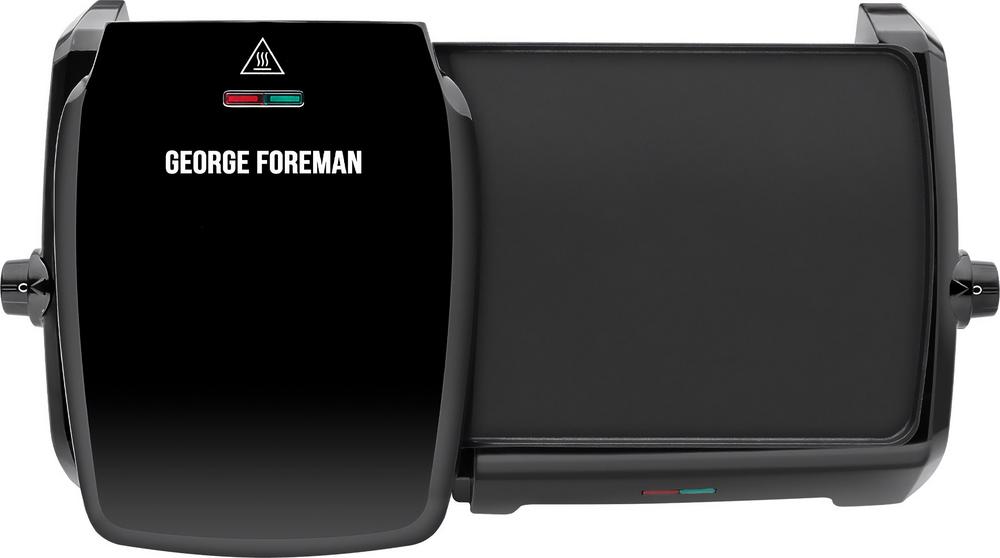
If you’re trying to eat a bit better without giving up the food you love, a health grill can be a genuinely useful bit of kit. The George Foreman 7 Portion 25051 Health Grill in Gun Metal Grey is a popular, family-friendly option that promises quick, healthier meals with less fuss. In this guide, we’ll look at what a mid-sized health grill like this is good at, how to get the most out of it, and when a larger indoor/outdoor alternative might suit you better.
Why choose a 7-portion health grill for your kitchen?
Portion size is one of the most important decisions when buying a health grill. A 7-portion model sits in a sweet spot between compact and crowd-feeder. It’s typically roomy enough to handle a family’s main meal in a single go, without dominating your worktop.
The George Foreman 7 Portion 25051 Health Grill is designed with everyday family cooking in mind. Whether it’s weeknight chicken breasts, burgers at the weekend or toasted wraps for lunch, the aim is to cook everything faster than in a pan or oven, while allowing some of the fat to drain away.
If you want to dig into performance details, features and owner feedback, you can always read our full review of the George Foreman 7 Portion 25051 Health Grill. Here, we’ll stay focused on how to choose and use a grill like this confidently.
Understanding “health grills” – what makes them different?
Health grills are essentially compact, electric grills that cook from both the top and bottom. Instead of standing over a frying pan, you close the lid and let it work more like a contact grill or panini press.
Most health grills share a few key traits:
- Ridged, non-stick plates to leave grill marks and allow fat to run off.
- Sloped cooking surface so oils and juices drain into a removable drip tray.
- Electric heating elements for quick heat-up and consistent temperatures.
- Compact footprint compared with a hob plus pan or a full-sized grill.
The idea isn’t to transform your diet overnight, but to make it easier to choose grilled over fried more often. When you combine that with leaner cuts of meat, vegetables and whole grains on the side, a health grill can quietly nudge your everyday meals in a better direction.
Is a 7-portion grill the right size for you?
Size matters more than you might think. Too small and you’ll be cooking in batches. Too big and you’ll be wasting counter space on something that feels overkill for two people.
When a 7-portion grill works well
A 7-portion grill like the George Foreman 25051 tends to suit:
- Families of 3–4 who want to cook everything in one go.
- Couples who like to batch cook extra portions for the next day.
- Shared houses where people eat at slightly different times but still want a quick option.
You can usually fit a line of chicken breasts or burgers side by side, plus a couple of veggie sausages or sliced peppers. That’s much more practical than juggling multiple frying pans.
When you might want to go bigger
If your household is larger or you love hosting, it’s worth considering a bigger grill. The George Foreman Indoor/Outdoor 22460 Health Grill is a good example. It’s still electric, but it’s built to handle barbecues, garden parties and big Sunday lunches, with the flexibility to move from kitchen counter to patio.
The trade-off is storage and footprint. A larger indoor/outdoor model typically needs its own corner in a cupboard or garage, whereas a 7-portion counter-top grill can often slide neatly into a standard kitchen cupboard.
Everyday meals you can make on a health grill
One of the big advantages of a mid-sized grill is versatility. Once you get past the initial “burgers and chicken” phase, you’ll probably find it can take over from your frying pan more often than not.
Quick weeknight ideas
Here are some simple, realistic ways to use a 7-portion health grill in a typical week:
- Grilled chicken and veg: Flattened chicken breasts, lightly oiled, plus sliced courgette or peppers on the side.
- Fish fillets: White fish or salmon cooked until flaky, with a squeeze of lemon after cooking.
- Wraps and paninis: Toasted tortillas or sandwiches with cheese, veg and leftover roast meat.
- Meat-free burgers and sausages: Ideal for keeping plant-based and meat options separate but cooked at the same time.
Batch cooking and meal prep
The capacity of a 7-portion model lends itself to batch cooking. You can grill extra chicken or veg to slice into salads and wraps for the next day. Because the lid cooks from the top as well, it’s often quicker than using the oven, which helps when you’re trying to prepare multiple meals in one session.
If you want more detail on how the George Foreman 7 Portion 25051 performs with different foods, including how evenly it cooks and how long it typically takes to heat through, you can check our in-depth review of the George Foreman 7 Portion 25051 Health Grill alongside this guide.
Health grill vs indoor/outdoor grill: which is best for you?
It’s easy to assume all grills are the same, but your cooking habits and space make a big difference to what will actually work day to day.
Compact counter-top health grills
Models like the 7-portion George Foreman 25051 focus on being practical and convenient:
- Smaller footprint – they live on your worktop or tuck into a cupboard.
- Fast to heat – ideal for quick mid-week meals.
- Less faff – no gas bottles, no charcoal, no standing outside in the rain.
This style is usually best if you mainly cook for your household, want to keep things simple and are more interested in quick, healthier dinners than in recreating a full barbecue experience.
Indoor/outdoor options for entertaining
If you regularly feed a crowd or you like the idea of a grill you can wheel out for summer gatherings, a larger indoor/outdoor model is worth a look. The George Foreman Indoor/Outdoor 22460 Health Grill is designed for exactly that, with an electric setup that’s easier than managing coals or gas.
Because it’s bigger, it can handle more burgers, kebabs and veggie skewers at once than a 7-portion counter-top grill. The compromise is that it’s less of an everyday, leave-out-on-the-worktop appliance and more of a “bring out when needed” bit of kit.
How to use a health grill for healthier, tastier results
A health grill can only do so much on its own; how you use it matters just as much. A few simple tweaks to your routine can make a noticeable difference to both nutrition and flavour.
Choose your ingredients wisely
To get the most from the sloped, fat-draining design, it helps to:
- Pick lean cuts of meat such as chicken breast, turkey or trimmed pork.
- Add plenty of vegetables to the grill – peppers, onions, mushrooms and courgette all work well.
- Use marinades with herbs, spices and citrus rather than heavy, sugary sauces.
Get your timings right
Because a health grill cooks from both sides, food is often ready quicker than you expect. It’s worth starting with recommended timings from the manual or trusted recipes, then adjusting based on how you like things cooked. Thicker cuts may need a slightly lower temperature and longer cooking time to stay juicy.
Don’t be afraid of a little oil
Even with a non-stick surface, a light brush of oil on the food can improve flavour and texture. You don’t need much – a quick wipe with an oiled piece of kitchen paper is usually enough. This can also help stop drier ingredients, such as some meat-free products, from sticking or becoming chewy.
Cleaning and caring for your health grill
One of the most common reasons people fall out of love with kitchen gadgets is cleaning. Fortunately, a well-designed health grill should be quite straightforward to look after if you stay on top of it.
Clean while it’s still warm (but unplugged)
Once you’ve finished cooking, unplug the grill and let it cool slightly until it’s warm but safe to touch. Wipe away any residue with a soft cloth or non-abrasive sponge. If your model has a removable drip tray, empty and wash this after each use to prevent smells and build-up.
Protect the non-stick surface
To keep the plates working well for longer, avoid metal tools that can scratch. Look for silicone, wooden or plastic utensils instead. Harsh scouring pads and very strong chemicals are best avoided, as they can damage the coating and make sticking more likely in future.
Dealing with stubborn marks
For stubborn, cooked-on bits, a damp cloth laid over the cooled plates for a few minutes can help soften residue. Then gently wipe away with warm, soapy water. Always follow the manufacturer’s care advice in the manual for your specific model.
Space, storage and styling considerations
It’s easy to focus on cooking performance and forget about where the grill will actually live. Before you buy, think about how it will fit into your kitchen in real life.
Worktop footprint
A 7-portion health grill, including the George Foreman 25051, is usually compact enough for an average British kitchen. Check the dimensions before you buy and make sure you have room to open the lid fully under any cupboards. Leaving the grill on display can also encourage you to use it more, rather than leaving it buried in a cupboard.
Storage and portability
If you plan to put the grill away between uses, look for a model that’s easy to move and not too heavy. A simple, rectangular design tends to slot more neatly into cupboards. Larger indoor/outdoor models, such as the George Foreman Indoor/Outdoor 22460, may need dedicated storage, so measure your space first.
When to consider an alternative grill
The George Foreman 7 Portion 25051 Health Grill is well suited to busy homes wanting a balance of capacity and convenience. But it isn’t the only option, even within this brand’s line-up.
If you like the idea of taking your grilling outside in summer, or you often cook for more than four people, it’s worth considering the George Foreman Indoor/Outdoor 22460 Health Grill. It offers a larger cooking surface and the flexibility to use it both on the worktop and on a stand outdoors, making it more of a barbecue replacement than a simple counter-top appliance.
On the other hand, if you have a small kitchen or mostly cook for one or two, you may want to look at smaller-capacity grills in the same category. These can be even easier to store and may heat up fractionally faster, at the cost of batch cooking when friends or family visit.
Getting the best value from a health grill
Once you’ve invested in a grill, the real value comes from how often you actually use it. A 7-portion model makes sense when it becomes your default for several meals a week, not something that only sees daylight during barbecue season.
To squeeze more value out of it:
- Keep it plugged in and accessible so it’s the obvious choice for quick meals.
- Experiment with different cuisines – from fajitas to simple grilled halloumi-style wraps.
- Use it for breakfast as well as dinner – think grilled tomatoes, mushrooms and lean bacon.
Reading an in-depth product review can also help you understand little quirks, cooking tips and what other owners have found most useful. For that side of things, our detailed look at the George Foreman 7 Portion 25051 Health Grill is a helpful companion to this buying and usage guide.
Conclusion: choosing the right health grill for your home
A 7-portion health grill offers a practical balance of size, speed and versatility for many UK households. The George Foreman 7 Portion 25051 Health Grill is a strong example of this type of appliance, designed to make everyday cooking a little healthier and a lot more convenient. If you often entertain or want something that can double as an electric barbecue, the George Foreman Indoor/Outdoor 22460 Health Grill is a logical step up.
Whichever way you’re leaning, taking a few minutes to think about portion size, storage and how you’ll actually cook with it will help you choose confidently. And if you’d like more detail on performance and features before you decide, our in-depth review of the George Foreman 7 Portion 25051 Health Grill and the linked alternatives are there to help you make the best choice for your kitchen.