
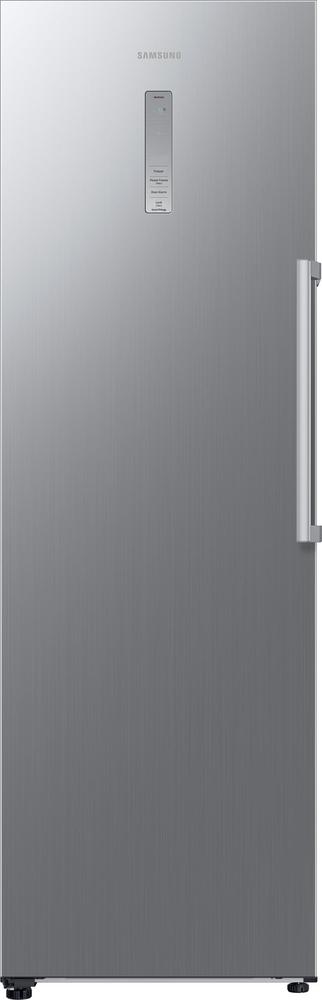
Choosing a new upright freezer can feel like a bigger decision than it first appears. It affects your weekly shop, how much you can batch-cook, your energy bills and even how your kitchen looks. The Liebherr Plus FNd4625 146cm Small Frost Free Upright Freezer in white sits in an interesting sweet spot: tall enough to be practical, compact enough for smaller kitchens, and designed to be low-fuss thanks to frost free cooling.
In this guide we’ll use the Liebherr Plus FNd4625 as a real-world example of what to look for in a modern upright freezer, and how it compares to some popular alternatives from Beko, Bosch and AEG. If you want every last detail, you can always read our full review of the Liebherr Plus FNd4625, but here we’ll stay focused on practical buying and ownership tips.
Why choose a 146cm upright freezer instead of a taller model?
The first big decision with any upright freezer is height. At 146cm, the Liebherr Plus FNd4625 is shorter than many full-height models that stretch close to 2 metres, but taller than under-counter options. That makes it a strong choice if you want generous storage without dominating the room.
A mid-height upright freezer like this can be ideal if:
- You have standard-height ceilings but limited wall space.
- You want to keep the top surface visually below tall cupboards or a boiler.
- Children or less mobile family members need easier access to upper drawers.
By contrast, taller models such as the 191cm Beko FFEP5791W frost free upright freezer or the 186cm Bosch Series 4 GSN36VWEPG will offer more capacity, but you need to be able to open the door fully and reach the top shelves comfortably.
Understanding frost free technology and why it matters
The Liebherr Plus FNd4625 is a frost free freezer, and that’s one of the most important features to prioritise in a modern home. Traditional static freezers build up ice on the walls and around drawers, stealing usable space and eventually demanding a full defrost.
With frost free cooling, air is circulated to keep moisture from settling and freezing on surfaces. In daily life that means:
- No need for manual defrosting sessions.
- Drawers slide in and out without sticking to ice.
- Food packaging stays cleaner and easier to read.
Every alternative model we’re discussing – including the Beko FFEP5791W, the AEG 6000 Series OAG6N281EW and the AEG OAG7M281EB – is also frost free, which underlines how standard this has become on mid-range and premium upright freezers. If you’re upgrading from an older manual-defrost model, you’re likely to find this one of the most noticeable quality-of-life improvements.
Energy ratings: what does a D or E really mean?
Many new freezers now fall into the D or E band on the latest A–G energy scale. The Liebherr Plus FNd4625 is D rated, sitting slightly ahead of the E-rated Bosch Series 4 GSN36VWEPG and AEG upright alternatives in this comparison set.
In practical terms, that means:
- D-rated models are typically a touch more efficient than similar E-rated freezers of the same size.
- You may see modest savings in running costs over the years, especially if the appliance is well used and opened frequently.
- The difference between two adjacent ratings is real but not dramatic; capacity, insulation and your own habits still matter a lot.
If you’re picking between similar freezers and everything else feels equal – layout, size, features – it’s worth favouring the higher rating. But don’t sacrifice a good fit for your space and household just for a single-letter difference, especially when comparing compact models like the Liebherr with considerably larger cabinets.
Internal layout: drawers, shelves and everyday usability
One of the main reasons people choose an upright freezer over a chest freezer is organisation. With a tall, front-opening cabinet, it’s much easier to divide food into drawers and see exactly what you have at a glance.
While exact internal layouts vary between models, most tall frost free freezers, including the Liebherr Plus FNd4625, stick to a similar recipe:
- Multiple clear-fronted drawers so you can see contents without pulling everything out.
- At least one deeper compartment for larger joints of meat or bulky items.
- A top section which may be open-fronted or lidded, useful for frequently accessed items like bread and ice cream.
When comparing to larger appliances like the 191cm Beko FFEP5791W, think less about cubic litres on paper and more about how easy it will be to store your regular shop. Batch cooks in labelled containers, family-sized bags of frozen veg and individually wrapped meats all behave differently in a drawer, so aim for a layout that matches your cooking style.
Matching freezer capacity to your household
The ideal capacity is one that gives you a little breathing room, but not so much empty space that energy is wasted keeping it cold. A 146cm upright freezer like the Liebherr Plus FNd4625 is often a neat match for:
- Singles or couples who batch-cook and like to stock up during supermarket offers.
- Smaller families who already have some freezer space in a fridge freezer but need more.
- Flats or smaller houses where a 186–191cm giant simply won’t fit.
If you’ve decided you want a true full-height appliance from the outset, it’s worth looking at taller models like the AEG OAG6N281EB in black or the white AEG 6000 Series OAG6N281EW. Both come in at 186cm, making them good options if you want a little extra headroom for big shops compared with a mid-height cabinet.
White vs black and how a freezer fits your kitchen design
The Liebherr Plus FNd4625 comes in a classic white finish, which blends easily into most UK kitchens and utility rooms. White tends to feel less imposing in smaller rooms and sits happily alongside existing white goods.
However, a growing number of people are choosing black or dark appliances to match modern cabinet doors and worktops. If that’s you, a model like the AEG OAG7M281EB could be more appealing, offering a similar tall, frost free upright format in a sleek black finish.
When planning your kitchen or utility layout, think about:
- Whether you want appliances to match or deliberately contrast.
- How visible the sides of the appliance will be (e.g. freestanding vs. in an alcove).
- Lighting in the room – darker finishes can look very smart but may show dust more in bright light.
Door opening, positioning and making the most of your space
It’s easy to focus on height and depth, but door clearance is just as crucial. You’ll want the door of your upright freezer to swing open fully so drawers can be pulled all the way out without obstruction.
Before you buy, measure up carefully:
- Check the width of the appliance against the gap you have, allowing a little wiggle room.
- Make sure door handles won’t clash with nearby cupboards or walls.
- Consider whether a reversible door would help if your kitchen layout is awkward.
Although the exact hinge options vary by model, it’s a good idea to confirm whether the door can be reversed before committing. This is especially important in narrow galley kitchens or tight utility rooms where door swing direction can make or break usability.
Noise, storage habits and living with an upright freezer
Most modern upright freezers are relatively quiet, but they will still hum and occasionally ramp up during cooling cycles. Placing the appliance on a level surface and avoiding it touching skirting or cabinetry can help reduce vibration noise.
To get the best from a freezer like the Liebherr Plus FNd4625 day to day:
- Group similar foods in the same drawer so you don’t have to rummage with the door open.
- Label containers with both contents and date; future you will be grateful.
- Don’t pack drawers so tightly that air can’t circulate around food.
It’s also worth establishing a simple rotation system: use up older items from the front of a drawer before you stash new purchases at the back. This avoids food being forgotten for months and eventually thrown away.
Comparing popular upright freezer alternatives
While the Liebherr Plus FNd4625 is a strong compact upright option, it’s sensible to weigh it against a few well-known alternatives in the frost free market. Each of the models below offers its own angle on size, finish and features.
Beko FFEP5791W – tall and family-friendly
The Beko FFEP5791W 191cm frost free upright freezer is notably taller than the Liebherr, making it a good candidate for larger households that want a big dedicated freezer. If you batch-cook on Sundays, buy meat in bulk or store plenty of frozen veg for the week, the extra height can be a real asset.
It shares the frost free convenience and D rating, so the main trade-offs are footprint and accessibility. Make sure you’re comfortable reaching the highest shelves and that your kitchen has the vertical space before choosing a full 191cm cabinet.
Bosch Series 4 GSN36VWEPG – a dependable all-rounder
The Bosch Series 4 GSN36VWEPG 186cm frost free upright freezer is another well-known alternative, with a strong reputation for robust build quality and simple, user-friendly design. It’s taller than the Liebherr at 186cm, sits in an E energy band, and targets households looking for a traditional white cabinet with plenty of internal space.
If you like the idea of a tall upright but don’t quite need the sheer height of the Beko, the Bosch lands somewhere in the middle – a sensible choice when you want a reliable workhorse freezer without going to the largest size available.
AEG 6000 Series OAG6N281EW – tall and sleek in white
The AEG 6000 Series OAG6N281EW is a 186cm frost free upright freezer with an E energy rating, positioned towards the more premium end of the white upright market. It’s aimed at buyers who value a clean, modern look and refined internal layout.
Compared with the Liebherr Plus FNd4625, you’re trading a more compact height for greater capacity and a taller presence in the kitchen. It’s worth considering if you’re planning a line of full-height appliances, perhaps alongside a tall fridge, for a built-in look without full integration.
AEG OAG7M281EB – black statement piece
For something visually bolder, the AEG OAG7M281EB 186cm frost free upright freezer offers a black finish that pairs well with contemporary cabinets and dark worktops. It’s again E rated for energy, and its tall form factor is targeted at households that want a generous amount of storage with a design-led aesthetic.
If your priority is to keep the appliance visually low-key and compact, the shorter Liebherr may be a better match. But if the freezer will sit on show in an open-plan space, a black door can help it blend seamlessly into a modern décor scheme.
Is the Liebherr Plus FNd4625 the right type of freezer for you?
Stepping back from specs, the real question is whether a compact, D-rated, frost free upright like the Liebherr Plus FNd4625 suits your lifestyle. It’s a good fit if you:
- Need more storage than a standard fridge freezer offers, but don’t have room for a giant tall unit.
- Want frost free convenience with sensible running costs.
- Prefer a classic white finish and a straightforward, easy-to-organise interior.
If that sounds like you, it’s worth taking a closer look at the details and feature set – you can read our full review of the Liebherr Plus FNd4625 here for an in-depth breakdown of performance, design and user feedback.
Final thoughts
Choosing an upright freezer is really about balancing space, convenience and running costs against how your household eats. Mid-height models like the Liebherr Plus FNd4625 offer a smart compromise for many UK homes, delivering frost free performance and a D energy rating in a manageable footprint.
Whether you ultimately lean towards a compact cabinet or a towering 186–191cm alternative from brands like Beko, Bosch or AEG, taking the time to think through capacity, layout and where the appliance will sit will pay you back every week. Use the links in this guide to dive into the detailed reviews of each model, compare their strengths, and choose the freezer that will quietly get on with its job for years to come.