
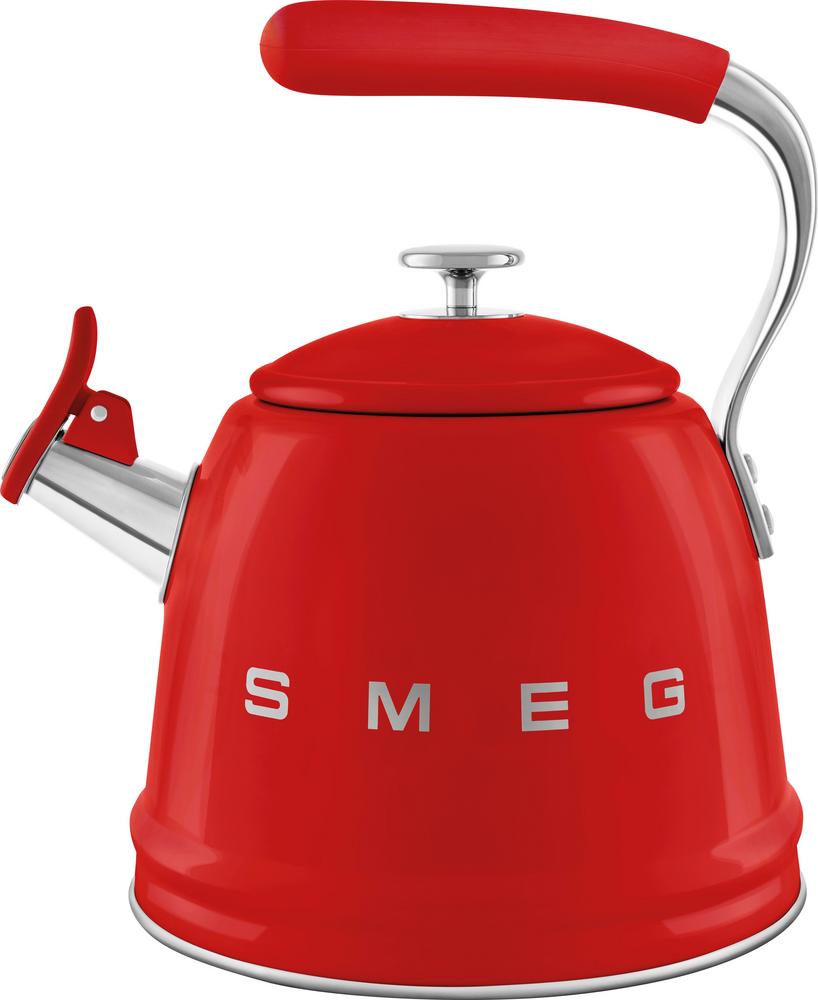
If you love the idea of a classic whistling kettle but still want modern design and practicality, a hob kettle can be a lovely addition to your kitchen. The Smeg 50’s Style WKF01PG Whistling Hob Kettle in Pastel Green blends retro looks with everyday usability, and it’s part of a wider family of kettles and hot water options. This guide walks through what to think about before buying a hob kettle, how it compares to an electric model, and which alternatives might fit your home best.
Why choose a hob kettle in a world of electric models?
Electric kettles are everywhere in UK kitchens, so choosing a hob kettle is often a deliberate style or lifestyle decision. Many people enjoy the slower, more ritual feel of putting a kettle on the stove and waiting for the whistle. It’s a small moment of calm in the day, and it can make making tea feel more special.
A well-designed hob kettle also becomes a permanent part of your worktop landscape. Something like the pastel green Smeg 50’s Style WKF01PG is as much a decor piece as it is a bit of kit. If you already have other 50s-style appliances or pastel tones in your kitchen, a coordinating hob kettle can help tie everything together.
There’s also the flexibility factor. A hob kettle can be used on your main hob, and (if it’s compatible) taken to another kitchen or used on different heat sources while you’re away, such as gas hobs in a holiday home. You’re not tethered to one plug point or a specific base.
Getting to know the Smeg 50’s Style WKF01PG Whistling Hob Kettle
The Smeg 50’s Style WKF01PG is a traditional whistling hob kettle wrapped in a pastel green finish and bold curves. It’s designed to sit out on show, pairing especially well with other retro-inspired appliances and colourful kitchens. The wide, rounded body and contrasting handle give it a distinctive silhouette compared to plainer stainless-steel kettles.
Being a hob kettle, there’s no cord or base to worry about; you simply pop it on the hob when needed and let it do its thing. The whistle alerts you when the water reaches boiling point, which is part of the charm but also a practical reminder. If you’d like to dive into the finer details such as materials, capacity and user experiences, you can read our full review of the Smeg 50’s Style WKF01PG whistling hob kettle.
As with any kettle, the basics still matter: a comfortable handle, a spout that pours cleanly, and a lid that’s easy to remove and replace. Hob kettles also need a good, flat base to sit securely on the hob and to heat efficiently. These usability touches are just as important as looks, especially if you make hot drinks several times a day.
Hob kettle vs electric kettle: which suits you?
The big decision for many households is whether to stick with an electric kettle or switch to a hob design. Both approaches have strengths, and the right answer will depend on how you live and what you value most.
Speed and convenience
Electric kettles are usually a little quicker from cold to cup, especially if you’re using a powerful 3 kW model and only boiling enough for one or two mugs. If speed is your top priority, you may want to look at high-performance electric kettles such as the Sage The Smart Kettle SKE825BSS3GUK1, which offers multiple temperature settings and fast boiling.
Hob kettles like the Smeg 50’s Style WKF01PG will be more influenced by the type of hob you have. Induction hobs are generally fast and efficient, while older electric or gas hobs can take longer. If you’re already cooking, though, it can feel very natural to put the kettle on the hob alongside your pan rather than relying on a separate appliance.
Control and features
One area where electric kettles shine is temperature control. Models like the Sage The Smart Kettle SKE825BSS3GUK1 give you preset temperatures for different drinks, from green tea to coffee, which can really improve flavour if you’re particular about brewing. There’s also automatic switch-off, keep-warm functions and water level windows to make daily use easier.
A hob kettle is more stripped-back. You control temperature at the hob and listen for the whistle to know when it’s ready. For many people, this simplicity is the attraction: fewer electronics to go wrong, less to think about, and a more old-fashioned, tactile feel.
Style and aesthetics
Kettles are among the few small appliances that stay permanently on show, so design is worth thinking about. The Smeg 50’s Style WKF01PG brings a very specific look: curved lines, a pastel green finish and a nod to mid-century styling. If that’s the vibe you’re going for, you can build a whole kitchen theme around it.
If you like the same retro design but would prefer another colour, there are close relatives worth a look. The Smeg 50’s Style WKF01CR Whistling Hob Kettle in Cream offers a warmer, more neutral tone, while the Smeg 50’s Style WKF01PB Whistling Hob Kettle in Pastel Blue has a cooler, coastal feel. Both share the same broad design language, so your decision can be purely about colour and how it fits with your tiles, worktops and walls.
Choosing the right style and colour for your kitchen
Colour is more than a finishing touch when it comes to a statement kettle; it changes how the whole space feels. Pastel green, like you get on the WKF01PG, brings a soft, calming note to the worktop. It pairs beautifully with natural wood, white cabinets and brushed metal finishes. If your kitchen gets a lot of daylight, the pastel shade will look particularly fresh and airy.
Cream tones, such as on the Smeg WKF01CR, are easier to blend into most colour schemes. They sit comfortably with traditional Shaker units, farmhouse sinks and warmer metallics like brass and copper. Meanwhile, the Smeg WKF01PB in Pastel Blue can give a cooler, seaside-inspired twist alongside white or grey cabinetry.
If you prefer a more understated, modern look, you might gravitate towards electric kettles with cleaner lines and metallic finishes. For instance, the Dualit Architect 72926 Kettle in Stainless Steel / Grey focuses on contemporary styling with a more industrial edge, making it a great fit for minimalist or urban-style kitchens.
Practical buying tips for hob kettles
Once you’ve decided a hob kettle is right for you, a few practical checks will help you pick the best model for your home. It’s not just about looks; you want something you’ll enjoy using every day.
Check hob compatibility
Before committing to any hob kettle, make sure it’s compatible with your hob type, especially if you have induction. Many modern designs will work across gas, electric and induction, but it’s always worth confirming. Using a non-compatible kettle on an induction hob simply won’t work, and forcing the issue can damage the hob or the kettle.
Think about capacity and weight
Capacity affects how many cups you can make in one go and how heavy the kettle will feel when full. If you regularly make tea for a crowd, a larger-capacity kettle makes sense, but remember that more water means more weight and longer boil times. If it’s mostly for one or two people, a more modest capacity can be easier on the wrists and a bit faster to heat.
The shape and position of the handle also matter. Look for a handle that keeps your hand away from steam and hot metal, and ideally one that feels steady even when the kettle is near full.
Handle, lid and pouring
Small design details have a big impact on day-to-day enjoyment. A good hob kettle should have a lid that’s easy to lift for filling but secure enough not to rattle or leak steam excessively when boiling. The spout should pour smoothly without dribbling, and the whistle mechanism should be simple to flip open when you’re ready to pour.
Think about how you’ll hold the kettle too. Some people prefer a larger loop handle they can grip firmly with one hand, while others like a slightly angled handle for better control. If you struggle with grip strength, a well-balanced design becomes even more important.
When an electric kettle might be the better choice
Even if you’re drawn to the charm of a hob kettle, there are situations where an electric model can still be the more practical option. If you’re often boiling water while cooking multiple dishes, you may not have spare hob space. In a small kitchen, not occupying a burner can be a real advantage.
Electric kettles like the Dualit Architect 72926 and the Sage Smart Kettle SKE825BSS3GUK1 are also appealing if you want precise temperature control for coffee brewing or speciality teas. Some models offer pre-set temperatures and keep-warm functions, making them especially user-friendly for busy households or home offices where the kettle is constantly on the go.
If you’re unsure which route to take, it can help to think about how many hot drinks you make on a typical day and whether you see your kettle more as a tool or a design feature. There’s no rule that says you can’t have both: some people keep a hob kettle for leisurely weekends and an electric kettle for weekday mornings.
Using a whistling hob kettle safely and efficiently
Whistling kettles have a simple safety feature built in: the whistle itself. It tells you when the water is ready and acts as a reminder to take the kettle off the heat. That said, a few good habits will help you use your hob kettle safely and avoid wear and tear.
- Fill between the marked minimum and maximum levels to avoid boiling dry or spilling.
- Always place the kettle centrally on the hob, using a burner that matches the base size.
- Stay reasonably close by once the kettle is on; the whistle is loud, but it’s not a substitute for supervision.
- Use a low-to-medium heat on gas to prevent flames licking up the sides and discolouring the finish.
- Let the kettle cool slightly before refilling to reduce thermal stress on the materials.
Looking after the finish is particularly important on coloured kettles such as the Smeg 50s Style range. Avoid dragging the kettle across gritty surfaces, and don’t use abrasive cleaners on the exterior. A soft cloth and a mild washing-up liquid are usually all you need to keep it looking its best.
Keeping your kettle clean and limescale under control
Whether you choose a pastel hob kettle or a brushed steel electric model, limescale is a fact of life in many parts of the UK. Apart from looking unsightly, heavy build-up can affect boil times and the taste of your drinks. Building a simple cleaning routine into your month will make a big difference.
With a hob kettle, descaling is usually straightforward thanks to the wide opening at the top. Every few weeks, fill the kettle with a mixture of half water and half white vinegar, leave it to soak for an hour, then bring it to the boil if the manufacturer allows. Once cool, pour away the mixture, rinse well several times and boil a full kettle of clean water before using it again for drinks.
Wiping the interior dry between uses where possible can also help slow down mineral deposits, as can using filtered water if your tap water is particularly hard. On the outside, a quick wipe after each use will keep splashes and marks at bay, which is especially important on light-coloured kettles like the Smeg WKF01PG, WKF01CR and WKF01PB.
Alternatives worth considering
If you’re still weighing up your options, it’s useful to see how the Smeg hob kettle compares with a few close alternatives. Staying within the same design family, the Smeg 50’s Style WKF01CR in Cream and Smeg 50’s Style WKF01PB in Pastel Blue offer the same broadly retro aesthetic and whistling hob design. If you love the shape but want a different colour story, these are the first models to explore.
For those who like premium build quality but prefer an electric kettle, the Dualit Architect 72926 focuses on solid construction and a more modern, boxy look. It sits well in contemporary kitchens and gives you the plug-in convenience many people are used to. Meanwhile, the Sage The Smart Kettle SKE825BSS3GUK1 adds extra features like variable temperature settings that are ideal if you’re particular about brewing coffee or speciality teas at specific temperatures.
Each of these options suits a slightly different buyer: the hob kettles for those who want ceremony and style on the stove, and the electric models for people prioritising speed, control and advanced features. Thinking about which of these descriptions sounds more like you will help you narrow down the shortlist.
Bringing it all together
A stylish hob kettle like the Smeg 50’s Style WKF01PG can transform an everyday task into a small ritual while adding a strong design note to your kitchen. If you value looks and the gentle theatre of a whistling kettle on the hob, it’s a compelling choice. If you’re more focused on speed and precise control, electric models such as the Dualit Architect and Sage Smart Kettle may suit your routine better.
Whichever direction you’re leaning, it’s worth taking a moment to think about how you actually use hot water throughout the day, and how the kettle will fit into your space. For a deep dive into how the pastel green hob kettle performs in real kitchens, you can read our detailed review of the Smeg 50’s Style WKF01PG whistling hob kettle, and explore the linked alternatives to find the one that feels like the right fit for your home.