Home » Best cheap Apple iPhones worth buying in 2026
If you want an Apple iPhone without paying flagship prices, the good news is you do not have to. There are some genuinely affordable options that still feel fast, take good photos and will keep getting iOS updates for years.
This guide focuses on cheaper Apple mobile phones for 2026, including excellent-value refurbished models and slightly older generations. The aim is to help you save money while still ending up with an iPhone that feels reliable and enjoyable to use.
We have narrowed the list to a few standout picks that balance price, performance and real-world owner feedback. Some are the absolute lowest-cost ways into the Apple ecosystem, while others cost a little more but reward you with better cameras, battery life or longevity.
These recommendations are based on real-world information such as current pricing, owner ratings and the feature sets Apple offers at each level, not just which handset is the cheapest. We look closely at how each model is likely to feel in daily use, from performance and battery life to camera quality and software support.
We also pay attention to review scores and the number of ratings to avoid models that look tempting on price but disappoint on reliability or user experience. Our focus is on budget-friendly Apple phones that still feel like smart buys, rather than false economies that you will soon regret.
By comparing the strengths and compromises within Apple’s own range, we can highlight the models that give you the most phone for your money, whether you are stepping into the iPhone world for the first time or upgrading on a tight budget.
We started by looking at the lower-priced Apple iPhones available for 2026, including refurbished and older-generation models that undercut the latest releases. From there, we filtered out options with particularly weak ratings or very limited feedback, focusing instead on phones with scores and reviews that suggest a solid everyday experience.
Price was important, but not the only factor. We also considered how each iPhone is likely to handle typical tasks like messaging, browsing, social media, streaming and casual photography, along with how long Apple is likely to keep it updated. Where models were close in price, we favoured those that offer a better balance of performance, battery life and camera quality.
Finally, we aimed to cover a mix of sizes and generations so you can pick the iPhone that suits your hand, pocket and budget. Every model here sits at the cheaper end of Apple’s line-up for 2026, but still looks like a sensible purchase rather than a compromise too far.
Below you will find the Apple mobile phones that stand out as the best cheap options for 2026. They are not the latest top-end flagships, but they each offer good value within the iPhone range.
Some are among the lowest-priced ways to own an Apple handset, while others cost a bit more but repay the extra with a newer design, better cameras or stronger battery life. Use the summaries, pros and cons to decide which mix of savings and features best fits your needs.
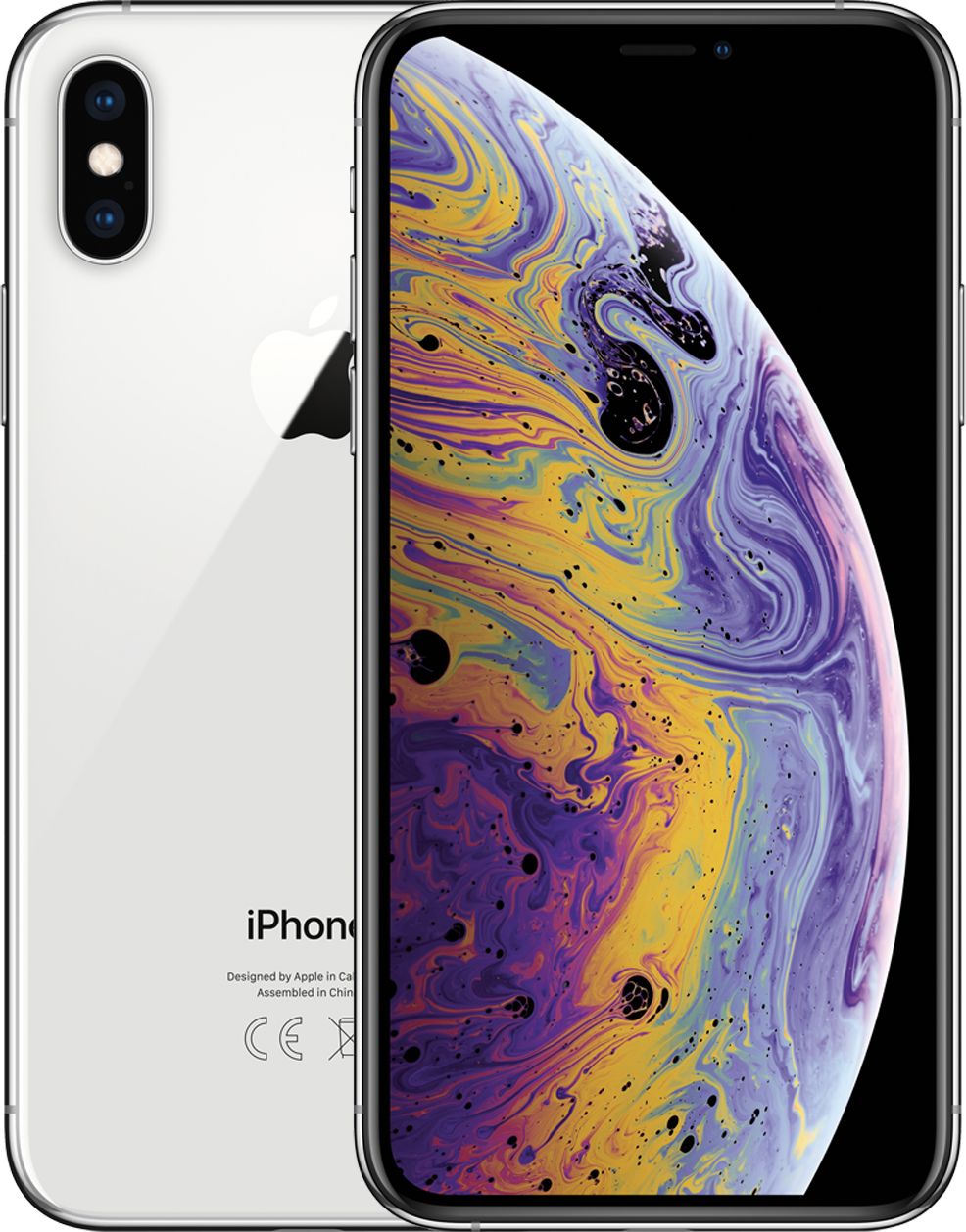
A refurbished iPhone XS that gives you a genuine Apple experience for well under flagship money, ideal if you want iOS on the tightest budget.
The iPhone XS remains a big step up from many cheap Android phones, with a premium build and smooth performance for everyday tasks at a very low price for an Apple handset. As a refurbished, as-new device, it should feel far from tired, giving you the familiar iOS experience without the usual Apple price tag. At around £160, it is one of the most affordable routes into the iPhone world in 2026. For calls, messaging, social media and light streaming, it still has enough power to feel responsive and usable.
As an older model, the iPhone XS will not match newer iPhones for camera performance, battery life or 5G connectivity. The 3 out of 5 rating from a small pool of reviews hints that some buyers may have found limitations or issues. If you rely heavily on your phone or want it to last as long as possible, spending more on a newer generation in this list could be wiser. Storage and battery health may also feel more constrained than on the more recent models.
Best suited to buyers who want the lowest-cost way into the Apple ecosystem and are happy with an older but still capable design. It is a good fit for light users who mainly call, message, browse and use a few core apps. If you are buying a first iPhone for a teenager or as a backup handset, it ticks the value box nicely. You simply need to accept that it will not feel as modern or long-lasting as the newer models further down this list.
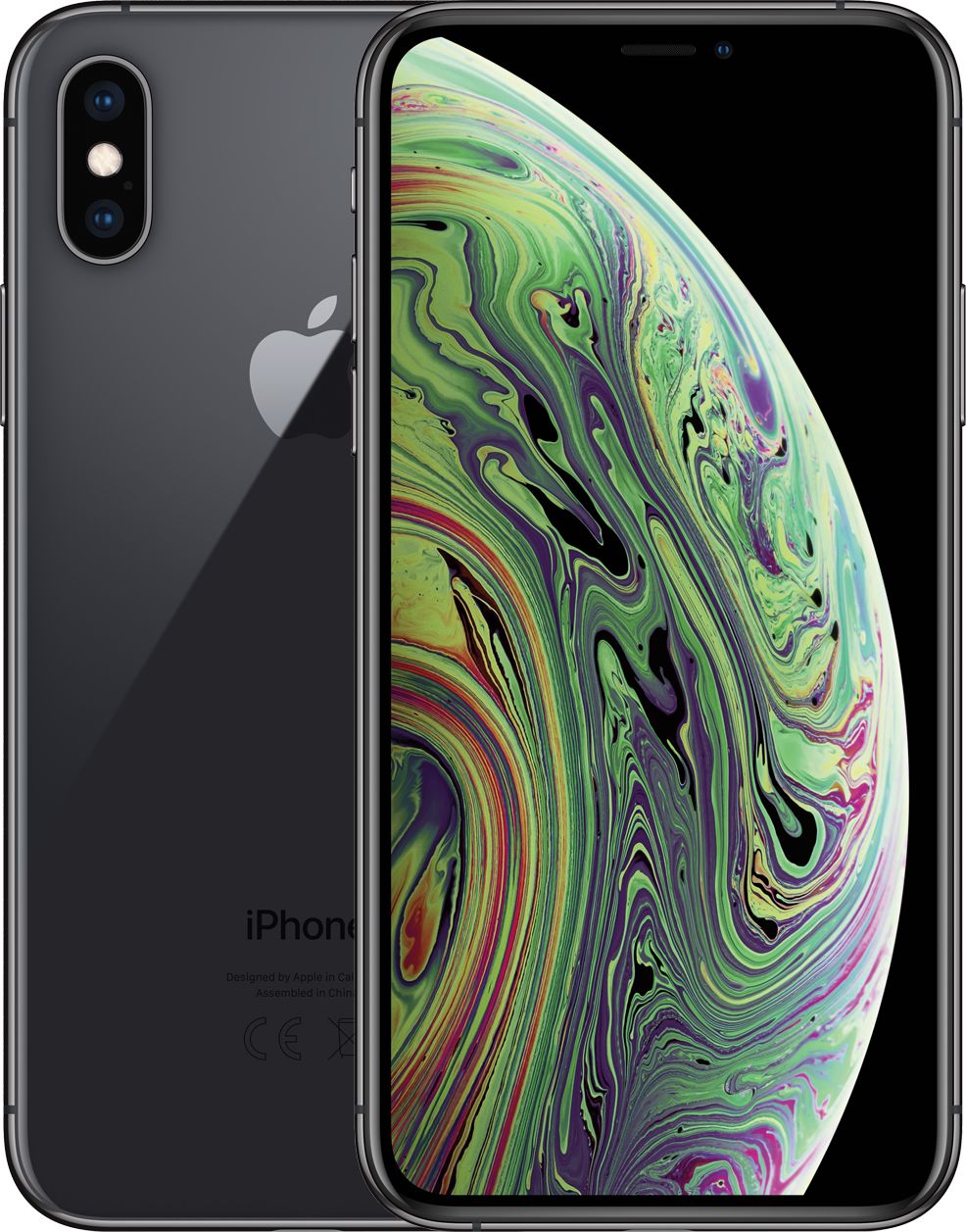
Another as-new iPhone XS, costing more than the very cheapest option but backed by an excellent customer rating, making it a safer bet if you value peace of mind.
This as-new iPhone XS shares many of the same strengths as the cheaper model, including the premium feel and smooth performance for day-to-day use. Where it really stands out is owner feedback: a perfect 5 out of 5 rating from its reviewers is impressive for a budget-friendly iPhone, suggesting buyers are very happy with how it performs. It also offers a darker Space Grey finish, which some people prefer for a more understated look. If you want a cheap XS but feel reassured by top-notch reviews, this version makes a strong case for spending a little extra.
Despite the excellent rating, this iPhone XS is still based on an older design, so you miss out on the latest camera tricks, 5G and the battery gains of newer chips. You are also paying a noticeable premium over the very cheapest XS here for what is essentially the same core phone. If you are less concerned about perfect feedback and more about price, the lowest-cost XS may make more sense. It is also likely to receive iOS updates for a shorter period than the iPhone 13 or 14.
Ideal if you are set on an iPhone XS but are willing to pay a little more for the reassurance of excellent owner reviews. It suits everyday users who want a familiar, premium-feeling phone without paying mid-range or flagship prices. If you like darker finishes and want a safe, tried-and-tested cheap iPhone, this is a strong candidate. It works particularly well for anyone upgrading from a much older iPhone who wants a step up without breaking the bank.
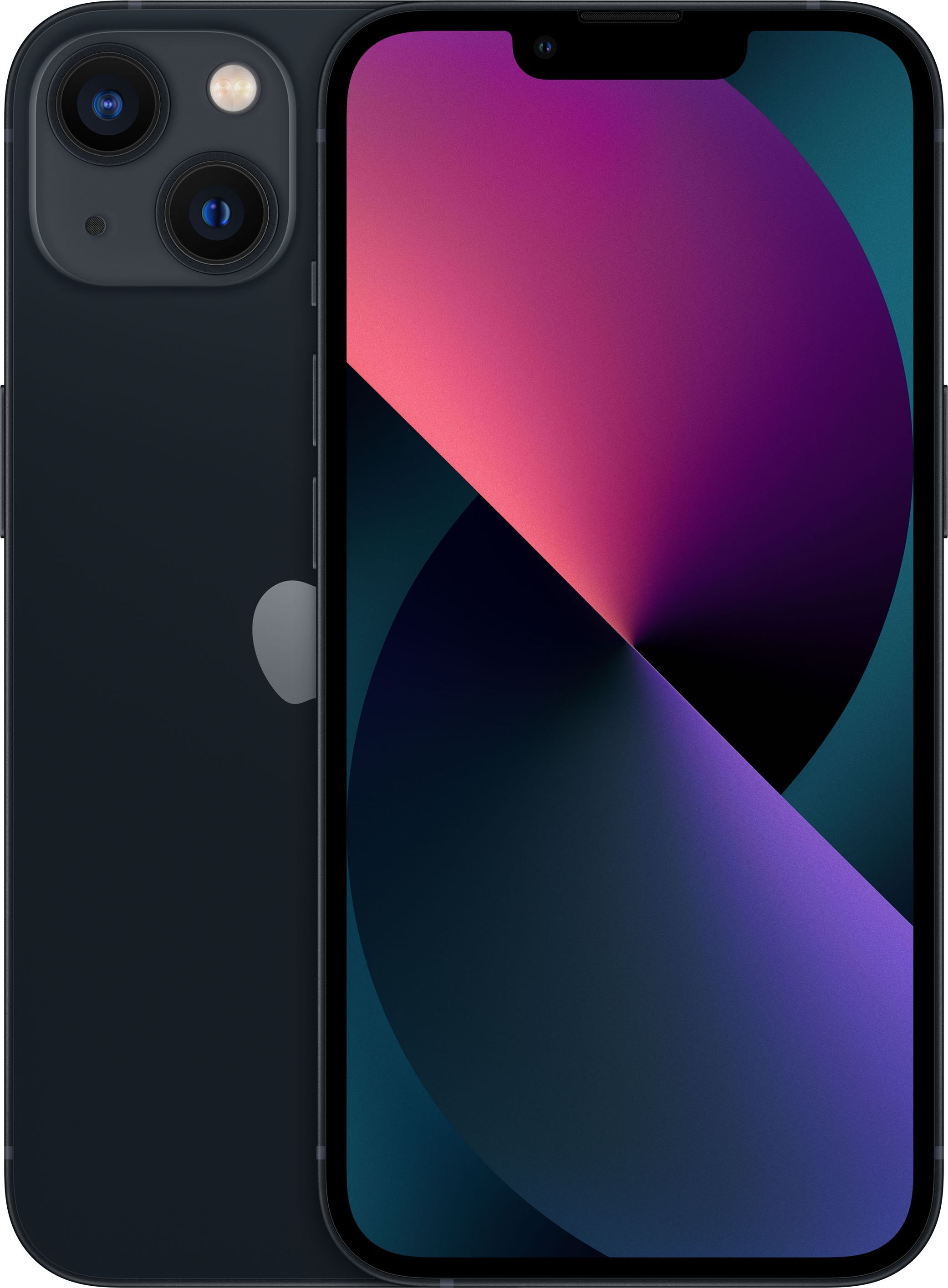
The iPhone 13 delivers a much more modern design and performance than the XS, at a mid-range price that still feels sensible for an Apple handset in 2026.
The iPhone 13 represents a big generational jump over the XS, bringing a more modern design, improved cameras and better efficiency in a still-affordable package. At £399, it sits comfortably below Apple’s latest releases, but should continue receiving iOS updates for several more years, which helps spread the cost. For streaming, gaming and photography, it is noticeably more capable than older models, so it is a good choice if you want a cheap iPhone that still feels up to date. The as-new condition means you avoid the scruffiness that can come with older second-hand phones.
The iPhone 13 sits in the middle of this list on price, so it is neither the absolute cheapest nor the most up-to-date. Its 2.8 out of 5 rating and mixed feedback suggest some buyers have encountered niggles or had higher expectations for this generation. If you simply want the lowest possible cost, the XS will save you a significant amount. At the other end, stretching a bit further to the iPhone 14 brings extra longevity and refinements that some users may prefer.
A strong choice if you want a modern-feeling iPhone with a sensible price tag and are happy to sit in the middle of the range. It suits people who use their phone heavily for social media, streaming and photos, but still have a limit on what they are willing to spend. If you plan to keep your phone for several years and want decent future-proofing without going all the way to the latest model, the iPhone 13 is a balanced option. It is also a good pick for those moving from Android who want their first solid, long-term iPhone.
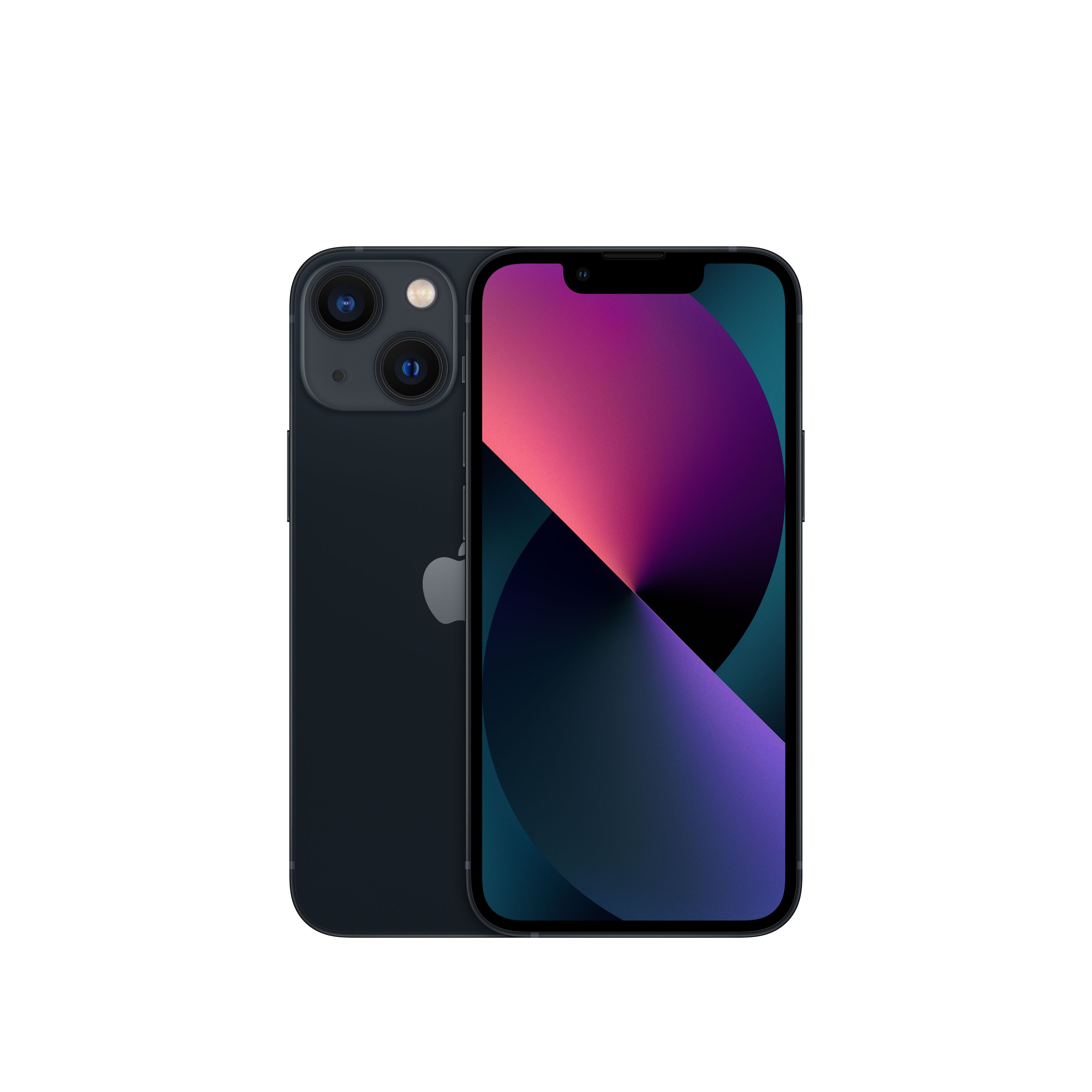
The iPhone 13 mini shrinks the size but not the performance, perfect if you want a pocket-friendly iPhone with current features without paying top-tier prices.
The iPhone 13 mini gives you the same core generation as the regular 13 in a smaller, lighter body that slides easily into any pocket. At £409, it is only a touch more than the standard 13 here, but its perfect 5 out of 5 rating suggests owners are delighted with the experience. You still get the speed and camera improvements of the 13 series, along with the latest iOS features, yet you pay significantly less than for a brand-new flagship. If you dislike large phones, the mini format is a rare chance to go smaller without dropping to an older, slower design.
The compact size of the iPhone 13 mini naturally limits battery capacity, so heavier users may find it does not last as long as the larger iPhone 13 or 14. The small screen will not suit everyone, especially if you watch a lot of video or type long messages. For only a modest extra outlay, you could move to the full-size 13 or 14 and enjoy a more expansive display and better stamina. As with any smaller phone, it is a deliberate compromise between portability and endurance.
Perfect for anyone who misses smaller phones and wants a genuinely compact iPhone that still feels current. It is especially good for commuters, one-handed users and those with smaller hands who find big screens cumbersome. If you want a cheap-ish modern iPhone but battery life is less important than size and comfort, the 13 mini is hard to beat. It is also a neat option as a work phone or second handset where portability matters more than all-day endurance.
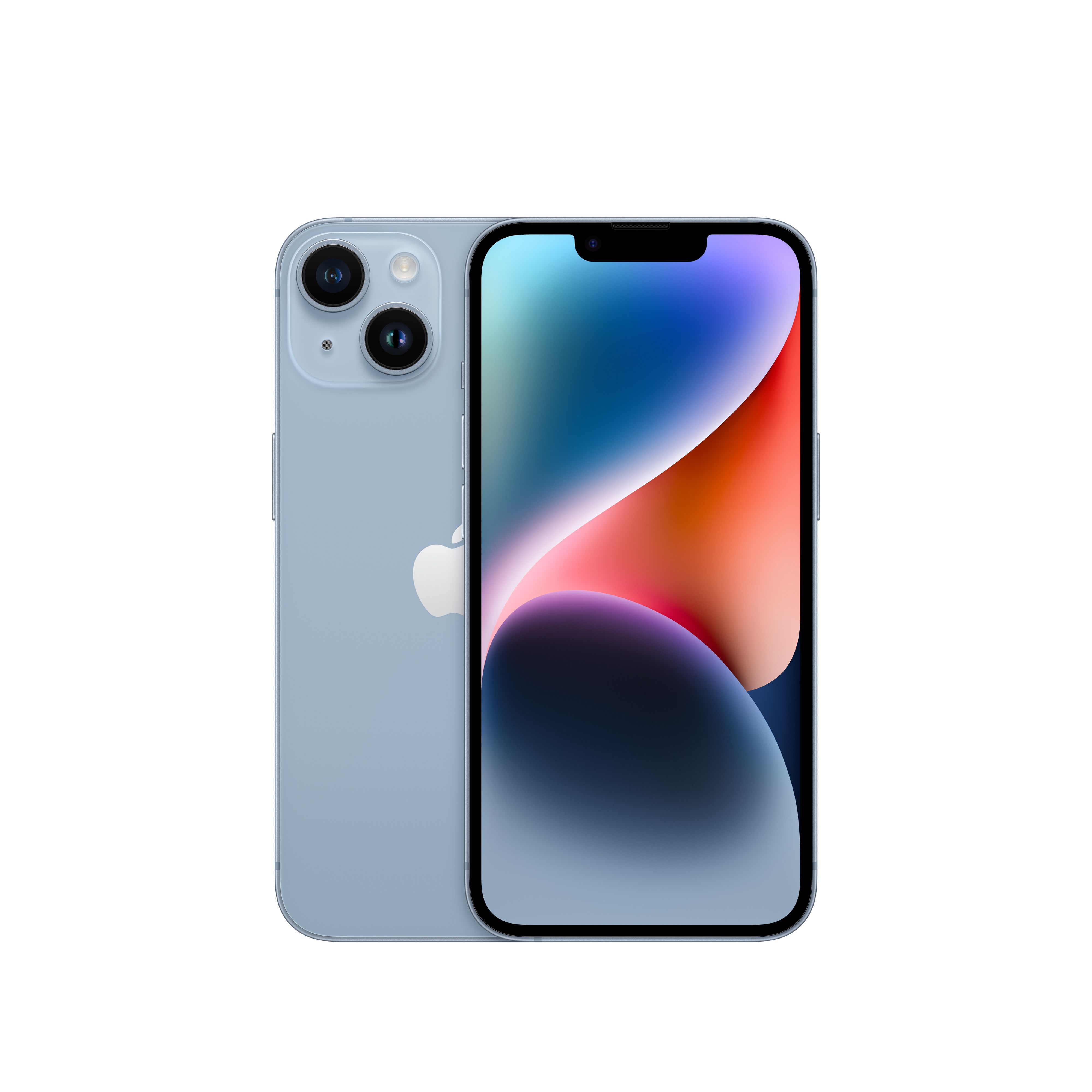
The iPhone 14 is the priciest on this list, but if you can stretch your budget it offers the longest software support and most up-to-date experience among these cheaper Apple options.
The iPhone 14 is the most modern handset in this line-up, so it offers the best prospects for long-term iOS support and future security updates. At £469 for 128GB, it is hardly cheap overall, but it is good value in Apple terms, especially if you plan to keep your phone for many years. Its 5 out of 5 score from owners suggests it delivers on expectations for speed, camera quality and overall polish. If you want a cheaper way into the current Apple experience without paying for the very latest generation, this is the model that will age most gracefully.
The iPhone 14 is comfortably the most expensive option on this page, so it will not suit the tightest budgets. If you mainly use your phone for light tasks, you may not notice enough difference over the iPhone 13 to justify the extra cost. Being closer to the flagship end of Apple’s pricing, it also narrows the gap to completely new top-tier models that might occasionally be discounted. For buyers simply wanting the cheapest route into iOS, one of the older handsets here will do the job for less.
Best for buyers who can stretch their budget a bit further and want the longest-lasting, most up-to-date iPhone on this cheaper list. It suits heavy users, content creators and anyone who relies on their phone for work, because its newer hardware and longer update window make it a safer long-term bet. If you tend to keep your phone for four years or more, the iPhone 14’s extra lifespan may actually work out cheaper over time. It is also a great upgrade for older iPhone owners who want a big improvement without paying full flagship prices.