Home » Best cheap hi-fi systems worth buying in 2026
A good hi-fi system doesn’t have to cost a fortune. The latest budget models offer Bluetooth, solid sound and easy controls, all for far less than a full separates setup.
This guide focuses on the cheapest hi-fi systems in 2026 that are still genuinely worth buying. We’ve picked models that keep the price down but don’t feel flimsy or underpowered for everyday listening.
You’ll find everything from ultra-affordable compact units to punchier mini systems that cost a little more but offer far more volume for the money. Each pick has its own strengths and compromises, so you can decide what matters most for your home and budget.
These recommendations are based on real-world data like specifications, owner ratings and long-term feedback, not just which model is cheapest on the day. We pay close attention to how many reviews a system has and how consistently owners rate sound quality, reliability and ease of use.
Price is always a priority here, but we filter out weak performers that look like a bargain upfront yet disappoint later. The aim is to highlight hi-fi systems that feel like sensible, good-value purchases rather than false economies.
By focusing on trusted brands and models with proven satisfaction scores, we can steer you towards cheaper hi-fi systems that should still be enjoyable to live with for years.
We started by looking at the lower end of the hi-fi system price range, concentrating on compact and mini hi-fi units that keep costs down while still offering Bluetooth and everyday convenience. From there, we set aside models with poor feedback or obvious build-quality concerns.
Customer ratings played a big role. Systems with high scores and plenty of reviews were prioritised, as they suggest reliable performance over time. We also considered power output and basic flexibility, so you can pick between neat low-power units for background listening and gruntier systems that can hold their own at a party.
Where possible, we’ve included a spread of options at different price points within the budget bracket. Some are chosen because they’re among the very cheapest that still sound decent, while others cost a little more but deliver significantly more volume and impact for only a modest extra spend.
All of them are cheap for what they offer, but they’re here because they balance that low price with everyday usability and solid owner satisfaction.
Below are the budget hi-fi systems that stand out for value in 2026. Every model offers Bluetooth streaming and straightforward controls, making them easy upgrades over a basic speaker.
The first pick is the best overall value buy, while later options add more power or presence for only a little more money. That way you can decide whether absolute lowest price or extra performance is the better deal for your home.
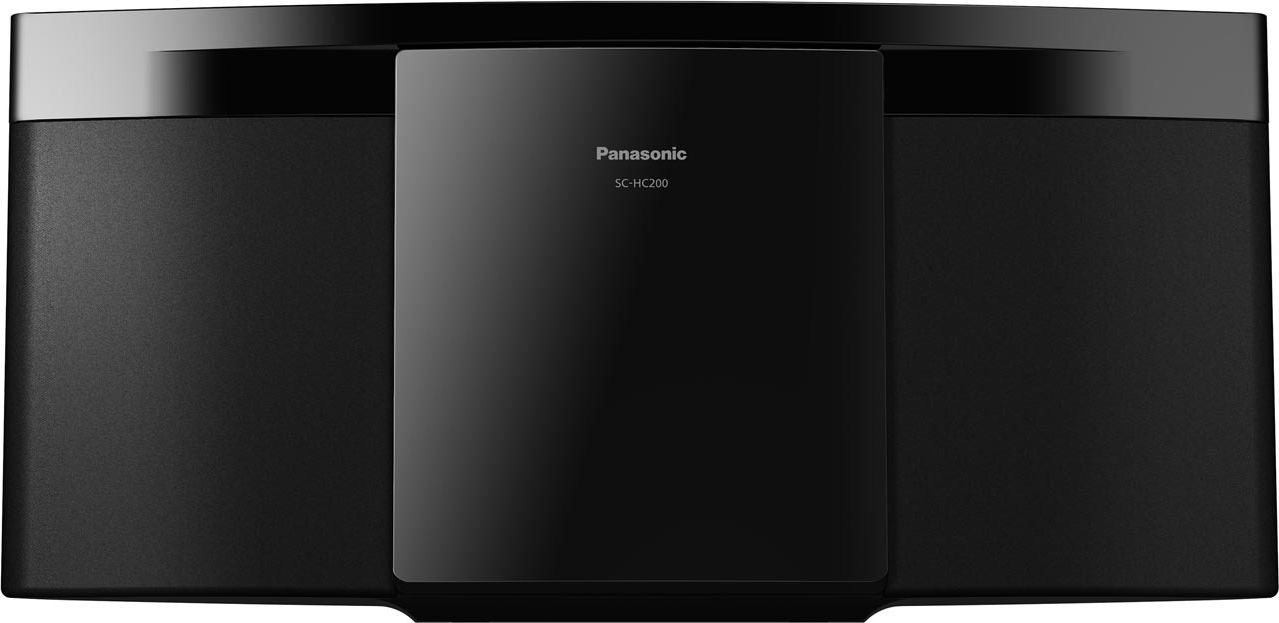
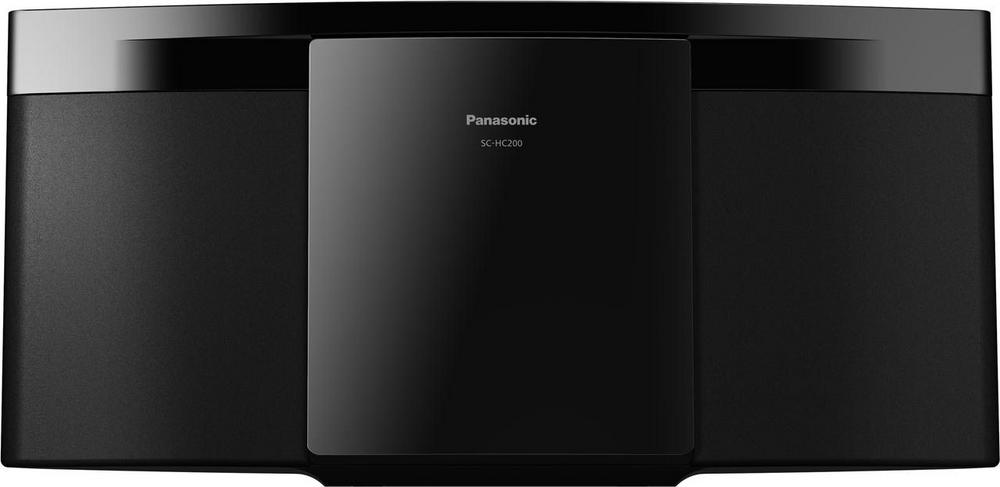
A slim, 20W Panasonic micro hi-fi that keeps costs to a minimum while still delivering Bluetooth streaming and clear, everyday sound. Ideal if you want a neat, reliable system for background listening without spending much.
For a budget hi-fi, this Panasonic 20W system is very attractively priced, often sitting among the lowest-cost branded options. Despite the modest power rating, owners rate it extremely highly, with a 4.7 out of 5 score from well over a thousand reviews, which is impressive for such an affordable unit. The slim, separate design makes it easy to slot onto a shelf or sideboard without dominating the room, ideal for flats, bedrooms or kitchens. Bluetooth connectivity means you can stream from your phone, tablet or laptop without faff, so it’s far more versatile than a basic radio or single speaker. For the money, it offers a nice blend of simplicity, brand reliability and everyday usability.
With only 20W of power, this Panasonic won’t suit anyone who wants thumping bass or party-level volume, especially in larger rooms. Its focus on keeping costs low also means you miss out on some of the extras found on more expensive systems, such as more advanced sound modes or wider connectivity options. If you plan to drive it hard at higher volumes, you may notice its limits compared with the beefier models further down this list.
This Panasonic is ideal for smaller rooms, such as bedrooms, home offices or kitchens, where you mainly want background music and radio at sensible volumes. It suits buyers who care more about reliability, neat design and a rock-bottom price than earth-shaking power. If you’re upgrading from a basic Bluetooth speaker or ageing clock radio, it’s a straightforward, wallet-friendly step up.
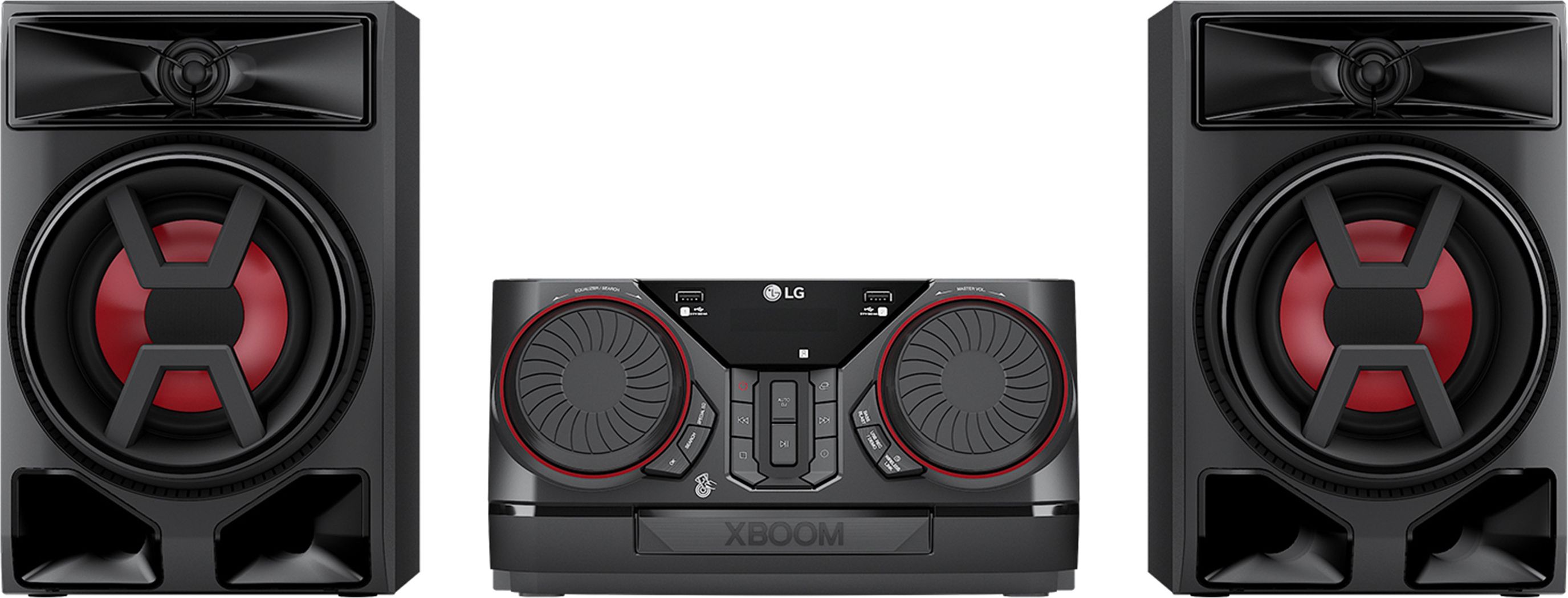
The LG xboom CK43N is a 300W mini hi-fi that focuses on volume and punchy sound at a surprisingly low price. A strong choice if you want budget-friendly kit that can easily fill a room.
With a quoted 300W of power, the LG xboom CK43N is built to go louder and sound fuller than most ultra-cheap systems, making it great value if you like your music with a bit of impact. Bluetooth is on board, so it’s easy to stream playlists straight from your phone, and the mini hi-fi format usually brings handy extras like multiple inputs and basic sound modes. At around the £100 mark, it undercuts many similarly loud systems while still coming from a major brand, which is reassuring. Its 4.4 rating suggests most buyers are very happy with the performance, especially given the low price for this level of power.
The emphasis on power and volume means the CK43N is more about fun, energetic sound than ultra-refined detail, so audio purists may find it a bit coarse compared with higher-end systems. Review numbers are still relatively low, so while the rating is positive, there’s less long-term feedback than with some rivals. It’s also physically bulkier than a slim micro system, so you’ll need more space to give it a proper home.
The LG xboom CK43N is well suited to students, shared houses or anyone who wants a budget-friendly system that can handle parties, film nights and gaming sessions. If you’ve got a medium to large living space and like turning the volume up at weekends, its high wattage makes a lot of sense. It’s also a good fit if you don’t want to spend big on separates but still want a ‘proper’ hi-fi presence.
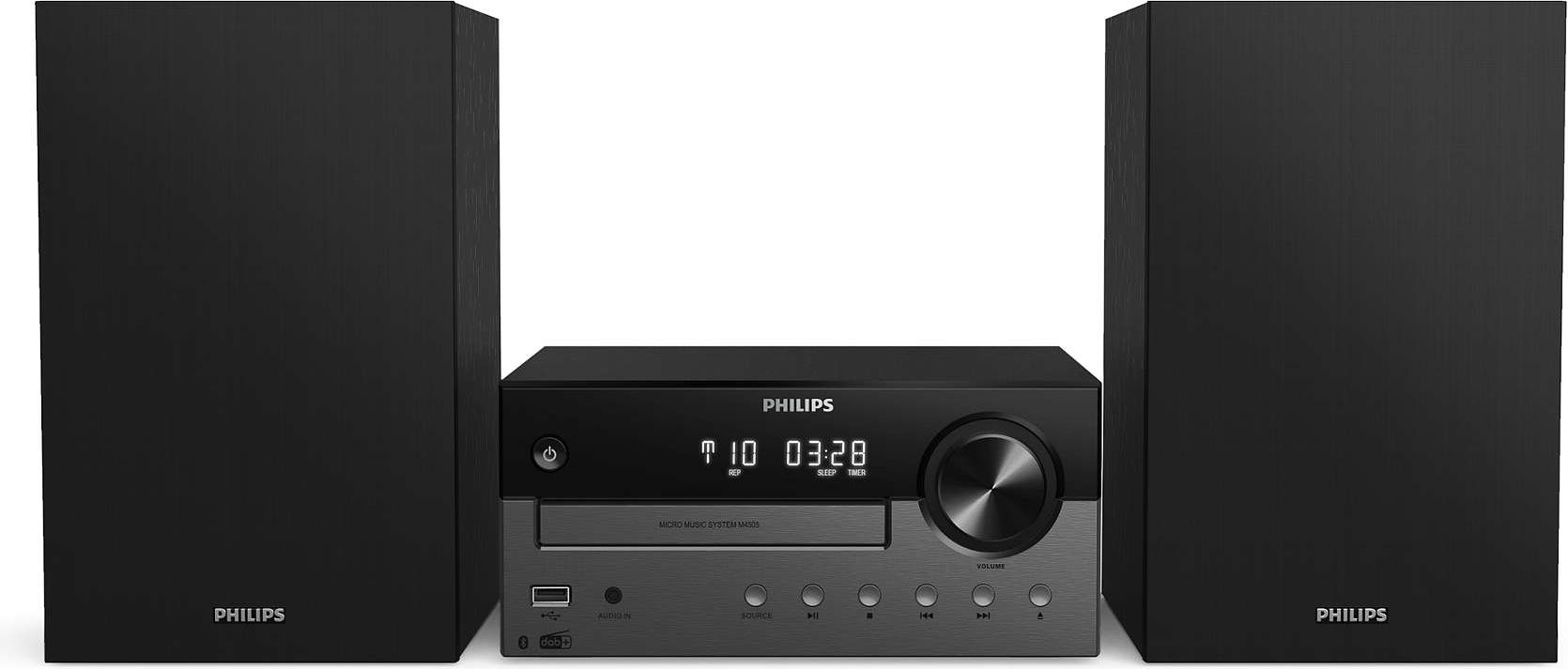
This 60W Philips hi-fi system offers a useful step up in power and presence over the very cheapest mini systems, while staying firmly in budget territory. It’s a good middle ground if you want more oomph without going all-out party.
The Philips 60W hi-fi sits in a sweet spot between low-powered micro systems and big party rigs, giving you more presence and headroom than the tiniest units while staying affordable. A 4.5 out of 5 rating from a solid number of reviews suggests owners are impressed by both sound quality and ease of use. Bluetooth support keeps it modern and convenient, perfect for streaming from phones, while the extra power means it should handle larger rooms more comfortably than a basic compact system. For households that want a noticeable step up without spending a lot more, it represents good value for what you get.
Although more powerful than the very cheapest compacts, the Philips 60W system still won’t match the sheer volume and bass weight of the 300W options on this page. It tends to cost a little more than the absolute entry-level picks, so if you only ever listen quietly in a small room, you may not fully use the extra headroom you’re paying for. The mid-range price also means you’re in touching distance of more feature-rich systems if you’re willing to stretch a bit further.
This Philips system is a smart choice for families or couples who want one main hi-fi for the living room without blowing the budget. It works well if you listen at mixed volumes, from background radio during the day to more focused listening in the evening. If you’re unsure whether a tiny compact or a full-on party system is right, this is a comfortable, good-value middle ground.
Essentially another listing of the LG xboom CK43N, this gives you the same high-power budget sound in a mini hi-fi format. Worth considering if you like the LG approach and find it at a keen price.
This LG xboom CK43N listing again gives you access to a 300W mini hi-fi at a budget-friendly price, which is hard to ignore if volume and party potential are high on your list. The xboom branding is focused on lively, bassy sound, making it a fun, entertainment-first choice rather than a purely background system. Its 4.2 rating indicates generally positive feedback, especially considering the price level for this amount of power. For anyone who spots it at a discount, it can be a very cost-effective way to get a big, bold sound into a living room or games room.
Because this is effectively the same CK43N hi-fi as another listing, there’s little to differentiate it apart from price and availability on the day. Its 4.2 rating is decent but not as strong as some rivals here, which may give cautious buyers pause. Like the other xboom option, its size and styling won’t suit those after a discreet, slimline unit for a minimalist space.
The alternate LG xboom CK43N listing is ideal if you’ve already decided the xboom sound and styling appeal but are shopping around for the best deal. It suits people who value loud, lively playback for parties and gatherings over compact size or subtle looks. If you spot it on offer, it can be a very cost-effective way to get a powerful hi-fi into a busy household.
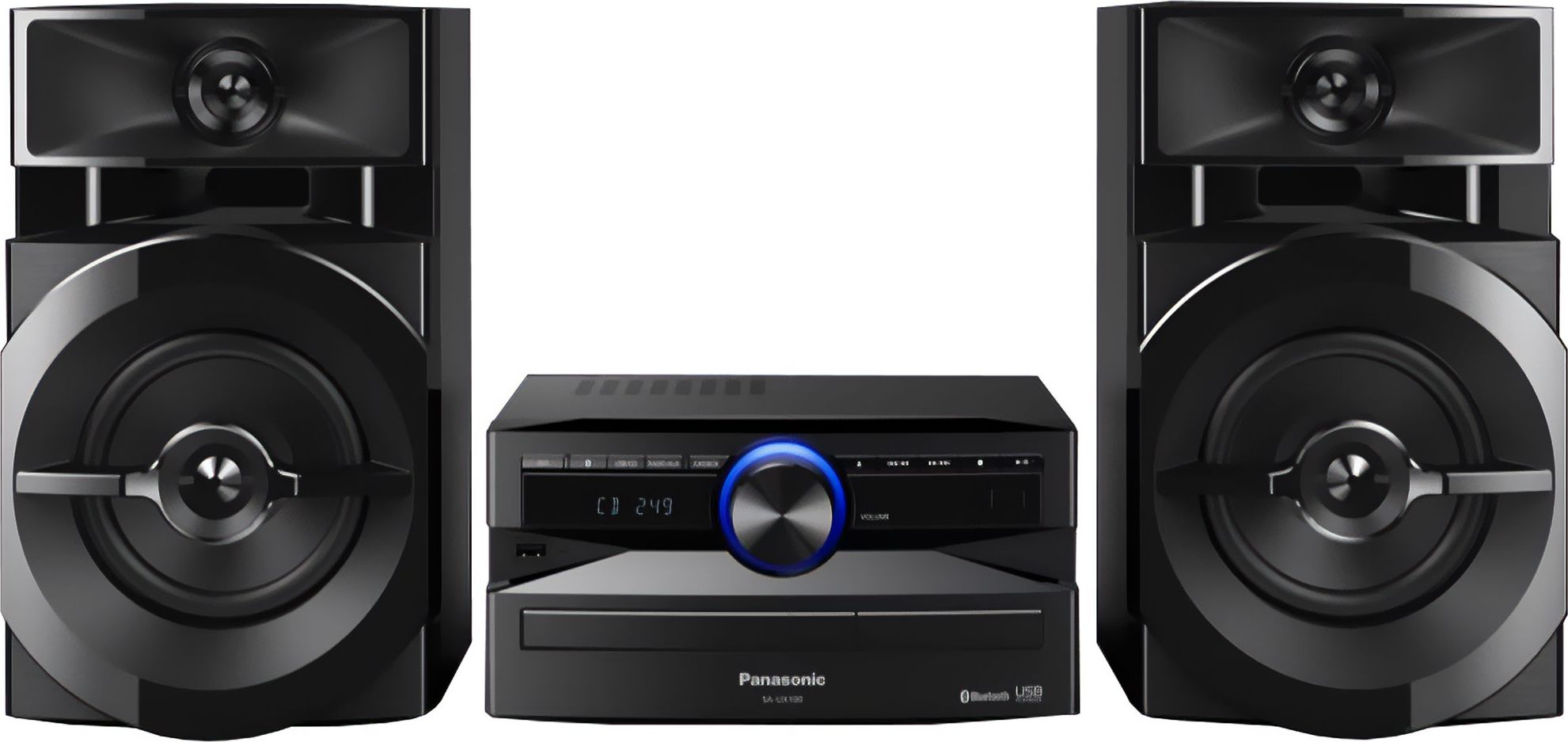
Panasonic’s UX100 delivers a hefty 300W output and crowd-pleasing sound for a relatively modest price. It’s a great pick if you want a powerful, fun-sounding hi-fi that still counts as budget-friendly.
The Panasonic UX100 offers a full 300W output, giving you plenty of volume and punch for parties or larger rooms while still being firmly in the budget camp. Owners clearly rate it, with a strong 4.7 out of 5 score and hundreds of reviews backing up its reputation for enjoyable, powerful sound. Bluetooth makes everyday use straightforward, and the mini hi-fi form factor generally brings a good mix of inputs and controls. At around the mid-£100s, it feels like a lot of hi-fi for the money, particularly if you enjoy bass-heavy tracks and want something that can properly fill a space.
The extra power and more substantial cabinets mean the UX100 takes up more space and looks more like a party system than a discreet micro hi-fi, which won’t appeal to everyone. It also costs noticeably more than the very cheapest compact Panasonic on this list, so ultra-tight budgets may prefer to sacrifice some power for a lower upfront price. Those looking for audiophile refinement or advanced streaming features will need to spend more on higher-end gear.
Panasonic’s UX100 is perfect if you want a do-it-all budget hi-fi that can handle both everyday listening and proper party duties. It suits larger rooms, open-plan spaces or anyone who likes their music with plenty of bass and impact. If your budget can stretch beyond the very cheapest compact systems, this offers a strong balance of power, brand reputation and owner satisfaction.
