Home » Best cheap mobile phones worth buying in 2026
Cutting your mobile bill does not have to mean living with a frustrating phone. The cheapest mobile phones in 2026 can still be easy to use, reliable and perfectly capable for everyday calls and texts.
This guide focuses on the best genuinely budget-friendly mobiles, from ultra-simple feature phones to basic smartphones. They are not about flashy specs or top-tier cameras – they are about keeping upfront costs low while still feeling like sensible purchases.
We have narrowed things down to a small shortlist of the best-value options, each with its own strengths. Some are all about the lowest possible price, others cost a little more but give you a more modern experience for only a few extra pounds.
These recommendations are based on real-world factors that matter when you are buying at the cheaper end of the market: price, owner ratings and practical features. We look closely at how each phone balances cost with the basics you actually need, like clear calls, straightforward controls and enough storage for everyday use.
We pay particular attention to customer scores and the number of reviews, so lightly used but highly rated phones are not overlooked in favour of better-known models. When a phone is very cheap, we scrutinise the compromises it makes to avoid suggesting something that will feel like a mistake a few months down the line.
Our aim is simple: to highlight lower-priced mobiles that still feel like dependable companions, not disposable stopgaps.
We started by looking at the cheaper end of the mobile phone range, focusing on models that bring the price right down without becoming awkward to live with. That includes basic feature phones for pure calling and texting, as well as entry-level smartphones that give you apps and data on a tight budget.
Any model with worrying feedback or very poor ratings was pushed aside. Instead, we favoured phones with solid scores for reliability and usability, especially where there were plenty of customer reviews to back them up. For newer or more niche models with fewer ratings, we looked closely at the brand’s track record and the type of user they are designed for.
We also tried to cover different needs: ultra-low-cost backup phones, easy-to-use options for older users, and simple smartphones for those who still want apps and internet access. All of them are cheap by 2026 standards, but they have been picked because they still make sense to live with every day.
Below you will find our top cheap mobile picks for 2026, ordered from the strongest all-round value at the lowest prices. The first models are ideal if your priority is simply spending as little as possible, while those slightly further down the list cost a touch more but offer extra features, storage or a more modern smartphone feel.
Whichever you choose, you are getting a mobile that keeps costs down without giving up the basics, so you can match your choice to your budget and how you actually use your phone.
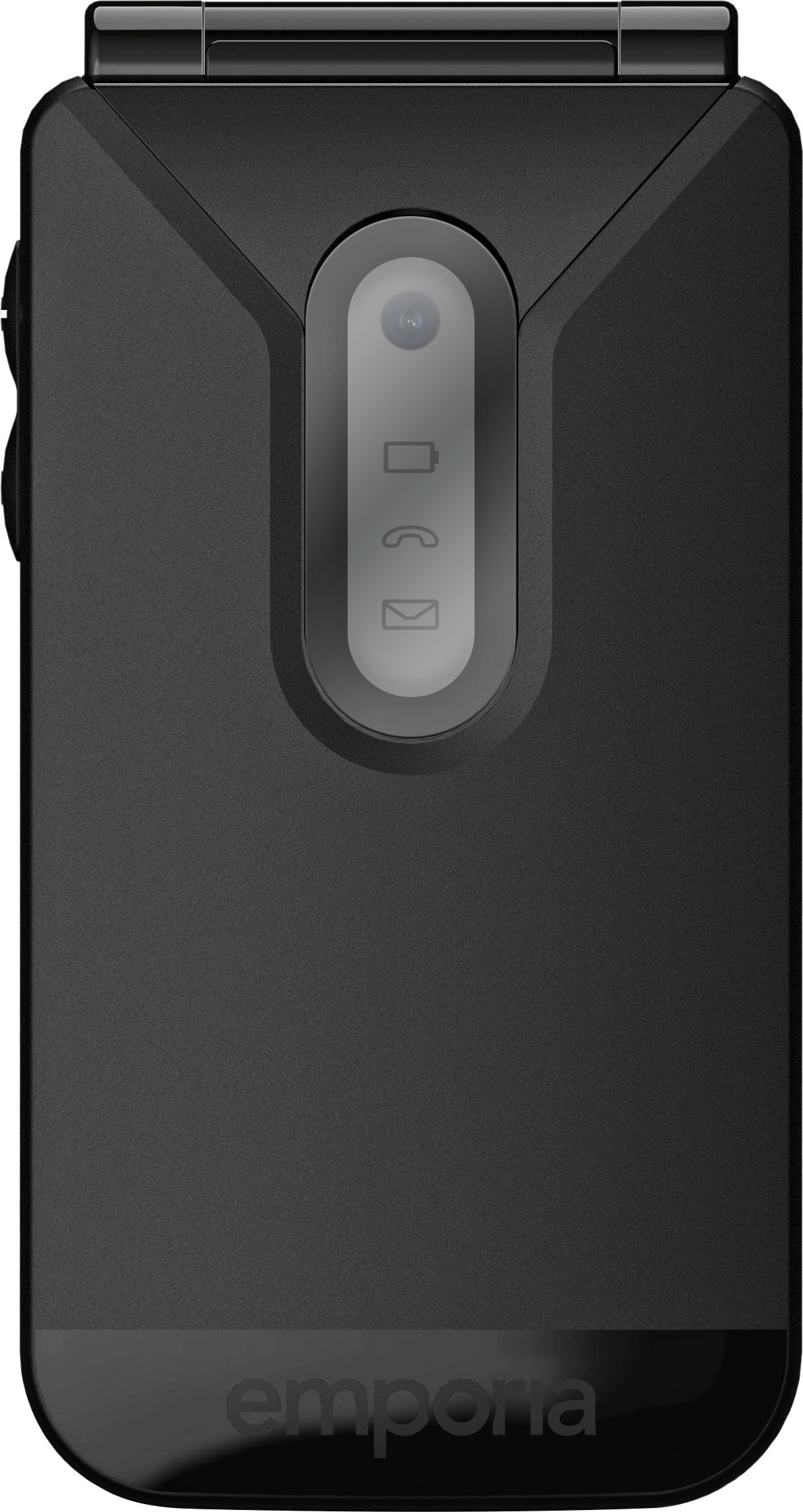
The Emporia emporiaTALKglam is one of the cheapest flip phones you can buy, designed for fuss-free calling and texting with a classic clamshell design. It is ideal if you want a straightforward mobile at the lowest possible price.
At around £33, the Emporia emporiaTALKglam is one of the most affordable mobile phones currently available, which makes it perfect as a back-up or for users who just want the basics. The flip design helps protect the screen and keys when it is in a pocket or bag, and ending a call is as simple as closing it. Emporia specialises in straightforward, easy-to-use phones, so the menus and layout are typically clear and uncluttered compared with many cheap smartphones. For the money, it delivers exactly what many people need: reliable calls and texts without distractions.
There are currently no customer reviews, so it is harder to judge long-term reliability compared with more established models. As a basic flip phone, it will not suit anyone who wants apps, email or maps on the go. The very low price also means you should not expect premium materials or advanced extras.
Ideal if you want the absolute lowest upfront cost and only really care about calls and texts. It suits older users or anyone who prefers physical buttons and a familiar flip design over touchscreens. It is also a great choice as a spare or emergency phone to keep in a car, bag or drawer.
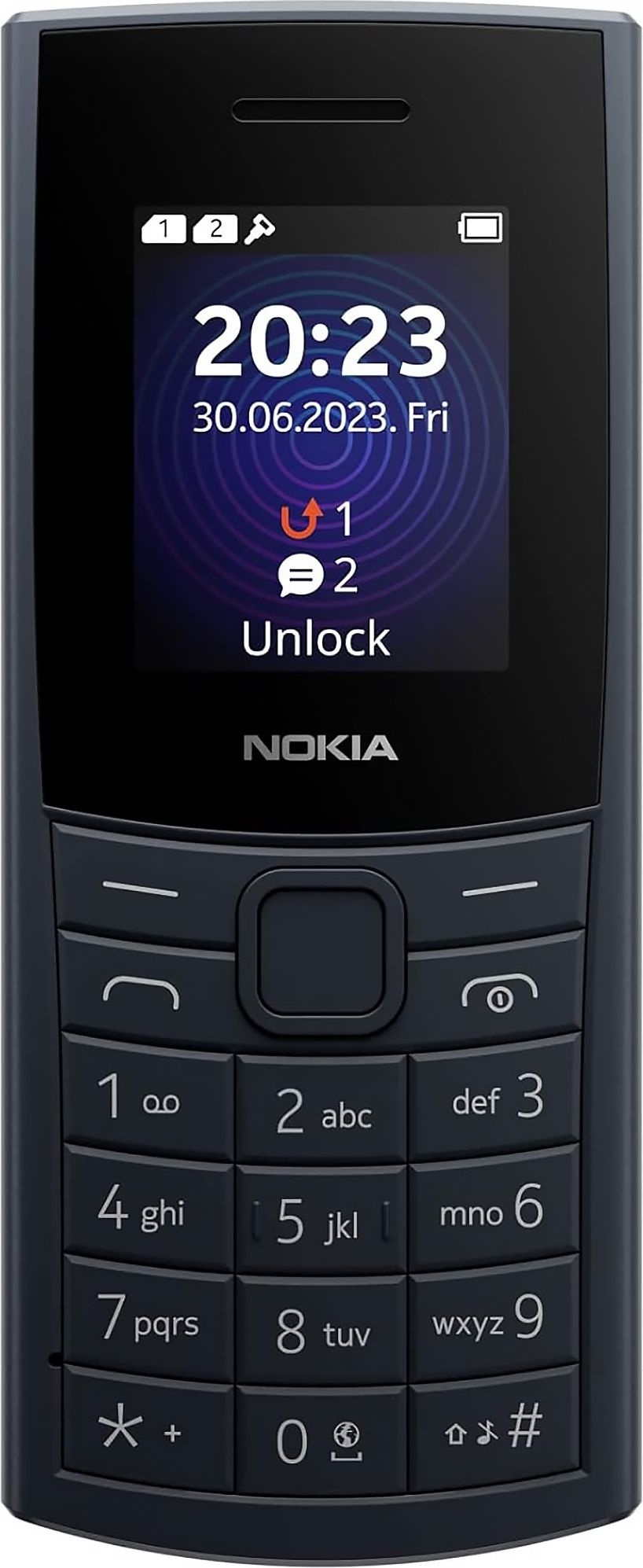
The Nokia 110 4G 2nd Edition is a simple, low-cost phone with 4G connectivity and a long-standing brand behind it. It keeps things basic but dependable, making it a strong everyday choice on a tight budget.
The Nokia 110 4G 2nd Edition combines a very low price with the reassurance of a household name brand. With a 3.4 out of 5 rating from over a hundred reviews, it has been tried and tested by a wide range of users, which is reassuring when you are buying at the budget end. 4G connectivity means clearer calls and better coverage than older 2G-only feature phones, helping it stay usable for longer as networks evolve. It keeps the interface refreshingly simple, so it is easy to navigate even if you are not comfortable with full-blown smartphones.
The 3.4 out of 5 rating is decent but not outstanding, suggesting there are some niggles among owners, perhaps around performance or build. It is still very much a feature phone, so if you need regular access to apps or browsing, you may find it limiting. The design and interface are functional rather than exciting, which may not appeal if you are used to modern smartphones.
Best for buyers who want a cheap, everyday phone from a trusted brand and do not need full smartphone features. It suits anyone who values simple menus and 4G call quality, such as older relatives or children getting their first mobile. It is also a sensible option if you want a no-frills work or travel phone.
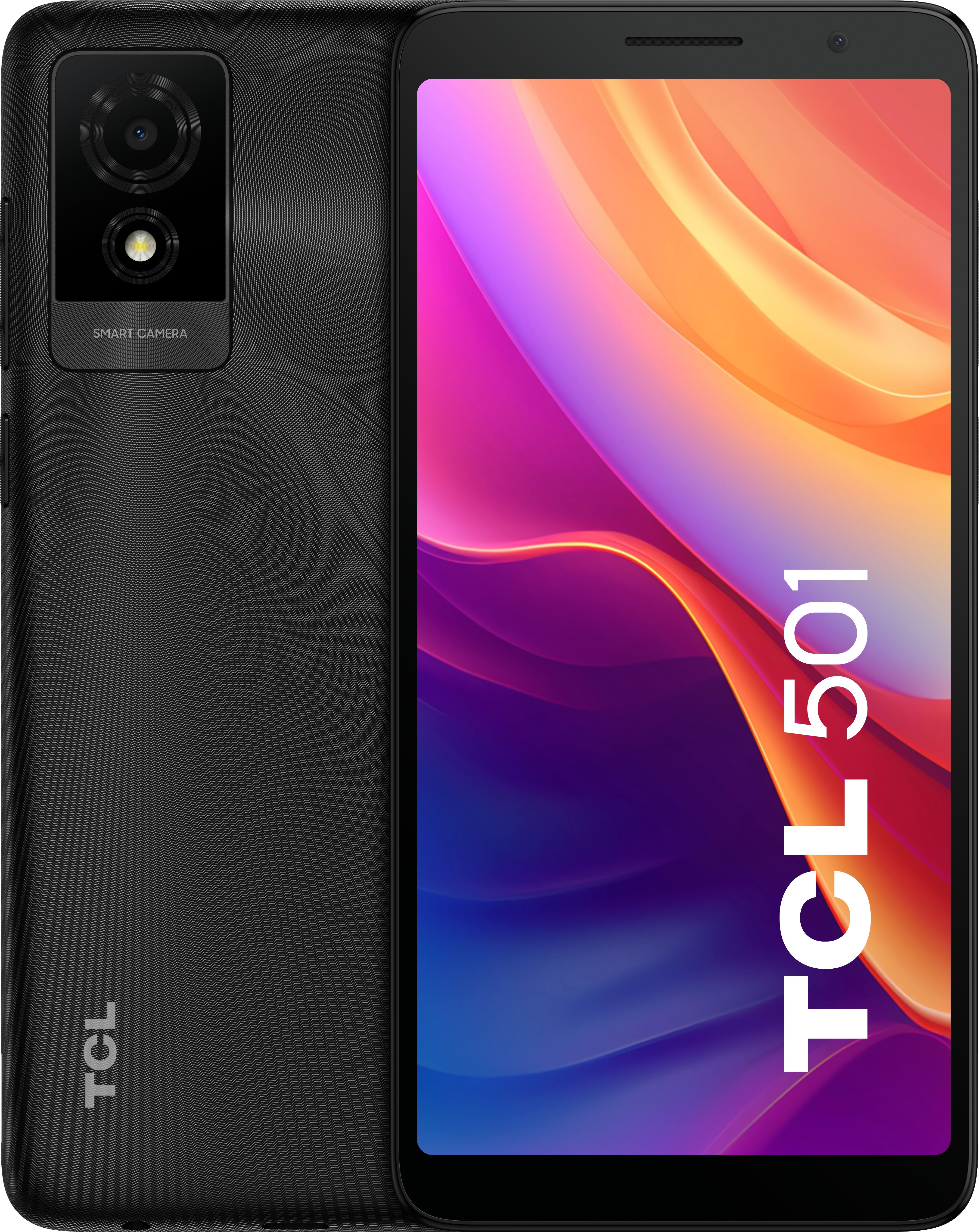
The TCL 501 is a true entry-level smartphone, giving you apps, data and a modern touchscreen for around the price of a basic feature phone. It is the best pick here if you want smartphone features without stretching your budget.
The TCL 501 stands out by offering a full smartphone experience for roughly £50, which is exceptional value if you want apps and internet access. With 32GB of storage, it gives you room for essential apps, photos and messages without feeling instantly cramped, which is a common issue on the very cheapest smartphones. A 3.6 out of 5 score from early reviews suggests a solid overall experience at this price point, especially if your demands are modest. It is a strong step up from basic feature phones while still being firmly in the budget bracket.
As an ultra-budget smartphone, the TCL 501 is unlikely to feel fast under heavy apps or gaming, so it is better suited to lighter use. Early review numbers are still quite low, so real-world reliability over time is not yet fully clear. The overall experience will not match mid-range or premium phones, so if you push it hard, you may prefer to spend more on a higher-specced device.
This is a strong fit for people who want to step into the world of smartphones on a very small budget. It works well for light users who mostly check messages, browse the web occasionally and use a few essential apps. It is also a good option for teenagers or as a temporary phone while you are between contracts.
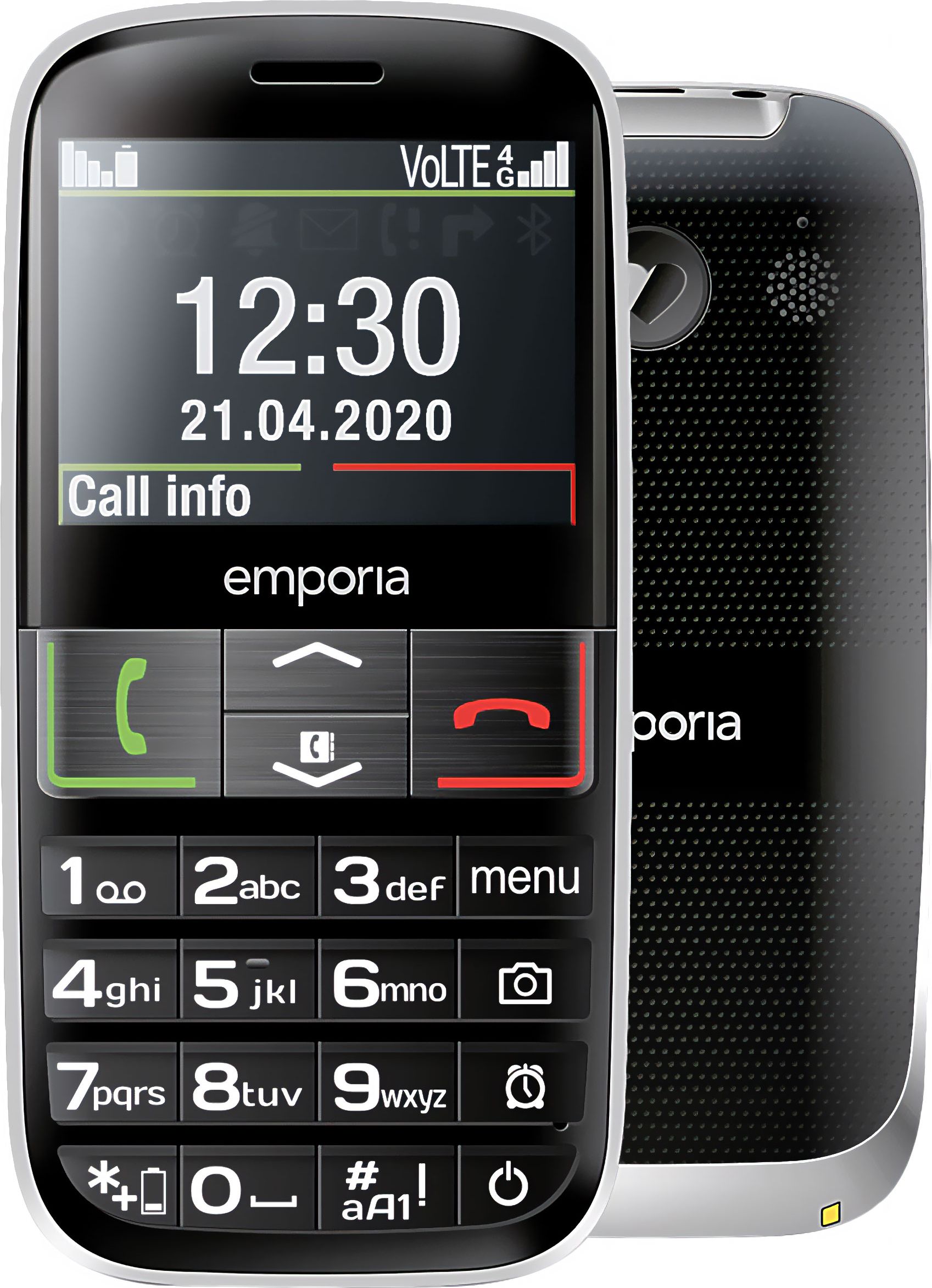
The Emporia EUPHORIA-LTE is a straightforward 4G phone focused on clear calls and easy operation. It suits anyone who wants simplicity and modern network support rather than bells and whistles.
The Emporia EUPHORIA-LTE is built around 4G calling and straightforward controls, ideal for people who care more about clear conversations than extra features. Emporia’s focus on simplicity usually means large, legible text and intuitive menus, which can be less intimidating for older users or anyone who dislikes complex smartphones. At around £50, it remains very affordable while giving you a modern network connection that should be supported for years to come. It is a sensible choice if you want a phone that just works, without the learning curve.
There are no customer ratings yet, so you are relying more on brand reputation than proven owner feedback. With just 128MB of onboard memory, it is not designed for storing lots of photos, media or apps. Anyone looking for smartphone capabilities or a high-quality camera will find it far too limited.
Ideal for users who mainly want a phone for clear 4G calls and basic messaging, without the complexity of a smartphone. It should suit older users who appreciate simple menus and physical controls. It is also a good fit if you are worried about network changes and want a basic handset that should stay compatible for longer.
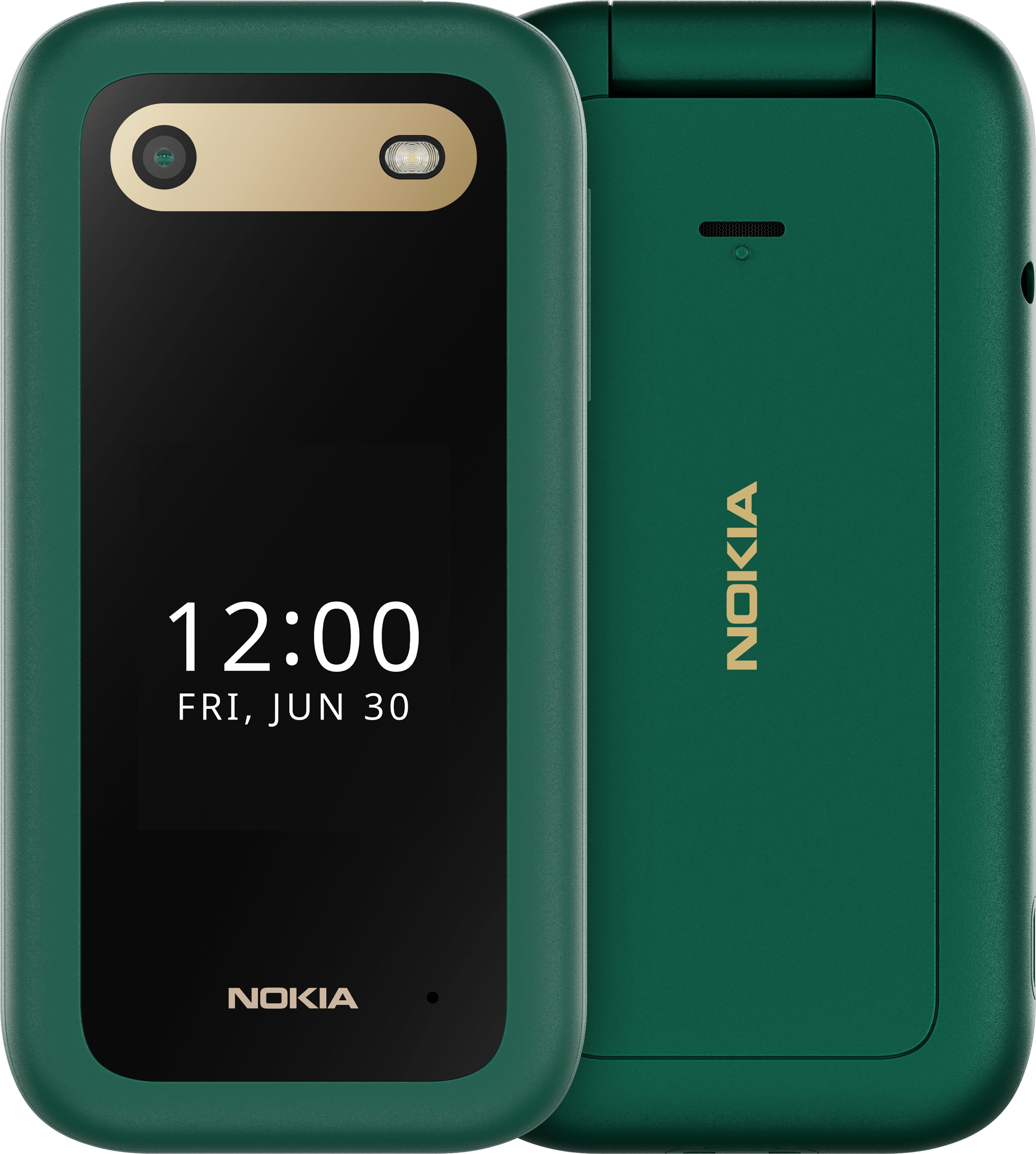
The Nokia 2660 is a flip phone with more storage and a bit more polish than the absolute cheapest models. It is a smart choice if you like the clamshell design but want a slightly more capable handset.
The Nokia 2660 brings the classic flip phone design up to date with 32GB of storage, so you can keep more texts, contacts and basic media than on ultra-cheap models. A 3.7 out of 5 rating from early buyers indicates a broadly positive experience, especially given its modest price. The flip format keeps the keys and screen protected and gives a satisfying way to answer and end calls. It strikes a nice middle ground between ultra-basic handsets and pricier smartphones, while still being comfortably in the budget category.
Although still affordable, it is notably more expensive than the very cheapest flip phones on this list, so it may not suit the tightest budgets. The rating, while positive, is based on a very small number of reviews so far, so opinions may change as more people use it. As with most flip phones, it remains basic for online use and will not replace a true smartphone for heavy app users.
Great for anyone who loves the flip phone style but wants a bit more storage and refinement than the very cheapest options. It suits users who like a tactile way to answer and end calls and want an easy-to-carry handset. It is also a good middle-ground choice if you find smartphones overwhelming but want something that feels a touch more modern.
