Home » Best cheap sanders worth buying in 2026
A good sander can transform scruffy doors, tired furniture and marked floors, but you do not need to spend a fortune to get one that does the job properly. This guide focuses on the best cheap sanders available in 2026, picking out models that keep costs down without feeling flimsy or underpowered.
We have narrowed things down to a small shortlist of budget-friendly options from trusted brands. Some are all about the lowest possible price, while others cost a little more but repay that extra spend with better comfort or versatility.
The aim is simple: help you pick a sander that feels like money well spent, not a false economy you will want to replace in a year.
These recommendations are based on real-world specs, pricing and owner ratings, not just whichever sander happens to be cheapest on the day. We look at power, brand reputation, user feedback and how each model will feel to live with on actual DIY projects.
The focus is on tools that balance cost with everyday usability. That means models that are straightforward to control, from brands known for dependable DIY kit, and with ratings that suggest most buyers are happy with their purchase.
We highlight genuinely cheap options that still make sense as a long-term buy, and we are open about the compromises, so you can decide where to save and where it might be worth spending a bit more.
We started by looking at the lower end of the price range for sanders from big-name manufacturers. From there, we filtered out models with poor feedback or obvious design issues, so you are left with options that are affordable but still reassuring to own.
Review scores and review counts helped us understand how each sander performs in real homes. Where a tool has strong ratings, that is usually a good sign that it is comfortable to use and holds up well over time, especially for weekend DIY.
We also considered how each sander fits into a typical toolkit. There is a strong emphasis on versatile, easy-to-handle models that work for common jobs like prepping doors, smoothing filler and tidying up furniture, so you are not paying extra for niche capabilities you will rarely use.
The end result is a compact list of cheap but capable sanders, ranging from the lowest-cost corded pick to a cordless option for those who value convenience enough to spend a little more.
Below you will find the budget sanders that stand out for value in 2026. Every model on this list comes from a trusted brand and offers enough power and control for typical DIY tasks.
Some are the outright cheapest options worth a look, ideal if you are watching every pound. Others sit a little higher in price but deliver smoother results, better ergonomics or the flexibility of cordless use, which can be worth it if you plan to use your sander regularly.
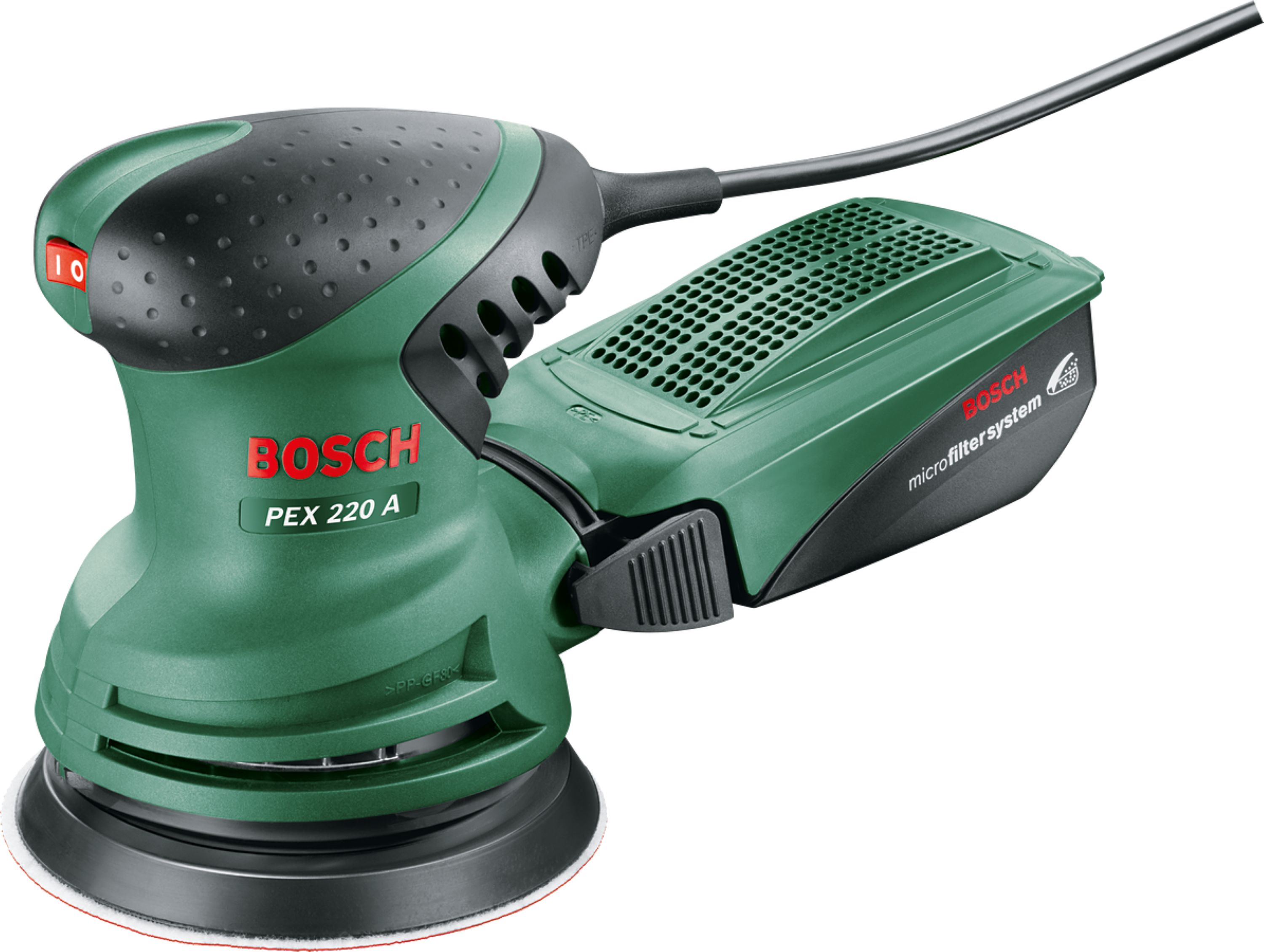
A no-nonsense Bosch random orbit sander at a very low price, ideal for light to medium DIY tasks if you want a trusted name without overspending.
For the money, the Bosch PEX 220 A is a very accessible way into random orbit sanding from a brand known for reliable DIY tools. Its compact design makes it easy to guide with one hand, so it is well suited to doors, shelves and smaller panels where control matters more than brute force. Being corded, you get consistent power without worrying about battery life, which is ideal for longer sanding sessions on a weekend project. A 4 out of 5 rating from owners suggests it performs well enough in real use to justify its budget price, especially if you are stepping up from sanding blocks or a very basic sheet sander.
As one of the cheapest branded sanders around, the PEX 220 A is fairly basic and will not offer the refinement or speed of material removal you would get from more expensive models. The modest number of reviews means the 4 out of 5 score, while encouraging, is based on limited feedback. If you expect to do very heavy sanding or large floor areas, you may find it slower and more tiring than a more powerful machine.
This Bosch is ideal for beginners and casual DIYers who want a simple, trustworthy sander for jobs like smoothing filler, prepping paintwork and tidying up furniture. It suits smaller homes or flats where space is limited and you do not need a bulky professional tool. If your budget is tight but you still want a recognisable name on the box, it is a sensible starting point.
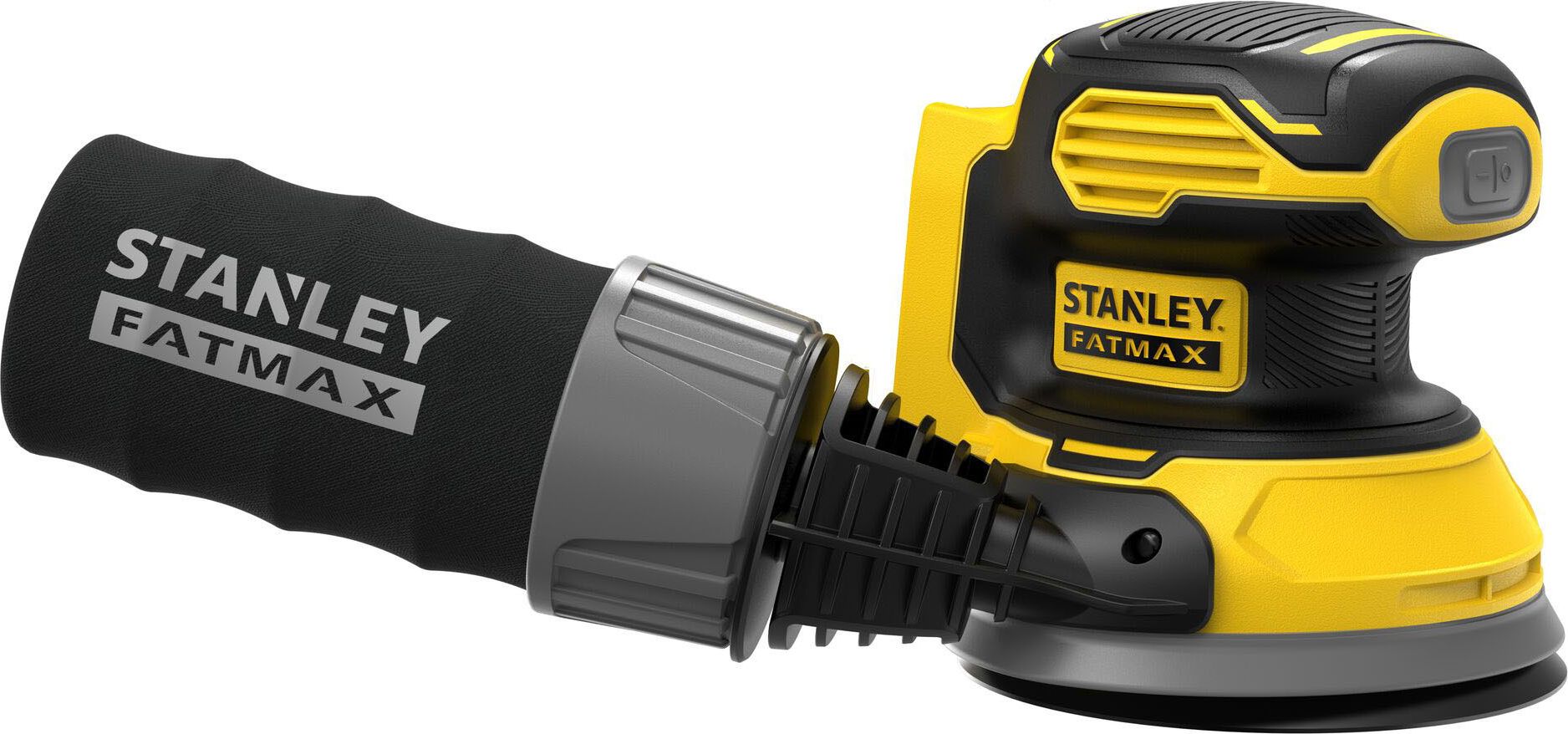
A wallet-friendly Stanley Fatmax cordless sander body, great if you are already in the brand’s 18V system and want sanding power without paying for another battery.
The Stanley Fatmax SFMCW220B-XJ offers cordless convenience at a price that is still accessible if you already own compatible batteries. Being part of the Fatmax 18V range means you can share power packs across multiple tools, which keeps overall costs down compared with buying separate kits. The cordless design makes it particularly handy for working outside, up ladders or anywhere a trailing cable would be awkward or unsafe. For DIYers gradually building a cordless toolkit, it is an affordable way to add sanding to your line-up without compromising on brand.
This version is supplied without a battery or charger, so if you are not already in the Stanley Fatmax ecosystem the true cost will be higher once you add those in. With no customer reviews yet, there is less real-world feedback to confirm how it feels over time compared with more established models. As a budget cordless tool, you should also expect a bit less refinement than premium professional sanders, particularly for intensive daily use.
The Stanley Fatmax SFMCW220B-XJ is best for DIYers who already own, or plan to own, other Stanley Fatmax 18V tools and therefore have batteries to hand. It is a good match for people who work around the house and garden, where the lack of a cable makes life easier. If you are aiming to build a flexible cordless kit over time, this is a cost-effective way to add sanding into the mix.
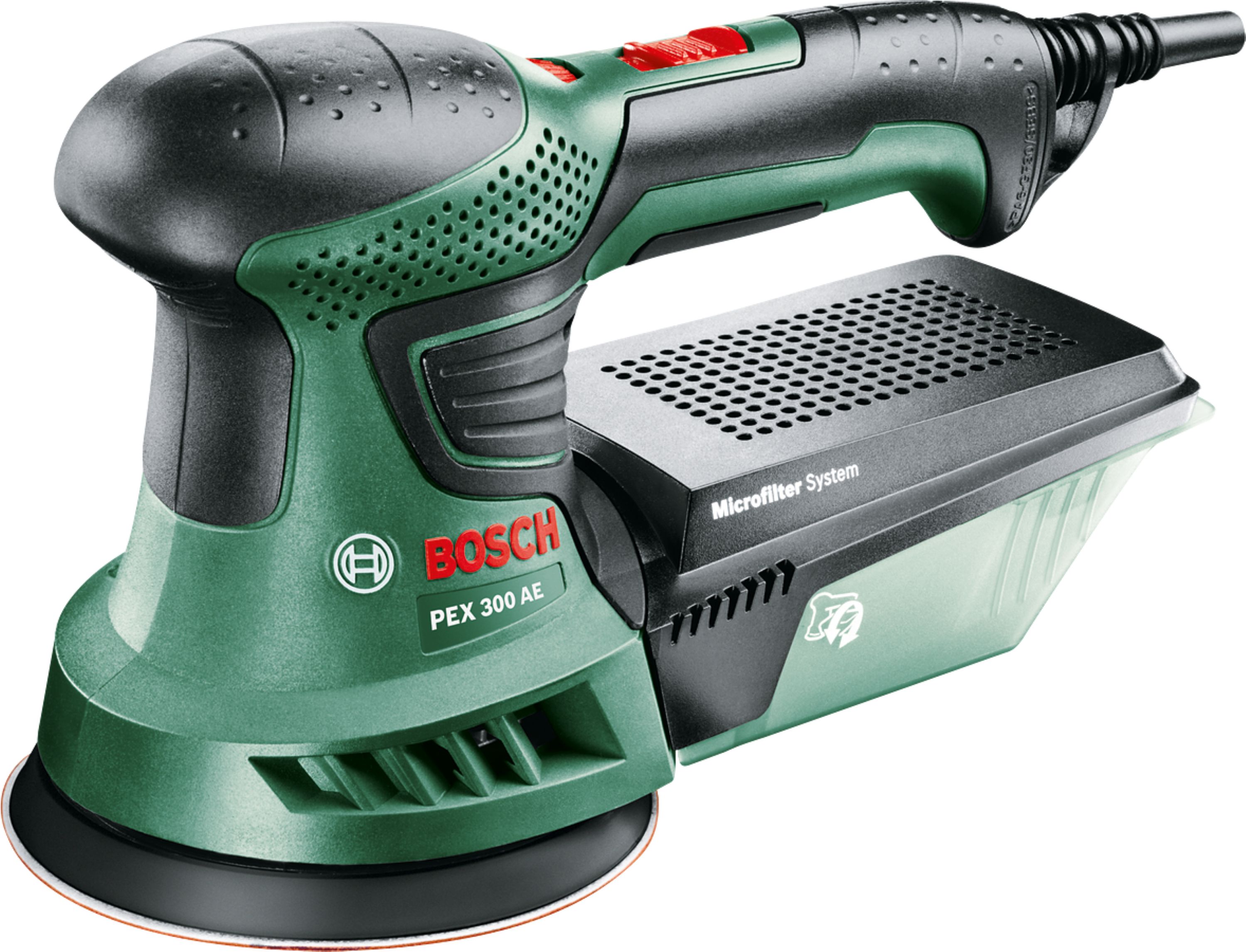
A step up from entry-level, this Bosch sander justifies the small extra outlay with smoother results and a reassuring top customer rating.
The Bosch PEX 300 AE positions itself as a slightly more capable sibling to basic budget sanders, and that is reflected in its very strong 5 out of 5 owner rating. That score suggests it feels smooth, effective and well balanced in the hand, which can make a real difference on longer jobs. Spending a little more over the very cheapest models typically buys you better vibration control and more refined results, and this Bosch fits neatly into that sweet spot. For DIYers who sand regularly, the extra comfort, control and perceived build quality make it very good value rather than a luxury.
The PEX 300 AE does cost more than the very cheapest Bosch sander, so if you only have the odd small job to do you may not use its extra capability to the full. With just a single review so far, its perfect score, while promising, is based on limited owner experience. It is still a corded tool, so you need to live with a cable and nearby socket, which some users may find less convenient than going cordless.
Choose the Bosch PEX 300 AE if you are happy to spend slightly more than rock-bottom prices in return for a smoother, more satisfying sanding experience. It is well suited to regular DIYers who take on furniture upcycling, door refurbishments or more frequent decorating projects. If you care as much about comfort and finish quality as you do about initial cost, this model sits in a very appealing middle ground.
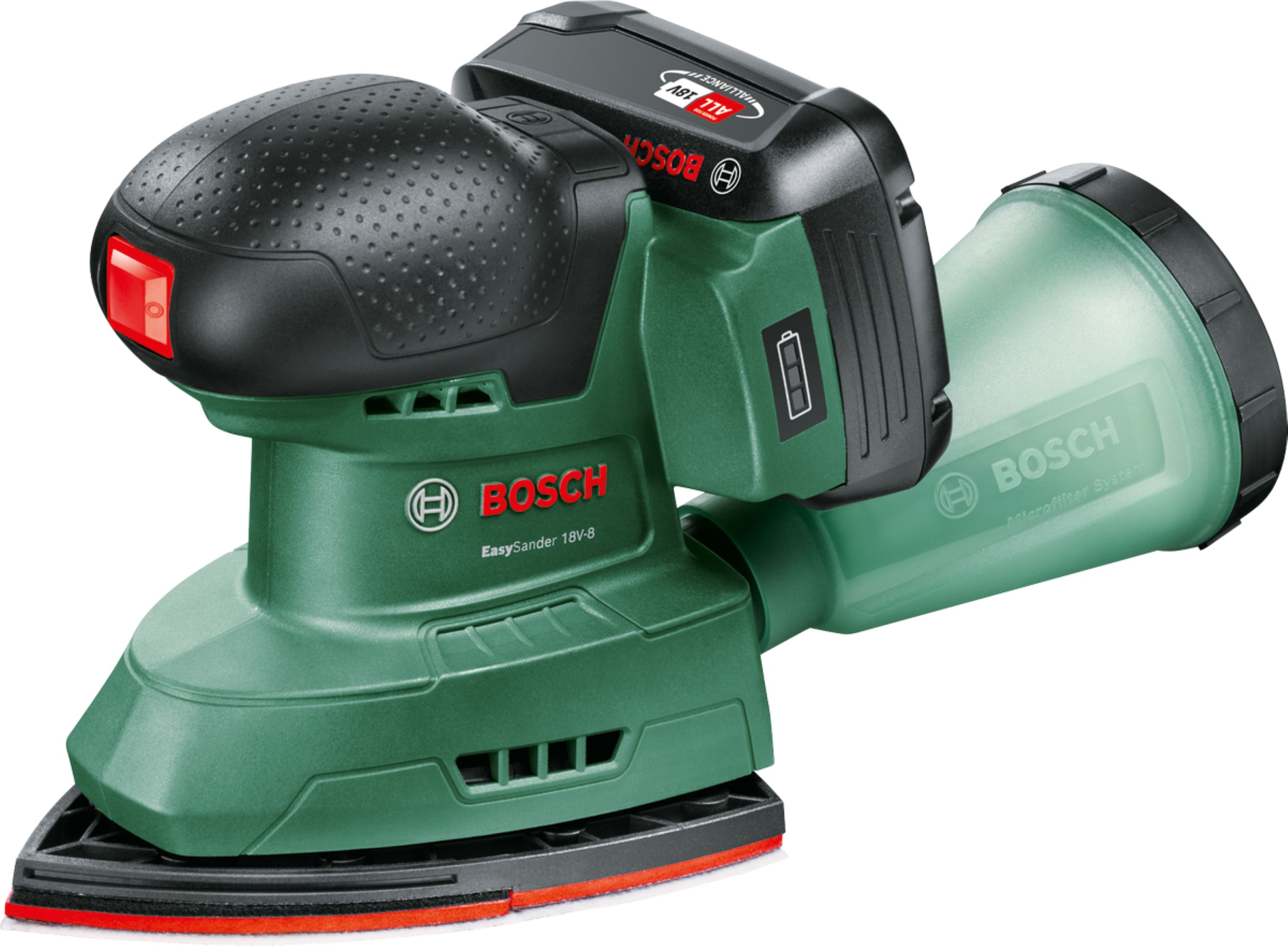
A compact Bosch cordless sander supplied with battery, aimed at DIYers who value freedom from cables but still want to keep the overall spend under control.
The Bosch EasySander 18V-8 kit gives you a cordless sander plus battery in one box, which is ideal if you are not already invested in an 18V system. Cordless freedom makes it far easier to move around furniture, work outside or tackle odd jobs without hunting for an extension lead. As part of Bosch’s popular DIY range, it should benefit from the brand’s experience in making compact, user-friendly tools that do not intimidate occasional users. While it is the priciest option on this list, you are paying for the flexibility of cordless working and the included 2.5Ah battery, so overall value can still be strong if you plan to add more Bosch tools later.
At this price it is noticeably more expensive than the basic corded sanders on the list, so you are largely paying for cordless freedom rather than a big leap in sanding performance. There are currently no customer reviews, so there is little direct owner feedback on battery life and comfort in extended use. If you only sand occasionally and usually near a plug, a cheaper corded model may make more financial sense.
The Bosch EasySander 18V-8 kit is ideal for anyone who wants a grab-and-go cordless sander with everything included in the box. It suits homeowners who often work away from sockets, such as on outdoor furniture, sheds or fencing, and who prefer to avoid trailing leads. If you are starting to build a Bosch cordless collection, it is a practical first or second tool that keeps you within a sensible overall budget.
