Home » Best cheap smart speakers worth buying in 2026
Smart speakers have become the simple way to add music, radio and voice control to any room, but you do not have to spend a fortune to get something genuinely useful. The best cheap smart speakers in 2026 still give you clear sound, handy timers and alarms, and an easy way to control lights or plugs with your voice.
Here we have focused on models that keep the price sensible while still feeling polished enough for everyday use. That means reliable voice assistants, decent sound for the size and reassuring owner feedback where available.
You will find everything from compact, affordable units ideal for bedside tables and kitchens, up to more powerful speakers that cost a bit more but deliver much better audio. The aim is to help you pick the smart speaker that suits your home and budget, not just the absolute lowest price tag.
These recommendations are based on a close look at real-world factors such as price, features and owner ratings, rather than simply listing the cheapest speakers we could find. We prioritise models that feel pleasant to live with every day, even if they cost a few pounds more than the rock-bottom options.
We pay particular attention to sound quality for the size, the strength of the voice assistant, and how consistently a speaker performs according to customer feedback. If a product is affordable but appears frustrating or unreliable, it does not make the cut.
The result is a shortlist of cheaper smart speakers that still come across as sensible, long-term purchases. They are not the flashiest or most powerful models in the range, but they should feel like money well spent rather than a compromise you regret.
We started by looking at the more affordable end of the smart speaker market, focusing on models that undercut the typical full-size premium speakers. From there, we filtered out speakers that lacked essential features, such as a modern voice assistant or app support, or that offered poor value compared with slightly more expensive rivals.
Customer ratings and review counts were key, especially for speakers positioned as budget-friendly. High scores backed by a decent number of reviews suggest a product that performs well in real homes, not just on paper. Where review numbers are low, we treat them as early impressions rather than firm verdicts and call that out.
We also considered how each speaker fits into a home: whether it is better suited to bedrooms and studies, or can hold its own as a main living room speaker. By covering both compact and more powerful models, you can decide whether to prioritise the lowest upfront cost or a step up in sound for a little more money.
Overall, these are cheaper smart speakers, but each one still offers a clear reason to buy, whether that is outstanding value, brilliant reviews or a noticeable jump in audio performance for the price.
Below are the smart speakers we think offer the best value at the lower end of the price range in 2026. The first pick is the stand-out budget choice, with others adding better sound or different styling if you have a little more to spend.
None of these are the most expensive speakers their brands make, but they all balance cost, sound quality and everyday convenience in a way that should suit most homes.
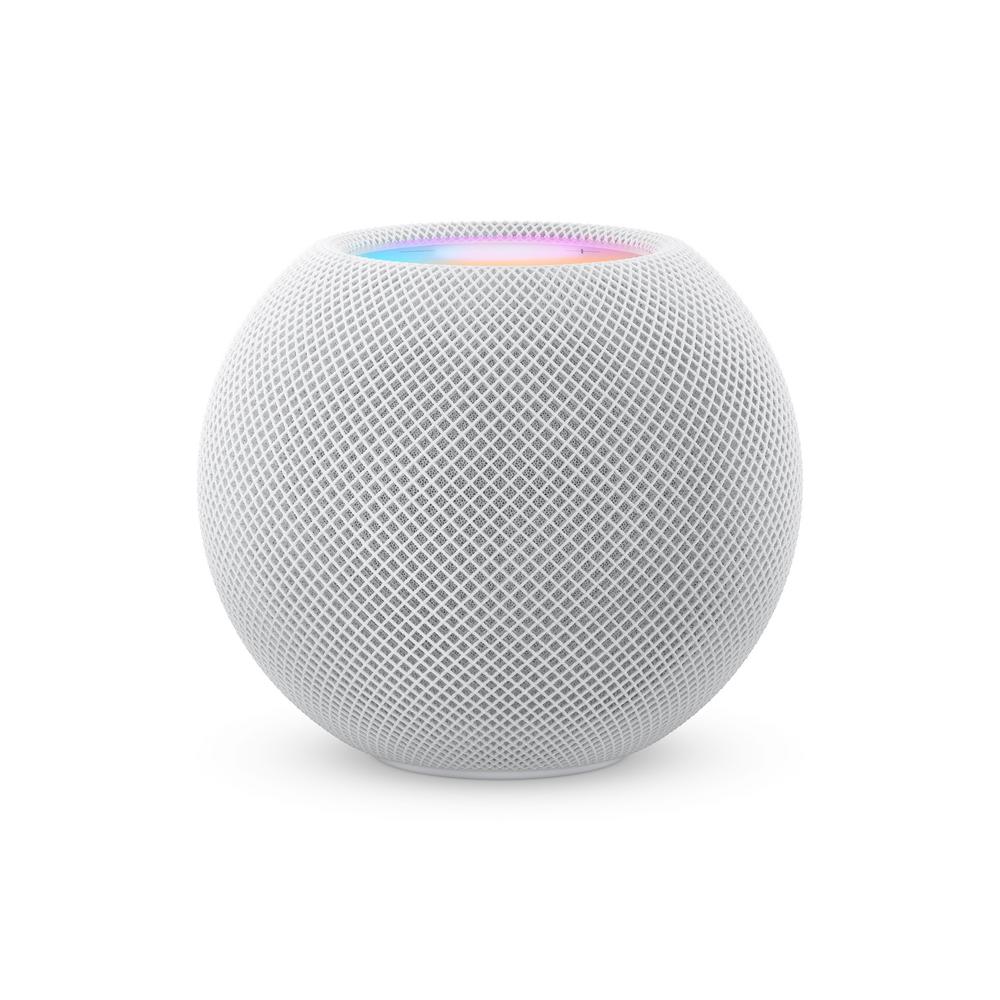
The Apple HomePod mini with Siri is a compact, affordable way to bring Apple’s smart home features and surprisingly punchy sound into smaller rooms without overspending.
For a smart speaker typically under £100, the HomePod mini delivers impressively full sound for its size, making it ideal for kitchens, bedrooms and studies. Siri is tightly integrated with iPhone, iPad and other Apple devices, so it fits naturally into an existing Apple household. At this lower price point it is an accessible way to start building a smart home using Apple’s ecosystem. A review score of 4.8 out of 5 from dozens of owners is particularly reassuring, suggesting that real users are very happy with how it performs day to day. Its small footprint also makes it easy to place almost anywhere without dominating your décor.
As a compact speaker, the HomePod mini cannot match the bass depth or sheer volume of the full-size HomePod models, so it is not ideal as your only speaker in a large living room. It also sits firmly in Apple’s world, so it is less appealing if you do not already use Apple devices or services. While it is one of the cheaper Apple smart speakers, some non-Apple alternatives may undercut it on price if you are platform agnostic.
Ideal if you want an affordable way to add Siri and Apple Music to smaller rooms without committing to the cost of a full-size HomePod. It suits students, renters and families who already use iPhone or iPad and just want something simple that works. If your budget is tight but you still care about sound quality being better than a phone or laptop speaker, this is a strong choice.
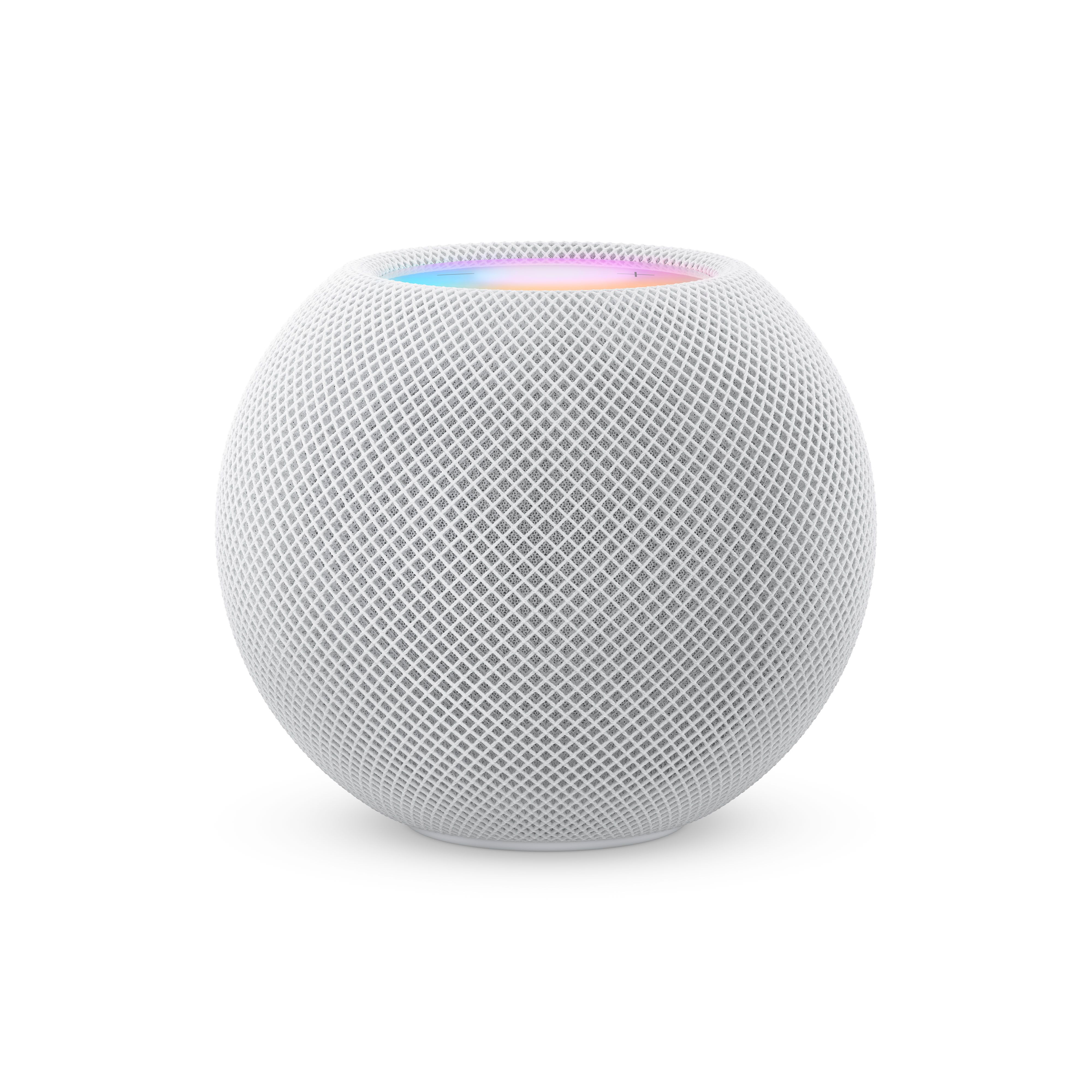
This version of the Apple HomePod mini with Siri costs a little more than the very cheapest listing, but is backed by a huge number of positive reviews, making it a safe budget choice for Apple households.
This HomePod mini listing has a strong 4.7 out of 5 rating from well over a thousand reviews, which is excellent for a budget-friendly smart speaker. That breadth of feedback suggests consistently stable performance, reliable Siri responses and sound that most people find more than good enough for the size and price. It remains a compact and unobtrusive way to add smart features around the home, from setting reminders to controlling compatible lights and plugs. If you are cautious about buying cheaper tech, the sheer number of positive ratings here makes this a very safe bet. It is also a neat option for adding extra rooms to an existing HomePod setup without the cost of another full-size speaker.
This version of the HomePod mini currently costs more than the very cheapest listing, so if every pound matters you might find a better deal elsewhere. Sound is good for a small speaker but still limited by its compact size, especially if you like heavy bass or very loud listening. Because it is embedded in the Apple ecosystem, it is best avoided if you plan to use mainly non-Apple services or mixed platforms.
Best for Apple users who value proven reliability and want the reassurance of thousands of positive owner reviews behind their purchase. It is a great pick if you are adding extra speakers to an existing Apple setup and want everything to behave consistently from room to room. Choose this if you are willing to pay a little extra over the very cheapest deal for stronger peace of mind.
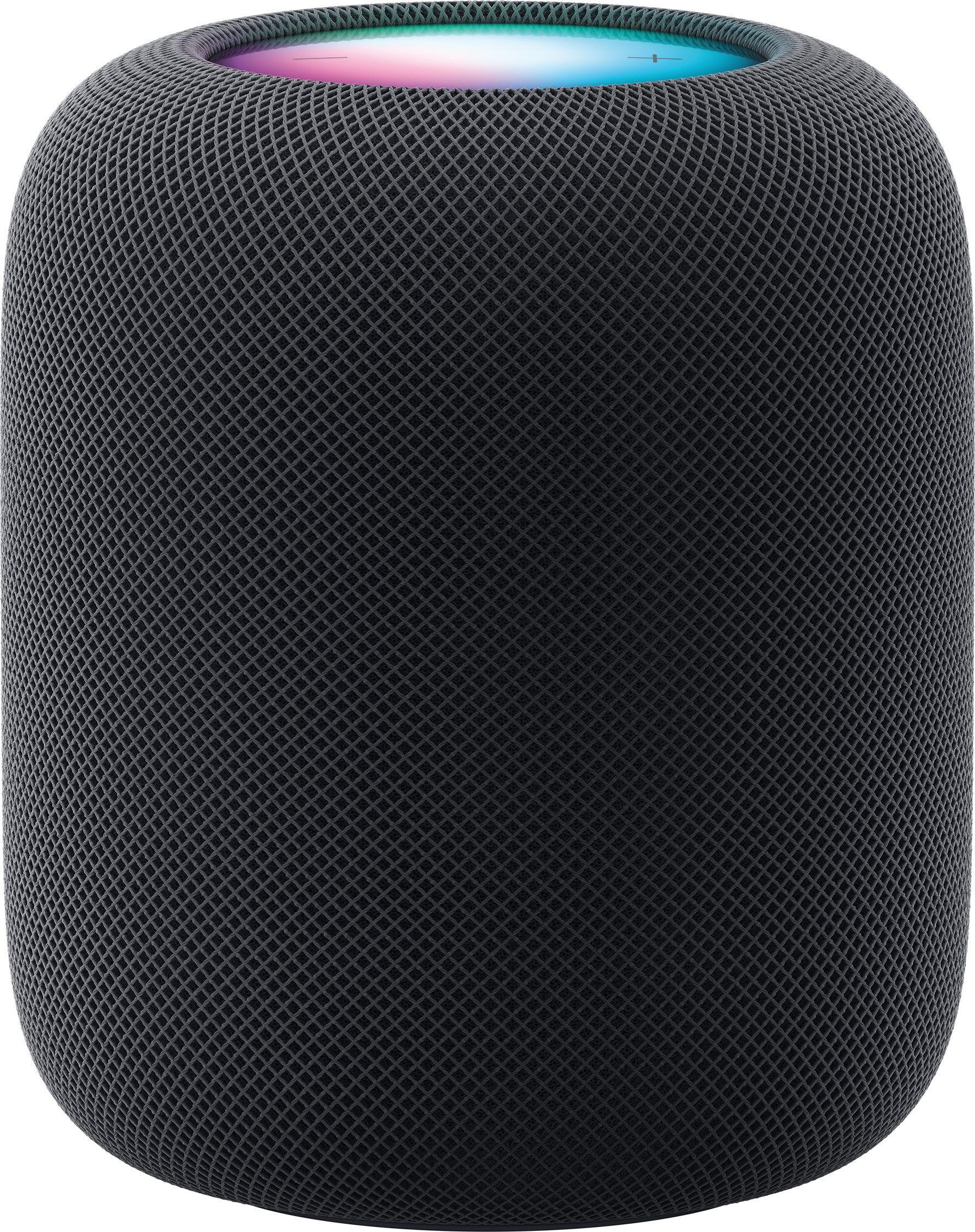
The Apple HomePod (2nd Generation) with Siri is a more powerful, full-size smart speaker that costs more than the mini, but offers a big upgrade in sound while still undercutting many premium hi-fi setups.
The 2nd Generation HomePod steps things up significantly in terms of sound, with a larger body that can deliver deeper bass and a more room-filling audio experience than the mini. As a more expensive model in Apple’s line-up it still counts as good value if you want a serious music speaker combined with Siri, compared with buying a separate smart speaker and hi-fi system. Early feedback is extremely positive, with a perfect 5 out of 5 rating, hinting that sound quality and usability are living up to expectations. It also works well in pairs for even better stereo separation, making it a sensible step up for living rooms or open-plan spaces where a mini might struggle.
The 2nd Generation HomePod is significantly more expensive than the mini, so it is not the right choice if you simply want basic voice control or background radio in a small room. With only a single published review so far, the perfect rating is encouraging but not yet as proven as the mini’s thousands of scores. It is also firmly tied to Apple’s ecosystem, which will not suit mixed households that prefer more platform-neutral solutions.
A strong fit if you want your smart speaker to double as your main music system in a lounge or open-plan area, but still keep the setup simple. It suits households that are already deep into the Apple ecosystem and want a speaker that can take advantage of features like AirPlay and HomeKit. If you have a bit more to spend and care about richer, more powerful sound, this is the upgrade from the mini that makes the most sense.
Another listing of the Apple HomePod (2nd Generation) with Siri, this option gives you the same full-size audio and Siri integration at a competitive price if you prefer to compare retailers or stock levels.
This alternative listing of the 2nd Generation HomePod gives you the same core strengths: powerful, immersive sound and tight Siri integration for Apple users. By shopping around between listings like this you can often find small price differences or better availability, which matters when you are trying to stick to a budget on a more premium speaker. You still benefit from Apple’s focus on sound tuning and seamless handoff from devices like iPhone, so it can become the main audio hub in your living space. For those who like to stream a lot of music but do not want to invest in a separate amplifier and speakers, it offers a relatively simple, all-in-one route.
Because this is essentially the same hardware as the other 2nd Generation HomePod listing, you are not gaining extra features, only a different purchase option. At around the £300 mark it is a stretch compared with the much cheaper mini, especially if you just need occasional music and voice control. At the time of writing there are no separate reviews attached to this listing, so you are relying on feedback from the same model sold elsewhere.
Good for shoppers who like to compare different listings and retailers to get the best possible price on a full-size HomePod. It is worth considering if you have decided on the 2nd Generation model but are waiting for a deal or stock in your preferred finish. Choose this route if sound quality is a priority and you are prepared to pay more than mini money, but still want to keep an eye on value.
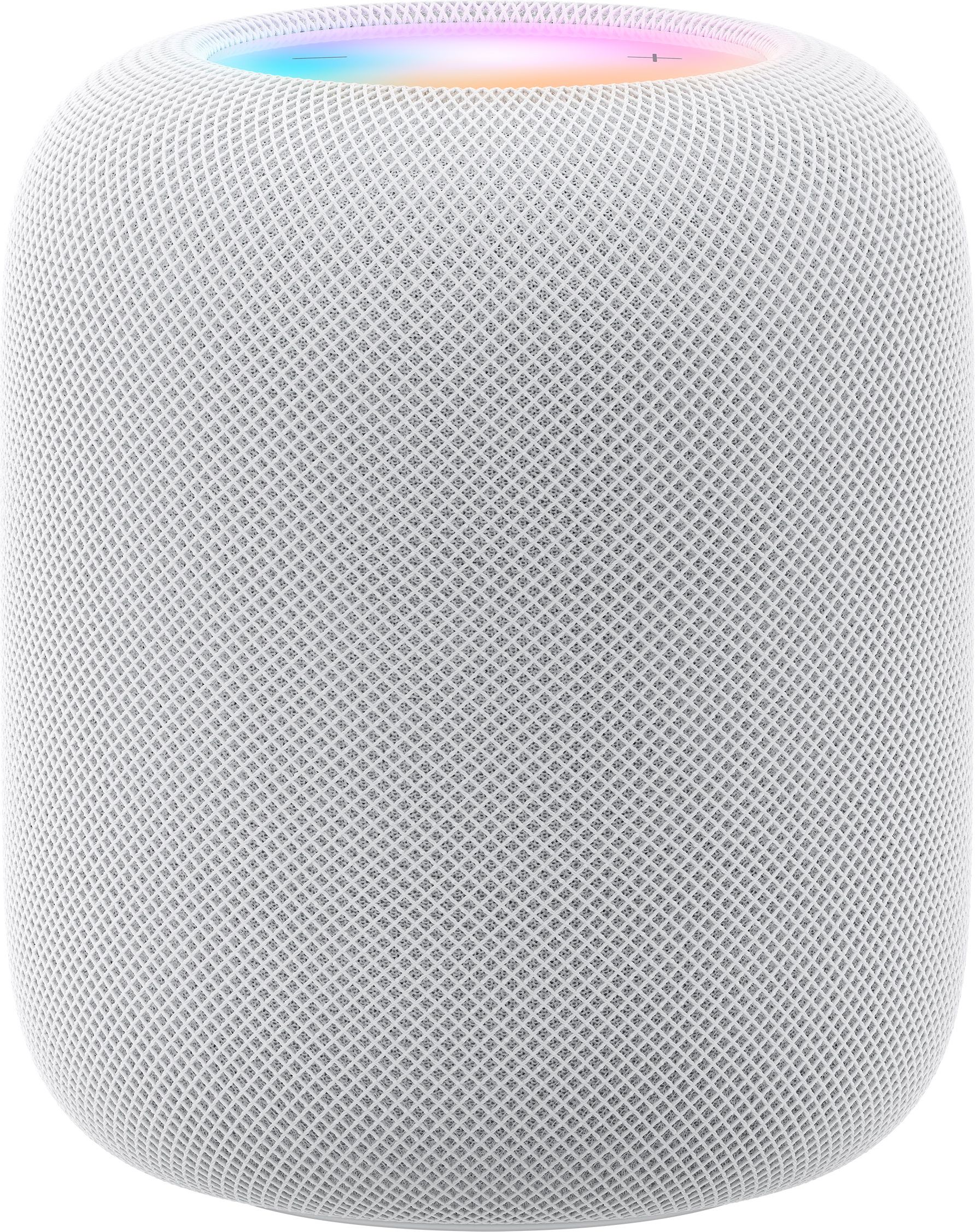
The white Apple HomePod (2nd Generation) with Siri is the stylish option for those who like a lighter finish, offering the same room-filling sound and Apple integration for a touch more money.
The white version of the 2nd Generation HomePod offers the same acoustic performance as the darker model, but in a lighter finish that can blend more easily into bright, modern interiors. While it is the priciest option on this list, it remains cheaper than many dedicated hi-fi speakers with separate smart controls, yet still gives you Siri and HomeKit control built in. If you are already using other white Apple devices or accessories, it can look more cohesive in the room. For buyers who care about both style and sound, it offers a premium feel without going beyond the mainstream smart speaker price bracket.
This white 2nd Generation HomePod is the most expensive option in this line-up, so you are paying more largely for colour preference rather than extra features. There are no review scores yet on this listing, so you are buying based on the reputation of the model rather than specific owner feedback here. The light finish may also show marks or dust more easily than the darker version, which is worth bearing in mind in busy family spaces.
Best for style-conscious Apple users who want their main smart speaker to blend seamlessly with white walls, pale furniture or other light-toned tech. If you are prepared to spend a bit more for the exact look you want, this makes sense as a long-term piece of kit for a main living space. It is also a strong choice if you have already tried a HomePod mini and now want a more impressive, central speaker without leaving the Apple world.
