Home » Best MiniLED TVs to buy in 2026
MiniLED TVs have quickly become the sweet spot for home cinema fans, delivering the kind of deep blacks and punchy highlights that used to be reserved for far pricier sets. If you want a TV that does justice to 4K films, live sport and next‑gen gaming, MiniLED is well worth a look.
To save you scrolling through endless model numbers, we’ve narrowed the market down to a handful of stand‑out MiniLED TVs for 2026. From a compact but premium 55‑inch screen to a huge 85‑inch crowd‑pleaser, every TV here combines strong real‑world reviews with good value for what you get.
Each recommendation has its own strengths, whether that’s sheer size for movie nights, better value for smaller budgets or a more refined cinematic image. The key is to match the right MiniLED TV to your room, viewing habits and budget, rather than just chasing the biggest screen or the lowest price.
These recommendations are based on a careful look at real‑world owner feedback, price levels and the feature sets that matter most in everyday use. We focus on models with consistently strong ratings rather than just headline‑grabbing specs, so you’re more likely to end up with a TV that performs well long after the box has been opened.
We also weigh value and practicality alongside picture quality. That means thinking about screen size versus room size, the benefits of different smart platforms, and how much extra you really gain by moving up the price ladder. Where a TV costs more than rivals, it’s because it offers something genuinely useful, such as a superior image, sharper processing or a more polished overall experience.
The MiniLED TV market moves quickly, so we keep an eye on current ranges and owner reviews rather than relying on outdated line‑ups. The aim is simple: clear, unbiased advice that helps you put your money into a TV that suits how you actually watch.
To build this shortlist of the best MiniLED TVs, we started by filtering for current 4K MiniLED models with solid customer ratings. Sets with weak feedback or very few reviews didn’t make the cut, as we want options with a proven track record in real homes.
From there, we compared price, size and brand positioning to cover a sensible spread. That’s why you’ll see both premium‑feeling mid‑sized screens and larger, better‑value options aimed at film nights and big sporting events. We favoured TVs that offer strong picture performance and reliable day‑to‑day usability over those that simply look good on a spec sheet.
We also limited the list deliberately. Rather than throwing dozens of similar models at you, we’ve highlighted just a few distinct choices that suit different budgets and room sizes. That way it’s easier to decide which MiniLED TV genuinely fits your home, rather than getting lost in minor product code differences.
Here are the MiniLED TVs that stand out right now for picture quality, value and everyday usability. The top pick is the most balanced choice for most homes, while the others excel in areas like screen size or affordability.
Take a moment to think about how far you sit from the screen, how cinematic you want films to look, and how much you’re comfortable spending. Then pick the MiniLED TV that lines up best with your space and your budget.
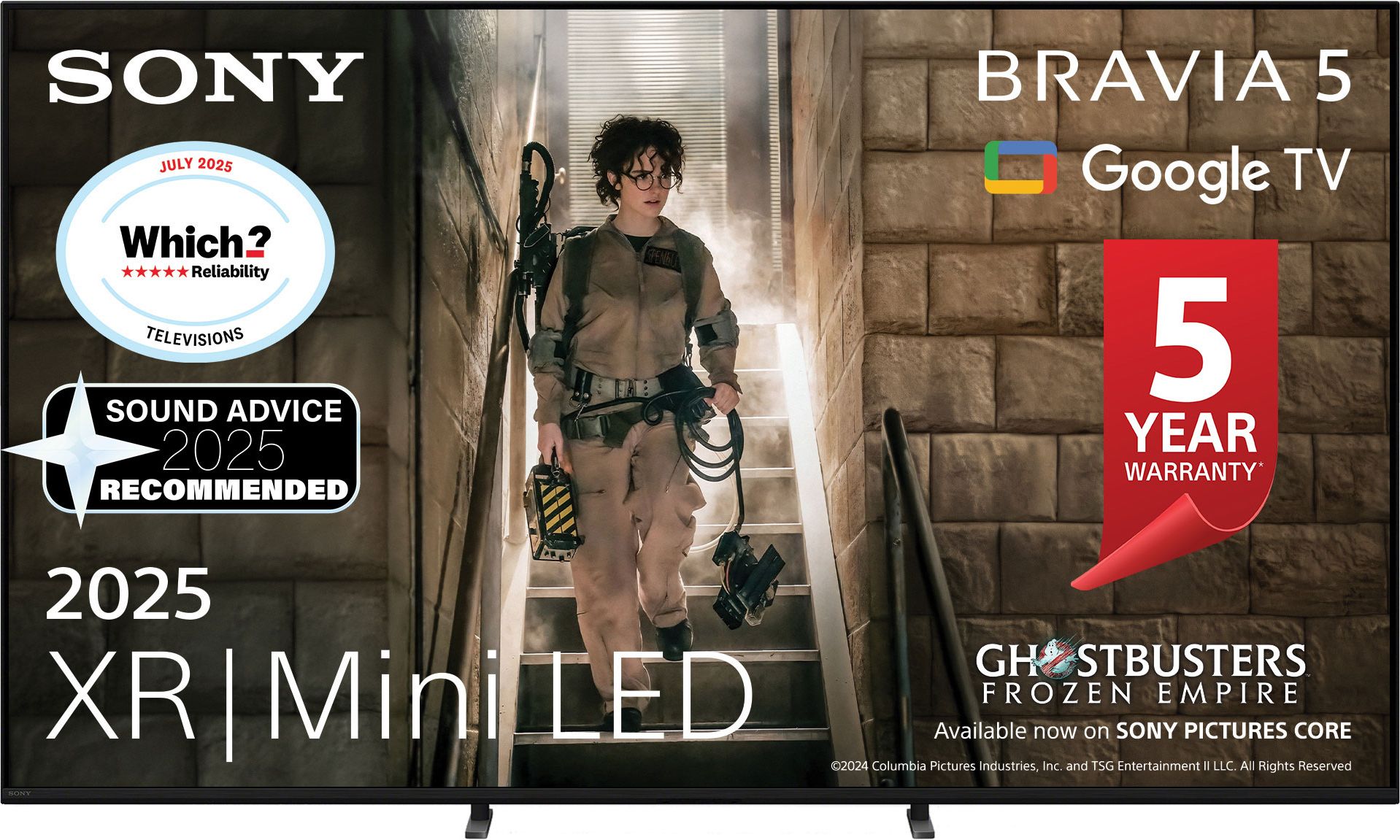
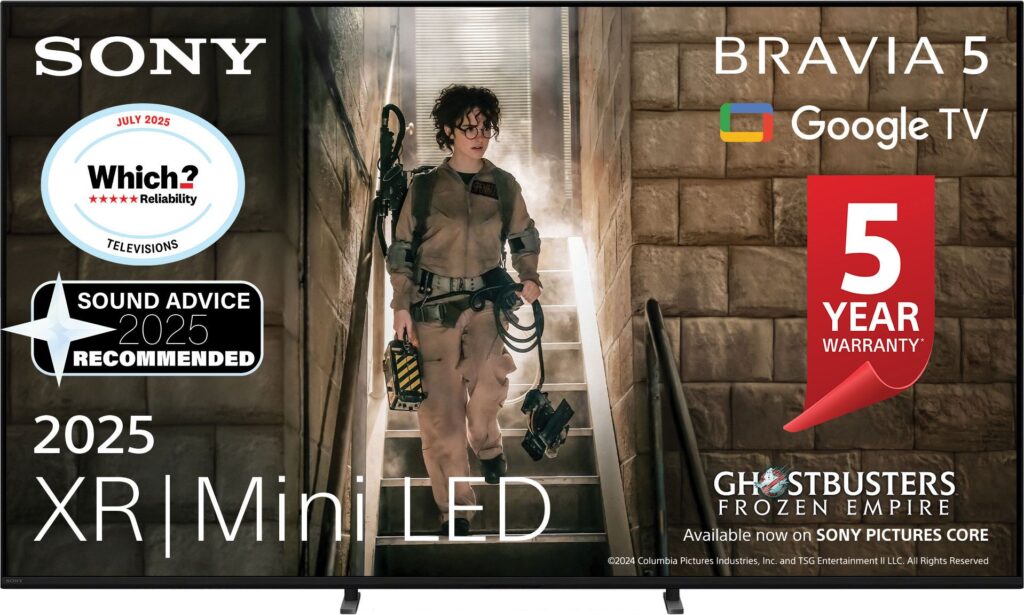
A premium 55‑inch MiniLED from Sony that focuses on picture quality and a polished Android smart TV experience, ideal for film lovers and mixed households.
Sony’s BRAVIA 5 XR55B is a highly rated MiniLED TV that prioritises image processing and contrast, which really pays off with 4K films and high‑quality streaming. At 55 inches, it’s large enough to feel cinematic without overwhelming typical UK living rooms, making it a strong fit for most homes. The MiniLED backlight should deliver excellent control of dark and bright areas, helping HDR content look more lifelike and reducing distracting halos around subtitles. Android TV gives you a mature, app‑rich platform with access to all the major UK catch‑up services and streaming apps, plus built‑in support for Google services. With a perfect customer rating so far, early owners clearly feel they’re getting the premium experience they expected for the money.
At around £999, the BRAVIA 5 XR55B sits at the pricier end of this list for its size, so it won’t be the best fit if you’re trying to spend as little as possible. Being a 55‑inch set, it also won’t deliver the same wall‑filling presence as the larger Hisense models for big movie nights. Early review numbers are still modest, so while feedback is excellent, it doesn’t yet have the weight of hundreds of long‑term owner reports behind it.
Ideal if you want a premium‑feeling MiniLED TV from a trusted brand and your room suits a 55‑inch screen. It’s a great choice for film and box‑set fans who value deep contrast and polished image processing over raw screen size. Households already invested in the Google ecosystem will particularly appreciate the Android TV interface.
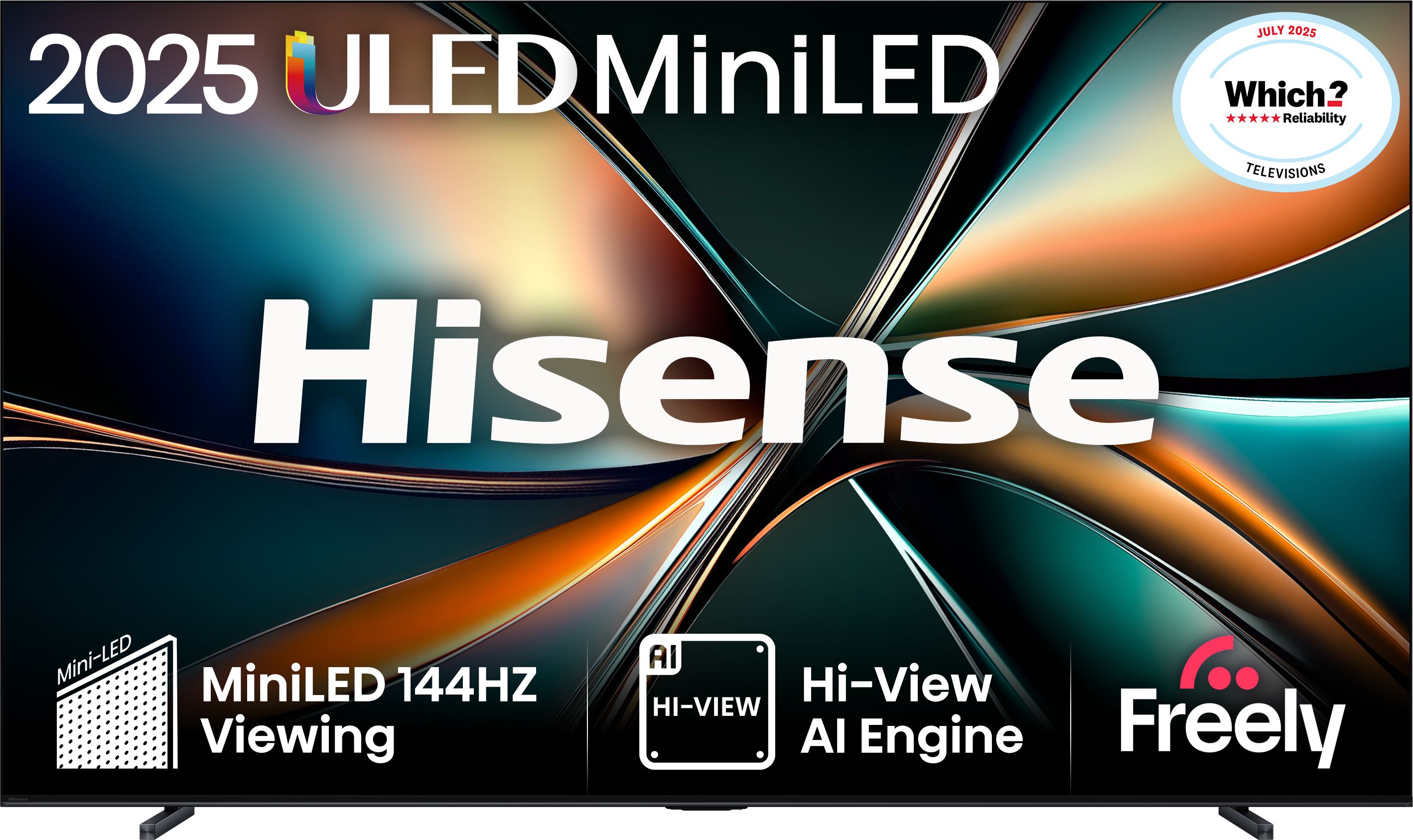
A huge 85‑inch MiniLED that brings a cinema‑like feel to large living rooms without a completely sky‑high price tag, backed by excellent owner reviews.
The Hisense U7Q 85‑inch model is all about size and impact, bringing cinema‑scale viewing into your living room. Its 4K MiniLED panel should handle the big canvas well, with local dimming helping maintain contrast across that huge screen. Owners rate it very highly, with a strong average rating and hundreds of reviews, suggesting that picture quality and reliability are both up to scratch. For sport, films and gaming, the sheer scale makes everything more immersive, especially if you sit a little further back. The Freely smart platform keeps access to live and on‑demand content straightforward, which is handy for families who just want to jump between streaming services and live TV.
An 85‑inch TV demands plenty of wall space and a decent‑sized room; in smaller spaces it can simply feel too large and overwhelming. At £1,299 it’s a significant purchase, even though it’s keenly priced for its size, and you may want to budget for a soundbar to match the big picture with better audio. Installing and moving such a large set can also be awkward, so it’s worth checking access and stand or wall‑mount suitability in advance.
Best for large living rooms, open‑plan spaces or dedicated media rooms where an 85‑inch screen can really shine. It suits families who gather for big sporting events or movie nights and want a genuine wow factor without heading into ultra‑premium pricing. If you sit further from the TV and want a truly immersive feel, this is the one to look at.
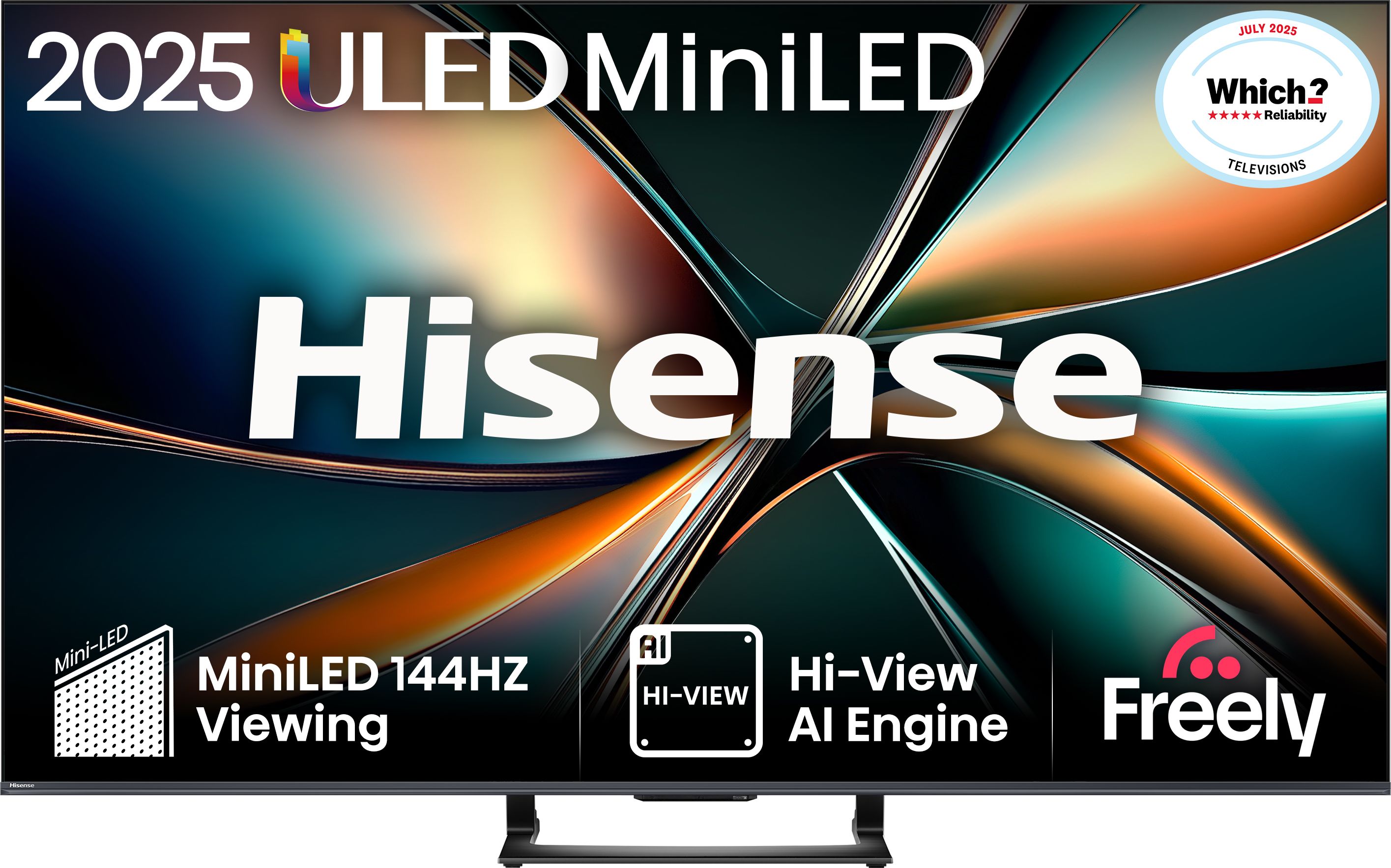
A well‑priced 50‑inch MiniLED that delivers big‑screen impact in smaller rooms, with strong user ratings and all the essentials covered.
The 50‑inch Hisense U7Q is a great way to experience MiniLED picture quality without needing a massive room or budget. It’s well‑suited to smaller lounges, bedrooms or flats where a 55‑inch or 65‑inch set might feel overpowering. Despite the more compact size, you still benefit from MiniLED’s improved contrast and brightness versus a standard LED TV, so HDR shows and films retain plenty of punch. Owner feedback is very positive, with a high rating from hundreds of reviews, which is reassuring if you’re wary of newer TV technologies. The Freely smart interface should give you quick access to the main streaming apps and UK catch‑up services in one place.
While the 50‑inch size is practical, it doesn’t deliver quite the same cinematic impact as the 55‑inch and 65‑inch options when you sit a bit further back. Cheaper pricing means some premium touches found on more expensive brands may be missing, such as especially refined motion handling or higher‑end materials. As with many mid‑range TVs, you may also find the built‑in speakers adequate rather than inspiring, particularly for films.
A strong fit for smaller lounges, bedrooms or flats where space is tight but you still want a high‑quality 4K MiniLED picture. It’s well suited to buyers who want a noticeable upgrade in contrast and HDR performance over older LED sets, but who need to keep both size and spend sensible. If you mainly sit fairly close to the TV, 50 inches will feel comfortably immersive.
The 55‑inch version of Hisense’s popular U7Q range, balancing size, price and performance for households that want a main living‑room TV without overspending.
The Hisense U7Q 55‑inch model hits a sweet spot for many homes, offering a noticeable upgrade in immersion over 50 inches without taking over the room. As part of the U7Q MiniLED range, it should share the same strengths in contrast and HDR brightness that owners praise across the line‑up. The price point is very competitive for a 55‑inch MiniLED, making it an appealing choice if you want better picture quality than a basic LED without moving into premium brand territory. With a consistently high rating from a large number of customers, it seems to deliver on day‑to‑day reliability and overall satisfaction. The Freely platform again keeps streaming and live TV access simple, which suits families and casual viewers.
Although it offers excellent value, the U7Q 55‑inch doesn’t quite match the brand prestige or processing sophistication of higher‑end sets from the likes of Sony. If you sit quite far away, 55 inches might begin to feel a touch small compared with the 65‑inch and 85‑inch options. Some users who are very particular about motion or upscaling quality might prefer to pay extra for a more premium brand’s processing engine.
Perfect as a main living‑room TV for households that want balanced MiniLED performance without stretching to premium‑brand prices. It works especially well if you sit around 2–3 metres away and watch a mix of streaming, live TV and sport. Choose this if you like the idea of the Hisense U7Q range but don’t have the space or budget for the 65‑inch or 85‑inch versions.
A 65‑inch MiniLED sweet spot for families and film fans who want a properly cinematic feel, strong reviews and sensible pricing.
The Hisense U7Q 65‑inch TV offers a genuinely cinematic feel in an average‑sized UK living room, especially if you sit a few metres back. MiniLED backlighting should help it keep black levels deeper and highlights brighter than conventional LED sets, which pays off in dark rooms and with HDR films. It’s attractively priced for a 65‑inch MiniLED, giving you a large, impressive screen without going into flagship price territory. Owner ratings are very strong, indicating that the balance of size, performance and value hits the mark for many buyers. As with its smaller siblings, the Freely smart system aims to be straightforward enough for the whole family to use.
A 65‑inch TV can dominate smaller rooms, so you’ll want to be sure you have enough space and an appropriate viewing distance. It also costs more than the 50‑inch and 55‑inch versions of the same range, so you’re paying a clear premium purely for screen size. As with the other Hisense models, while overall performance is strong, absolute image refinement may lag slightly behind the very best (and more expensive) flagship sets.
Well suited to families and film fans who want a big‑screen MiniLED experience that feels properly cinematic, but still fits into a typical UK living room. It’s a good middle ground if 55 inches feels a bit small and 85 inches is simply too much for your space or budget. Pick this if you want your next TV to feel like a real upgrade in both size and impact.
