
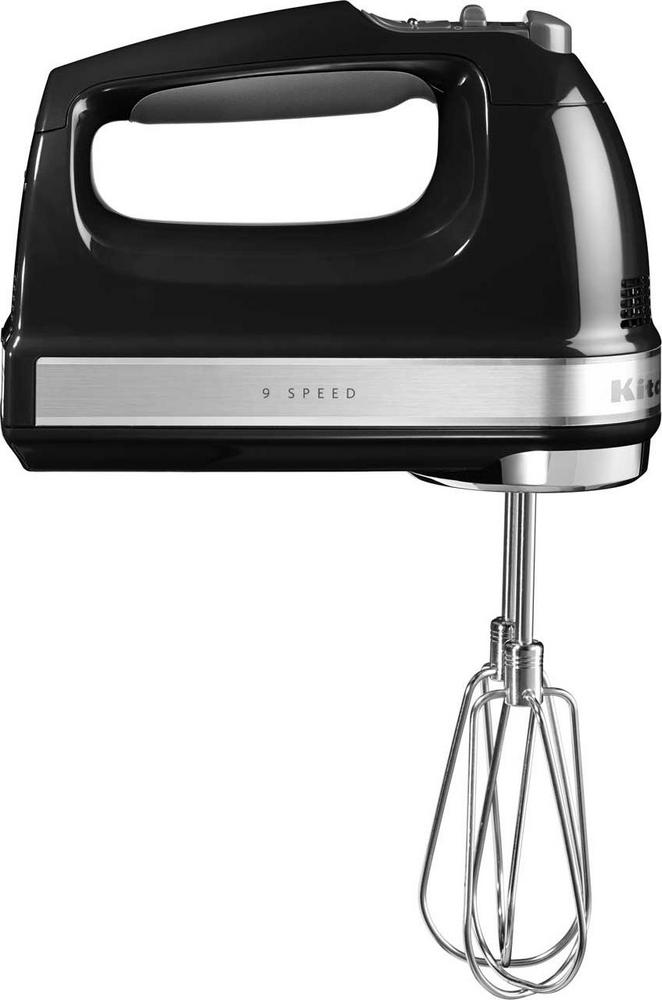
If you love baking but don’t have the space – or budget – for a big stand mixer, a quality hand mixer can transform how easy it is to whip, beat and fold. Premium models like the KitchenAid 5KHM9212BAC Hand Mixer with 3 Accessories in Almond Cream sit in a sweet spot: compact and simple to store, but sturdy and refined enough for regular bakers.
Why choose a premium hand mixer instead of a budget model?
Hand mixers all look quite similar on the surface, but there’s a big difference between a cheap, rattly model and a well-made one you’ll reach for happily every week. A premium mixer usually offers smoother power, better control at low speeds, more solid-feeling attachments, and a more comfortable handle for longer mixing sessions.
The KitchenAid 5KHM9212BAC is a good example of that approach. Rather than chasing huge wattage figures, it focuses on control and feel in use, with multiple speeds and a reassuringly solid body. If you want to dig into the details, you can read our full review of the KitchenAid 5KHM9212BAC Hand Mixer, but here we’ll focus on how to choose the right style of hand mixer for your kitchen and how it compares to similar options.
Understanding the KitchenAid 5KHM9212BAC: design and everyday use
The 5KHM9212BAC is a corded hand mixer with three key accessories, finished in KitchenAid’s signature Almond Cream colour. It’s designed as a do-everything helper for home bakers who want more finesse than a supermarket special can offer, without jumping up to a bulky stand mixer.
In practice, this kind of mixer is ideal for:
- Cake batters and cupcake mixes
- Buttercream and frosting
- Whipped cream and meringues
- Light doughs and everyday bakes
Where it stands out is control. Having finer speed steps makes it easier to start slowly and avoid flour clouds or cream splatter. When you’re working late in the evening or around kids, quieter, smoother operation is surprisingly valuable.
If you’re wondering how it behaves across a range of recipes, our hands-on impressions in the in-depth KitchenAid 5KHM9212BAC review cover that side in more depth.
Colour and style: matching your mixer to your kitchen
For many people, a hand mixer spends as much time on display as it does in the drawer. That’s why colour options and overall design play a bigger role than you might expect.
The Almond Cream finish on the 5KHM9212BAC is quite timeless. It works well in neutral, modern kitchens and classic shaker styles alike, especially if you already have cream or stainless-steel appliances. If you prefer something with a bit more personality but like the same basic design, the KitchenAid 5KHM9212BPT Hand Mixer in Pistachio Green is worth a look – it’s effectively the same style of mixer in a softer pastel tone that suits lighter, colourful kitchens.
If you love retro design, you might also be drawn to the Smeg 50s-style range. The Smeg 50’s Retro HMF01BLUK Hand Mixer in Black and the pastel-toned Smeg 50’s Retro HMF01PGUK Hand Mixer in Pastel Green both lean heavily into that curved, glossy 1950s look. They cost a touch more but are designed to be left out on the worktop as a style statement as much as a kitchen tool.
Corded vs cordless: which is right for you?
One of the biggest decisions you’ll face is whether to stick with a traditional corded mixer like the 5KHM9212BAC, or opt for a cordless model. Both have pros and cons, and the right choice depends on your kitchen layout and habits.
Benefits of a corded hand mixer
Corded hand mixers are the conventional choice, and still the most popular. They plug into the wall, run as long as you need them, and you never have to think about charging. For frequent bakers, this reliable, always-ready nature can be more convenient than worrying about battery levels.
Because the motor draws power directly from the mains, a corded mixer can also feel more consistent when you’re working longer batches, such as multiple sponges or a big bowl of biscuit dough. For most UK kitchens, where sockets are conveniently placed above worktops, the cable is rarely a big annoyance.
When a cordless mixer makes more sense
If your sockets are awkwardly located, or you often find yourself manoeuvring around a trailing cable, a cordless model can be a genuine upgrade. The KitchenAid 5KHMB732BAC Cordless Hand Mixer in Almond Cream is a close relative of the 5KHM9212BAC, but swaps the cable for rechargeable convenience.
With a cordless mixer you can move freely between bowls, work away from the wall, and keep the worktop visually cleaner. This can be especially handy in a small galley kitchen or when you’re cooking with children and want fewer cables to trip over. The trade-off is remembering to charge the battery and accepting that very long mixing sessions may need a top-up charge between batches.
If you tend to bake in shorter bursts – a cake here, a tray of brownies there – a cordless mixer can easily keep up and may quickly become your favourite gadget.
Accessories and attachments: what do you actually need?
The KitchenAid 5KHM9212BAC comes with three accessories, giving you flexibility without filling the drawer with rarely used extras. While specific attachments vary between models, most quality hand mixers offer at least beaters and some form of whisk or dough hooks.
Here’s how to think about the main attachment types:
- Standard beaters – your everyday tool for cake batters, cookie dough, mashed potatoes and similar mixes.
- Whisk or balloon whisk – ideal for meringues, whipped cream and any recipe where you want lots of air worked in quickly.
- Dough hooks – for small quantities of dough or heavier batters; best used in short bursts to avoid straining the motor.
If you mostly bake cakes and whip cream, beaters plus a whisk-style attachment are usually enough. If you’re more adventurous with home bread or pizza doughs, having dough hooks is handy, but it’s still better to see them as a light-duty helper rather than a full replacement for hand kneading or a stand mixer.
Speeds and control: why finer steps matter
A key selling point of premium mixers like the 5KHM9212BAC is the number of speed settings. More speeds aren’t about raw power; they’re about how precisely you can dial in the right pace for each job.
For example:
- Very low speeds help you start mixtures gently, reducing splatter when you add flour or icing sugar.
- Medium speeds suit most cake batters and biscuit doughs, giving a smooth, even mix without overworking.
- Higher speeds are ideal for whipping cream or egg whites, saving you time and arm effort.
An advanced model will move between these levels smoothly, without jerky jumps that can send ingredients flying. If you’ve ever had a budget mixer blast flour out of the bowl the instant you switch it on, you’ll appreciate this extra control.
Comfort, weight and noise: living with your mixer day to day
Specifications on the box don’t tell you everything about how a hand mixer feels in daily use. Three areas are often overlooked: comfort, weight and noise.
Comfort: A well-shaped handle and balanced body make longer mixing sessions much easier on your wrists. Premium models are designed to sit naturally in the hand, with buttons placed where you can change speeds without shifting your grip too much.
Weight: Lighter isn’t always better. A very light mixer can feel flimsy and transmit more vibration. Something with a bit of weight, like the KitchenAid and Smeg models mentioned here, can feel more stable at higher speeds, especially in deeper bowls.
Noise: All mixers make some noise, but better engineering can keep the pitch and vibration down. That’s not just about comfort; if you share a flat or bake while others sleep, a smoother-sounding mixer makes a real difference.
Alternatives worth considering
While the KitchenAid 5KHM9212BAC is a strong all-round choice, it’s not the only stylish, capable hand mixer around. Depending on your priorities – colour, cordless convenience, or retro styling – the alternatives below might suit you even better.
KitchenAid 5KHM9212BPT: same mixer, different personality
If you’ve decided the 5KHM9212 design is right but the Almond Cream finish doesn’t quite match your kitchen, the KitchenAid 5KHM9212BPT Hand Mixer in Pistachio Green offers essentially the same concept in a softer, pastel green. Expect similar control and feel in everyday use, with just a different look on the worktop.
This is a sensible choice if you’re building a coordinated pastel theme with your kettle, toaster and other small appliances. It’s also a nice way to add a splash of colour to an otherwise neutral kitchen without going too bold.
KitchenAid 5KHMB732BAC: going cordless in Almond Cream
If you’re sold on the KitchenAid aesthetic but like the idea of losing the cable, the KitchenAid 5KHMB732BAC Cordless Hand Mixer in Almond Cream brings the same classic colour in a battery-powered body. It’s a neat option if you want your mixer to live on a charging base or tucked away in a cupboard without a trailing lead.
Cordless models are particularly suited to smaller kitchens or homes where sockets are in short supply. If you often move between prep areas or like to bake with friends and family around the island or table, being cable-free can be noticeably more relaxing.
Smeg 50’s Retro HMF01: the design-led choice
For those who value looks as much as performance, Smeg’s retro range is hard to ignore. The Smeg 50’s Retro HMF01BLUK Hand Mixer in Black offers a bold, glossy look that pairs beautifully with other black appliances and modern worktops.
If your kitchen leans more towards soft tones and vintage styling, the Smeg 50’s Retro HMF01PGUK Hand Mixer in Pastel Green might be more your taste. Both Smeg models aim to combine everyday usability with that unmistakable 50s curve and colour blocking, making them ideal candidates if your hand mixer is going to live permanently on display.
Care, cleaning and storage tips
Whichever mixer you choose, a few simple habits will keep it looking good and running smoothly for years.
- Detach and soak attachments straight away – dried-on batter is much harder to remove than fresh. A quick rinse or soak in warm, soapy water saves scrubbing later.
- Wipe the body with a damp cloth – avoid submerging the main unit. A wipe after each use will keep splashes from staining, especially on lighter colours like Almond Cream or pastel green.
- Check whether parts are dishwasher safe – some beaters and hooks are, others aren’t. Follow the manual to avoid dulling finishes or damaging coatings.
- Store cables loosely – don’t wrap the lead too tightly around the mixer, as this can strain the cable over time. A loose loop or a dedicated cable tidy is kinder in the long run.
- Give the vents a quick dust – occasionally brush or wipe the motor vents to prevent flour and dust from building up.
Which hand mixer is right for you?
If you’re after a reliable, everyday baking partner with a refined feel, the KitchenAid 5KHM9212BAC in Almond Cream is a strong contender. It offers the mix of control, comfort and classic styling that many UK home bakers are looking for, without dominating the worktop or the budget.
If you want the same basic approach in a different colour, the Pistachio Green 5KHM9212BPT is the natural alternative. Prefer fewer cables and more freedom? The cordless 5KHMB732BAC is the one to explore. And if retro flair is top of your wishlist, the Smeg 50s Retro HMF01 models bring that design statement without sacrificing everyday practicality.
For a closer look at how the Almond Cream KitchenAid behaves across real recipes, be sure to read our full, in-depth review of the KitchenAid 5KHM9212BAC Hand Mixer. Whichever way you go, a well-chosen hand mixer can make baking day smoother, quicker and genuinely more enjoyable.