
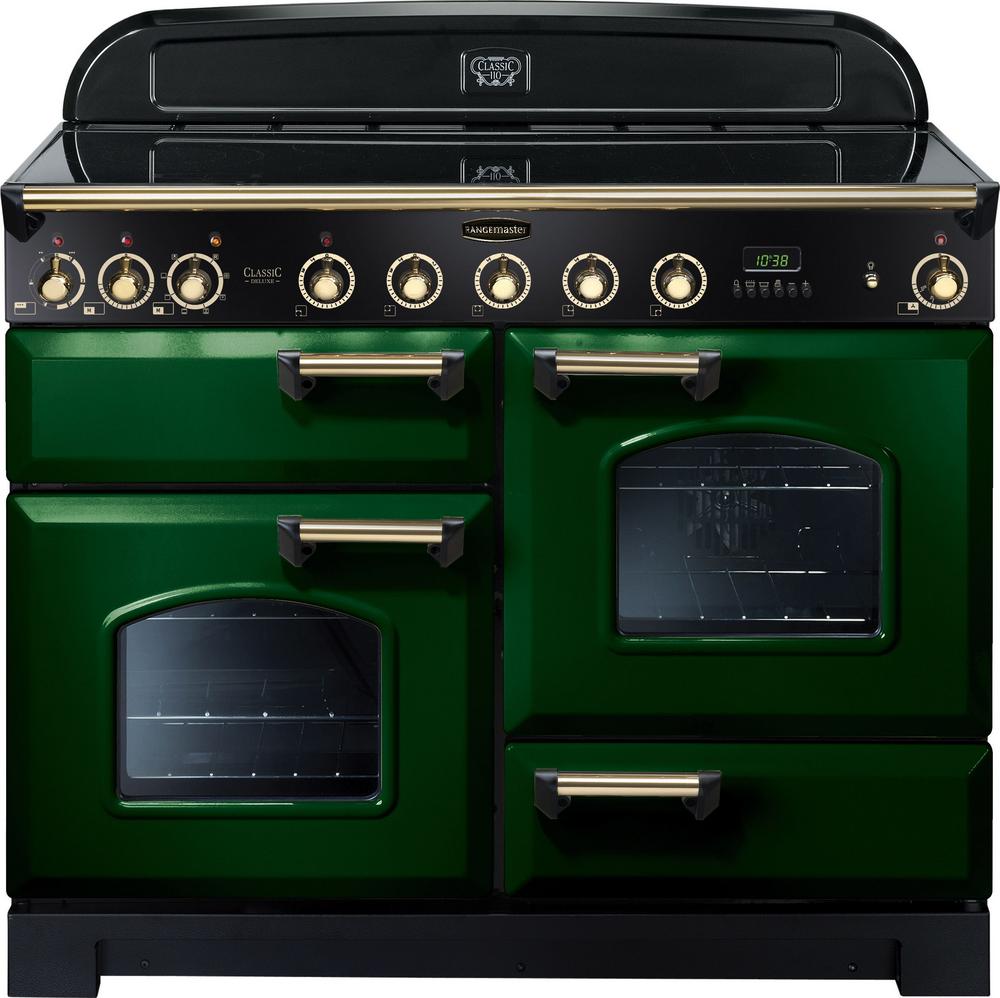
If you dream of a traditional range cooker with modern electric and induction convenience, a 110cm model can completely change how your kitchen works. The Rangemaster Classic Deluxe CDL110EIOG/C Electric Range Cooker with Induction Hob in Olive Green / Chrome is a good example of how a statement range can combine classic looks with up-to-date cooking tech. In this guide we’ll use it as a reference point to walk through what to look for in a large induction range cooker, how to pick the right style and fuel set-up, and which close alternatives are worth a look.
Why choose a 110cm induction range cooker?
Moving up to a 110cm range is a big step compared with a standard 60cm cooker, but the extra width brings real benefits if you love cooking or entertain regularly.
The Rangemaster Classic Deluxe CDL110EIOG/C shows what this size can offer: generous oven space, a wide induction hob and a strong visual presence in the room. Rather than sharing a single cavity and four burners, you’re working with multiple ovens and a larger, more flexible hob area.
If you want an in-depth breakdown of this particular model’s layout and performance, you can read our full review of the Rangemaster Classic Deluxe CDL110EIOG/C 110cm Induction Range Cooker. Here, we’ll stay focused on helping you decide if this kind of cooker is right for your home.
Induction vs dual fuel: which is right for you?
One of the first decisions is whether to go for an all-electric induction model like the Classic Deluxe CDL110EIOG/C, or a dual fuel alternative with a gas hob and electric ovens.
When an induction range makes sense
An induction hob gives you fast heat, precise control and a very easy-to-clean surface. Heat goes straight into the pan rather than the surrounding air, which is especially handy in modern, open-plan kitchens where you don’t want lingering heat or steam building up around seating areas.
Because the Rangemaster Classic Deluxe CDL110EIOG/C pairs an induction hob with electric ovens, it suits homes that don’t have a gas supply or prefer to simplify things with a single fuel type. It’s also a good match for households trying to balance serious cooking with lower everyday energy use.
When to consider dual fuel instead
If you’re not ready to give up the feel of a gas flame, or you frequently use large woks and specialist pans, dual fuel can be tempting. Models like the Rangemaster Nexus Steam NEX110SODFFIV/C 110cm Dual Fuel Range Cooker and the Rangemaster Nexus Steam NEX110SODFFSL/C 110cm Dual Fuel Range Cooker offer gas hobs with the added twist of steam-assisted cooking in the oven section.
Dual fuel gives you that traditional gas control on the hob, plus the even, reliable baking performance of electric ovens. The Nexus Steam models are particularly interesting if you want to explore steam for better bread, roasts and veg, so they’re worth considering if you’re comparing feature sets rather than just fuel type.
Getting the size and layout right
A 110cm range like the Classic Deluxe CDL110EIOG/C is wide enough to give you multiple ovens and a spacious hob, but you still need to check it fits your kitchen comfortably.
- Measure the space carefully: Allow for the full width of the cooker plus a little extra for ventilation and ease of installation.
- Think about door swings: Make sure oven doors can open fully without clashing with cabinets or an island.
- Plan extraction: If you’re going induction, don’t forget a suitable hood or extraction solution above the hob.
Multi-oven layouts, as found on the Classic Deluxe, let you use a smaller cavity for midweek meals, saving energy, and open everything up when you’re hosting. If you prefer a more contemporary, symmetrical layout, the Rangemaster Estel Deluxe ESDLB110EIPPCR/AB1 110cm Electric Range Cooker with Induction Hob is another full-electric option to consider, also at 110cm wide but with a different styling and oven configuration.
Classic vs contemporary styling
Range cookers are as much a design statement as an appliance, and styling choices can completely change the feel of your kitchen.
The appeal of a classic look
The Rangemaster Classic Deluxe CDL110EIOG/C is designed for those who like traditional detailing. Its Olive Green finish with chrome trim works beautifully in Shaker-style kitchens, period homes or spaces with lots of timber and stone. Traditional handles and control knobs, combined with the softness of the green enamel-style finish, help the cooker stand out as a feature rather than blend away.
If you love this style but would rather add a warmer, richer accent colour, you might gravitate to the Rangemaster Classic Deluxe CDL110EICY/C 110cm Electric Range Cooker with Induction Hob in Cranberry / Chrome. It offers a very similar specification but in a deep red that pairs well with neutral cabinets and metallic fixtures.
When a modern design suits better
In contemporary spaces with handleless cabinets, minimal decor and straight lines, a more modern-looking range can sit more comfortably. The cream and antique brass detailing of the Estel Deluxe ESDLB110EIPPCR/AB1 offers a softer, more boutique hotel feel, while the clean lines of the Nexus Steam models lean firmly towards the modern, particularly the slate finish on the Nexus Steam NEX110SODFFSL/C.
When deciding, picture how the appliance will look in photos of your kitchen over the next decade. A distinctive colour like Olive Green can age very gracefully if it ties in with natural materials and muted tones around it.
Practical features that make everyday cooking easier
Beyond the headline specs, it’s the everyday usability touches that make living with a range cooker a pleasure. Using the Classic Deluxe CDL110EIOG/C as a benchmark, here are key features to look out for:
- Flexible hob zones: Induction hobs often include zones designed for larger pans and griddles. Look for configurations that suit how you actually cook, whether that’s big Sunday roasts, giant pasta pots or small, quick weekday pans.
- Multiple ovens with different roles: It’s handy to have a main oven, a secondary oven for side dishes or desserts, and a dedicated grill. Think about whether you want a tall, narrow fan oven for baking trays or a second cavity that mirrors the main oven.
- Clear controls and timers: With several ovens and a large hob, intuitively laid-out controls help prevent mistakes when you’re juggling multiple dishes.
- Energy-conscious cooking: On electric ranges, good insulation and efficient oven design can reduce heat loss, while induction inherently wastes less energy than traditional electric radiant hobs.
If you want a deeper dive into exactly how the Rangemaster Classic Deluxe CDL110EIOG/C is laid out and what it’s like to use in practice, read our detailed hands-on review of the CDL110EIOG/C here.
Induction range cooker installation and power considerations
Large electric and induction ranges draw a lot of power, so it’s important to understand what’s needed before you commit.
- Dedicated circuit: You’ll usually need a dedicated high-amp circuit and suitable connection point in place. Always have a qualified electrician check your set-up.
- Positioning: Think about access for installation and servicing, as moving a 110cm range is not a one-person job.
- Ventilation and clearance: Check the manufacturer’s guidance for gaps to walls, units and combustible materials.
Planning these details early helps you avoid costly surprises later, particularly if you are also renovating the kitchen around a new centrepiece range.
Living with a range cooker day to day
A 110cm range is not just for big Christmas dinners. To get the most from an induction model like the Classic Deluxe CDL110EIOG/C, build it into your daily routine.
- Use the right oven for the job: For quick weekday meals, choose the smallest appropriate cavity so you’re not heating a huge space for one tray.
- Batch cook: Make use of the extra oven capacity to cook double portions, then freeze half. It’s an efficient way to justify the space you’ve invested in.
- Take advantage of rapid heat-up: Induction gets water boiling much faster than traditional hobs, so you can leave pan prep a little later and still stay on schedule.
- Plan multi-course meals: Multiple ovens make it easier to keep dishes warm without overcooking. Keeping track of temperatures and times in a notebook or app can help when you find combinations that work well.
Cleaning and maintaining an induction range cooker
One of the quiet benefits of switching to induction is a much easier cleaning routine, provided you stay on top of it.
- Wipe the hob after use: Induction surfaces don’t get as hot as traditional electric hobs, so spills are less likely to burn on. A soft cloth and mild cleaner are usually enough.
- Protect the oven interiors: Consider oven liners for shelves and the base where suitable, and wipe up major spills once cooled. If the cooker offers any self-cleaning or assisted cleaning features, build these into your schedule.
- Care for the finish: Enamel-like painted finishes and trims benefit from gentle cleaners rather than harsh abrasives, which can dull the shine over time.
Whether you opt for Olive Green, Cranberry, cream or slate, a little regular care will keep a statement range looking fresh for many years.
Comparing similar 110cm range cooker options
If you love the idea of a 110cm induction or dual fuel range but aren’t sure which exact model is right for you, it helps to compare like-for-like options.
- Traditional electric induction with classic styling: The Rangemaster Classic Deluxe CDL110EIOG/C in Olive Green / Chrome is a great example of a traditionally styled electric range with induction hob. If you prefer a bolder colour but similar feel, the Classic Deluxe CDL110EICY/C in Cranberry / Chrome is an obvious sibling to consider.
- Electric induction with refined, boutique styling: For a softer luxury look with cream and antique brass accents, the Estel Deluxe ESDLB110EIPPCR/AB1 110cm Electric Range Cooker with Induction Hob is a compelling alternative.
- Dual fuel with steam capability: If gas on the hob and steam in the oven appeals, both the Nexus Steam NEX110SODFFIV/C in Ivory / Chrome and the Nexus Steam NEX110SODFFSL/C in Slate bring more advanced oven features with a modern aesthetic.
All of these sit in a similar premium space, so your decision is likely to come down to fuel preference, oven features and styling rather than a huge price gap. Reading through the full reviews linked above will give you a clearer picture of how each model behaves in real kitchens.
Final thoughts
Choosing a 110cm induction range cooker is as much about how you live as how you cook. The Rangemaster Classic Deluxe CDL110EIOG/C in Olive Green / Chrome is a strong example of a range that blends traditional looks with modern electric and induction performance, and it’s a useful reference point when weighing up alternatives.
Whether you’re leaning towards classic enamel-style finishes or sleek modern lines, and whether you favour all-electric induction or dual fuel with steam, there’s a configuration to suit most serious home cooks. Use this guide as a starting checklist, then explore the in-depth reviews – starting with the full review of the Rangemaster Classic Deluxe CDL110EIOG/C 110cm Electric Range Cooker with Induction Hob – to confidently find the range that will become the heart of your kitchen for years to come.