
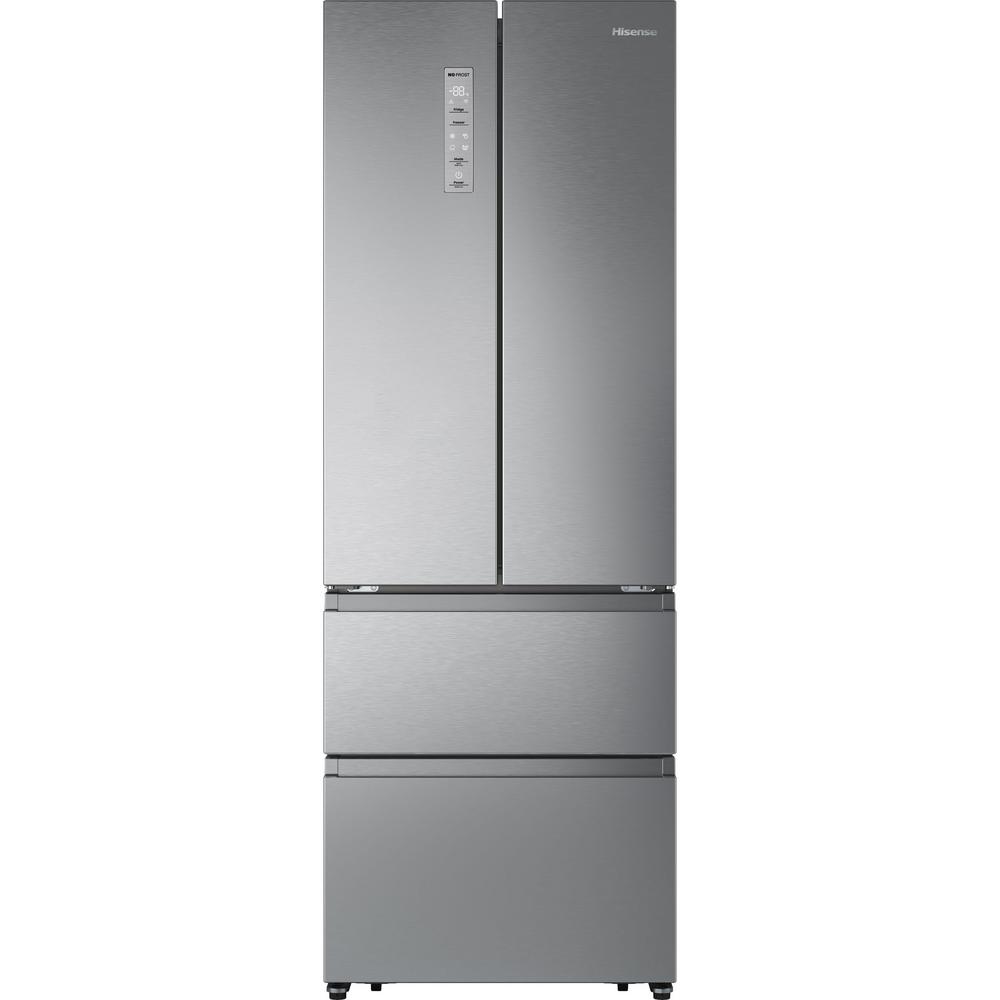
American fridge freezers have become a bit of a must-have in modern UK kitchens, offering masses of space, smart features and a statement look. Hisense’s PureFlat range is one of the most popular choices, combining sleek styling with practical touches like Total No Frost and flexible storage. In this guide we’ll use the Hisense PureFlat RF632N4AIE1 as a reference point to explore what to look for, how to choose between similar models, and how to get the best from this style of appliance over the long term.
Why consider a Hisense PureFlat American fridge freezer?
The Hisense PureFlat RF632N4AIE1 is a stainless steel-look American fridge freezer that sits in the sweet spot for many UK households. It offers a modern flat-door design, Total No Frost technology and an energy rating that’s typical for its size. With a very strong user score and plenty of reviews behind it, it’s a useful benchmark for what a good-value American fridge freezer can look like in 2024 and beyond.
If you want to dig into the fine details, capacity breakdown and individual features, you can always read our full review of the Hisense PureFlat RF632N4AIE1. Here, though, we’ll focus on how to decide if this style of appliance is right for you and which closely related models might suit you better.
Measuring up: will an American fridge freezer fit your kitchen?
Before falling in love with the look of a PureFlat model, check that an American fridge freezer will physically work in your space.
Check doorways and access routes
These appliances are wide and tall, and sometimes quite deep. Measure:
- Your front door and any back or side doors the delivery team might use.
- Hallways, stairwells and tight turns between the entrance and the kitchen.
- The final space, including nearby worktops and any island units.
If space is seriously tight, a slimline design may be easier to live with. For example, the Hisense PureFlat Slim RF632N4AFC1 is designed to offer that American style with a slimmer profile, which can be helpful in narrower galley kitchens.
Allow for doors and ventilation
You’ll also need to make sure the doors can open fully without hitting walls, handles or other appliances. Wide-opening doors are particularly important if you want to slide out salad drawers and freezer baskets comfortably.
Finally, don’t forget ventilation. Leaving a few centimetres around the sides, top and back, as recommended in your manual, helps the fridge freezer run efficiently and keeps noise levels down.
Understanding Hisense PureFlat styling and layout
The RF632N4AIE1 sits in Hisense’s PureFlat line, which focuses on clean, minimal styling. The flat doors and stainless steel-look finish are designed to complement handle-less or simple shaker kitchens without dominating the room.
Flat doors and finishes
If you’re building a modern kitchen with straight lines and integrated appliances, a flat-door American fridge freezer helps everything feel cohesive. The stainless-look finish on the RF632N4AIE1 is a popular choice because it tends to blend well with stainless ovens and hobs, but dark finishes are increasingly in demand.
If you prefer a bolder look, the Hisense PureFlat RF632N4WFE comes in a black / stainless steel combination that pairs nicely with darker cabinetry or contrasting white units. It offers a similar PureFlat aesthetic but with a deeper, dramatic tone.
Fridge–freezer split and internal storage
Many PureFlat-style models, including the RF632 range, prioritise a generous fridge section for fresh food, with a well-proportioned freezer for frozen staples. Look for features such as:
- Adjustable glass shelves to accommodate tall bottles or large platters.
- Dedicated drawers for fruit, veg and sometimes meat or dairy.
- Door balconies that can handle bottles, jars and everyday items.
The exact layout varies between models, so it’s worth checking photos and specs. If you regularly batch-cook or buy bulk frozen items, you might prefer a more traditional side-by-side layout, such as the plumbed Hisense RS694N4ICE or the black-finished Hisense RS694N4IBE, which focus on equal-access fridge and freezer storage with through-the-door dispensing.
Plumbed vs non-plumbed: which type of dispenser suits you?
One of the big questions with American fridge freezers is whether to go for a plumbed ice and water dispenser or a non-plumbed setup (or none at all).
Living with a non-plumbed dispenser
Models like the RF632N4WFE are non-plumbed, meaning you fill an internal water tank manually. This gives you chilled water and often ice without needing a fixed water connection. It’s a great option if you’re renting, don’t want the cost or disruption of plumbing, or your fridge position is far from the nearest water pipe.
You’ll need to get into the habit of topping up the tank and keeping it clean, but many households find this a minor trade-off for the extra flexibility. For a closer look at this setup, you can read our in-depth review of the PureFlat RF632N4WFE.
When a plumbed model makes more sense
If you’re planning a full kitchen refit or already have a suitable water connection, a plumbed model may be the most convenient choice. The Hisense RS694N4ICE offers a plumbed Total No Frost design in a stainless steel finish, with a through-the-door dispenser that provides a constant supply of chilled water and ice.
Similarly, the Hisense RS694N4IBE delivers the same convenience in a black finish. Both are worth examining if you’re set on plumbed dispensing and value the ability to grab cold water or ice cubes without opening the doors.
Energy efficiency and running costs
Most large American fridge freezers carry energy ratings in the D–F range on the current label, with many Hisense models sitting at E. That’s roughly where you’d expect a modern, full-width appliance of this size to land.
What the energy label really means
The key figure to look at isn’t just the letter, but the annual kWh consumption. This tells you how much electricity the appliance is expected to use in a typical year, which you can multiply by your tariff to estimate running costs.
Features like Total No Frost and efficient LED lighting help minimise waste. In everyday use, you can keep bills in check by:
- Keeping doors closed as much as practical.
- Allowing hot food to cool before putting it inside.
- Defrosting frozen items in the fridge so the cold helps chill fresh food.
- Not overloading shelves so air can circulate freely.
Total No Frost: what difference does it make?
All the Hisense models discussed here feature Total No Frost, which means you don’t need to defrost the freezer manually. Cold air is circulated evenly around the compartments, preventing ice buildup on the walls and around drawers.
In practice, that brings a few benefits:
- No more pulling everything out for an annual defrost session.
- Food packaging stays easy to read and separate, without clumps of ice.
- The appliance can maintain temperature more consistently, which is better for food quality.
For busy households, the time savings alone are a strong reason to choose a Total No Frost appliance over an older-style manual defrost model.
Choosing between the main Hisense PureFlat options
If you’ve narrowed things down to the PureFlat range, the next step is working out which specific model fits your life best. Using the RF632N4AIE1 as a starting point, here’s how the close alternatives line up conceptually.
Hisense PureFlat RF632N4AIE1: stainless steel-look all-rounder
This is a stainless steel-look American fridge freezer with Total No Frost and a strong owner rating. It suits households that want a modern style, don’t need a plumbed dispenser, and prefer a neutral metallic finish that goes with most kitchens.
If that sounds like you, it’s worth taking the time to read our full review of the Hisense PureFlat RF632N4AIE1 for capacity details, noise impressions and day-to-day usability insights.
Hisense PureFlat Slim RF632N4AFC1: better for tighter spaces
The Hisense PureFlat Slim RF632N4AFC1 aims to deliver a similar PureFlat aesthetic in a slimmer form factor. If your kitchen layout is a bit awkward, or you’re worried about how far the doors will swing out, this model is worth a look.
You’ll typically trade a little internal capacity compared with a standard-width alternative, but for many homes the improved fit and easier installation are more important than those extra few litres.
Hisense PureFlat RF632N4WFE: non-plumbed water and ice in black
The RF632N4WFE is another close cousin, offering a black / stainless finish and non-plumbed dispensing. With hundreds of owner reviews and a strong average score, it’s proved very popular with households that like the idea of chilled water and ice but can’t easily run plumbing to their fridge position.
If you’re torn between the plainer stainless look and something more dramatic, comparing photos and reading our full RF632N4WFE review can help you decide which would sit best in your kitchen.
Hisense RS694N4ICE and RS694N4IBE: plumbed, dispenser-led options
Stepping slightly outside the PureFlat family but staying with the same manufacturer, the RS694N4ICE and RS694N4IBE are plumbed American fridge freezers with Total No Frost and through-the-door dispensers. The RS694N4ICE comes in stainless steel, while the RS694N4IBE offers a black finish.
These models suit households that want that classic American fridge freezer look, complete with external water and ice on tap, and who are prepared to install or already have a water connection. You can see how they compare in everyday use by checking out our detailed reviews of the RS694N4ICE and RS694N4IBE.
Practical tips for day-to-day use
Once your new American fridge freezer is in place, a few simple habits will help you make the most of the space and keep it running smoothly.
Organising the fridge section
Group items logically: breakfast foods on one shelf, leftovers on another, and raw meat in a dedicated lower area or drawer, depending on your model’s layout. Use the door balconies for items that can tolerate slightly warmer temperatures, such as condiments and juices, and keep milk and dairy inside the main cavity where the temperature is most stable.
When you first load up, resist the temptation to cram every shelf; leave some gaps so the chilled air can circulate. This helps maintain even temperatures and reduces the risk of warm spots.
Making the most of the freezer
Label and date leftovers and bulk buys so you know what’s what. Try to keep commonly used items in the upper baskets where they’re easy to reach, and stash long-term storage items lower down.
Because Total No Frost models don’t build up ice, you won’t lose space to frosty walls, but you should still aim to avoid blocking vents with large boxes or bags.
Keeping things clean and fresh
Wipe up spills quickly to prevent odours and stains, especially in salad drawers where fruit and veg can get squashed. Once every couple of months, do a deeper tidy: remove shelves and bins (if your manual says they’re removable), wash them in warm soapy water, and dry thoroughly before refitting.
Door seals also deserve attention. A quick wipe with a damp cloth and mild detergent keeps them pliable and ensures they can form a good seal, which is essential for efficiency.
Which Hisense American fridge freezer is right for you?
If you like the idea of a modern, flat-door American fridge freezer with Total No Frost, the Hisense PureFlat RF632N4AIE1 is a solid reference model to start from. It strikes a good balance of styling, practicality and user feedback, and its stainless steel-look finish is versatile enough for most kitchens.
From there, consider whether you need a slimmer footprint (as with the RF632N4AFC1), fancy a darker, non-plumbed dispenser model like the RF632N4WFE, or would rather go for a fully plumbed dispenser design in the RS694 range.
Whichever way you’re leaning, taking the time to measure up carefully, think about how you shop and cook, and compare real-world impressions will pay off. When you’re ready to go deeper on specs, noise levels and interior layout, use the links throughout this guide to explore our individual reviews and decide which Hisense American fridge freezer will suit your home best.