
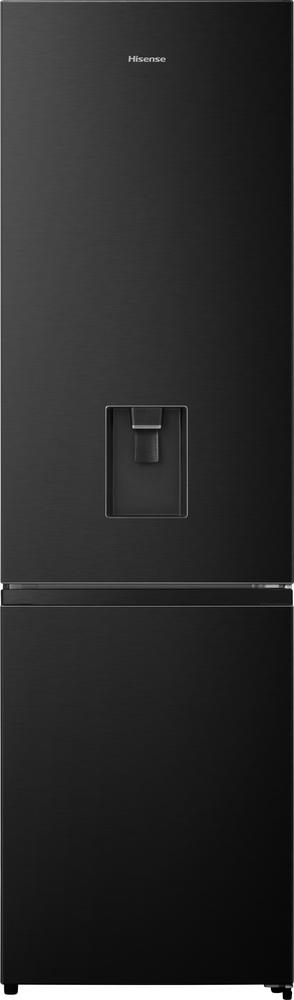
If you’re upgrading your kitchen, a tall 60/40 frost free fridge freezer is one of the smartest ways to get masses of chilled space without taking over the room. The Hisense RB435N4WCE 200cm 60/40 No Frost Fridge Freezer in stainless steel is a great example of this style: slim footprint, generous height and no more defrosting the freezer by hand. In this guide we’ll look at what living with a full-height fridge freezer is really like, how the RB435N4WCE fits into that picture, and how it compares with a few closely related alternatives if you’re still weighing up your options.
Why a 200cm 60/40 fridge freezer works so well in UK homes
British kitchens are rarely huge, and that makes the 200cm tall 60/40 format especially appealing. You’re using vertical space rather than floor space, which is ideal in galley kitchens or open-plan rooms where every centimetre counts.
A 60/40 split also matches how many of us actually eat. The fridge section is larger, which suits shoppers who buy plenty of fresh ingredients, chilled ready meals, salads and drinks. The freezer portion still has enough room for batch cooking, frozen vegetables and a few boxed treats, but it doesn’t dominate the appliance in the way a 50/50 split can.
The Hisense RB435N4WCE follows this formula: tall, slim and focused on usable fridge space. If you want to see exactly how the space is laid out inside, you can read our full review of the Hisense RB435N4WCE 200cm 60/40 No Frost Fridge Freezer, which goes into more detail on shelves, drawers and door storage.
Frost free and no frost: what it actually means day to day
It’s easy to gloss over “No Frost” or “Frost Free” on a product title, but this feature makes a big difference to daily life. Traditionally, freezers slowly build up ice around the drawers, on the back wall and in awkward corners. Over time that ice steals space and makes it harder for cold air to circulate properly.
No frost systems, like those used in the RB435N4WCE and its close siblings, use carefully managed airflow to draw moisture away from the freezer compartment so it can’t settle as frost. That means:
- No need to switch the freezer off to chip away at ice.
- Drawers slide in and out smoothly without sticking.
- Cooling remains more consistent, helping food last longer.
If you’re comparing models, note that Hisense uses a mix of “Frost Free” and “No Frost” wording across very similar designs. The Hisense RB440N4ACD, for example, is marketed as a frost free fridge freezer but offers the same benefit of not having to manually defrost. You can see how it stacks up as a slightly higher-spec option by taking a look at our in-depth review of the Hisense RB440N4ACD 200cm 60/40 Frost Free Fridge Freezer.
Getting the size right: measuring up and planning your layout
A 200cm-tall fridge freezer looks impressive, but it’s important to be practical about where it will live. Before you fall in love with the stainless steel finish on the RB435N4WCE, grab a tape measure and check the following:
- Height: Measure from floor to ceiling and allow a bit of breathing space above the appliance so heat can escape.
- Width: Check between units, including any pipes, skirting boards or radiators that might reduce usable space.
- Depth: Factor in that the doors need to open fully without hitting a wall, island or table.
- Door swing: Think about which way you want the doors to open so you’re not blocking yourself in when you reach for the milk.
The RB435N4WCE is designed as a freestanding appliance, so it’s more forgiving than a built-in unit, but a few extra minutes planning the layout can save a lot of frustration later. If you’re working with tight clearances, it may be worth considering lighter colours too: models like the Hisense RB435N4WWE 200cm 60/40 No Frost Fridge Freezer in white can make a compact kitchen feel airier than a darker or more reflective finish.
Finishes and style: stainless steel, white or darker tones?
One of the nice things about this particular Hisense family is how clearly it shows the impact of finish on the same underlying format. The RB435N4WCE offers a modern stainless steel look that fits well into contemporary and mixed-style kitchens. It works especially well alongside stainless ovens, hobs and extractors, tying everything together visually.
If you prefer a more understated look, the white RB435N4WWE gives a cleaner, more traditional appearance, while the Hisense RB435N4BFE 200cm 60/40 Frost Free Fridge Freezer in black / stainless steel leans more towards a bold, statement finish.
There’s also the closely related Hisense RB435N4BCE 200cm 60/40 No Frost Fridge Freezer, which keeps the stainless tone but tweaks the detailing. All four sit in a very similar performance bracket, so your choice can largely come down to how they look in your space and which price point works best at the time you’re buying.
Energy ratings and running costs: understanding E and D labels
It’s easy to be put off when you see an E rating on the newer energy label system, but context helps. The labelling scheme was tightened a few years ago, and many appliances that would previously have been labelled A+ or A++ now appear as D or E.
The RB435N4WCE sits in that E-rated band, as do its white and black-finished siblings, but they remain efficient choices in real-world terms, especially compared with older fridges and freezers. The Hisense RB440N4ACD moves up to a D rating, which can shave a bit more off running costs over time, especially in a busy household where the doors are in constant use.
Whichever you choose, you can help keep bills down by:
- Leaving space around the appliance for airflow so it doesn’t overheat.
- Keeping the fridge between about 3°C and 5°C and the freezer around -18°C.
- Letting hot leftovers cool before putting them in the fridge.
- Checking and cleaning door seals so cold air doesn’t leak out.
How much storage do you really need?
Capacity figures can be confusing on paper, but the tall 200cm format is generally well suited to households that shop a couple of times a week and like to keep a good variety of ingredients on hand. The 60% fridge space gives room for fresh veg drawers, dairy, jars and bottles without everything being stacked precariously.
If you tend to batch cook or buy in bulk when things are on offer, it’s worth paying close attention to the freezer section layout. The RB435 series, including the RB435N4WCE, RB435N4WWE and RB435N4BFE, is designed with practical drawers that can handle a mix of tubs, bags and boxes. For a clearer sense of how much you can fit in each, our detailed review of the Hisense RB435N4WCE walks through the internal arrangement and what that means for everyday use.
Noise levels and open-plan living
Many of us now have kitchen-diners or open-plan living spaces, so how quietly your fridge freezer runs genuinely matters. While the exact figures vary from model to model, tall no frost appliances like the RB435N4WCE are designed to blend into background noise rather than dominate the room.
To get the best from any new fridge freezer:
- Use a spirit level to make sure it’s properly level on all sides.
- Leave a small gap so it’s not touching walls or cabinets that can transmit vibrations.
- Expect a short period of settling-in noise during the first day or two as the appliance cools fully.
If your fridge freezer will sit right next to a dining area or desk, it’s worth giving priority to models known for quiet running in real-world feedback, and looking through user impressions in reviews before you buy.
Choosing between similar Hisense 200cm 60/40 models
The hero product we’ve focused on here, the Hisense RB435N4WCE, doesn’t exist in isolation. Hisense offers a small family of very similar tall 60/40 fridge freezers with slightly different finishes, features and energy ratings. Here’s a quick way to think about them:
- Best for a stainless steel look on a sensible budget: The RB435N4WCE hits a sweet spot of modern styling and practical storage in stainless steel.
- Best for a classic white kitchen: The RB435N4WWE gives you the same 200cm 60/40 no frost layout but in a bright white finish that blends into lighter units. You can see how it compares in our full RB435N4WWE review.
- Best for a bolder, darker style: The RB435N4BFE offers a black / stainless steel finish that works brilliantly in darker or industrial-style kitchens. We cover its look and feel in more depth in the RB435N4BFE review.
- Best for subtle design tweaks in stainless: The RB435N4BCE keeps the 200cm 60/40 no frost formula but changes the detailing, which might better match certain handle and trim styles in your kitchen.
- Best if you want a stronger energy rating: The RB440N4ACD steps up to a D rating and offers a similarly tall 60/40 frost free design in stainless steel. For a closer look at where it differs, head over to our RB440N4ACD review.
Because these models sit close together on price and specification, it often makes sense to shortlist two or three and then choose based on the finish you prefer and which happens to be the best value when you’re ready to buy.
Living with a tall fridge freezer: organisation tips
Once your new appliance is in place, the way you organise it will make a big difference to how easy it is to live with. Tall 60/40 models give you height, so think vertically:
- Keep everyday items like milk, spreads and leftovers on shelves that are easy to reach without stretching.
- Use the vegetable drawers for fresh produce and try to keep one section for fruit and one for veg to avoid rummaging.
- Reserve the top shelf for lighter, longer-life items you don’t need to grab constantly.
- Group freezer items by type – a drawer for raw meat and fish, one for vegetables and sides, another for ready meals and treats.
Many people also find it helpful to use simple containers or baskets in the fridge and freezer so small items don’t get pushed to the back and forgotten. Because the RB435N4WCE and its siblings use a no frost system, you won’t have to work around frost build-up, so organising your space is much more straightforward.
Cleaning and basic care to keep performance up
Modern fridge freezers don’t need much hands-on maintenance, but a little care goes a long way. Aim to:
- Wipe up spills quickly so they don’t stain shelves or drip into awkward corners.
- Give the interior a gentle clean every couple of months with a mild bicarbonate of soda solution.
- Check door seals now and then for crumbs or dried-on splashes that might stop them sealing properly.
- Vacuum around vents and the back occasionally so dust doesn’t build up and make the appliance work harder.
The stainless and coloured finishes in the RB435 and RB440 series respond well to a quick wipe with a soft cloth and a suitable cleaner. Going with stainless, as on the RB435N4WCE and RB440N4ACD, can be particularly practical in family kitchens thanks to its ability to hide minor marks between deeper cleans.
Bringing it all together
A tall 200cm 60/40 frost free fridge freezer is one of the most practical upgrades you can make to a busy kitchen. The Hisense RB435N4WCE in stainless steel shows how well this format can balance generous storage, a modern finish and straightforward day-to-day use, while the closely related RB435 and RB440 models offer different finishes and a slightly stronger energy rating if that’s your priority.
If you’re close to making a decision, it’s worth taking a few minutes to read our full hands-on review of the Hisense RB435N4WCE 200cm 60/40 No Frost Fridge Freezer, then compare it with the linked alternatives. Once you’ve matched the size, finish and energy rating to your household, you’ll have an appliance that quietly gets on with its job for years, with enough room and flexibility to handle whatever your weekly shop throws at it.