
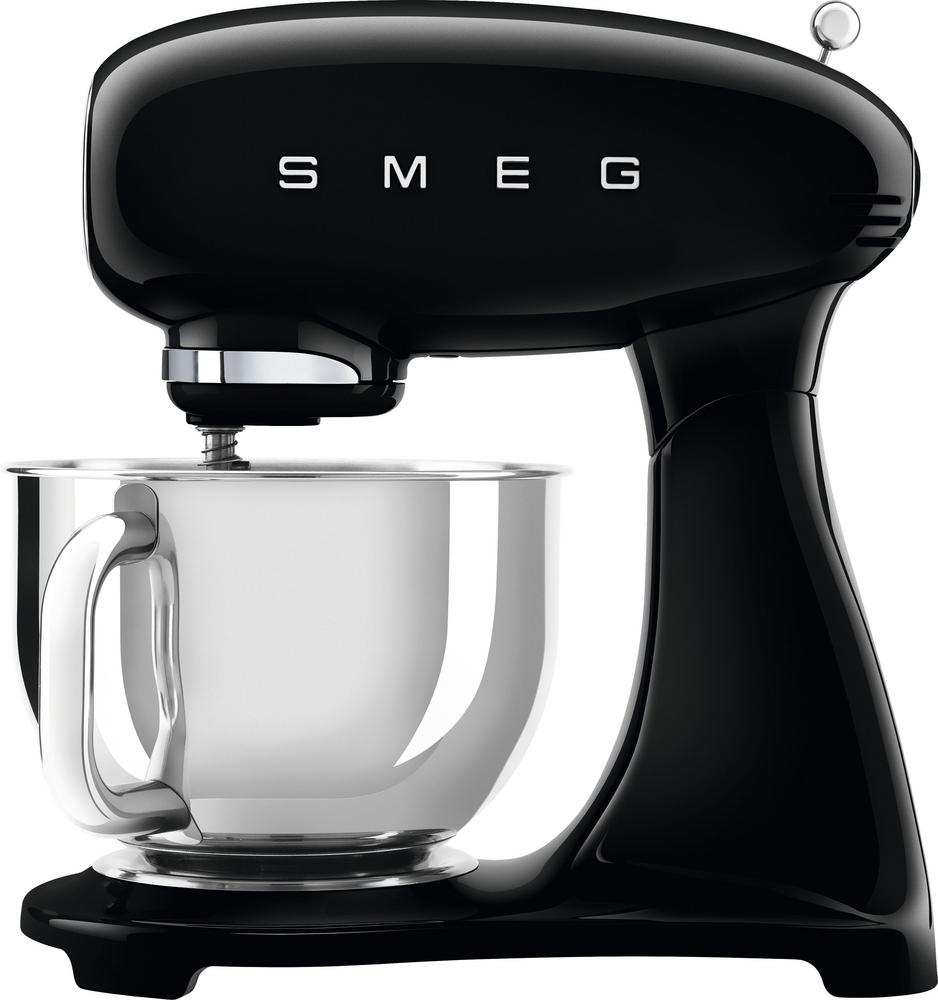
The right stand mixer can turn baking from a chore into something you genuinely look forward to. The Smeg 50’s Retro SMF03RDUK Stand Mixer with 4.8 Litre Bowl in red is one of the most eye-catching options on the market, pairing a vintage look with modern performance. In this guide, we’ll look at what it’s like to live with a mixer like this, how it compares with close alternatives in the same range, and how to decide which model will really suit your kitchen and cooking style.
Why a stand mixer is a game-changer in a home kitchen
A stand mixer isn’t just a fancier way to make cake batter – it genuinely changes how you cook. The big benefit is hands-free mixing. While the mixer beats, kneads or whisks, you can line tins, prep fillings or wash up. That makes midweek baking or weekend batch cooking far less stressful.
A good 4.8–5 litre bowl, like the one on the Smeg 50’s Retro SMF03RDUK, is a sweet spot for most households. It’s large enough for family-sized cakes, loaves and cookie batches, but compact enough not to dominate a standard worktop. If you’ve never used a stand mixer before, the ability to tackle bread dough without ten minutes of elbow grease often ends up being the biggest surprise.
If you’re curious about the technical details, noise levels and accessories, you can read our full review of the Smeg 50’s Retro SMF03RDUK Stand Mixer for in-depth testing and performance notes.
Living with the Smeg 50’s Retro SMF03RDUK in a real kitchen
The SMF03RDUK is very much a statement piece. That deep red finish and 50s-inspired curved body are designed to live on the worktop, not hide in a cupboard. This is worth considering: if you prefer clear counters, a big mixer is something you’ll need to plan storage around. On the other hand, if you love design-led appliances, it doubles as a bit of décor as well as a tool.
In day-to-day use, the 4.8 litre bowl suits everything from whipped cream to dough for a couple of pizzas. Multiple speed settings mean you can start slowly to avoid flour clouds, and ramp up for glossy meringue or light sponge. The stable base and weight help it stay put when tackling heavier mixes, which is reassuring if you like a dense rye loaf or enriched brioche.
Cleaning tends to be straightforward: the bowl lifts off, attachments detach, and the main body just needs a wipe down. That glossy red finish shows splashes a bit more clearly than cream or white, but it also cleans up nicely with a soft cloth.
Choosing the right colour: red, white, cream or pastel green?
Functionally, the Smeg SMF03 stand mixers are very similar across colours. That means you can pick the finish that works best for your kitchen without feeling like you’re sacrificing performance. The real question is which colour you’ll be happy to look at every day.
The bold choice: red SMF03RDUK
The hero model here, the Smeg 50’s Retro SMF03RDUK in red, is made for kitchens that don’t mind standing out. It works brilliantly in otherwise neutral spaces, where the mixer acts like a pop of colour. If you already have other red accents – a kettle, toaster or even a splashback – it can help pull the room together.
If you want a deeper dive into how this specific version performs, our hands-on impressions are in the detailed SMF03RDUK review.
Classic and versatile: white SMF03WHUK
If you like the retro style but prefer something more understated, the Smeg 50’s Retro SMF03WHUK Stand Mixer in white is worth a look. White feels clean and timeless, and it tends to blend neatly with most cabinet colours and worktops. It’s a good choice if you think you might change your kitchen scheme in a few years and don’t want the mixer to clash.
A white finish also tends to show flour dust and splashes a bit less than darker colours. If you’re a messy baker, that can be a surprisingly practical advantage.
Warm and neutral: cream SMF03CRUK
For more traditional or country-style kitchens, cream often feels softer than stark white. The Smeg 50’s Retro SMF03CRUK Stand Mixer in cream brings the same shape and capacity as the red model, but in a warmer, slightly more forgiving shade.
Cream pairs nicely with wood worktops, shaker-style cupboards and muted tiles. If your kitchen already leans rustic or farmhouse, it’s an easy colour to live with long term.
Soft and playful: pastel green SMF03PGUK
If you like a hint of colour but don’t fancy something as bold as red, the Smeg 50’s Retro SMF03PGUK Stand Mixer in pastel green strikes a nice balance. The shade is light enough not to dominate, but still adds personality to the worktop.
Pastel tones work particularly well in light, airy kitchens and with other soft shades like pale grey or oak. If you enjoy the playful side of the 50s aesthetic, this colour captures it without being over the top.
How the Smeg SMF03 range compares with a Kenwood kMix
While the Smeg SMF03 models lean heavily into their retro styling, you might also be considering alternatives from other brands. A close rival in everyday use is the Kenwood kMix KMX760GR Stand Mixer with 5 Litre Bowl in green. It’s broadly similar in capacity, with a 5 litre bowl, and also comes in bold colours.
The main difference is design language: the kMix has a more contemporary, squared-off look compared to the soft curves of the Smeg. Some people prefer the slightly more industrial feel; others fall for the vintage charm. In terms of day-to-day practicality, you’re looking at similar use cases – making bread, cakes, cookies and whipped desserts – so it often comes down to which design you’d rather see on your worktop and which attachments or bundles suit you best.
Price can also shift between them depending on offers. The pastel green SMF03PGUK and the green KMX760GR in particular are worth comparing if you want a colourful mixer but aren’t tied to one specific brand.
Key things to consider before buying a stand mixer
Before you commit to any stand mixer – whether it’s the red SMF03RDUK or one of the alternatives – it’s sensible to pause and think about how you’ll actually use it.
- Capacity: Around 4.8–5 litres, as offered by these models, is ideal for most households. If you regularly bake for large groups, you might want to check the recommended maximum quantities for dough and batter.
- Counter space: Measure the footprint and height, including the head when raised, to make sure it fits under your wall units and doesn’t block nearby cupboards.
- Weight: Heavier mixers feel more stable for dough, but are awkward to lift in and out of cupboards. If you plan to store it away between uses, consider how often you’ll want to move it.
- Noise: Stand mixers make some noise, especially at higher speeds. Reading user feedback and in-depth reviews can give you a realistic sense of how loud a specific model feels in a home setting.
- Attachments: Check which tools are included as standard and whether you can add optional accessories later. A dough hook and whisk are baking essentials; extras like pasta cutters or mincers might appeal if you like experimenting.
Smart ways to get the most from your stand mixer
Once you’ve brought your mixer home, a few simple habits can help you squeeze the most value from it and keep it running smoothly for years.
Start low, then build speed
When you first turn the mixer on, especially with dry ingredients in the bowl, always start at the lowest speed. This reduces splashes and gives the ingredients a chance to combine before you build up to a faster setting. It’s particularly important for icing sugar, cocoa or flour-heavy recipes.
Use the right attachment for the job
It’s tempting to use one attachment for everything, but the mixer will work better if you match the tool to the task. The flat beater is your go-to for cake batters and cookie doughs, the whisk is for meringues and whipped creams, and the dough hook is designed to handle the heavy lifting of bread and pizza dough.
Don’t overload the bowl
Even with a 4.8 or 5 litre bowl, there are sensible limits. Overfilling can cause ingredients to climb the sides and put extra strain on the motor. If you often double or triple recipes, check the guidance in the manual and consider working in two batches instead of forcing everything into one go.
Cleaning and caring for a retro-style stand mixer
Retro mixers like the SMF03RDUK are designed to be seen, so keeping them looking sharp is part of the appeal. Fortunately, they’re relatively low maintenance if you build cleaning into your baking routine.
- Wipe after each use: A quick wipe down with a damp cloth stops splashes from building up on the glossy finish.
- Detach attachments promptly: Rinsing the whisk, beater or hook straight away makes it much easier to remove sticky doughs and batters.
- Check for dried-on residue: Now and again, tilt the head back and check around the attachment hub and hinge for any dried mixture, then clean gently.
- Store with the bowl attached: Keeping the bowl clipped in place helps protect it and keeps the whole unit more compact on the counter.
Is a colourful stand mixer really worth the investment?
A stand mixer is a considered purchase, and retro-styled models in particular sit at the premium end of the spectrum. The real value comes from how much you actually use it. If you bake regularly, make bread at home or enjoy cooking for friends and family, the time and effort saved can genuinely justify the cost over the long term.
Colour is more personal. The red SMF03RDUK, white SMF03WHUK, cream SMF03CRUK and pastel green SMF03PGUK all deliver similar core capabilities, so choosing between them is really about what you want your kitchen to feel like. If a bold colour makes you smile every time you walk in, that’s not a trivial bonus – it can be the nudge that encourages you to bake more often.
If you’re torn between the retro styling of the Smeg range and a more modern-looking alternative like the Kenwood kMix KMX760GR, it’s worth comparing details like control layout, attachments and how easy they are to clean as well as the aesthetics.
Final thoughts: picking the right stand mixer for you
Whether you’re drawn to the bold red of the Smeg 50’s Retro SMF03RDUK or prefer the softer tones of the cream or pastel green versions, a good stand mixer can quickly become the heart of your kitchen. Focus on capacity, how much counter space you’re willing to give up, and whether you’ll genuinely use features like dough kneading and whisking on a regular basis.
If you want more detail before deciding, you can dive into our in-depth review of the SMF03RDUK to see how it performs across a range of recipes. It’s also worth comparing it with the white, cream and pastel green versions, plus alternatives like the Kenwood kMix KMX760GR, to find the mixer that feels like the best long-term fit for your home.