
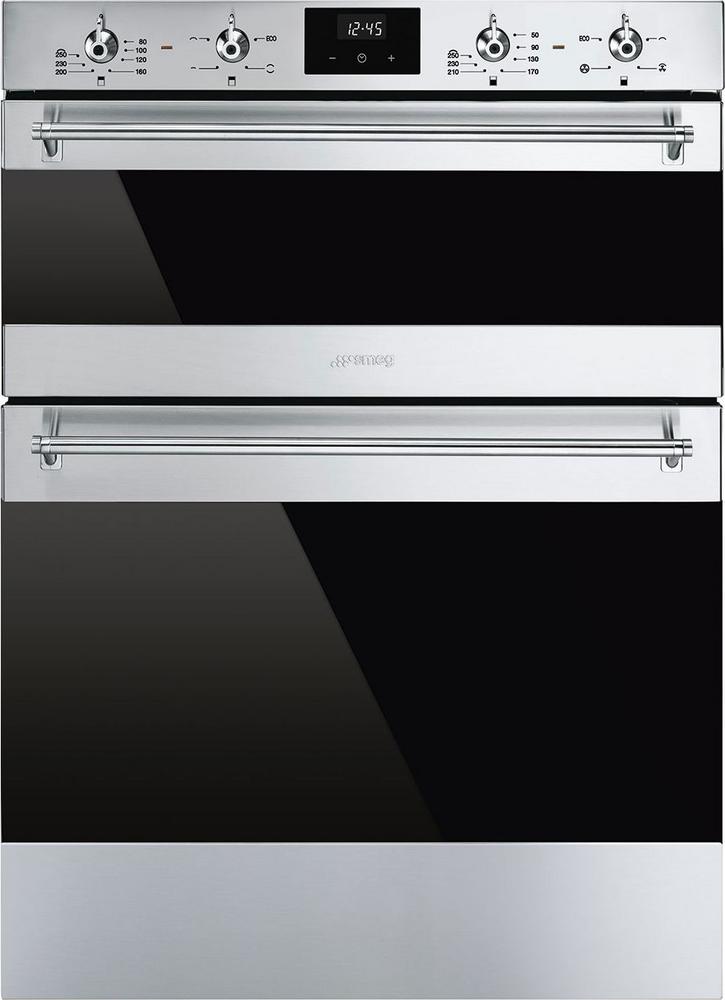
Thinking about upgrading to a dual fuel cooker and wondering whether a 60cm model will really meet your needs? The Smeg Concert SUK61MX9 60cm Single Oven Dual Fuel Cooker in stainless steel is a popular choice for British kitchens, combining a gas hob with an electric oven in a compact footprint. In this guide, we’ll look at what living with a 60cm dual fuel cooker is actually like, how the SUK61MX9 fits into that picture, and when you might want to consider one of its close cousins instead.
Why choose a 60cm dual fuel cooker?
For many homes, 60cm is the sweet spot. It drops neatly into a standard slot between cabinets, so you can often swap an old freestanding cooker for a new one without reworking your kitchen. Dual fuel adds that classic combination of a gas hob for instant control and an electric oven for predictable, even results.
The Smeg Concert SUK61MX9 is a good example of this format: a single, full-height oven paired with a gas hob above. Rather than dig into every technical detail here, this article focuses on how to decide if a 60cm single-oven dual fuel cooker suits the way you cook. If you want the full spec sheet and performance notes, you can read our full review of the Smeg Concert SUK61MX9.
Understanding single-oven cookers: space and flexibility
A common worry with single-oven cookers is whether they’re flexible enough for real-world cooking. The key questions are: how often do you cook multiple dishes at once, and how comfortable are you with planning your timings?
With a full-height single oven like the SUK61MX9, you typically get a generous cavity for roasts, batch cooking and big baking trays. You lose the second, smaller oven of a double-oven cooker, but you gain uninterrupted vertical space. That can be more useful than people expect, especially if you’re fond of big trays of roast veg, tall casseroles or bread baking.
If you regularly cook a roast, a tray of potatoes and a dessert all at once, you’ll need to be smart about shelf positioning and temperature choices. A single cavity can still manage this, but you might have to shuffle trays during cooking. For more detail on how the SUK61MX9 handles this in practice, it’s worth taking a look at our hands-on impressions in the full Smeg Concert SUK61MX9 review.
Stainless steel style vs black finishes
Looks matter, especially for a freestanding cooker that sits in full view. The SUK61MX9 is finished in stainless steel, which tends to suit modern, light kitchens with chrome or brushed metal handles. Stainless steel can help reflect light, making smaller spaces feel a little more open, and it pairs well with lighter worktops and splashbacks.
If you love the idea of the Concert range but prefer something darker and more dramatic, there are closely related alternatives to consider. The Smeg Concert SUK61MBL9 60cm Single Oven Dual Fuel Cooker offers a very similar layout and specification but in black, which can look stunning against lighter units or industrial-style kitchens. Likewise, the Smeg Concert CX61GMBL Single Oven Dual Fuel Cooker is another black-finished 60cm option if you want a slightly different styling twist.
Do you need more than 60cm? When to step up in size
While 60cm suits the majority of homes, there are good reasons to think bigger. If you have a large open-plan kitchen, host big family gatherings, or simply love cooking multiple dishes at once, a wider range-style cooker can feel far less cramped.
This is where models like the Smeg Concert CX92GM 90cm Dual Fuel Range Cooker with Gas Hob come into play. At 90cm wide, you gain a broader hob and more oven capacity, giving you space for extra pans and multiple trays side by side. It will take more room in the kitchen, but if you’re redesigning anyway or replacing a wider range, the extra flexibility can be transformative.
Ask yourself:
- Do I routinely use more than four pans at once?
- Do I often wish I had two separate ovens at different temperatures?
- Is there spare width in my kitchen run or scope to redesign?
If the answer to most of these is “yes”, a 90cm cooker might be worth aiming for. If not, a 60cm option like the SUK61MX9 is probably the more space-efficient and cost-conscious choice.
Buying within a matching range: Concert and Classic options
One advantage of shopping within a single product family is consistency. The different Concert cookers share a common design language and style cues, so you can easily compare them on size, colour and layout without relearning everything each time. The SUK61MX9, SUK61MBL9 and CX61GMBL all sit comfortably in this space, making it simple to choose based on finish and price.
If you’re after something a bit more built-in and streamlined, a double oven might be more your style. The Smeg Classic DOSF6390X Built In Electric Double Oven is a good example: it separates hob and oven, gives you true double-oven flexibility, and integrates neatly into tall units. You’d then match it with a separate hob on the worktop, which can be an attractive option if you’re designing a kitchen from scratch.
Gas hob, electric oven: getting the best from dual fuel
Once your dual fuel cooker is installed, the real difference comes from how you use the gas hob and electric oven together. Gas is brilliant for quick heat changes: when you’re stir-frying, simmering sauces or caramelising onions, being able to dial the flame up or down instantly makes life easier.
Here are a few practical tips to get the most from the setup:
- Use the right pan size: match the base of your pan to the burner to avoid wasting heat up the sides.
- Keep the flame under control: flames licking up the sides of the pan don’t cook faster, they just waste gas and can mark your cookware.
- Preheat with purpose: electric ovens don’t always need long preheats. For casseroles and slow roasts, a slightly shorter preheat time is usually fine.
- Rotate trays for even results: especially when fully loaded, rotating baking trays halfway through can help even out browning.
An efficient dual fuel routine can save both time and energy, and once you’ve learned your oven’s quirks, you’ll find it easier to plan out meals.
Energy, efficiency and real-world running costs
Most modern single-oven cookers are reasonably efficient, but a few habits make a big difference to how much they cost to run. A rated models, like many in this category, are designed to use less energy for the same cooking tasks compared to older appliances, so upgrading from an ageing cooker can bring noticeable savings if you cook most days.
Some easy win habits include:
- Batch cooking: fill the oven with multiple dishes at once rather than heating it several times a day.
- Not over-preheating: only preheat for as long as the manual suggests; extra time is wasted energy.
- Keeping the door closed: each peek inside can drop the temperature significantly, extending the cooking time.
- Using lids on the hob: covered pans boil faster and use less gas.
When you compare the SUK61MX9 with its close alternatives, the basic running cost picture will be broadly similar, but bigger ovens and wider ranges naturally use a little more energy when fully heated. That’s another nudge towards choosing the smallest cooker that genuinely fits your cooking style, rather than automatically assuming bigger is better.
Cleaning and care: keeping your cooker at its best
However stylish a cooker is, it only looks the part if you keep on top of cleaning. Stainless steel models like the SUK61MX9 benefit from a quick wipe-down after each use. Even a minute spent with a soft cloth and warm, soapy water will stop splatters baking on and becoming a chore later.
For the hob, remove pan supports and burner caps regularly to clean around the burners. Make sure everything is completely dry before reassembling to avoid any ignition issues. Inside the oven, using roasting trays and baking sheets to catch spills is much easier than scrubbing burnt-on food from the base; lining trays with foil or reusable liners can help too.
Some cookers and built-in ovens in the broader Smeg family feature catalytic or other assisted-cleaning liners, which can reduce scrubbing. If low-maintenance cleaning is a priority, it’s worth checking whether alternatives like the Classic DOSF6390X double oven or the CX92GM 90cm range cooker offer any additional cleaning features in their full specifications.
Installation and safety considerations
Dual fuel cookers combine gas and electric, so proper installation is essential. You’ll need a Gas Safe registered engineer for the gas connection, and the electrical side must comply with current wiring regulations. That normally means a suitable dedicated circuit and the correct rating for the appliance.
Before ordering, double-check measurements including height, depth and any required clearances around the cooker. Make sure the door can open fully without hitting walls or islands, and that the gas supply point is in the right place. Good ventilation is also important, especially if you cook a lot at high heat on the hob.
Choosing between similar models: how to decide
When you’re comparing very similar cookers, it’s easy to feel overwhelmed. The Smeg Concert SUK61MX9, SUK61MBL9 and CX61GMBL are all 60cm single-oven dual fuel cookers, so on paper they might look nearly identical. The real-world differences come down to finish, styling details, price, and any small layout tweaks that impact how you use the hob and oven day to day.
Here’s a simple way to narrow things down:
- Start with size: if you cannot comfortably fit more than 60cm, models like the SUK61MX9 stay on the shortlist, while the 90cm CX92GM is out.
- Decide on layout: do you definitely want a single-oven freestanding cooker, or would a built-in double oven like the DOSF6390X plus separate hob suit your kitchen better?
- Pick a finish: stainless steel for a bright, professional look; black for a stronger statement or to match darker appliances.
- Check the details: shelf arrangements, grill options, and any extra functions that you personally care about.
Once you’ve done that, reading in-depth tests really helps. For a closer look at how the SUK61MX9 behaves in everyday use, including noise levels, temperature consistency and oven capacity, head to our full Smeg Concert SUK61MX9 cooker review. You can then cross-check that against the experiences shared in our reviews of the SUK61MBL9, CX61GMBL, DOSF6390X and CX92GM to see which one really fits your life.
Living with your new cooker: getting comfortable fast
Once you’ve chosen and installed your cooker, the first few weeks are about getting to know its personality. Ovens, even of similar specification, can run slightly hotter or cooler, or brown more at the back than the front. Note down any patterns you spot when baking or roasting, then adjust shelf positions and temperatures accordingly.
Try these simple steps:
- Bake a simple batch of biscuits or a sponge to see how evenly the oven heats.
- Test your favourite roast and adjust shelf height if the top browns too quickly.
- Experiment with hob burners to find which one gives you the most comfortable control for everyday pans.
The more you use it, the faster you’ll settle into a routine. A well-chosen dual fuel cooker becomes a quiet, reliable workhorse – something you rely on without really having to think about it.
Conclusion: finding the right cooker for your kitchen
Choosing a new cooker is about far more than ticking boxes on a spec sheet. It’s about how you cook, the space you have, and the look you want your kitchen to have for years to come. A 60cm dual fuel model like the Smeg Concert SUK61MX9 offers a strong blend of versatility and compactness, while its close relatives widen your choices on size, finish and built-in versus freestanding designs.
If you’re leaning towards a stainless steel 60cm dual fuel cooker and want to know exactly how it performs, take a deeper dive into our in-depth Smeg Concert SUK61MX9 review. From there, you can explore the linked alternatives to make sure you end up with the cooker that truly matches your cooking style, your kitchen and your budget.