
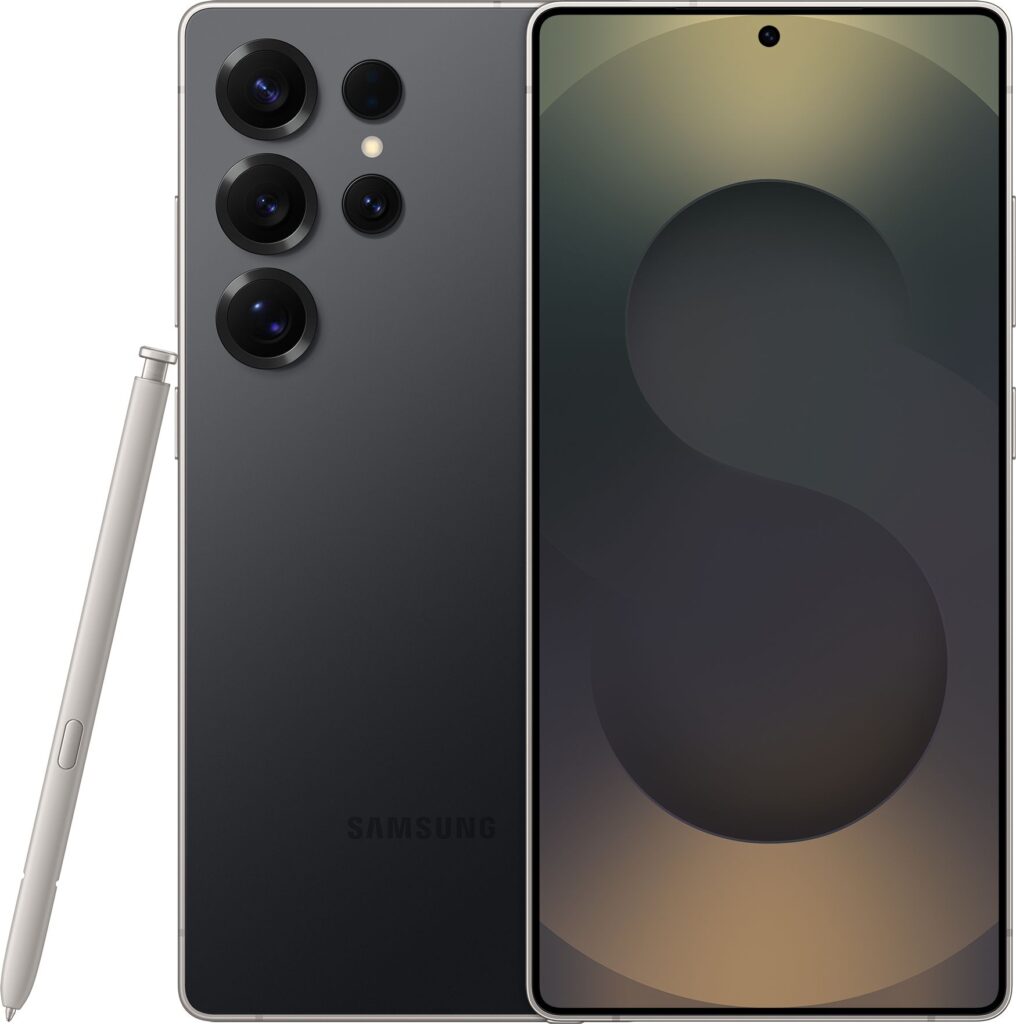
If you’re thinking about a flagship Android phone this year, the Samsung Galaxy S25 Ultra is likely high on your shortlist. The Samsung Galaxy S25 Ultra 512GB Smartphone in Titanium Silverblue is a premium option aimed at people who want a big, capable handset that’s ready for heavy photography, gaming and everyday multitasking without worrying about storage. In this guide, we’ll look at what makes this phone such a strong choice, how it compares with other S25 Ultra colour and storage options, and how to decide which version is right for you.
If you’d like to dive deep into camera quality, performance and day‑to‑day experience, you can always read our full review of the Samsung Galaxy S25 Ultra 512GB in Titanium Silverblue. Here, we’ll keep things practical and focus on buying advice.
Why the Samsung Galaxy S25 Ultra stands out
The S25 Ultra sits at the very top of Samsung’s smartphone line-up, and that shows in the way it’s been put together. You’re getting a large, bright display, a serious camera system and a big battery, all wrapped in a premium titanium finish. The Titanium Silverblue colour gives it a modern, slightly understated look that balances professional and stylish.
With a user rating of 4.9 out of 5 from over 11,000 reviews, it’s clear this model is doing something right in everyday use. That sort of feedback usually reflects a combination of performance, build quality and long‑term reliability, rather than just first impressions out of the box.
If you want a phone that can handle work, play and creative tasks without breaking a sweat, the S25 Ultra line is designed for that. The 512GB version in particular hits a sweet spot, giving you generous storage without the price jump of the 1TB variant.
Key features and everyday benefits
Because this is a flagship phone, you’re not just paying for raw specifications. A lot of the value is in the everyday experience: how smooth it feels, how good the photos look and whether it still feels fast two or three years down the line. While we won’t list every technical detail here, there are some core strengths worth highlighting.
Plenty of room with 512GB storage
512GB is a generous amount of storage on a smartphone. It’s ideal if you like to:
- Take lots of photos and videos, including higher‑resolution clips
- Download music and films for offline use
- Install larger games and creative apps
- Keep documents and work files directly on the device
With this capacity, you can be fairly relaxed about what you keep on your phone. You’re far less likely to see those annoying “storage almost full” warnings, and you won’t need to constantly decide which apps or photo albums to delete.
Big‑screen experience
The S25 Ultra is built around a large display, which transforms how you use your phone. Reading, browsing, streaming and editing photos all feel more spacious. Multitasking with split‑screen apps is more practical, and using a stylus (if you choose to) is more comfortable on a bigger canvas.
The flip side is that this isn’t a compact device. If you prefer something that slips into the smallest pockets or can be used one‑handed at all times, the Ultra’s size is a consideration. For most people, though, the trade‑off is worth it for the extra screen real estate.
Premium finish: Titanium Silverblue
The colour and finish might seem cosmetic, but they affect how happy you are with the phone long term. Titanium Silverblue is a versatile, slightly cool‑toned finish that works in both casual and professional settings. It pairs well with clear cases if you want to show it off, or with darker cases if you prefer a more subtle look.
Because this is a titanium finish, you’re also getting a solid, high‑end feel in the hand. That adds a sense of durability and makes the phone feel every bit as premium as its price tag suggests.
Everyday performance and battery life
Ultra‑branded phones are built to feel quick and stay that way. From jumping between apps to processing photo edits, you should expect the S25 Ultra line to handle it without hesitation. Battery capacity is also generous in this class, with all‑day use being the norm for most users.
If you want a more detailed breakdown of battery life, charging and performance in real‑world tests, it’s worth taking a look at our in‑depth write‑up: full review of the Samsung Galaxy S25 Ultra 512GB Titanium Silverblue.
Is it the right choice for your everyday life?
Even the best phone isn’t right for everyone. The S25 Ultra 512GB in Titanium Silverblue is a brilliant all‑rounder, but it suits some types of users more than others. It helps to think about how you actually use your phone day in, day out.
Who the 512GB S25 Ultra suits best
You’re likely to get the most value from this model if you:
- Regularly take photos and videos and like to keep them on the device
- Play graphically demanding games or use creative apps on the go
- Want a future‑proof phone that won’t feel cramped on storage in a few years
- Prefer a smart but distinctive colour that still looks professional
It’s also a strong option if you rely on your phone for work. The large screen makes reading documents, presentations and emails much easier, and having extra storage helps if you travel frequently and can’t always rely on cloud access.
When you might look at another version
There are a few reasons you might choose a different S25 Ultra variant instead of this particular one:
- You prefer a darker or lighter colour to match your other devices
- You want the maximum storage possible and don’t mind paying more
- You’re planning to use a rugged or opaque case, so colour is less important
In those cases, it’s worth exploring the alternative S25 Ultra models, which offer the same core experience with different finishes and storage sizes.
Alternatives worth considering
One of the advantages of choosing a popular flagship line is the variety of finishes and storage options. If you like the idea of the S25 Ultra but aren’t totally sold on the Titanium Silverblue 512GB version, there are a few close alternatives that might be better suited to your taste or needs.
Samsung Galaxy S25 Ultra 512GB in Titanium Black
If you prefer a classic, understated look, the Samsung Galaxy S25 Ultra 512GB in Titanium Black is the obvious alternative. You’re getting the same 512GB storage and high‑end feature set, but in a darker finish that goes with almost any case and looks particularly smart in professional settings.
This version is ideal if you’re the sort of person who always ends up choosing black devices and wants something that won’t draw attention in meetings or on the commute.
Samsung Galaxy S25 Ultra 512GB in Titanium Whitesilver
At the opposite end of the spectrum is the Samsung Galaxy S25 Ultra 512GB in Titanium Whitesilver. This lighter finish gives the phone a clean, minimal look that stands out without being flashy. It’s a great choice if you prefer a brighter aesthetic or often use transparent cases to show off your phone.
Functionally, it’s the same as the other 512GB variants, so your decision here is almost entirely down to style and personal taste.
Samsung Galaxy S25 Ultra 512GB in Titanium Grey
If you can’t decide between light and dark, the Samsung Galaxy S25 Ultra 512GB in Titanium Grey offers a neat middle ground. Grey tends to hide small scuffs and marks better than pure black or white, and it still looks premium with or without a case.
This version makes sense if you want something versatile and timeless, especially if you like to keep your phones for several years and don’t want a finish that might go out of fashion quickly.
Samsung Galaxy S25 Ultra 1TB in Titanium Grey
For the ultimate “no compromise” option, there’s the Samsung Galaxy S25 Ultra 1TB in Titanium Grey. This model doubles the storage, making it the go‑to choice for serious content creators, heavy gamers, or anyone who wants to keep years’ worth of media and files on their phone.
It does cost more than the 512GB versions, so it’s only worth the jump if you genuinely expect to use that extra space. For most people, 512GB will be more than enough; 1TB is about peace of mind and very long‑term use.
How to choose the best high‑end smartphone for you
When you’re comparing models like the S25 Ultra variants, it’s easy to get lost in colours and small spec differences. It’s helpful to step back and think about a few key decisions that really affect how happy you’ll be with your phone.
1. Pick the right storage first
Storage is one of the few things you can’t upgrade later, so it’s worth getting right upfront. Ask yourself:
- Do you mostly stream music and video, or do you download them?
- How many photos and videos do you keep, and at what quality?
- Do you play big games or use heavy creative apps?
- Are you comfortable backing up old content to the cloud and deleting it from your phone?
If you answered “yes” to lots of those, 512GB is a sensible baseline. If you’re shooting a lot of high‑resolution video or simply never want to think about space again, the 1TB Ultra may be worth the premium.
2. Think about colour and finish realistically
Colour is personal, but it has a few practical consequences. Darker shades like Titanium Black and Grey tend to show fingerprints a bit more but can hide small dings better. Lighter colours like Whitesilver or Silverblue can look cleaner and more eye‑catching but may show marks slightly more.
Also consider how you actually use your phone: if it will live in an opaque case, you might prioritise resale value and pick a popular shade. If you like slim or clear cases, choose the colour that will make you smile every time you pick it up.
3. Check whether you’ll use the advanced features
High‑end phones often come with features like pro‑grade camera modes, stylus support, advanced editing tools and powerful multitasking options. They’re brilliant if you’ll actually use them: think note‑taking, sketching, serious mobile photography or working on documents on the go.
If you only use your phone for light social media, web browsing and calls, you may not need the full power of an Ultra‑class device. But if you want a phone that does a convincing impression of a small tablet and laptop combined, this category is where you should be looking.
4. Consider longevity and software support
Premium smartphones are designed to stay current for longer. You’ll typically get several years of major software updates and security patches, plus a device that remains fast enough to handle new apps and features. That makes them a better long‑term investment, even if the upfront cost is higher.
When you spread that cost over four or five years, paying more for an Ultra model can actually work out cheaper per year than upgrading a cheaper phone more often.
Making your choice with confidence
Choosing between the Samsung Galaxy S25 Ultra 512GB in Titanium Silverblue and its close siblings ultimately comes down to storage needs and personal style. The good news is that whichever variant you go for, you’re getting a powerful, well‑regarded flagship phone with excellent user feedback.
If you’re leaning towards the Silverblue 512GB model and want to be absolutely sure it’s right for you, take a few minutes to read our full hands‑on review of the Samsung Galaxy S25 Ultra 512GB Titanium Silverblue. And if another colour or the 1TB option sounds more your style, explore the linked reviews above to compare them side by side.
Spend a little time now thinking about how you use your phone and what you’ll need in a few years’ time, and you’ll end up with a flagship that feels like the right companion for the long haul.