
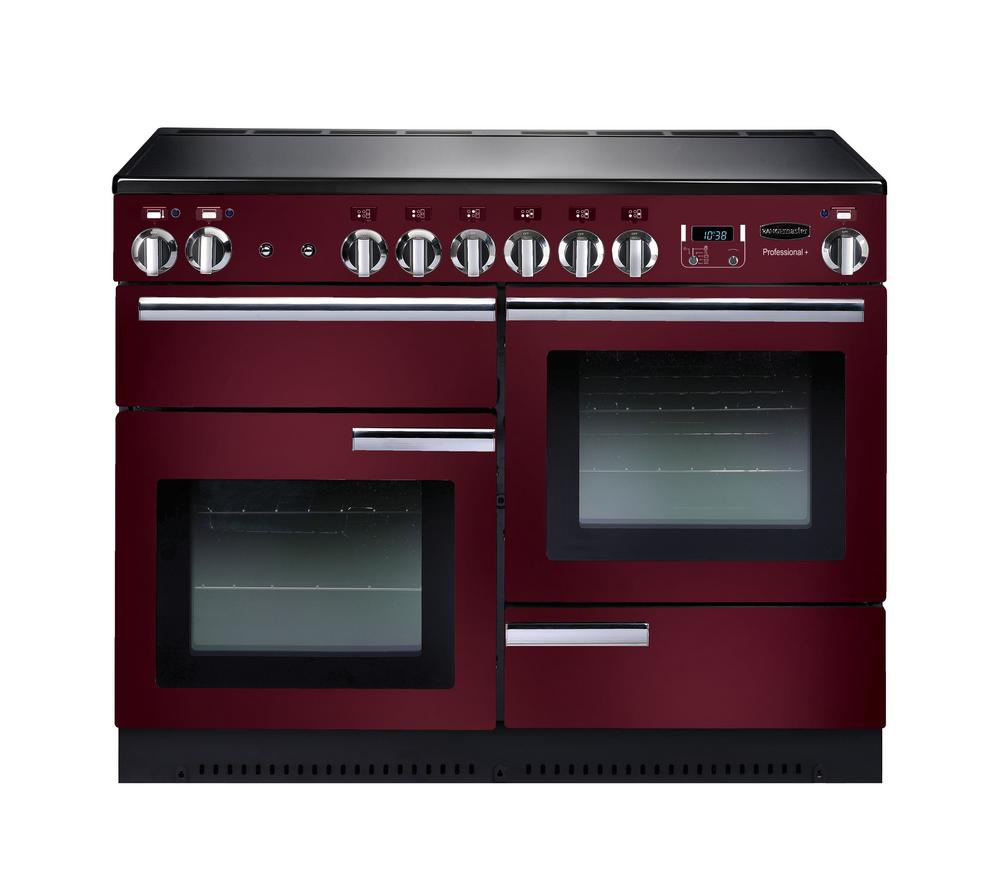
If you cook a lot at home, a full-size range cooker can completely change how your kitchen feels and functions. The Rangemaster Professional Plus PROP110ECGB/C 110cm Electric Range Cooker with Ceramic Hob in Black / Chrome is a popular choice for serious home cooks who want electric convenience, plenty of oven space and that classic range look. In this guide we’ll walk through what to think about before you buy a large electric range, how a ceramic hob fits into everyday cooking, and where close alternatives might suit you better.
Why consider a 110cm electric range cooker?
Moving up from a standard 60cm cooker to a 110cm range is a big step, but it’s one many keen cooks don’t regret. You gain extra oven cavities, more hob zones and a much larger cooking surface, which is especially handy if you regularly batch cook, host large gatherings or celebrate big family occasions.
The Rangemaster Professional Plus PROP110ECGB/C sits firmly in that space: a 110cm-wide electric range with a ceramic hob, double A-rated ovens and a style that suits modern and traditional UK kitchens alike. Thousands of owners have gone down this route; if you want a deep-dive on performance, features and user impressions, you can read our full review of the Rangemaster Professional Plus PROP110ECGB/C.
Electric vs dual fuel: what kind of range cooker suits you?
One of your first decisions is fuel type. The PROP110ECGB/C is an all-electric range: ceramic hob on top, electric ovens below. For many homes, this is the simplest option, especially if you don’t have gas in the kitchen or don’t want the extra ventilation demands of a powerful gas hob.
If you’re torn between all-electric and dual fuel, it’s worth looking at a couple of close alternatives:
- Rangemaster Professional Deluxe PDL100DFFSL/C 100cm Dual Fuel Range Cooker with Gas Hob in Slate – slightly narrower at 100cm, with a gas hob for instant heat and flame control. Ideal if you love cooking on gas but still want electric ovens.
- Rangemaster Professional Deluxe PDL100DFFCR/C 100cm Dual Fuel Range Cooker with Gas Hob in Cream – similar proposition in a softer, cream finish that suits country-style kitchens.
- Rangemaster Professional Deluxe PDL100DFFSS/C 100cm Dual Fuel Range Cooker with Gas Hob in Stainless Steel – a stainless-steel option with the same dual fuel layout, great for sleek, contemporary spaces.
All of these alternatives pair gas hobs with electric ovens and sit around the same premium bracket. If you’re firmly in the electric camp but don’t need the full 110cm width, the Rangemaster Professional Plus PROP90EICY/C 90cm Electric Range Cooker with Induction Hob in Cranberry is a more compact, induction-based take on the same idea.
Who an all-electric ceramic range is best for
An electric ceramic range, like the PROP110ECGB/C, tends to suit:
- Homes without a convenient gas supply, or where running a new gas line would be costly.
- Open-plan kitchens where a roaring gas hob might be noisier or harder to ventilate.
- Cooks who prefer a smooth, easy-wipe hob surface and don’t mind a short heat-up time.
If you want the responsiveness of gas under your pans, a dual fuel model from the Professional Deluxe line may be a better match. If speed and energy efficiency top your list, consider stepping up to induction with the PROP90EICY/C.
Getting the size right: 110cm vs 100cm vs 90cm ranges
With range cookers, a few centimetres make a big difference to how the appliance fits and feels in your kitchen. The PROP110ECGB/C is 110cm wide, which gives ample space for multiple oven cavities and a generous hob, but demands proper planning.
Planning a 110cm range in a UK kitchen
Before you fall in love with the idea of a 110cm range, grab a tape measure. You’ll need to allow the full width of the cooker, plus clearance for side walls, cabinetry and the ability to comfortably open oven doors and pull out trays. It’s also worth thinking about:
- Worktop runs: A 110cm gap in a long run of units can look deliberate and high-end. In a shorter run, it can dominate more than you expect.
- Ventilation: Check you have suitable space above the hob for an extractor or hood and that it meets clearance guidance.
- Electrics: A large electric range needs an adequate supply; factor in any electrical upgrades when planning your budget.
If your kitchen can’t quite accommodate 110cm, a 100cm dual fuel model such as the PDL100DFFSL/C, PDL100DFFCR/C or PDL100DFFSS/C could be a smart compromise. Want the professional look in a smaller space? The 90cm-wide PROP90EICY/C offers that with a modern induction hob and still feels like a proper range.
Understanding ceramic hobs: how they affect daily cooking
The “ceramic hob” part of the Rangemaster Professional Plus PROP110ECGB/C’s name tells you a lot about how it behaves in use. Under the smooth glass surface are radiant heating elements that glow red when activated. They heat the glass, which in turn heats your pans.
Ceramic hob pros and cons
In day-to-day use, a ceramic hob brings some clear advantages:
- Easy to wipe: The flat surface is simple to clean with the right cleaner and a soft cloth.
- Works with most pans: Any flat-bottomed cookware is generally fine, so you don’t have to change your whole collection.
- Sleek look: Black glass with chrome trim gives a modern, unobtrusive finish that suits most kitchens.
On the flipside, ceramic surfaces stay hot after you turn them off, so you need to be mindful with children around. They’re usually not as rapid or controllable as induction or gas, although for most everyday cooking they’re more than capable.
If the idea of almost instant power changes and quicker boiling times appeals, the Professional Plus PROP90EICY/C with an induction hob is worth a look, provided you’re happy to use induction-compatible pans.
Making the most of multiple ovens and cavities
One of the biggest upgrades when you move to a range like the PROP110ECGB/C is multi-oven cooking. Instead of juggling everything in a single cavity, you can split tasks across several spaces, each at its own temperature.
Everyday ways to use a large electric range
In a busy household, multiple ovens quickly become part of your routine. For example:
- Midweek dinners: Roast vegetables in one oven while grilling fish or chicken in another, cutting down overall cooking time.
- Batch cooking: Use both main ovens together when you cook in bulk for the freezer, then cool everything on the generous hob area.
- Entertaining: Keep side dishes warm in one cavity while you finish off mains in another, so you can serve everything hot at once.
Electric ovens are known for even, consistent heat, which is especially helpful for baking and roasting. To see exactly how the PROP110ECGB/C’s ovens are laid out and how they perform, you can read our full review of the Rangemaster Professional Plus 110cm electric range cooker.
Energy use and efficiency with a big electric range
A 110cm electric range cooker is a serious appliance, and it’s sensible to think about energy use before you buy. The PROP110ECGB/C carries A/A oven ratings, which is reassuring, but how you use the cooker makes a big difference too.
Simple ways to cook more efficiently
Whatever model you choose, a few habits help keep bills sensible:
- Use the right oven cavity: Don’t heat a large oven for a single tray of chips if a smaller cavity will do.
- Keep the door shut: Every time you open it, heat escapes and the oven has to work to recover.
- Cook in batches: If the oven is on, fill it with more than one dish so you’re making the most of the energy you’re using.
- Use residual heat: On a ceramic hob, turn zones off a minute or two before the end – they’ll stay hot long enough to finish cooking.
Induction hobs, like the one on the 90cm PROP90EICY/C, are generally the most efficient choice for the hob surface. Dual fuel models like the Professional Deluxe range swap electric hob usage for gas, which some cooks prefer for both running costs and feel.
Style and finish: fitting a range cooker into your kitchen design
The PROP110ECGB/C comes in a classic black finish with chrome accents, which pairs well with most cabinet colours and worktops. Black appliances tend to recede visually, making a large cooker feel a bit less imposing than a bright or highly reflective model.
If you have a strong sense of the look you’re going for, the alternatives span a good range of finishes:
- Slate/graphite: The Professional Deluxe PDL100DFFSL/C in Slate leans into a more industrial, contemporary feel.
- Cream: The Professional Deluxe PDL100DFFCR/C in Cream suits farmhouse and shaker-style kitchens.
- Stainless steel: The Professional Deluxe PDL100DFFSS/C in Stainless Steel works well with modern, handleless units and matches other steel appliances.
- Bold colour: The Professional Plus PROP90EICY/C in Cranberry is ideal if you’d like the cooker to become a colour accent in the room.
Think about how visible the cooker will be from other parts of your home, especially in open-plan layouts. A restrained black or steel finish is easy to live with long term, while stronger colours can be a joy if they genuinely fit your taste.
Installation, ventilation and practicalities
Big range cookers aren’t plug-and-play. The PROP110ECGB/C, like its alternatives, will usually need a qualified electrician to connect it to an appropriate circuit. Check your consumer unit, available amperage and the position of any isolation switches before you order.
Ventilation and safety considerations
Even with electric hobs, a powerful extractor or hood above the range makes a huge difference to steam, grease and odours. When planning:
- Confirm the minimum clearance between hob and hood recommended by both manufacturers.
- If you can, choose an externally vented hood rather than recirculating for better performance.
- Make sure there’s a safe, clear route to bring the cooker into the kitchen – measure doorways, tight corners and staircases.
Also think about where hot pans and trays will go when they come out of the oven. A range encourages you to have several dishes on the go at once, so generous, heatproof worktop either side is ideal.
Keeping a ceramic range cooker looking its best
A sleek black-and-chrome range is a focal point in the kitchen, so it’s worth looking after it from day one. Ceramic hob tops in particular benefit from regular, light cleaning rather than occasional heavy scrubbing.
Ceramic hob and oven care tips
- Wipe spills quickly once the hob has cooled slightly, especially sugary or starchy sauces that can bake on.
- Use a proper ceramic hob cleaner and a soft cloth or sponge; avoid abrasive pads that can scratch the glass.
- Keep oven doors and seals clean so they close properly and retain heat efficiently.
- Line trays instead of shelves where practical to reduce baked-on grease inside the oven cavities.
Getting into a routine makes a big difference. A quick wipe after cooking and a more thorough clean once a week should keep a large electric range looking smart for years.
Which of these range cookers is right for you?
If you want a full-width 110cm electric range with a ceramic hob and a classic black finish, the Rangemaster Professional Plus PROP110ECGB/C is an obvious contender. It combines multiple electric ovens, a generous hob and smart styling in a package that suits busy family kitchens and enthusiastic home cooks. For a closer look at its layout, cooking performance and owner feedback, don’t forget to read our in-depth review of the PROP110ECGB/C electric range cooker.
If you prefer gas on the hob, the Professional Deluxe dual fuel models in slate, cream or stainless steel are well worth considering. If efficiency and speed matter most, and you can live with a 90cm width, the cranberry-coloured PROP90EICY/C with induction hob offers a different, more modern take on the range cooker. Whichever route you choose, planning your space carefully and understanding how you like to cook will help you pick a range that genuinely earns its place in your kitchen.