
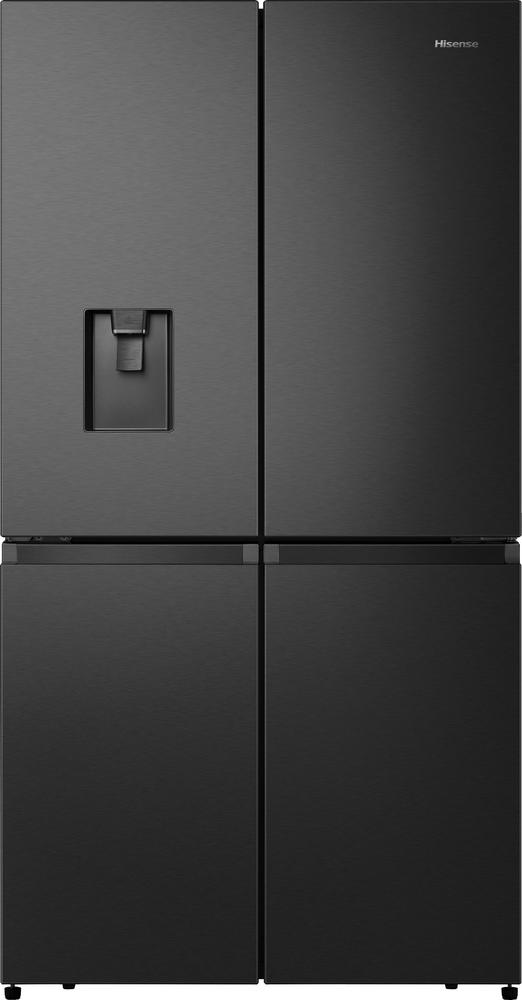
If you’re fed up with cramming the weekly shop into a standard fridge, a big American-style model can feel life-changing. The Hisense PureFlat RQ758N4SAFE Total No Frost American Fridge Freezer is a popular choice in the UK, combining a sleek four-door design with loads of space and low-fuss cooling. In this guide, we’ll walk through what to think about before you buy, how the PureFlat style fits into modern kitchens, and which alternative models are worth a look if you’re comparing options.
Why look at a Hisense PureFlat American fridge freezer?
The Hisense PureFlat range is designed around a clean, built-in look and a practical layout. The RQ758N4SAFE is a four-door American fridge freezer in a black and stainless steel finish, with Total No Frost technology and a generous capacity that suits busy families, home cooks and anyone who shops in bulk.
Rather than going deep into every specification here, this article focuses on how to choose and live with a large American fridge freezer. If you want detailed test impressions, you can always read our full review of the Hisense PureFlat RQ758N4SAFE once you’ve narrowed down your shortlist.
Four doors vs side-by-side: which layout works best?
Most American-style models fall into two camps: traditional side-by-side, with tall fridge and freezer compartments next to each other, and multi-door designs like the PureFlat RQ758N4SAFE.
A four-door setup offers a few practical advantages:
- Wider shelves in the fridge area – handy for big serving dishes, pizza boxes and baking trays.
- Better organisation – separate lower compartments make it easier to group frozen foods or set different zones for meat, veg and prepared meals.
- Smaller doors – each door is lighter and needs less clearance to open, which is useful in tighter kitchens.
If you prefer a more traditional tall side-by-side layout with large vertical freezer shelves, a model like the Hisense RS694N4TBE Non-Plumbed Frost Free American Fridge Freezer is worth considering. It keeps things simple and gives you long shelves that some people find easier for stacking boxes and bottles.
Total No Frost: why it matters day to day
The RQ758N4SAFE is a Total No Frost American fridge freezer. That means it circulates cold air around the freezer section in a way that prevents ice build-up. You don’t get that familiar snowy layer on the walls, and drawers keep sliding smoothly without sticking.
In practical terms, that gives you:
- No manual defrosting – no more emptying the freezer and chipping away ice every year.
- More stable temperatures – less ice build-up means cold air can flow freely around your food.
- Cleaner storage – packaging doesn’t freeze together, which makes grabbing one item from a stack much easier.
Most of the better American fridge freezers now offer some form of frost-free or Total No Frost cooling. When you’re browsing alternatives, it’s well worth treating this as a must-have feature, particularly if you keep your freezer well stocked.
Design and finish: making a big appliance work in your kitchen
Because American fridge freezers are such a focal point, colour and finish matter almost as much as interior layout. The Hisense PureFlat RQ758N4SAFE stands out with its black and stainless steel styling and flat doors that sit more neatly against your units than deeply contoured designs.
If you like that minimalist, premium look but prefer a full stainless steel finish, two close siblings are worth a look:
- Hisense PureFlat Infinite RQ758N4SASE Total No Frost American Fridge Freezer – a stainless steel E-rated four-door model that keeps the same PureFlat aesthetic.
- Hisense PureFlat Infinite RQ758N4SWSE Wifi Connected Non-Plumbed Total No Frost American Fridge Freezer – similar styling, but with Wi-Fi connectivity and the flexibility of a non-plumbed dispenser.
For something from a different brand with an understated, modern front, the Haier FD 70 Series 5 HFR5719ENMG Frost Free American Fridge Freezer in stainless steel is another strong option. It offers a broad, French-door style that suits open-plan kitchens and contemporary decor.
Capacity and space planning: avoiding installation surprises
One of the biggest benefits of a model like the RQ758N4SAFE is the generous capacity. It’s designed for larger households, batch cookers, or anyone who likes to keep ingredients and leftovers ready to go.
Before you commit, work through these steps:
- Measure height, width and depth of the gap where the fridge freezer will live. Don’t forget skirting boards and any pipes that might stick out.
- Allow ventilation clearance at the sides, top and back as recommended by the manufacturer, so the appliance can cool efficiently.
- Check door swing and access – can all four doors open fully without hitting cabinets or walls? Will you be able to pull out freezer drawers easily?
- Think about the route in – large American models often need careful manoeuvring through front doors, hallways and around corners.
If your kitchen is long and narrow or has an island close to the appliance space, the slightly narrower French-door layout of something like the Haier FD 70 Series 5 can sometimes work better than a full-depth side-by-side model.
Energy rating and running costs
The Hisense PureFlat RQ758N4SAFE is rated E on the current energy label. That may look middling at a glance, but modern labels are stricter than older A+, A++ and A+++ schemes, so an E-rated large-capacity American fridge freezer is still relatively efficient for its size.
To keep running costs sensible:
- Position the appliance away from direct sunlight and ovens.
- Keep the rear coils and vents free of dust so heat can escape easily.
- Avoid leaving the doors open for long stretches while you cook or unpack groceries.
- Don’t overpack shelves or block air vents inside, as that forces the cooling system to work harder.
The alternative models mentioned here, including the Hisense RS694N4TBE and the Haier FD 70 Series 5 HFR5719ENMG, also sit around the same modern E band. At this size, it’s wise to treat energy rating as one factor alongside layout and features, rather than chasing tiny differences on the label at the expense of usability.
Convenience features: what’s worth paying for?
Beyond the basics of cooling and freezing, it’s the convenience touches that shape how pleasant a fridge freezer is to live with. The RQ758N4SAFE focuses on a generous, flexible interior with Total No Frost rather than lots of connected extras, which will suit many buyers who just want a solid workhorse.
If you like the core PureFlat design but want more tech or a water dispenser, it’s worth looking at the Infinite variations:
- The Hisense PureFlat Infinite RQ758N4SASE keeps the focus on a high-end look and Total No Frost, ideal if you want a premium feel without plumbing or smart features.
- The Hisense PureFlat Infinite RQ758N4SWSE adds Wi-Fi connectivity and a non-plumbed dispenser, giving you chilled water on tap and app-based controls in many cases.
On the side-by-side front, the Hisense RS694N4TBE also offers non-plumbed convenience. Non-plumbed models can go almost anywhere in the kitchen because they don’t need a mains water line, which is a big win in many UK homes.
Living with a large American fridge freezer
Once installation is ticked off, the day-to-day experience comes down to how you use the space. A big four-door model like the RQ758N4SAFE really pays off when you organise it sensibly.
Set up logical zones
Think about how your household uses food and group items accordingly:
- Keep everyday items like milk, spreads and leftovers at eye level for quick access.
- Use one freezer compartment for ready meals and ice cream, and the other for meat, fish and batch-cooked dishes.
- Reserve a shelf or drawer for “use this first” items that are close to their dates to cut down on waste.
Cleaning and maintenance
Even with Total No Frost looking after the ice, a large American fridge freezer needs occasional TLC:
- Wipe up spills quickly so they don’t harden or leave odours.
- Clean door seals with a mild, non-abrasive cleaner to help them stay flexible and airtight.
- Give shelves and drawers a wash in warm soapy water every few months.
- Vacuum around the base and vents to keep airflow clear.
These simple steps help your appliance stay efficient and keep food fresher for longer.
Comparing the Hisense PureFlat RQ758N4SAFE with close alternatives
If you’ve decided a large American fridge freezer is right for you, the next step is comparing specific models. Here’s how the RQ758N4SAFE sits alongside some key alternatives mentioned earlier.
Same family, different flavour: PureFlat vs PureFlat Infinite
The RQ758N4SAFE and its Infinite cousins share the same broad PureFlat concept, but appeal to slightly different buyers:
- RQ758N4SAFE – a family-friendly, black and stainless steel four-door model with Total No Frost and an E rating, focused on capacity and practicality.
- RQ758N4SASE Infinite – ups the visual polish with a full stainless finish while keeping similar core cooling technology.
- RQ758N4SWSE Infinite – adds smart connectivity and non-plumbed convenience, ideal if you like to tweak settings from your phone or enjoy cold water straight from the door.
If you’re torn between them, it’s worth taking a few minutes to read our full review of the Hisense PureFlat RQ758N4SAFE alongside the Infinite models to see which set of features most closely matches your priorities.
Hisense RS694N4TBE: sticking with side-by-side
The Hisense RS694N4TBE is a good option if you want a more traditional side-by-side design but still like the idea of a non-plumbed water and ice dispenser. It offers Frost Free cooling and an E rating in a bold black finish.
This style suits households that prefer tall, continuous shelves for bottles and jars or who are already used to side-by-side layouts. It can also be a better fit if you have a narrower gap but plenty of depth to play with.
Haier FD 70 Series 5: a strong multi-door rival
Not everyone wants to stay within a single brand, and that’s where the Haier FD 70 Series 5 HFR5719ENMG comes in. It’s a Frost Free American fridge freezer with a similar emphasis on flexible storage and a modern stainless-steel look.
If you like the idea of wide shelving, spacious drawers and a clean front, but want to compare how different manufacturers handle interior layout, it’s well worth putting the Haier FD 70 Series 5 alongside the Hisense PureFlat models in your shortlist.
Is a large American fridge freezer right for you?
Before you hit “buy now” on a big four-door model, it helps to ask a few final questions:
- Do you genuinely need the capacity? If you cook from scratch, host often or have a large family, the space is likely to be fully used. For a single person or couple who dine out most nights, a large American model can be overkill.
- Will it fit logistically? Measure carefully, check access routes and door swings, and think about how it will look alongside your cabinets and flooring.
- Are the running costs acceptable? An E-rated American fridge freezer is reasonable for its size, but it will still use more electricity than a compact model. Make sure that trade-off makes sense for your household.
- Which features matter most? Decide whether you care more about Wi-Fi features, water and ice, styling, or simply having the most practical interior for your groceries.
Next steps
The Hisense PureFlat RQ758N4SAFE is a strong example of a modern, family-friendly American fridge freezer, with a layout and finish that work well in many UK kitchens. Whether you’re leaning towards this model, a PureFlat Infinite variation, a side-by-side design like the RS694N4TBE or a rival such as the Haier FD 70 Series 5, the key is to match the appliance to your space and habits.
Once you’ve narrowed down your favourites, take a closer look at real-world performance, storage quirks and noise levels by exploring the in-depth reviews linked throughout this guide. That way, you can buy with confidence and enjoy your new American fridge freezer for years to come.