
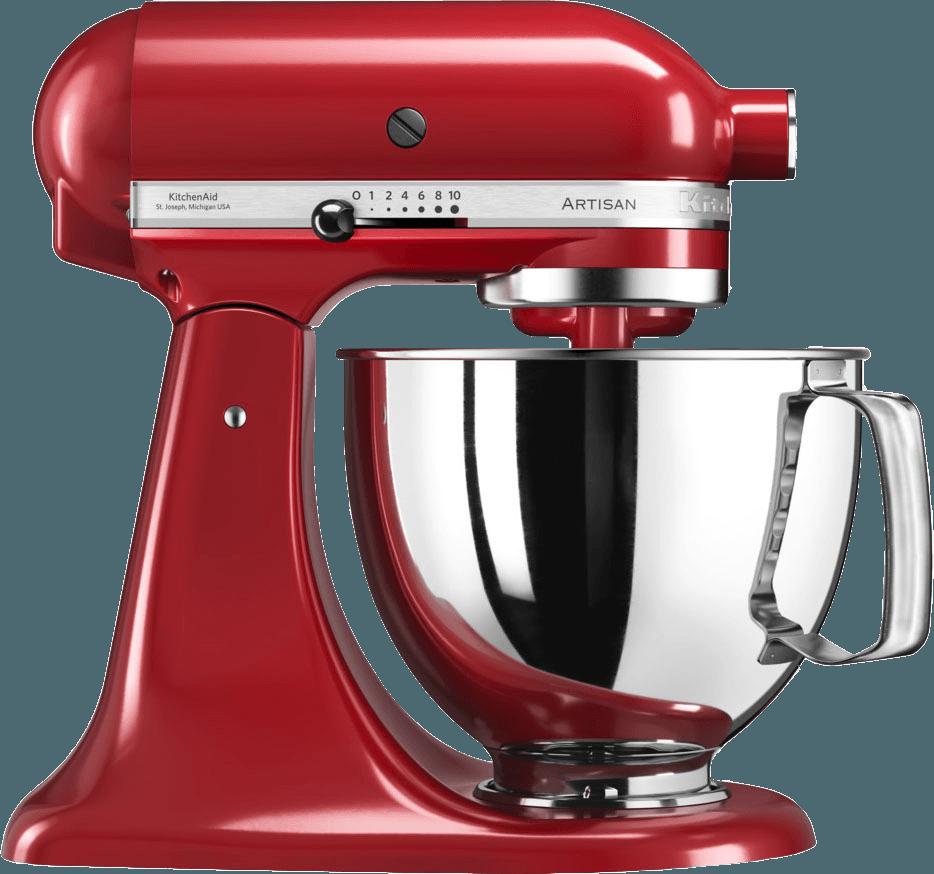
The stand mixer has quietly become the centrepiece of many UK kitchens, doing the hard work for everything from Sunday loaves to midweek brownies. If you’re considering investing in a premium model, the KitchenAid Artisan 5KSM175PSBAC Stand Mixer with 4.8 litre bowl in Almond Cream is likely already on your shortlist. This guide walks you through what it’s really like to live with a stand mixer of this calibre, how to decide if it’s right for you, and which close alternatives are worth a look before you buy.
Why the KitchenAid Artisan 5KSM175PSBAC stands out
The KitchenAid Artisan range has become something of an icon, and the 5KSM175PSBAC in Almond Cream fits the bill beautifully. It pairs a generous 4.8 litre bowl with a robust motor and classic styling that looks at home in traditional and modern kitchens alike. With a rating of 4.9 out of 5 from well over a thousand reviews, it clearly has plenty of satisfied owners.
What makes it different from cheaper mixers is less about flashy specs and more about day-to-day feel: steady, even mixing, a weighty build that doesn’t walk across the counter and a tilt-head design that makes it easy to add ingredients and swap attachments. If you want a closer look at performance, noise and everyday usability, you can read our full review of the KitchenAid Artisan 5KSM175PSBAC Stand Mixer once you’ve finished this buying guide.
Choosing the right size: is 4.8 litres enough?
Capacity is one of the most practical decisions you’ll make. A 4.8 litre bowl sits in the sweet spot for most home bakers. It’s large enough to handle family-sized cakes, batches of biscuits and standard bread dough recipes, without dominating your worktop or being awkward to store.
Ask yourself:
- How often do you bake? If you only bring out the mixer for birthdays and Christmas, a compact size is fine. Regular bakers benefit from the versatility of a mid-sized bowl.
- Do you batch cook? If you routinely bake double or triple recipes, you’ll appreciate the extra room of a 4.8 litre bowl compared with smaller models.
- How much counter space do you have? A stand mixer is heavy, so most people leave it out. Measure your space before you commit.
The Almond Cream 5KSM175PSBAC shares its bowl size with close cousins in the range, such as the KitchenAid Artisan 5KSM125BAC Stand Mixer in Almond Cream, so if the capacity feels right but you’re debating which model to buy, you’re already on the right track.
Style and colour: matching your mixer to your kitchen
It’s not all about performance. A stand mixer tends to live permanently on the worktop, so its look matters. The 5KSM175PSBAC in Almond Cream is a soft, neutral shade that works well in shaker-style kitchens, lighter Scandi schemes and more traditional spaces.
If you prefer something bolder, you may gravitate towards the black Onyx version, the KitchenAid Artisan 5KSM175PSBOB Stand Mixer with 4.8 Litre Bowl. It offers similar core capabilities in a darker, more dramatic finish that pairs nicely with black or stainless appliances. The core question is simple: do you want your mixer to blend in or stand out? Both options deliver the same unmistakable silhouette.
What you can realistically do with a 4.8L stand mixer
A mid-sized stand mixer opens up a huge range of recipes. With a model like the 5KSM175PSBAC, you can comfortably tackle:
- Cakes and sponges: Cream butter and sugar until light and airy, then fold in flour without overworking.
- Breads and pizza doughs: Use the dough hook for smooth, elastic dough without kneading by hand.
- Meringues and whipped cream: The whisk attachment makes short work of volume-heavy tasks.
- Biscuits and traybakes: Mix stiffer doughs evenly so every batch bakes consistently.
Where mixers can reach their limits is with extremely heavy, very large bread batches or tough doughs made in one go. For most home cooks, sticking within the recommended batch sizes and giving the motor a short rest between loads is all that’s needed to keep things running smoothly.
Attachments and accessories: what matters most
Different versions of the Artisan stand mixer come with slightly different accessory bundles, but the essentials are the same. Typically you’ll see:
- Flat beater for cake batters, biscuit doughs and general mixing.
- Wire whisk for whipping cream, egg whites and light mixtures.
- Dough hook for bread, pizza and enriched doughs like brioche.
These three handles the majority of tasks, so don’t feel pressured into choosing a model purely because it advertises an extra bowl or splash guard unless you know you’ll appreciate them. The KitchenAid Artisan 5KSM125BAC, for example, is a close alternative in Almond Cream that focuses on the core tools at a generally lower price point. If you mostly bake simple cakes and breads, it may offer better value while delivering a very similar day-to-day experience.
Noise, weight and everyday practicality
A stand mixer is not a silent appliance, but premium models aim for a more controlled, less rattly sound. Expect a steady hum at low speeds, rising to a more assertive tone when kneading tough dough. If your kitchen is open-plan, consider when you’ll use it most, and whether the noise levels are likely to disturb others.
The weight of a model like the 5KSM175PSBAC is actually an advantage. It keeps the mixer planted on the worktop when tackling dense mixtures and helps avoid wobble. However, it also means you’re unlikely to want to move it in and out of cupboards; planning a permanent spot for it is sensible. Think about clearance under wall units too, as the tilt-head needs room to rise.
Almond Cream vs Onyx Black: picking between Artisan models
If you’ve narrowed things down to the Artisan range and a 4.8 litre bowl, you may find yourself deliberating between colour options and subtle model differences. The Almond Cream 5KSM175PSBAC and the Onyx Black 5KSM175PSBOB sit side-by-side within the same family, offering a similar mix of power, capacity and attachments, but with very different visual impact.
Meanwhile, the 5KSM125BAC in Almond Cream pairs the same classic look and bowl size with a more streamlined accessory set, making it an appealing choice if you prefer to keep things simple. If you’re unsure which model is right for you, it’s worth comparing the accessory lists and reading our in-depth coverage – you can always dive into our full KitchenAid Artisan 5KSM175PSBAC review for detailed impressions.
How to get the best results from your stand mixer
Once you’ve chosen your mixer, a few simple habits make a big difference to your baking results and the machine’s lifespan.
Start slow, then increase speed
Always begin mixing on a low setting, especially with flour or icing sugar in the bowl. This reduces clouds of dust and helps ingredients come together gradually. Once everything is partially combined, increase the speed to the level recommended in your recipe.
Scrape the bowl periodically
Even with good planetary mixing action, a small amount of mixture can cling to the sides and base of the bowl. Pause the mixer, scrape round with a spatula and then continue. This is particularly important for thicker batters or when creaming butter and sugar.
Pay attention to the beater height
If your beater seems to be missing ingredients at the bottom of the bowl, or scraping too much, you may need to adjust its height. Stand mixers are usually designed with a simple adjustment screw so you can tweak the distance between the attachment and the bowl. Small adjustments can noticeably improve mixing.
Caring for your stand mixer so it lasts
A mixer like the 5KSM175PSBAC is an investment, and a bit of care goes a long way towards keeping it performing well for years.
- Clean as you go: Wash the bowl and attachments after each use and wipe down the mixer body with a soft, damp cloth.
- Avoid harsh abrasives: Stick to non-scratch sponges and mild detergents to preserve the finish.
- Store attachments safely: Keep beaters, whisks and dough hooks together so you’re not tempted to use the wrong tool for the job.
- Don’t overwork the motor: Follow guidance on maximum batch sizes and give the mixer a rest between heavy doughs.
Treat it well, and a stand mixer can see you through years of everyday bakes and special occasions alike.
When a simpler Artisan model might make more sense
Not everyone needs every extra accessory or finish option. If your main aim is to upgrade from a hand mixer to something more powerful and stable, the KitchenAid Artisan 5KSM125BAC Stand Mixer is a strong contender. It offers the same recognisable design in Almond Cream with that 4.8 litre bowl, but focuses on the must-have tools rather than bundles of extras.
This can be a smart way to keep your budget under control without stepping down to a flimsy machine. If you later decide you want additional attachments, many can be purchased separately, allowing you to build up your mixer over time rather than over-buying on day one.
Is the Artisan 5KSM175PSBAC right for you?
To decide whether the KitchenAid Artisan 5KSM175PSBAC is the best fit, consider three key questions:
- How seriously do you bake? Frequent bakers or keen hobbyists will appreciate the stability, capacity and consistency of a mixer in this class.
- Do you value design? If you want a mixer that looks as good as it performs, the Artisan range, especially in shades like Almond Cream or Onyx Black, is designed with that in mind.
- What’s your budget? If the 5KSM175PSBAC stretches it, the Onyx Black 5KSM175PSBOB or the slightly simpler 5KSM125BAC may give you a similar experience at a more comfortable price point, depending on current deals.
Armed with those answers, you can decide whether to go for the full-featured Almond Cream hero model, a darker statement piece like the 5KSM175PSBOB, or the more streamlined 5KSM125BAC.
Final thoughts
A well-chosen stand mixer can transform how you bake, taking the strain out of everyday recipes and giving you the confidence to tackle more ambitious projects. The KitchenAid Artisan 5KSM175PSBAC Stand Mixer with its 4.8 litre bowl and Almond Cream finish is a strong candidate if you want a machine that performs reliably and looks the part on your worktop.
Before you commit, it’s worth exploring the finer details of noise levels, attachments and build quality. For that deeper dive, you can read our full review of the KitchenAid Artisan 5KSM175PSBAC Stand Mixer with 4.8 Litre Bowl, and compare it with the Onyx Black 5KSM175PSBOB and the Artisan 5KSM125BAC. With the right information, you can choose a stand mixer that suits your kitchen, your recipes and your budget for years to come.