
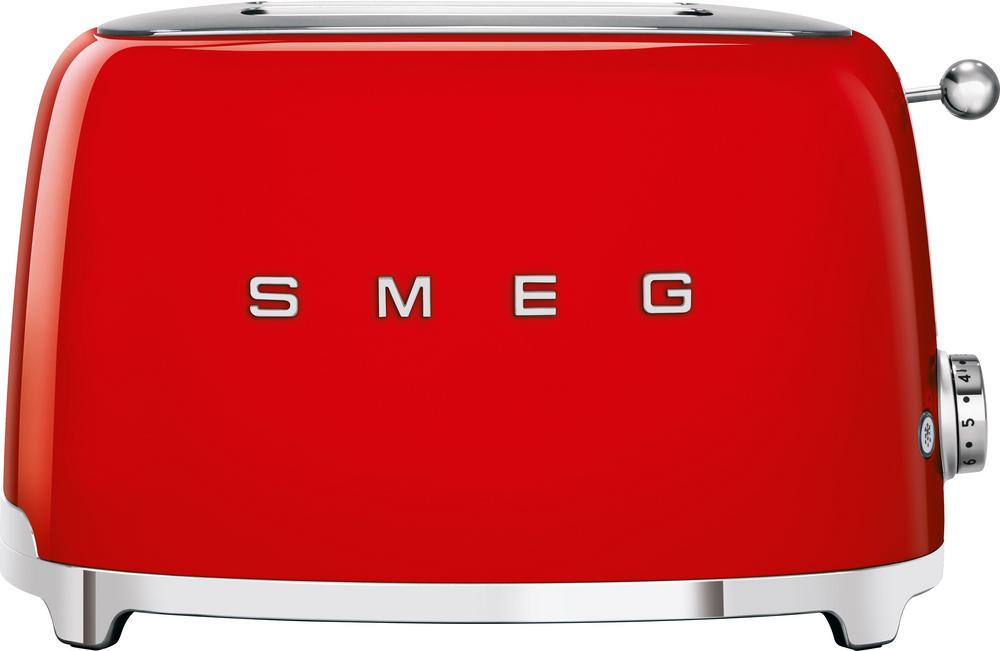
If you’re the sort of person who cares what sits on your kitchen worktop, a toaster isn’t just about turning bread brown – it’s part of the room’s look and feel. The Smeg 50’s Retro TSF01GRUK 2 Slice Toaster in grey is a classic example: a compact appliance that doubles as a piece of design. In this guide we’ll look at what to consider when choosing a premium 2 slice toaster like this, how the grey model compares with other colours from the same range, and a few tips to keep yours looking and performing at its best.
Why design-led toasters are so popular
Toasters used to be purely functional, but in many modern kitchens they’re always on show. That’s why design-led models with curved edges, bold colours and retro touches have become so popular. A well-chosen toaster can pick out an accent shade, soften a very modern kitchen, or bring a splash of personality to an all-white space.
The Smeg 50’s Retro TSF01GRUK 2 Slice Toaster in grey sits firmly in that category. It’s compact, has the trademark rounded 1950s styling and a neutral colour that works with most schemes, from warm wood to cool concrete. If you want to dig into every detail of this particular model, you can read our full review of the Smeg 50’s Retro TSF01GRUK 2 Slice Toaster, but here we’ll focus on how to choose and use a toaster like this day to day.
2 slice vs 4 slice: which is right for you?
Before falling in love with any design, it’s worth being realistic about size. A 2 slice toaster like the TSF01 range is usually perfect for:
- Singles or couples who toast once or twice a day
- Smaller kitchens where worktop space is limited
- People who want a lighter, easier-to-move appliance
A 4 slice toaster makes more sense if several people regularly want toast at the same time. However, remember that 4 slice models are bulkier and more dominant visually. If you’re aiming for a clean, uncluttered look, the smaller footprint of a 2 slice model can be a real advantage.
What to look for in a premium 2 slice toaster
Once you’ve decided that 2 slices is enough, it’s time to look at the details that actually affect everyday use.
Browning control and consistency
Most people have a very particular idea of what “perfect toast” looks like. A good toaster should offer several browning levels and be consistent from one cycle to the next. With the 50s Retro range, you get that familiar browning dial, so every member of the household can find and remember their setting.
If you’re fussy about toast, it’s worth reading more about real-world performance – our hands-on impressions of the grey model are in the in-depth Smeg 50’s Retro TSF01GRUK toaster review.
Slot size and bread types
Slot size is easy to overlook, but it makes a difference if you enjoy artisan loaves or thick-cut slices. Many premium 2 slice toasters are designed to cope with slightly taller or wider bread, but you’ll still sometimes need to rotate a very large slice halfway through. Crumpets, bagels and teacakes usually fit well in this style of toaster, and having an even, strong heat across the elements helps avoid pale bottoms and overdone tops.
Practical features you’ll appreciate over time
Beyond the visuals, look out for a few sensible features that make life easier:
- High-lift lever – to lift small slices or crumpets a little higher, so you don’t have to dig around with your fingers.
- Cancel button – to stop the cycle instantly if the toast is browning faster than expected.
- Reheat and defrost functions – handy if you freeze bread or need to warm up toast without burning it.
- Removable crumb tray – for keeping on top of crumbs and avoiding burnt smells.
All of these are the sort of features you’ll find in a well-specified retro-style toaster, and they’re worth checking for if you’re comparing models.
Choosing your perfect colour: grey and beyond
One of the biggest decisions with this range isn’t about features at all – it’s about colour. Because the basic design is consistent across the Smeg 50’s Retro 2 slice line-up, you can choose a shade that fits your kitchen without sacrificing functionality.
Grey: a safe, stylish neutral
The TSF01GRUK in grey is ideal if you want something understated that still looks premium. Grey works especially well in modern kitchens with stainless steel appliances, stone worktops or darker cabinets. It’s less stark than white and less prone to showing fingerprints than chrome, making it a good everyday choice.
If you like the idea of a design-led toaster but don’t want it to dominate the room, the grey finish is a sensible middle ground.
Pastel green: soft and vintage-inspired
If you’re leaning into a softer, more nostalgic look, the Smeg 50’s Retro TSF01PGUK 2 Slice Toaster in pastel green is a lovely alternative. The gentle green tone brings a hint of colour without feeling loud or overpowering, and it pairs beautifully with pale woods, cream cabinetry or white metro tiles. It’s a popular choice for cottage-style or “country modern” kitchens.
Pink: bold, playful and perfect for statement kitchens
For something more playful, the Smeg 50’s Retro TSF01PKUK 2 Slice Toaster in pink turns your toaster into a clear focal point. It works well as a pop of colour in otherwise neutral spaces, or as part of a more eclectic scheme. If you already have pastel or rose-toned accessories, this can tie everything together nicely.
Chrome: sleek and reflective
The Smeg 50’s Retro TSF01SSUK 2 Slice Toaster in chrome is aimed at fans of a high-gloss, almost mirror-like finish. It can look stunning in very modern, minimalist kitchens or alongside lots of stainless steel. Just be aware that chrome tends to show fingerprints and water spots more than matte finishes, so you may need to wipe it down more often to keep it looking its best.
Matte white: crisp, clean and understated
If you prefer a softer, contemporary twist on a classic white appliance, the Smeg 50’s Retro TSF01WHMUK 2 Slice Toaster in matte white is worth a look. The matte finish gives it a more refined feel than traditional glossy white, and it blends effortlessly into bright, airy kitchens. It’s also a good choice if you rotate your accessories often, as it tends to work with almost any accent colour you introduce later.
Thinking about value and longevity
A premium toaster is an investment, so it’s sensible to think beyond the first week of use. When you pay more, you’re often getting:
- A heavier, more solid build that feels stable on the worktop
- Controls that click and glide smoothly
- Finishes and detailing that look expensive up close
However, even the best toaster benefits from a bit of care. Regular cleaning, sensible positioning and occasional checks for wear will help it last longer and keep performing well. If you’re weighing up whether the grey TSF01GRUK is worth it for you, our hands-on impressions in the full TSF01GRUK 2 Slice Toaster review will give a clearer idea of everyday performance and reliability.
How to position your toaster safely and neatly
Once you’ve chosen your model and colour, it’s worth thinking about where it will live. Because this style of toaster is designed to be seen, many people keep it out all the time. To keep things both safe and tidy:
- Place it on a heat-resistant, flat surface with plenty of ventilation.
- Keep it away from curtains, wall cabinets or shelves directly above the slots.
- Avoid tucking it too tightly under wall units, as heat and steam can mark them over time.
- Use a nearby plug socket so you don’t have trailing leads across the worktop.
With a design-led toaster, the power cable is part of the visual impact too, so think about how it runs along the worktop and where any excess cable can be stored.
Simple maintenance to keep your toaster in top condition
Looking after a toaster is straightforward, but a few good habits make a big difference to performance and appearance.
Empty the crumb tray regularly
Crumbs at the bottom of the toaster are more than just untidy – they can burn, smoke and affect the taste of fresh toast. Get into the habit of sliding out the crumb tray and emptying it into the bin at least once a week, or more often if you toast every day. Always do this when the toaster is unplugged and completely cool.
Wipe the exterior gently
For painted, pastel and matte finishes, a soft damp cloth followed by a dry microfibre works best. Avoid abrasive sponges or harsh cleaners, as they can scratch or dull the surface. Chrome and glossy models benefit from a quick buff with a clean microfibre cloth to remove fingerprints and streaks.
Never poke inside with metal objects
It’s tempting to fish out stuck toast with a knife or fork, but it’s unsafe and can damage the heating elements. Instead, unplug the toaster, let it cool fully, then gently turn it upside down over the sink or bin and shake to dislodge crumbs. If food regularly gets stuck, it may be a sign that you’re using very large slices or thick items that aren’t suited to the slot size.
Getting the best toast every morning
Once your toaster is set up, a few small tweaks can help you get consistently good toast.
- Start low with a new bread – different loaves brown differently. Begin on a lower setting and increase gradually.
- Use defrost for frozen slices – the dedicated setting helps avoid a burnt exterior and cold middle.
- Reheat instead of re-toasting – if toast has gone cold, use the reheat function rather than a full cycle to avoid overbrowning.
- Rotate very tall slices – if the top sticks out of the slot, toast once, then flip to even up the colour.
Over time you’ll get to know how your toaster behaves with your favourite breads, and you’ll be able to set the browning level almost on instinct.
Matching your toaster with other small appliances
One of the appeals of this retro-style range is the ability to match or coordinate your toaster with other small appliances like kettles. You don’t have to go for a perfectly matching set, though. Some people prefer a coordinated but not identical look, for example:
- Grey toaster with chrome kettle and stainless steel coffee machine
- Pastel green toaster with cream or white kettle for a softer palette
- Pink toaster as the only bold accent, with everything else neutral
Thinking about your overall worktop “landscape” before buying helps avoid visual clutter and makes your chosen colour feel intentional.
When a different colour might suit you better
Even if you start by looking at the grey TSF01GRUK, it’s worth asking a few quick questions before making up your mind:
- Do you want the toaster to blend in or stand out?
- Is your kitchen mostly warm-toned (creams, woods) or cool-toned (greys, blacks, steel)?
- Are you likely to change your kitchen colours soon?
If you’d like the toaster to almost disappear, matte white is a strong candidate. If you want it to feel like a deliberate accent, pink or pastel green could be ideal. And if you love clean, modern lines, chrome can deliver that hotel-bar sparkle, provided you’re happy to give it a quick polish now and then.
Bringing it all together
A 2 slice toaster may seem like a simple purchase, but when it lives on your worktop every day, the details matter. The Smeg 50’s Retro TSF01GRUK 2 Slice Toaster in grey offers a blend of classic styling and everyday practicality that suits a wide range of kitchens, while its pastel green, pink, chrome and matte white siblings let you tune the look to match your own space.
If you’d like to go beyond the design and see how these toasters perform under real daily use, explore our in-depth write-ups – starting with the full review of the Smeg 50’s Retro TSF01GRUK 2 Slice Toaster – and then compare the pastel green, pink, chrome and matte white versions to decide which one deserves a permanent spot on your kitchen counter.