
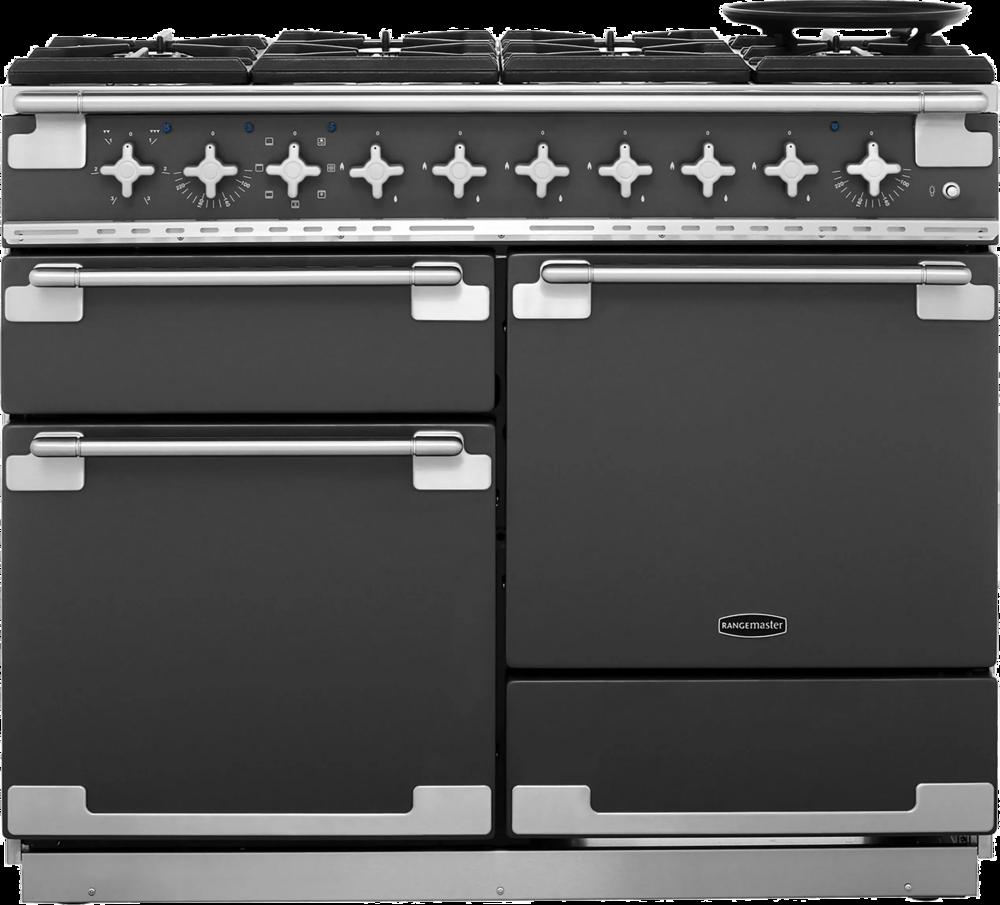
If you love to cook, few upgrades feel as satisfying as installing a full-width range cooker. The Rangemaster Elise ELS110DFFSB 110cm Dual Fuel Range Cooker in Stone Blue is a classic example of why so many home cooks dream of a big, statement appliance: bags of oven space, a generous gas hob and a design that genuinely becomes the heart of the kitchen. But is a 110cm dual fuel range really right for you, and how does the Elise compare with other options in the same family?
Why a 110cm dual fuel range cooker appeals to keen home cooks
Stepping up to a 110cm range is about more than just size. You get multiple ovens, a spacious gas hob and a layout that lets you cook flexibly for everyday meals and big gatherings alike. Dual fuel adds to that appeal by combining responsive gas burners with the consistent, even heat of electric ovens.
The Rangemaster Elise ELS110DFFSB sits firmly in this sweet spot. With its distinctive Stone Blue finish and triple A oven ratings, it’s clearly designed for people who cook often and care about both performance and style. If you want a deeper dive into performance, functions and day-to-day usability, you can read our full review of the Rangemaster Elise ELS110DFFSB 110cm Dual Fuel Range Cooker, then come back to this guide for broader buying advice.
Working out if a 110cm range cooker will fit your kitchen
Before you fall in love with any specific model or colour, it pays to be practical about space. A 110cm range is wider than a standard 60cm cooker, so you need to think beyond simple width measurements.
Measure more than just the gap
Start by measuring the available width, depth and height of the intended space, including skirting boards, pipes and any awkward corners. Most 110cm ranges are designed to fit in a standard depth run of units, but it’s worth checking the exact product dimensions and recommended clearances in advance.
Leave a little breathing room on each side if possible. This helps with ventilation, makes installation easier and gives your worktops a more balanced look. Remember to think about door swing too – you’ll want to open oven doors fully without knocking into islands, tables or doors.
Ventilation and extraction
A larger hob area means more steam, grease and cooking odours. It’s worth planning an extractor hood that matches the width of your range cooker and offers solid extraction power. Many people pair a bold range like the Elise with a complementary chimney or canopy hood to create a focal point on the wall.
Choosing between dual fuel designs and styles
Once you know a 110cm range will physically work, the next decision is which look and layout you prefer. One major appeal of the Elise is its modern yet slightly continental styling, especially in the Stone Blue colourway. But there are several other 110cm dual fuel models that might suit your taste better while offering similar performance.
Contemporary vs classic styling
If you’re drawn to the clean, modern lines of the Elise but want an even more contemporary aesthetic, the Nexus SE family is worth a look. The Rangemaster Nexus SE NEXSE110DFFBL/C 110cm Dual Fuel Range Cooker in Black / Chrome and the Nexus SE NEXSE110DFFCB/C in Charcoal Black both push the look further towards a sleek, minimal finish. These models tend to appeal in modern, handleless or monochrome kitchens.
Prefer something softer and warmer? The Nexus SE NEXSE110DFFIV/C in Ivory / Chrome offers a lighter look that still feels contemporary, while the Classic Deluxe CDL110DFFRG/B 110cm Dual Fuel Range Cooker in Racing Green / Brass leans into a much more traditional, heritage-inspired aesthetic with its brass detailing.
In comparison, the Elise ELS110DFFSB has a refined, almost French-inspired style with a flat door design, distinctive handles and a colour that works beautifully against pale cabinetry, natural wood or even darker, moody schemes.
Oven layout: how you’ll actually use a big range cooker
At 110cm wide, you’re almost always getting more than one oven, plus either a separate grill or an extra cavity. This is where it helps to think about how you cook day-to-day, not just at Christmas.
Everyday flexibility vs big-occasion power
For a small household, a large range can still make sense if you use one oven most of the time and bring the others into play for batch cooking, meal prep or entertaining. With the Elise, you typically get multiple electric ovens, each with its own set of functions, so you can roast in one and bake in another without compromise.
When comparing with the Nexus SE and Classic Deluxe alternatives, look carefully at where the main oven sits and which side the taller oven is on. Some people strongly prefer their main oven on the left or right based on the layout of their kitchen, work triangle and which hand they use most often. It’s also worth checking whether there’s a dedicated grill and whether it doubles as an extra oven space.
Using multiple ovens smartly
To keep energy use sensible, treat your ovens like zones. Use the smallest oven for weeknight dinners, and save the full multi-oven setup for weekends and gatherings. Batch roasting veg, baking trays of granola or preparing multiple lasagnes at once can make the most of the extra capacity and save you time later in the week.
If you’re curious about how the Elise’s ovens are laid out and which functions you get, you’ll find a detailed breakdown when you read our in-depth review of the Rangemaster Elise ELS110DFFSB.
Gas hob practicality on a 110cm dual fuel cooker
The gas hob on a 110cm dual fuel model is often what wins people over. With more width to play with, you can spread out pans, use larger woks or griddles and avoid the juggling act you get on a standard-size cooker.
Burner layout and pan space
Look at the hob layout and think about your most-used pans. Do you regularly use a large frying pan, a stockpot and a couple of smaller saucepans at the same time? A 110cm range usually gives you ample room, but some models focus the power in a couple of big burners, while others spread it more evenly.
The Elise’s gas hob is designed with everyday usability and more adventurous cooking in mind. You can simmer sauce on a smaller burner while bringing a big pot to the boil on a more powerful burner, making it easier to cook full meals without compromise. Alternatives like the Nexus SE range also offer generous gas hob setups, so it’s worth comparing layouts if you do a lot of stir-fries, searing or heavy pan work.
Energy ratings and running costs in real life
Large cookers can look intimidating from an energy perspective, but the Elise ELS110DFFSB is rated A/A/A across its ovens, reflecting a focus on efficient performance. That doesn’t mean you can be careless with how you use it, but it does mean you’re starting from a solid base.
Simple habits that keep costs down
- Use the smallest oven that will fit your dish instead of automatically heating the largest cavity.
- Batch cook and fill the oven with more than one tray when possible.
- Keep the oven doors closed while cooking to avoid heat loss.
- Use timers and, where available, fan settings to shorten cooking times.
With big ranges such as the Elise, Nexus SE or Classic Deluxe, the biggest savings usually come from using them intelligently rather than from spec-sheet differences alone.
Colour and finish: making a range cooker part of your design scheme
A 110cm range is visually dominant, so colour choice matters. The Stone Blue finish of the Elise is a key part of its appeal, offering a gently bold colour that’s easier to live with than bright primary tones, but more interesting than basic black or stainless steel.
Choosing the right colour family
Neutral kitchens often benefit from a coloured range becoming the focal point. Stone Blue, Racing Green and Ivory all work well against white or pale grey cabinetry. If you prefer an ultra-modern, understated look, the Black or Charcoal versions of the Nexus SE keep things sleek, especially in contemporary spaces with handleless units or darker worktops.
Hardware also plays a role. Brass accents on a traditional-style cooker can tie in with brass taps and handles, while chrome detailing feels crisper and blends more easily with stainless steel sinks and appliances.
Cleaning and caring for a large range cooker
Owning a big range doesn’t have to mean hours of scrubbing, but a bit of routine care goes a long way to keeping it looking its best.
Little-and-often cleaning routine
On the hob, try to wipe up spills once the surface has cooled down, especially sugary or starchy splashes that can burn on. Use soft cloths and non-abrasive cleaners on enamel and painted finishes, and avoid harsh scouring pads that could dull the colour or scratch the surface.
For the ovens, check what type of liners or coatings are used inside. Some models make cleaning easier with enamel that resists sticking, or liners that can be wiped down more easily. Keeping a tray at the bottom of the oven to catch drips, and wiping the doors regularly, helps prevent build-up that’s harder to tackle later.
Comparing key Elise alternatives at a glance
If the general idea of a 110cm dual fuel range appeals but you’re not sure the Elise is your perfect match, these alternatives are worth shortlisting:
- Rangemaster Nexus SE NEXSE110DFFBL/C 110cm Dual Fuel Range Cooker in Black / Chrome – for a crisp, contemporary black-and-chrome look that suits modern kitchens.
- Rangemaster Nexus SE NEXSE110DFFCB/C 110cm Dual Fuel Range Cooker in Charcoal Black – a slightly softer, deeper take on black that pairs well with industrial or dark schemes.
- Rangemaster Nexus SE NEXSE110DFFIV/C 110cm Dual Fuel Range Cooker in Ivory / Chrome – ideal if you want a light, bright, yet still modern feel.
- Rangemaster Classic Deluxe CDL110DFFRG/B 110cm Dual Fuel Range Cooker in Racing Green / Brass – a great choice if you prefer a more traditional, country-leaning look with heritage colours and brass highlights.
All of these operate in a similar performance space to the Elise, so your decision is likely to come down to styling, colour, oven layout preferences and how they’ll sit alongside your existing cabinetry and flooring.
Planning your purchase and installation
Once you’ve narrowed down your shortlist, it’s worth double-checking a few practicalities before you order.
- Confirm that your gas and electrical supplies meet the requirements for the specific model you’ve chosen.
- Measure doorways, hallways and tight corners to make sure delivery and installation are realistic.
- Consider whether you’ll need any cabinetry adjustments or a new splashback and hood to finish the look.
- Book a qualified installer in advance, especially during busy periods.
Because a 110cm range is a long-term purchase, it’s also worth thinking about how your cooking habits might change in the next few years – for example, more entertaining, a growing family, or getting into baking or batch cooking.
Bringing it all together
A 110cm dual fuel range cooker like the Rangemaster Elise ELS110DFFSB can completely transform how you cook and how your kitchen feels. The combination of generous ovens, a flexible gas hob and a distinctive Stone Blue finish makes it a standout choice if you want an appliance that works hard and looks the part.
Whether you ultimately gravitate towards the Elise, one of the sleek Nexus SE models, or the more traditional Classic Deluxe, the key is to match the layout, size and style to the way you actually cook. For a closer look at what the Elise offers in real-world use, be sure to read our full review of the Rangemaster Elise ELS110DFFSB 110cm Dual Fuel Range Cooker, then explore the linked alternatives to find the perfect fit for your home.