
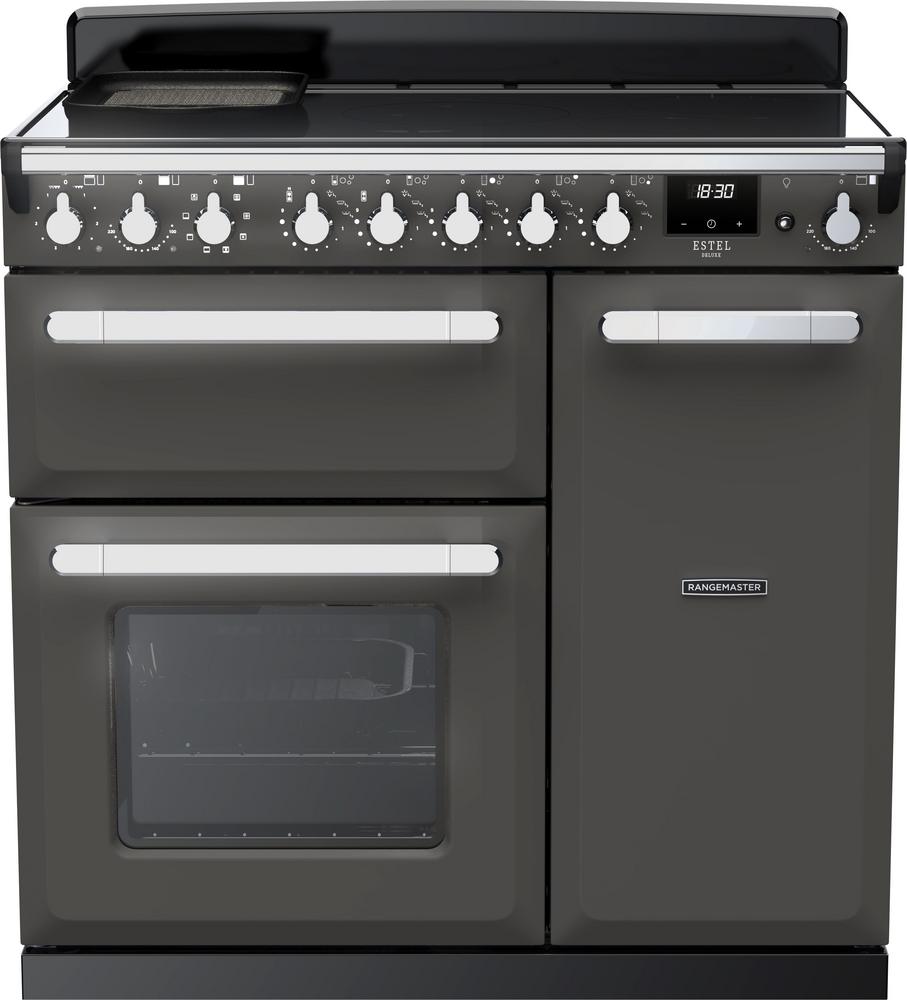
If you love cooking and have the space, a full-width range cooker can completely change how your kitchen feels and functions. The Rangemaster Nexus NEX110DFFBL/C 110cm wide Dual Fuel Range Cooker with Mixed Fuel Hob in black is a great example of a modern range that blends professional-style looks with everyday practicality. In this guide, we’ll look at what it’s like to live with a 110cm dual fuel range, how mixed fuel hobs work, and how this Nexus model compares with a few closely related alternatives in the same family.
Why consider a 110cm dual fuel range cooker?
Moving from a standard 60cm cooker to a 110cm range is a big step, so it helps to be clear about what you gain. A wider range like the Nexus NEX110DFFBL/C typically offers multiple ovens, a separate grill and a generous hob, all in one robust appliance. That extra width translates into more flexibility, especially if you regularly cook for a family, batch cook or host at weekends.
With a dual fuel design, you also get the best of both worlds: the responsiveness of gas or mixed-fuel burners on top, and the even, reliable heat of electric ovens below. For many keen cooks, that combination hits a sweet spot between control, consistency and running costs.
If you’d like a closer look at the layout and day-to-day experience of this particular model, you can read our full review of the Rangemaster Nexus NEX110DFFBL/C here.
Understanding mixed fuel hobs
The hero model here, the Nexus NEX110DFFBL/C, uses a mixed fuel hob. While exact burner configuration can vary, mixed fuel usually means you get a blend of gas burners and at least one electric or induction zone. The idea is simple: each fuel type brings its own strengths, and you choose the right tool for the job.
Typical benefits of a mixed fuel hob include:
- Responsive heat from gas: Twist the knob and your pan reacts almost instantly, ideal for stir-frying, searing and boiling.
- Precision and stability from electric/induction zones: Great for gentle simmering, melting chocolate or keeping sauces just below a boil.
- Flexibility for different pans: Some cooks prefer induction-ready pans on one side and their favourite gas-friendly wok on the other.
If you know you’re a dedicated gas user and don’t need the mixed arrangement, it’s worth looking at the closely related Rangemaster Nexus NEX110DFFCB/C with full gas hob, which keeps the dual fuel oven setup but simplifies the hob to all-gas.
Planning your kitchen around a 110cm range
Before falling in love with a specific model, it’s important to work out whether a 110cm cooker fits comfortably into your room. Measure the available wall space, check distances to doors and consider how nearby drawers and corner cupboards open. You’ll also need enough vertical space for a suitable extractor, along with any splashback or wall units you plan to install.
Because range cookers are heavy and powerful appliances, it’s sensible to think about floor strength and services too. Dual fuel models typically need a robust electrical connection and an accessible gas supply, so loop your installer or kitchen designer into your plans early on. Getting these details right means the installation will go smoothly when your new range arrives.
The Rangemaster Nexus NEX110DFFBL/C in everyday use
While this article isn’t a formal review, it’s worth highlighting why the Nexus NEX110DFFBL/C in black is such a popular choice in this category. With a 110cm width, multiple oven cavities and a mixed fuel hob, it’s designed to handle everything from quick weeknight suppers to full roast dinners with all the trimmings.
The dual fuel arrangement typically gives you electric ovens that heat evenly, helping with baking and roasting, while the hob zones offer instant control. The black finish adds a sleek, contemporary look that sits comfortably in both modern and more traditional kitchens, especially when paired with darker cabinets or contrasting light worktops.
For a closer breakdown of the oven layouts, controls and usability, you can read our in-depth hands-on review of the Nexus NEX110DFFBL/C, which covers real-world cooking tests and user impressions.
Choosing the right finish: black, slate, stainless steel or white?
Once you’ve decided that a Nexus 110cm dual fuel range is right for you, colour and finish are usually the next big decisions. Fortunately, this family comes in several flavours that share a similar core design, letting you pick the one that best suits your kitchen style.
Black: bold and contemporary
The NEX110DFFBL/C in black is the hero model here. Black can make a large cooker look deliberate and grounded, particularly in open-plan spaces where you want a strong focal point. It tends to work well with dark handles, black appliances and industrial-style lighting.
Charcoal black with gas hob: for the gas traditionalist
If you like a darker finish but prefer the simplicity of an all-gas hob, the Rangemaster Nexus NEX110DFFCB/C 110cm Dual Fuel Range Cooker with Gas Hob in Charcoal Black is a logical alternative. You still benefit from dual fuel ovens, but all zones on the hob are gas, giving a familiar layout for those who have always cooked on gas.
Slate: a softer, modern grey
For something more subtle than pure black, the Rangemaster Nexus NEX110DFFSL/C in Slate uses a graphite-style finish that pairs beautifully with popular mid-grey cabinets and stone worktops. It offers the same mixed fuel concept as the black model but can feel a little lighter visually, which helps in smaller or north-facing rooms.
Stainless steel: professional, timeless style
If you’re aiming for a professional, almost commercial kitchen vibe, the Rangemaster Nexus NEX110DFFSS/C in Stainless Steel is worth a close look. Stainless steel coordinates easily with a wide range of appliances, taps and handles, and it often makes a big cooker feel lighter and more integrated. Many people also find it easier to keep looking smart over time, as minor marks can be less noticeable than on some dark gloss finishes.
White: crisp and bright
For a really clean, bright look, the Rangemaster Nexus NEX110DFFWH/C in White offers the same mixed fuel, 110cm format in a crisp finish. White ranges can make smaller kitchens feel more open and airy and look particularly smart alongside shaker-style cabinets, metro tiles and light worktops.
Gas hob versus mixed fuel: which is better?
Within the Nexus line-up, one of the biggest decisions is whether to choose a mixed fuel hob (as on the NEX110DFFBL/C, NEX110DFFSL/C, NEX110DFFSS/C and NEX110DFFWH/C) or a full gas hob (as on the NEX110DFFCB/C). Neither is objectively better; it depends on how you like to cook.
Go for mixed fuel if you:
- Like the idea of having at least one very precise, even electric or induction zone.
- Cook a mixture of fast stir-fries, delicate sauces and slow braises.
- Want more flexibility for future cooking styles and pan types.
Choose an all-gas hob if you:
- Have always cooked on gas and prefer a fully familiar layout.
- Use woks or curved pans that sit best on open flame burners.
- Want immediate, consistent response across every zone.
Because the ovens in these dual fuel models are electric, you’re really just deciding how you want your hob to feel. It can help to think about your three most common meals and how you currently cook them, then imagine which layout would make them easier.
Living with a large dual fuel range day to day
Once installed, a 110cm range often becomes the obvious hub of the kitchen. The main oven usually handles roasts, traybakes and pizzas, while additional ovens or cavities are ideal for side dishes, bread or desserts. A separate grill section can be a bonus on busy evenings when you need quick cheese on toast or to crisp up a topping without disturbing what’s already in the ovens.
Dual fuel designs typically mean you don’t have to compromise between gas and electric. You can boil pasta on a gas burner while baking a cake in a stable, electric cavity, and the cooker doesn’t feel strained. Over time, that versatility encourages you to try new recipes and cook more elements from scratch.
Installation, ventilation and safety considerations
Because these cookers combine gas and electric in a powerful package, professional installation is non-negotiable. Expect your installer to check the existing gas supply, electrical circuit and clearance to surrounding units. It’s wise to plan for a suitable extractor hood above the cooker, ideally at least as wide as the appliance itself, to handle the extra steam and odours.
Many homeowners also choose to add a splashback behind a range cooker, both to protect the wall and to make cleaning easier. Stainless steel, glass and easy-clean panels are popular; choose something that matches your cooker’s finish or your handles for a more integrated look.
Cleaning and maintenance tips for range cookers
A large cooker inevitably has more surfaces to keep clean, but a few simple habits go a long way:
- Wipe the hob after each use: Once the burners or zones have cooled, a quick wipe prevents splashes from baking on.
- Use oven trays and roasting tins wisely: Lining them with baking paper or foil can catch drips and reduce scrubbing.
- Schedule a light weekly clean: A mild detergent or specialist oven cleaner on the doors, handles and fascia keeps everything looking sharp.
- Check burner parts occasionally: If a gas flame becomes uneven, a careful clean of the burner cap and ring (following the manual) often helps.
Good maintenance isn’t just about looks. Keeping burners and seals clean also helps your cooker perform more efficiently and can prolong its life.
How to decide which Nexus 110cm model suits you
With several closely related options in the Nexus 110cm range, it’s worth taking a structured approach to choosing:
- Start with fuel layout: Decide whether you want the mixed fuel flexibility of the NEX110DFFBL/C, NEX110DFFSL/C, NEX110DFFSS/C or NEX110DFFWH/C, or the all-gas hob of the NEX110DFFCB/C.
- Pick your finish: Black for bold contrast, slate (graphite) for softer modern style, stainless steel for a professional feel, or white for a bright, classic look.
- Think about your existing appliances: Matching finishes across fridge, dishwasher and cooker can really pull a room together.
- Consider natural light: In darker rooms, stainless steel, slate or white can help prevent the range from dominating too much.
Once you’ve narrowed it down to one or two candidates, it’s well worth reading full, hands-on reviews. For instance, you can explore the black mixed fuel hero model in detail in our full review of the Rangemaster Nexus NEX110DFFBL/C 110cm Dual Fuel Range Cooker, and compare it with our impressions of the NEX110DFFCB/C with gas hob, the NEX110DFFSL/C in Slate, the NEX110DFFSS/C in Stainless Steel and the NEX110DFFWH/C in White.
Final thoughts
Stepping up to a 110cm dual fuel range cooker is a significant investment, but it can also be one of the most rewarding upgrades you make to your kitchen. A model like the Rangemaster Nexus NEX110DFFBL/C with its mixed fuel hob combines eye-catching design with serious cooking capability, and the wider Nexus line-up means you can fine-tune the finish and hob style to your taste.
Take your time to consider how you cook now, what you’d like to cook in future and how the appliance will sit within your room. When you’re ready to dig into the detail, the linked in-depth reviews will help you compare layouts, controls and real-world performance so you can choose a range cooker you’ll enjoy using every day.