
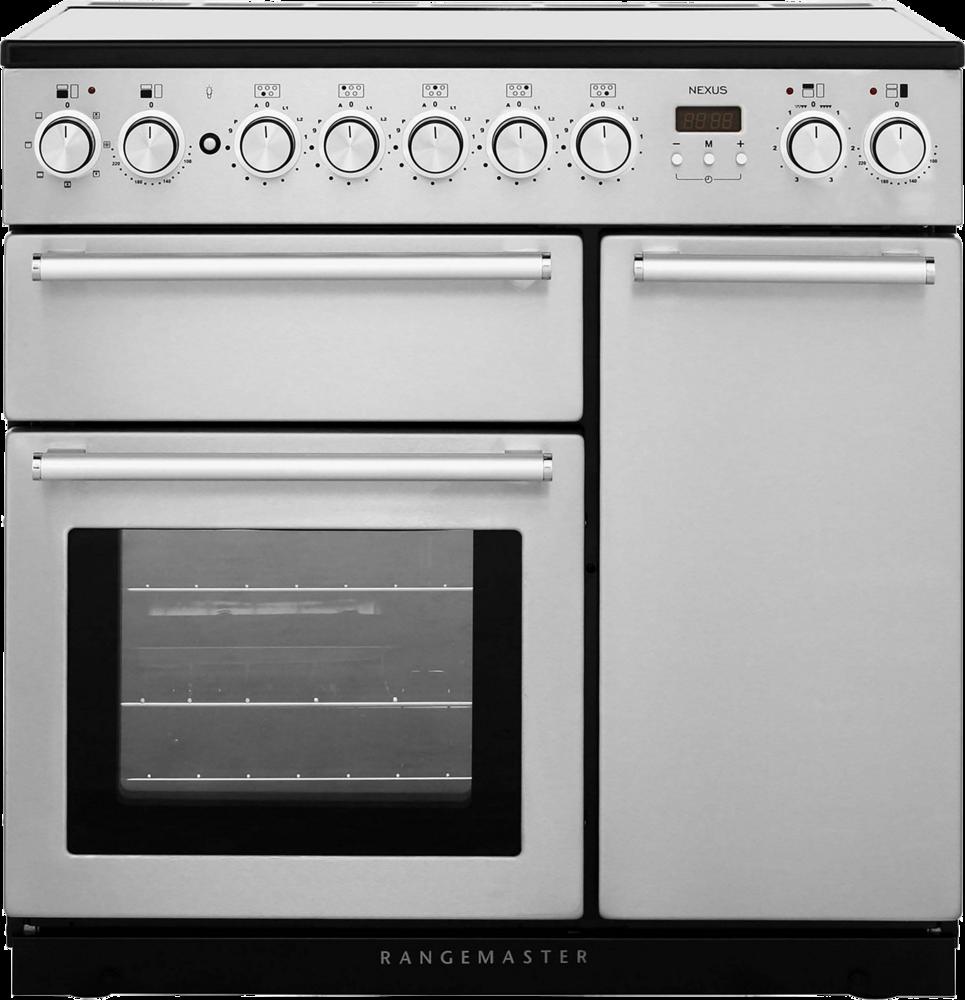
If you love the idea of a traditional-looking cooker but still want modern performance, a classic-style range can be a brilliant centrepiece for your kitchen. The Rangemaster Classic Deluxe CDL90DFFRG/B 90cm Dual Fuel Range Cooker in Racing Green and Brass stands out as a characterful option, combining heritage styling with a practical 90cm footprint that suits many UK homes. This guide looks at what it’s like to live with a 90cm dual fuel range cooker like this, how it compares with similar induction and larger models, and how to decide which size, fuel type and finish will work best in your kitchen.
Why a 90cm dual fuel range cooker suits so many UK kitchens
A 90cm range cooker hits a sweet spot between capacity and space. It gives you more ovens and a wider hob than a standard 60cm cooker, without needing a complete kitchen redesign. For many semi-detached and terraced homes, that extra 30cm is manageable, especially if you’re replacing an old freestanding cooker and a bit of cupboard space.
The Rangemaster Classic Deluxe CDL90DFFRG/B is a textbook example of this format. You get the flexibility of dual fuel, traditional styling that works beautifully in period properties or country-style kitchens, and the everyday practicality of a cooker that doesn’t overwhelm a modest room. If you want a deeper dive into its performance and layout, you can read our full review of the Rangemaster Classic Deluxe CDL90DFFRG/B here.
Understanding dual fuel: gas on top, electric in the ovens
Dual fuel range cookers combine a gas hob with one or more electric ovens. For many keen cooks, it’s the best of both worlds. Gas on the hob means:
- Instant, visible heat for woks, pans and rapid boiling
- Fine control for simmering sauces and risottos
- A very familiar feel if you’ve grown up cooking on gas
Electric ovens, meanwhile, are known for:
- Even heat distribution for baking and roasting
- Reliable temperature control
- Access to fan, grill and often specialised cooking functions
Picking a dual fuel model like the Classic Deluxe CDL90DFFRG/B makes sense if you’re not ready to move fully away from gas but still want the precision and consistency of electric ovens. It can also be a good compromise if different members of the household prefer different fuels.
Size and capacity: 90cm vs 100cm range cookers
Once you know you want a range cooker, the next big question is size. The 90cm format offers:
- Two ovens plus either a grill or extra cavity in most designs
- A wide hob surface for multiple pans at once
- A footprint that often fits into an existing run of units
If you regularly cook big Sunday lunches, batch cook, or entertain large groups, a 100cm model can be worth considering. You typically get slightly larger or more evenly balanced oven cavities, and sometimes a bit more hob space.
For example, if you love the classic look of the Racing Green and Brass 90cm range but know you’d use extra width, it’s worth looking at the Rangemaster Classic Deluxe CDL100EISB/B 100cm Electric Range Cooker with Induction Hob in Stone Blue and Brass. It offers that same traditional style, just stretched to a room-filling 100cm, and swaps dual fuel for a fully electric, induction-based cooking experience.
Likewise, the Rangemaster Classic Deluxe CDL100EIWH/C 100cm Electric Range Cooker with Induction Hob in White and Chrome gives you a slightly different twist on the same recipe: classic detailing, 100cm presence and the clean lines of a white-and-chrome finish.
Choosing your fuel: dual fuel vs induction
While the Classic Deluxe CDL90DFFRG/B is firmly in the dual fuel camp, it’s worth pausing to think about whether an induction hob might suit your kitchen better – especially if you’re planning a long-term remodel or care about easy cleaning and energy efficiency.
When dual fuel makes sense
Dual fuel is a strong contender if:
- You already have a gas supply and prefer a live flame
- You enjoy stir-frying and rapid heat changes
- You often cook with large or unusual-shaped pans
- You want that classic, traditional look that matches well with cast-iron-style pan supports
The Classic Deluxe CDL90DFFRG/B leans into this feel, pairing its heritage styling with a gas hob that looks right at home under a decorative cooker hood. For a sense of how the burners are laid out and how they cope with everyday family cooking, you can head over to our in-depth review of the CDL90DFFRG/B.
When an induction hob might be a better match
Induction hobs are increasingly popular on range cookers because they offer fast, responsive heat and a very easy-to-wipe surface. If you like the idea of an induction top but still want the Classic Deluxe look, the 90cm Rangemaster Classic Deluxe CDL90EICR/C Electric Range Cooker with Induction Hob in Cream and Chrome is well worth a look. It gives a similar footprint to the Racing Green dual fuel model but swaps the gas burners for a sleek induction surface.
At 100cm, the CDL100EISB/B in Stone Blue and Brass and the CDL100EIWH/C in White and Chrome both combine the same classic fascia with a modern induction surface. These are good options if you want a slightly larger cooker and a cooler-to-the-touch hob that’s particularly family-friendly.
Style decisions: colours, trims and how they affect your kitchen
One of the reasons people gravitate towards the Classic Deluxe range is style. The CDL90DFFRG/B stands out in Racing Green with Brass trim, which instantly adds a heritage, almost country-house feel to the kitchen. This can be a brilliant focal point if you have painted wooden cabinets, stone-effect worktops or a shaker-style layout.
If you like the traditional design but prefer a lighter, more neutral look, it’s worth comparing it with the Rangemaster Classic Deluxe CDL90DFFWH/B 90cm Dual Fuel Range Cooker in White and Brass. The hardware and layout are closely related, but the white finish reflects more light and suits smaller or darker kitchens particularly well.
On the electric side, the Cream and Chrome finish of the CDL90EICR/C offers a slightly softer, more understated look that still reads as classic. At 100cm, the Stone Blue and Brass CDL100EISB/B makes a bold, contemporary statement, while the White and Chrome CDL100EIWH/C leans towards a fresher, more modern twist on the same theme.
Planning your kitchen around a 90cm range cooker
Before you settle on a specific model, it helps to think about how a 90cm cooker will sit in your room. Key points to consider include:
- Clearance on either side: Make sure there’s enough room for pan handles and airflow.
- Worktop space: Ideally, keep preparation space immediately to one or both sides of the cooker.
- Ventilation: Plan for a suitably sized cooker hood or extractor above the hob.
- Power and gas supplies: Check that existing connections line up with the intended position.
Because the Classic Deluxe CDL90DFFRG/B is 90cm wide, it often drops into a slot where you previously had a standard cooker and a bit of extra cabinet. For new kitchens, designers will typically build in 90cm between base units and adjust drawers and cupboards accordingly.
Living with a classic-style range cooker day to day
Beyond buying decisions, it’s useful to think about daily life with a classic-style dual fuel cooker.
Everyday practicality
With two oven cavities, it’s easy to separate different dishes: roasts and traybakes in one, desserts or slow-cooked dishes in the other. Many owners find that a 90cm cooker like the Classic Deluxe becomes the true hub of the kitchen, handling everything from midweek pasta bakes to batch-cooked stews.
The traditional-style controls and doors are often very intuitive to use. While you don’t get the ultra-minimalist glass-and-touch-panel look of a contemporary cooker, you do get clear, tactile knobs and handles that are easy to grab, even with oven gloves on.
Cleaning and care
Keeping a classic range looking good is largely about staying on top of splashes and spills. Simple, regular habits make a big difference:
- Wipe the hob and front fascia after cooking, once cool
- Clean around gas burners to prevent clogging
- Use oven-safe trays to catch drips when roasting
- Vacuum or wipe out crumb build-up in oven door seals
Induction models, such as the CDL90EICR/C, do have the edge for hob cleaning because the surface is almost completely flat. That said, many people are happy to trade a little extra effort for the character of a gas hob, particularly with a cooker as visually striking as the CDL90DFFRG/B.
Energy, efficiency and how you actually cook
Different families use their ovens and hobs in different ways, so it’s worth matching your cooker to your real cooking habits.
If you often cook for one or two people, you might find you use just one oven most of the time. In that case, a 90cm model like the Racing Green dual fuel Classic Deluxe can be the sweet spot: you have extra capacity when you need it, but day-to-day you can heat just one cavity and keep energy use sensible.
If you batch cook on Sundays for the week ahead, or frequently cook three or four dishes at once, a larger 100cm induction model such as the CDL100EISB/B or CDL100EIWH/C can make sense. Induction’s fast response and efficient heat transfer can work well for this style of cooking, especially if you’re juggling several pans on the go.
Which Classic Deluxe is right for you?
All of the models mentioned here share the same underlying design language, but each tweaks the formula slightly:
- Racing Green / Brass CDL90DFFRG/B – 90cm dual fuel, gas hob, rich heritage colour, great for traditional kitchens.
- White / Brass CDL90DFFWH/B – 90cm dual fuel, same classic feel in a brighter finish that suits smaller or modern spaces.
- Cream / Chrome CDL90EICR/C – 90cm, all-electric with induction hob, for those who want traditional looks but modern hob tech.
- Stone Blue / Brass CDL100EISB/B – 100cm induction, bold colour and extra width for more ambitious cooks.
- White / Chrome CDL100EIWH/C – 100cm induction, a lighter, cleaner look that works well in contemporary or Scandi-style kitchens.
If you keep coming back to the Racing Green and Brass dual fuel model but aren’t sure about installation, layout or day-to-day use, taking the time to read the detailed CDL90DFFRG/B review will help you picture it in your own home.
Final thoughts
A 90cm dual fuel range cooker like the Rangemaster Classic Deluxe CDL90DFFRG/B can transform not just how your kitchen looks, but how it works for everyday family cooking and entertaining. By weighing up fuel type, width, colour and trim, you can find a model that feels like a natural part of your home rather than an awkward compromise.
If you’re leaning towards the Racing Green dual fuel option, want the brightness of a white finish, or are curious about stepping into induction with a 90cm or 100cm alternative, the linked in-depth reviews will give you the close-up details you need to decide with confidence. Take your time, measure carefully, and choose the cooker that you’ll enjoy using every single day.