
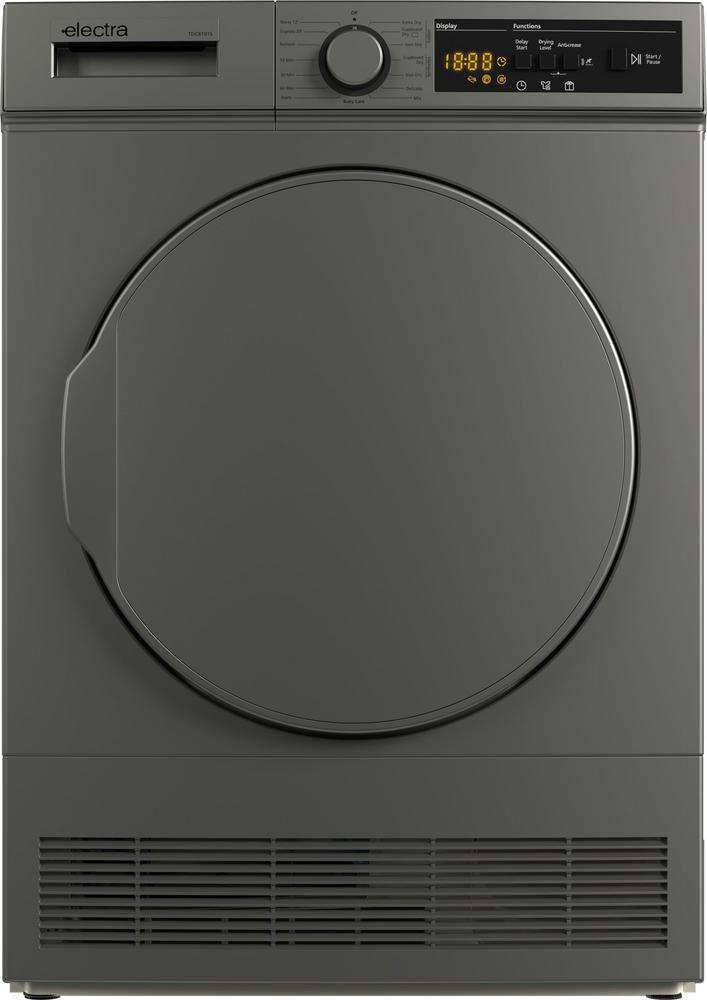
If you’re tired of draping laundry over radiators and airers all winter, a condenser tumble dryer can feel like a game changer. The Electra TDC8101W 8Kg Condenser Tumble Dryer (White, B rated) is a popular, budget-friendly option that promises straightforward drying without the need for a vent hose out of the window. In this guide, we’ll look at what an 8kg condenser dryer like this actually offers in day-to-day life, how it compares with similar models from Beko and Indesit, and the key things to think about before you buy.
Understanding condenser tumble dryers
Before zeroing in on any one model, it helps to understand how condenser tumble dryers work. Instead of blowing moist air outside through a hose, they condense the moisture from your clothes into water, which collects in a removable tank or drains away through a hose if you choose to plumb it in. That makes them ideal if you don’t have an external wall handy, live in a flat, or simply want flexibility over where the dryer goes.
The Electra TDC8101W falls firmly into this camp: it’s a no-fuss condenser dryer designed to sit where you need it, not where a vent will reach. If you want a closer look at its real-world performance and features, you can read our full review of the Electra TDC8101W 8Kg Condenser Tumble Dryer here.
Is an 8kg tumble dryer the right size for you?
Capacity is one of the most important decisions when you’re choosing a dryer. An 8kg drum is usually a sweet spot for:
- Couples who do several loads a week
- Small families with two or three people’s laundry to manage
- Anyone who regularly dries towels and bedding
In practice, an 8kg machine like the Electra TDC8101W is big enough to handle a full set of double bedding in one go, but not so huge that it feels wasteful for smaller daily loads. It gives a bit more headroom than a 7kg model without a big jump in price.
If you know your household tends to run slightly smaller loads and you’re trying to keep costs down, a 7kg option such as the Beko DTLCE70051W 7Kg Condenser Tumble Dryer or the silver-finished Beko DTLCE70051S 7Kg Condenser Tumble Dryer can be very appealing alternatives. Both sit in a similar budget-friendly bracket, just with a slightly smaller drum.
Energy rating and running costs: what does “B rated” really mean?
Tumble dryers are among the more energy-hungry appliances in the home, so the rating matters. The Electra TDC8101W carries a B energy rating, which is typical for a traditional condenser dryer in this price range. It won’t match the ultra-low running costs of a heat pump dryer, but those usually cost considerably more upfront.
All of the close alternatives here – the Beko DTKCE80021W 8Kg Condenser Tumble Dryer, Beko DTLCE70051W, Beko DTKCE80021W, Beko DTLCE70051S and Indesit C YD C82 BBGL UK 8Kg Condenser Tumble Dryer – share the same B rating. That means the choice between them is more about features, capacity and design than big differences in energy labels.
To keep bills manageable with any B-rated dryer, it’s worth getting into good habits:
- Spin clothes well in the washing machine before drying – a higher spin speed removes more water, cutting drying time.
- Dry full but not overstuffed loads; underfilling wastes heat, overfilling leads to longer cycles.
- Use timed or sensor-based programmes rather than the hottest, longest cycles by default.
For a closer look at how efficient the Electra is in everyday use, you can again dive into our in-depth Electra TDC8101W review once you’ve finished this guide.
Everyday usability: what it’s like living with a simple condenser dryer
Most budget condenser dryers, including the Electra TDC8101W and the comparable Beko and Indesit models, focus on simplicity over flashy extras. That can be a real advantage if you just want to turn a dial, press start and know your laundry will come out dry without scrolling through a maze of options.
In day-to-day use, there are a few practical things to be aware of:
- Water tank position: Check where the tank is and how easily it slides out. If you have mobility issues or plan to stack the dryer, a front-mounted, easy-grip tank is handy.
- Lint filter access: You’ll be using this after every cycle, so a visible, pop-out filter near the door is much easier than one awkwardly tucked away.
- Control panel layout: Big, clearly marked buttons and a straightforward programme list make it easier for everyone in the household to use.
The Electra is aimed squarely at that “no-nonsense” user who wants reliable drying without a complex interface. If you prefer something with a more familiar big-brand layout and lots of owner feedback, models such as the Beko DTKCE80021W 8Kg Condenser Tumble Dryer and the black-finished Indesit C YD C82 BBGL UK 8Kg Condenser Tumble Dryer are well worth a look.
Electra TDC8101W vs similar Beko and Indesit models
When you’re shopping around the same price bracket, it often comes down to small details and personal preference rather than huge differences in performance. Here’s how the Electra TDC8101W fits alongside a few key rivals.
Electra TDC8101W 8Kg vs Beko DTKCE80021W 8Kg
Both the Electra and the Beko DTKCE80021W 8Kg Condenser Tumble Dryer offer 8kg drums and B ratings, making them direct alternatives for medium-sized households. The Beko tends to appeal if you like a familiar big-brand badge and a very wide base of owner feedback, while the Electra pitches itself as a great-value way to get that 8kg capacity without paying over the odds.
If you find the Beko at a similar price, it can be attractive for its track record and design. If the Electra undercuts it significantly, the decision becomes more about whether you prioritise budget or brand.
Electra TDC8101W 8Kg vs Beko DTLCE70051W / DTLCE70051S 7Kg
The 7kg Beko DTLCE70051W and its silver twin, the Beko DTLCE70051S, sit just below the Electra in capacity. If you live alone or as a couple and rarely wash bulky bedding, that 7kg drum can be plenty, and may save a bit on upfront cost while still offering a B rating.
By contrast, the Electra’s 8kg drum gives more flexibility for families, or anyone who wants to dry duvets and towels in fewer loads. Think about how often you actually fill your washing machine to the brim; if it’s most weeks, the Electra’s extra space is likely to be appreciated.
Electra TDC8101W 8Kg vs Indesit C YD C82 BBGL UK 8Kg
The Indesit C YD C82 BBGL UK 8Kg Condenser Tumble Dryer is another 8kg, B-rated machine that lines up neatly against the Electra. One of its standout differences is the black finish, which can look smart in a more modern or darker kitchen or utility area.
If your priority is a clean white appliance to match other kit, the Electra and Beko models probably appeal more. If you like the idea of a bolder look or already have matching dark appliances, the Indesit becomes a very strong alternative.
Installation, placement and stacking tips
One of the attractions of a condenser dryer is the freedom to place it almost anywhere indoors. Even so, there are a few practical points to consider before you buy:
- Check the measurements: Always measure your space and compare it with the manufacturer’s dimensions, allowing some extra room at the back for air circulation and any hoses.
- Think about door swing: Make sure the door opens the right way for your space, especially if the dryer will sit in a corner or recessed area.
- Stacking with a washing machine: If you plan to stack, use a proper stacking kit and ensure your washing machine is sturdy and level underneath.
A model like the Electra TDC8101W, or its Beko and Indesit rivals, should slot into most standard 60cm-wide spaces designed for laundry appliances. If you’re putting it in a cupboard or tight spot, just make sure you can still get the water tank and filters out without a wrestling match.
Keeping your condenser tumble dryer running efficiently
Whatever brand you choose, regular maintenance has a big impact on performance, drying time and energy use. Fortunately, it doesn’t take long.
- Empty the water tank: Get into the habit of emptying the tank after each or every couple of cycles. A full tank can cause the dryer to stop mid-cycle or take longer to finish.
- Clean the lint filter: Remove the fluff after every load. A clogged filter restricts airflow, meaning clothes take longer to dry and the machine works harder than it needs to.
- Rinse the condenser (where applicable): Many condenser units slide out for an occasional rinse under the tap. Doing this every few weeks helps keep internal airflow strong.
These simple jobs apply equally to the Electra TDC8101W and to the Beko and Indesit alternatives. Keeping on top of them means you’re more likely to enjoy years of reliable service instead of sluggish drying and musty laundry.
When to consider a different type of dryer
While B-rated condenser models are a solid, affordable choice, they aren’t the best fit for every home. It’s worth pausing to consider whether a different dryer type might suit you better:
- Heat pump dryers: More expensive upfront but use less energy, ideal if you dry several loads a week and want to keep running costs as low as possible.
- Vented dryers: Often cheaper initially, but require a vent hose to an outside wall and aren’t as flexible on placement.
- No dryer at all: If you only occasionally need fast drying, a smaller condenser model might still suit you, but some households manage with an airer and a dehumidifier instead.
If you like the simplicity and flexibility of a condenser but want to control costs, an 8kg B-rated machine like the Electra TDC8101W or the Beko DTKCE80021W sits in a very sensible middle ground.
Choosing between the Electra and its main rivals
So, how do you actually decide which one to buy? Use these questions as a quick checklist:
- How big are your typical loads? Go for 8kg (Electra, Beko DTKCE80021W, Indesit C YD C82 BBGL UK) if you frequently wash bedding and towels together. Opt for 7kg (Beko DTLCE70051W or DTLCE70051S) if you mostly do everyday clothes.
- Do you care about colour and styling? White finishes dominate in this group, but the silver Beko and black Indesit offer something a bit different.
- Which control layout do you prefer? The Electra keeps things simple, while Beko and Indesit have their own take on dials and button layouts. Photos and hands-on reviews can help here.
- What’s your budget on the day? Prices move around, so it’s worth checking current deals; a small price difference might push you toward one brand or another.
To help you decide, take a few minutes to explore the detailed write-ups. Alongside the Electra, you can read our thoughts on the Beko DTLCE70051W, Beko DTKCE80021W, Indesit C YD C82 BBGL UK and Beko DTLCE70051S to see which one best fits your priorities.
Final thoughts
A condenser tumble dryer can transform laundry days, especially in a British climate where line drying isn’t always possible. The Electra TDC8101W 8Kg Condenser Tumble Dryer stands out as a straightforward, good-value option for households that want the convenience of an 8kg drum and flexible installation without a sky-high price tag.
Whether you end up choosing this Electra model or decide a Beko or Indesit alternative is a better fit, focusing on capacity, energy rating, colour and everyday usability will guide you to the right choice. When you’re ready to dig into the details, don’t forget to read our full review of the Electra TDC8101W 8Kg Condenser Tumble Dryer, along with the linked alternatives, to buy with confidence.