
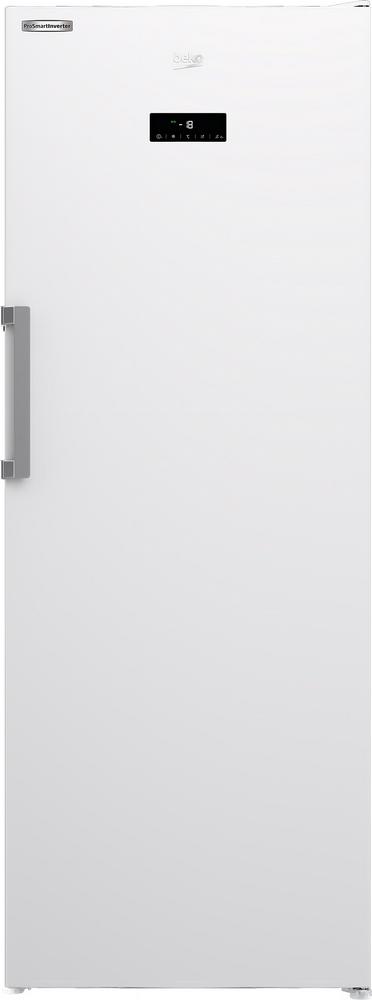
Looking to add serious frozen storage to your kitchen or utility room? A tall, frost free upright freezer is one of the most practical upgrades you can make, especially if you batch-cook or like to stock up when offers pop up. In this guide, we’ll use the Beko FNP4686PS 186cm Frost Free Upright Freezer as a real-world example of what to look for, and compare it with a few alternative models from big-name brands so you can pick the right freezer for your home.
Why choose a tall frost free upright freezer?
Upright freezers have become the go-to choice for many UK homes because they’re easy to organise and don’t require bending down into a chest. Go for a frost free model and you remove the tedious chore of manual defrosting too.
The Beko FNP4686PS is a good example of this type of freezer: a full-height, frost free, upright design in stainless steel with an E energy rating. With a strong user rating of 4.8 out of 5 from hundreds of owners, it shows how popular this format has become. If you want to dive into the details, capacity and real-world performance, you can read our full review of the Beko FNP4686PS upright freezer here, but for now we’ll focus on buying advice and how it compares to other tall freezers.
Getting the size and capacity right
Before you fall in love with a specific model or colour, it’s worth stepping back to think about size and capacity. A 186 cm tall freezer like the Beko FNP4686PS is aimed squarely at families or keen cooks who want lots of drawer space without turning the whole kitchen into a cold store.
Ask yourself:
- How many people are you cooking for? Couples may find a smaller upright freezer enough, while families and shared houses will appreciate the space of a full-height model.
- Do you batch-cook or buy in bulk? If you regularly freeze meals, meat or bread, the extra height and multiple drawers of a tall freezer will quickly earn their keep.
- Where will it live? Measure the space carefully – including height, width, depth and door swing – and allow a little breathing room at the sides and back for air circulation.
If 186 cm feels a bit much for your room or ceiling height, a slightly shorter model can be a smart compromise. The Liebherr Plus FNd4625 146cm Small Frost Free Upright Freezer, for example, still offers frost free convenience in a more compact height, which can suit flats, smaller kitchens or awkward alcoves.
Frost free technology: what it really means day to day
“Frost free” is often used as a headline feature, but what does it actually mean in practical terms? In a frost free upright freezer like the Beko FNP4686PS, air is circulated to prevent ice build-up on the walls and around drawers. That saves you from the slow creep of white ice everywhere and the big annual defrost session.
Real-world benefits include:
- No manual defrosting: You don’t need to empty the freezer, chip out ice or deal with melted water.
- Consistent storage: Drawers slide properly, and you can reach food at the back without wrestling frozen-over fronts.
- More efficient use of space: Without thick ice on the walls, the usable volume is more predictable over time.
You’ll find this technology not just on the Beko, but also on higher-end uprights like the AEG 7000 Series OAG7M281EW 186cm Frost Free Upright Freezer and the Samsung RZ32C7BDES9 186cm Frost Free Upright Freezer. While the principle is similar, more premium models may offer extra refinement in airflow, temperature control and noise levels.
Energy rating and running costs: understanding those E and D labels
With energy prices still a concern for most households, it’s sensible to pay attention to the rating label. The Beko FNP4686PS is E rated under the current energy label system, as are several of the tall alternatives, including the AEG and Samsung models mentioned above.
On paper, a D-rated freezer will usually be more efficient than an E-rated one. The Liebherr Plus FNd4625 is one such D-rated option; it also has a smaller overall capacity, which naturally reduces total power use if you don’t need a huge amount of space.
However, it’s worth keeping two things in mind:
- Capacity matters: A larger freezer will use more electricity overall, but energy use per litre of storage can still be competitive.
- Usage habits count: Keeping the door closed as much as possible, avoiding overloading to the point where air can’t circulate, and not placing the freezer next to a hot oven or radiator can all make a noticeable difference.
If you’re balancing running costs against storage needs and budget, it’s a good idea to compare uprights from different brands. The Bosch Series 4 GSN36VWEPG 186cm Frost Free Upright Freezer, for example, sits in a similar height bracket to the Beko and also carries an E rating, but comes from a brand traditionally associated with efficiency and build quality. Our in-depth reviews break down how these models behave in everyday use so you can decide if a step up in price is worth it for your home.
Design and finish: making it fit your kitchen
Freezers used to be white boxes you hid away, but many households now want an appliance that actually looks good in an open-plan kitchen. The Beko FNP4686PS stands out here because it comes in a stainless steel finish, which helps it blend with modern fridges, ovens and hobs.
If you prefer a cleaner, classic look, all-white alternatives such as the AEG 7000 Series OAG7M281EW and the Bosch Series 4 GSN36VWEPG are worth a look. On the other hand, if you’re aiming for more of a premium, metallic style, the Samsung RZ32C7BDES9 in its ‘Refined Inox’ silver finish delivers a sleeker aesthetic.
When thinking about design, consider:
- Door opening direction: Is the door reversible, and will it open away from walls and cabinets so drawers can slide right out?
- Handle style: Integrated handles give a clean look but can be slightly harder to grip for some users; external bar handles are easier to grab but stand proud.
- Interior layout: Clear-fronted drawers make it easier to see what’s inside without leaving the door open for too long.
The details vary from model to model, which is why looking at internal photos and specifications – for instance via our full Beko FNP4686PS review – is time well spent before you buy.
Organising a tall upright freezer for real life
Once your new freezer is plugged in and cooled down, how you organise it will make a big difference to how easy it is to live with. Tall freezers such as the Beko FNP4686PS, Bosch Series 4 and AEG 7000 Series usually come with multiple drawers and sometimes a flap-front compartment or two.
For day-to-day convenience, try this approach:
- Top drawers: Use these for frequently accessed items – think peas, frozen berries and ice cream – so you’re not bending down every time you need them.
- Middle drawers: Ideal for batch-cooked meals, leftovers and bread, as you’ll be reaching for these quite often.
- Lower drawers: Keep heavier or less frequently used items like joints of meat or big bags of oven chips here.
- Door shelves (where fitted): Not every upright freezer has these, but if yours does, reserve them for smaller, quick-grab items.
Label containers and keep similar foods together. Even in a very tall freezer, the combination of frost free technology and a sensible layout will help you avoid the classic problem of “losing” food at the back until it’s too old to use.
Brand-by-brand: what kind of buyer suits each?
All of the models we’ve mentioned are frost free upright freezers, but each brand tends to appeal to a slightly different buyer.
Beko: strong value and everyday practicality
The Beko FNP4686PS is an attractive option if you want a full-height, stainless steel freezer with frost free convenience at a sensible price point. With hundreds of owner ratings averaging 4.8 out of 5, it clearly hits the mark for many homes. If that sounds like the right balance of price, finish and size, you can read our in-depth Beko FNP4686PS review for a closer look at storage layout and day-to-day noise levels.
AEG and Samsung: feature-rich, premium-leaning options
If you’re aiming for the upper end of the market, the AEG 7000 Series OAG7M281EW and Samsung RZ32C7BDES9 are both full-height, frost free uprights with strong user ratings. They typically command a higher price, but may reward you with extra refinement, smart controls or more advanced temperature management, depending on the exact model and spec level.
These are worth considering if your kitchen is already fitted with higher-end appliances, or if you’re particularly sensitive to things like internal lighting quality, premium-feel drawers and potentially quieter operation.
Liebherr: compact but efficient
The Liebherr Plus FNd4625 is shorter than the Beko FNP4686PS, AEG and Samsung models, but carries a D energy rating and is designed for those who want quality engineering in a modest footprint. It’s a particularly good fit for smaller households, secondary utility rooms and anyone who doesn’t quite need the sheer vertical storage of a 186 cm unit.
Bosch: a safe all-rounder
For many buyers, Bosch sits in a comfortable sweet spot between value and premium. The Bosch Series 4 GSN36VWEPG offers a white, 186 cm frost free upright format similar in height to the Beko FNP4686PS, with an E energy rating and a solid track record from hundreds of reviews. It’s a sensible option if you want a well-known name, good everyday usability and a design that doesn’t shout for attention.
Installation, positioning and noise: getting the basics right
Regardless of which upright freezer you choose, a few practical touches will help it run efficiently and stay unobtrusive.
- Allow for airflow: Don’t push the appliance flush against walls; most models need a gap at the sides and rear.
- Level the feet: Use a spirit level if you can. A level freezer is less likely to vibrate or rattle, and the door will stay in the position you leave it.
- Think about noise: Tall freezers like the Beko FNP4686PS are generally quiet in modern kitchens, but if you’re very sensitive to humming, positioning it in a utility room or away from living areas can help.
- Door clearance: Make sure the door can open fully without hitting walls or cabinets so drawers slide out all the way.
Everyday care and simple maintenance tips
Frost free doesn’t mean maintenance free. Keeping your upright freezer in good shape helps it last longer and run more efficiently.
- Wipe up spills promptly: If a container leaks or a bag splits, clean it up as soon as possible so it doesn’t freeze into place.
- Check door seals regularly: Wipe them with a damp cloth and look for cracks or gaps. A poor seal lets warm air in and increases energy use.
- Don’t overload drawers: Overpacking can restrict airflow, make drawers hard to open and strain the runners.
- Give it a quick clean a few times a year: Choose a time when stock is low, transfer food to cool bags, then remove drawers, wash them in warm soapy water and dry thoroughly.
Most of the upright freezers discussed here – from the Beko FNP4686PS through to the Bosch, AEG, Liebherr and Samsung models – will reward a little basic care with years of reliable service.
Choosing the right upright freezer for your home
If you’ve decided that a tall, frost free upright freezer is the right format, the next step is matching a specific model to your budget, style and space. The Beko FNP4686PS in stainless steel makes a strong case as a value-conscious, full-height option, backed up by excellent owner ratings and a smart, modern finish. Alternatives from Bosch, AEG, Liebherr and Samsung offer different takes on efficiency, premium features and footprint.
To go beyond general buying advice and see how these appliances perform in real homes, take a look at our detailed write-ups – starting with the full Beko FNP4686PS 186cm Frost Free Upright Freezer review. There you’ll find specifics on capacity, internal layout, noise levels and user feedback, along with in-depth comparisons to other freezers in the range. Armed with that information, you can choose a freezer that fits your kitchen, your budget and the way you actually cook and shop, and enjoy neatly organised frozen food for years to come.