
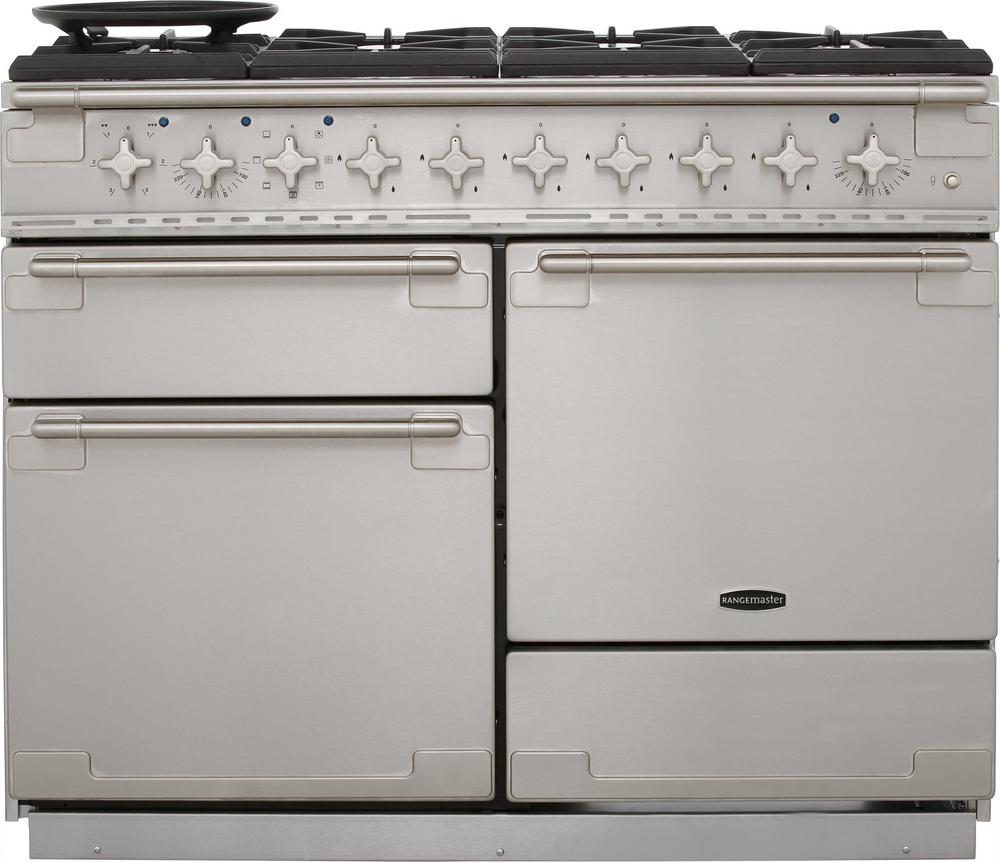
If you love cooking and want your kitchen to feel like the heart of the home, a range cooker can completely change how you use the space. The Rangemaster Classic Deluxe CDL100DFFRG/B 100cm Dual Fuel Range Cooker in Racing Green and Brass is a perfect example of that mix of performance and character: statement looks, generous capacity and the control of gas with the precision of electric ovens. This guide will walk you through what to think about when choosing a dual fuel range cooker, using the Classic Deluxe as a real-world example, and we’ll also highlight a few larger and more contemporary alternatives if you’re still weighing up your options.
Why choose a dual fuel range cooker?
Dual fuel range cookers combine gas hobs with electric ovens. For many home cooks this is the best of both worlds: instant, visible flames on top and consistent, even heat below. The Rangemaster Classic Deluxe 100cm Dual Fuel in Racing Green / Brass follows that formula, pairing a traditional-looking exterior with modern cooking technology.
Gas burners give you that fine, fingertip control for simmering sauces and searing steaks, while electric ovens are great for baking, roasting and batch cooking. If you’re upgrading from a standard 60 cm cooker, the leap in flexibility is significant: more oven cavities, more burners and more space to organise big meals.
Traditional style, modern kitchen: making a statement with Racing Green
One of the standout things about this particular Classic Deluxe is the Racing Green and Brass finish. It’s designed to be a focal point, especially in a country-style or shaker kitchen. The green adds warmth and depth, while the brass trim and handles bring a touch of heritage that you simply don’t get from plain white or stainless steel cookers.
If you’re planning a new kitchen, it’s worth thinking about the cooker first and building your palette around it. Dark green pairs beautifully with warm woods, off-white cabinets and aged brass or brushed gold taps. Even in a smaller kitchen, a 100 cm range like this can become the main feature without completely dominating the room.
For a very different look, you might prefer something more modern and minimalist. Models like the Rangemaster Nexus SE NEXSE110DFFSL/C 110cm Dual Fuel in Slate or the stainless steel Nexus SE NEXSE110DFFSS/C 110cm Dual Fuel offer clean lines and contemporary finishes that sit well in modern, handleless or industrial-style kitchens.
100 cm vs 110 cm: which range cooker size is right for you?
The Rangemaster Classic Deluxe CDL100DFFRG/B is 100 cm wide, which for many British kitchens is the sweet spot. It gives you the extra oven and hob space that makes a range feel special, but it’s easier to accommodate than a full 110 cm model in a standard 3 m run of units.
When deciding between 100 cm and 110 cm, consider:
- Kitchen width and layout: Measure the available wall run, factoring in end panels and any corner posts. A 100 cm range is often easier to centre between cupboards without major redesign.
- How you cook day to day: If you mostly cook for two or three people, a 100 cm appliance still gives you plenty of flexibility. The larger 110 cm ranges shine when you’re regularly hosting big family gatherings or dinner parties.
- Hob space: Extra width usually means more breathing room between burners and sometimes an extra burner or zone. If you often have several large pans on the go, a 110 cm model may feel more comfortable.
If you know you want maximum cooking real estate and your kitchen can handle it, the 110 cm alternatives are worth a look. The dual fuel Rangemaster Nexus SE NEXSE110DFFSL/C in Slate and the stainless Nexus SE NEXSE110DFFSS/C give you 110 cm of width with a more contemporary feel, while the electric-only Professional Deluxe options swap gas for induction if you’re open to changing fuel type.
Dual fuel vs induction: choosing the right hob for your style
While the Classic Deluxe Racing Green model features a gas hob, you might be wondering whether to opt for induction instead. Both approaches have clear strengths, and the right choice depends on how and what you cook.
Why stick with gas?
Gas has been the go-to option for decades. You get a visible flame, instant heat and intuitive control: turn the knob and you see the difference straight away. If you regularly cook with woks, griddle pans or simmer delicate sauces, gas can feel reassuringly familiar.
The Classic Deluxe’s gas hob fits its traditional aesthetic perfectly. It looks right at home in a more classic kitchen, and if you already have a gas supply in place, installation is usually straightforward. If that blend of heritage styling and gas performance appeals, you can read our in-depth review of the Rangemaster Classic Deluxe CDL100DFFRG/B for a closer look at the burner layout and oven configuration.
When induction makes more sense
If you’re happy to go fully electric, induction is worth serious consideration. It’s fast, efficient and very easy to clean thanks to the flat glass surface. Because induction heats the pan itself rather than the glass, the top tends to stay cooler, which is a plus for safety and for day-to-day wiping down.
Ranges such as the Rangemaster Professional Deluxe PDL110EIWH/C 110cm Electric with Induction Hob in White / Chrome and the cream Professional Deluxe PDL110EICR/C show how induction can be paired with more modern or classic styling. They keep the multiple ovens and generous capacity you’d expect from a range, but swap the gas burners for sleek induction zones.
If your priority is energy efficiency, ease of cleaning and a crisp, modern look, an induction range may suit you better than dual fuel. Just remember to check that your existing pans are induction-compatible or budget for a cookware upgrade.
Oven capacity and layout: planning around how you cook
One of the biggest day-to-day benefits of a range cooker is having more than one oven. The Classic Deluxe layout typically gives you multiple electric oven cavities plus separate grilling, which can transform how you time and organise meals.
Think about how you’ll use that space in practice:
- Weeknight cooking: Use the smaller oven for quick meals to avoid heating a large space unnecessarily.
- Roasts and entertaining: Having a tall oven alongside a more traditional cavity makes it easier to cook meat, potatoes and vegetables at once, each at appropriate temperatures.
- Baking days: Multiple shelves and ovens help separate sweet and savoury bakes, and avoid juggling trays at different timings.
The same principle applies to the larger 110 cm models. Whether you go for the Classic Deluxe or a Nexus SE or Professional Deluxe alternative, focus less on the headline litre capacity and more on how the interior is divided. Adjustable shelves, separate grill compartments and fan functions are all details that make everyday cooking more flexible.
Energy ratings and running costs
The Rangemaster Classic Deluxe CDL100DFFRG/B is rated A/A, which is typical for a modern dual fuel range with electric ovens. That means it’s designed to be reasonably efficient for its size, but a 100 cm or 110 cm appliance will naturally use more energy than a compact cooker if you heat all the ovens regularly.
To keep running costs sensible:
- Use the smaller oven for everyday meals where possible.
- Avoid preheating longer than necessary – modern ovens tend to heat up quickly.
- Batch cook and fill the shelves when you can, instead of heating the oven multiple times.
- Keep door seals clean and in good condition so heat isn’t lost.
If efficiency is near the top of your list, also consider how you use the hob. Induction models such as the Professional Deluxe induction ranges will often be more efficient than gas because less heat is lost around the sides of the pan.
Installation, space and ventilation
Before you fall in love with a particular range cooker colour or style, it’s vital to check the practicalities. A 100 cm dual fuel range like the Classic Deluxe will need:
- Suitable gas and electric supplies: Dual fuel models require both, and the electric connection will usually be on a higher-amp circuit than a standard plug.
- Correct clearances: Check manufacturer guidelines for distances to cupboards, walls and combustible materials.
- Adequate ventilation: Ideally, pair the range with a matching or wider cooker hood to capture steam and cooking smells.
If you’re stepping up to a 110 cm model like the Nexus SE NEXSE110DFFSL/C or the induction-hob Professional Deluxe PDL110EIWH/C, remember that your hood and splashback might also need to be wider, and you’ll want enough worktop either side of the cooker for hot pans and prep space.
Living with a range cooker: cleaning and care
A larger cooker inevitably means more surface area to keep clean, but a bit of regular care makes a big difference. For enamel and painted finishes like the Racing Green Classic Deluxe, stick to soft cloths and non-abrasive cleaners to preserve the shine and avoid swirling or dulling the surface.
Good habits include:
- Wiping up spills on the hob once it’s cool, before they burn on.
- Soaking pan supports and trays periodically to keep them looking fresh.
- Running any available oven cleaning functions as recommended in the manual.
- Taking a moment to clean door glass while it’s just-warm, which helps loosen grease.
If ultimate ease of cleaning is a top priority, an induction-hob range such as the Professional Deluxe PDL110EICR/C can be appealing. Spills don’t burn onto the glass in the same way as they can on gas hobs, and the flat surface means no pan supports to scrub.
Alternative range cooker options to consider
While the Rangemaster Classic Deluxe CDL100DFFRG/B 100cm Dual Fuel in Racing Green / Brass is a characterful option, it isn’t the only way to bring range-style cooking into your kitchen. Depending on the look and fuel type you prefer, you might also want to explore:
- Rangemaster Nexus SE NEXSE110DFFSL/C 110cm Dual Fuel in Slate: A sleek, modern design with a graphite-style finish and dual fuel layout. If you like a contemporary look and have room for 110 cm, it’s a strong alternative. You can learn more in the full Nexus SE NEXSE110DFFSL/C review.
- Rangemaster Nexus SE NEXSE110DFFSS/C 110cm Dual Fuel in Stainless Steel / Chrome: Similar configuration but with a classic stainless steel finish that suits a wide range of kitchen styles. Have a look at the detailed review of the Nexus SE NEXSE110DFFSS/C if you want that professional, brushed-metal aesthetic.
- Rangemaster Professional Deluxe PDL110EIWH/C 110cm Electric with Induction Hob in White / Chrome: Ideal if you want a bright, clean look and prefer induction over gas. You’ll find more on features and user experience in the Professional Deluxe PDL110EIWH/C review.
- Rangemaster Professional Deluxe PDL110EICR/C 110cm Electric with Induction Hob in Cream / Chrome: A softer, more classic colourway combined with modern induction technology, which can work brilliantly in a warmer, country-style kitchen. For a deeper dive, see the full review of the Professional Deluxe PDL110EICR/C.
All of these alternatives keep the core range cooker advantages – multiple ovens, generous hob space and a strong visual presence – while giving you different combinations of width, fuel type and styling.
How to decide if the Classic Deluxe Racing Green is right for you
To narrow things down, ask yourself a few key questions:
- Does the 100 cm width fit my kitchen without compromise? If yes, the Classic Deluxe is a solid starting point. If no, a 110 cm model might be better once you’ve adjusted the layout.
- Do I prefer traditional styling? If you’re drawn to period details, rich colour and brass trim, this model will likely feel special every time you walk into the room.
- Am I committed to gas on the hob? If you love cooking on gas, a dual fuel range like this is an obvious match. If you’re intrigued by induction, the Professional Deluxe induction ranges might suit you better.
- How often will I use the extra ovens? If you cook most days and entertain regularly, the extra capacity will earn its keep. If you rarely cook more than a single tray at once, a smaller cooker could be sufficient.
Once you’ve thought about those points, it’s worth digging into the exact oven layout, grill options and controls to make sure the Classic Deluxe fits your cooking habits. You can find that level of detail in our full review of the Rangemaster Classic Deluxe CDL100DFFRG/B, which covers real-world usage in much more depth.
Bringing it all together
Choosing a range cooker is about more than just picking a width or a colour. It’s a long-term decision that affects how you cook, how your kitchen looks and how much flexibility you have when life gets busy. A model like the Rangemaster Classic Deluxe CDL100DFFRG/B 100cm Dual Fuel Range Cooker with Gas Hob in Racing Green / Brass brings together traditional charm, dual fuel performance and practical, A/A-rated ovens in a size that suits many British kitchens.
If you’re still on the fence, use the Classic Deluxe as a benchmark and compare it with the more contemporary Nexus SE dual fuel ranges and the Professional Deluxe induction models linked above. Between them, you’ll get a clear picture of which width, fuel type and style feels most at home in your space. And when you’re ready to get into the finer details of features, configurations and user feedback, follow the links to each product’s in-depth review for all the specifics you need to make a confident choice.