
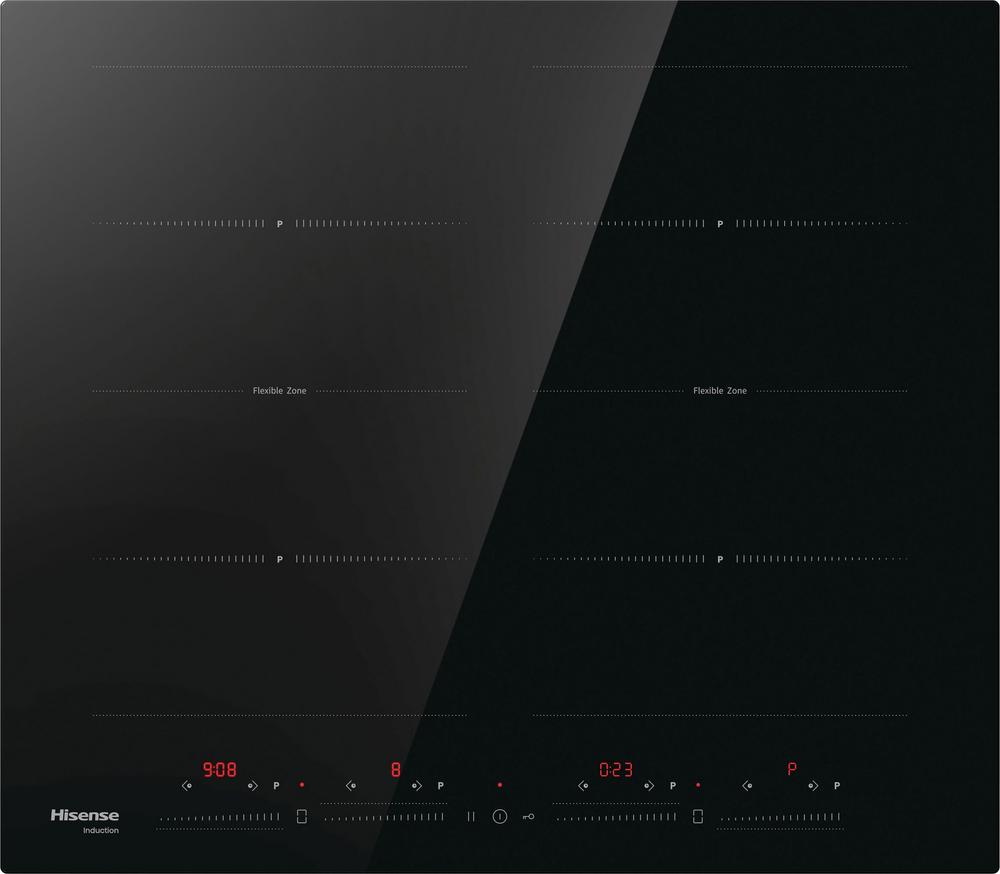
If you're planning a new kitchen or upgrading a tired old hob, a mid-sized induction model is one of the most practical choices you can make. The Hisense HI6401BSC 60cm Induction Hob sits right in that sweet spot: compact enough for most worktops, modern enough to feel like a big upgrade, and simple enough that the whole household can get used to it quickly. In this guide, we'll look at what to think about when choosing a 60cm induction hob, how the HI6401BSC fits into that picture, and which similar models are worth a look alongside it.
Why choose a 60cm induction hob?
For UK kitchens, 60cm tends to be the standard hob width because it lines up neatly with typical cabinet sizes. If you're replacing an older electric or gas hob, a 60cm induction model like the Hisense HI6401BSC usually drops into the same cut-out with minimal fuss.
A four-zone layout is the norm at this width. That gives you enough space for a couple of large pans and smaller saucepans without fighting for room. If your cooking style is mostly family meals, curries, pastas and one-pan dishes, a 60cm induction hob will usually cover everything you need.
If you want a closer look at how this layout works day to day, you can read our full review of the Hisense HI6401BSC 60cm Induction Hob, which dives into real-world use.
Understanding the Hisense HI6401BSC as a everyday workhorse
The Hisense HI6401BSC is designed to be a straightforward, family-friendly induction hob. It doesn't aim to be the flashiest model on the market; instead, it focuses on the essentials most people actually use.
Induction technology heats your pans directly, so boiling, simmering and searing all happen quickly. In practice this means less waiting for water to boil and more control over delicate sauces. The flat glass surface stays relatively cool around the pans, which helps with both safety and cleaning.
With a strong user rating and a substantial number of customer reviews, the HI6401BSC has clearly struck a chord with buyers looking for a dependable everyday hob. If you want the finer detail on performance and user feedback, you can read our full review of the Hisense HI6401BSC here.
Key things to check before you buy any induction hob
Before you commit to an induction hob, it's worth running through a short checklist. This applies whether you're drawn to the Hisense HI6401BSC or are still browsing alternatives:
- Electrical supply: Check the power requirements and whether you need a dedicated circuit and professional installation.
- Cut-out size: Measure your existing cut-out and compare it to the manufacturer's instructions so you avoid unexpected carpentry.
- Cookware compatibility: Test your current pans with a magnet; if it sticks to the base, they're likely induction-friendly.
- Control layout: Decide whether you prefer individual controls for each zone or a central control panel.
- Safety features: Look for child lock, residual heat indicators and automatic switch-off as a minimum.
Comparing the HI6401BSC with other 60cm induction options
Sticking to a 60cm footprint doesn't mean you're short on choice. There are several close alternatives that may suit different budgets or brand preferences.
Staying in the family: Hisense HI6421BSC 60cm Induction Hob
If you like the idea of the HI6401BSC but want to see what else the same brand offers at 60cm, the Hisense HI6421BSC 60cm Induction Hob is an obvious alternative. It sits very close in size and style, so visually it should fit into the same kind of kitchen designs.
Because it shares the same brand approach, you can expect a similar user-friendly feel, with touch controls and a simple zone layout. Where it may differ is in the detail: power levels, extra modes, or how the controls are arranged. If you're torn between the two Hisense models, it's worth comparing the features side by side and thinking about which control layout you'd prefer to use every day.
Big brand appeal: Bosch Series 2 PUG61RAA5B 59cm Induction Hob
For some buyers, a familiar German badge carries a lot of weight. The Bosch Series 2 PUG61RAA5B 59cm Induction Hob is another compelling 60cm-class option that competes directly with the Hisense HI6401BSC.
At 59cm wide, it's a near-like-for-like fit in most standard cut-outs, and it offers a similar four-zone induction layout. Bosch tends to focus on clear, robust controls and straightforward features, which suits households that want something intuitive rather than flashy. If brand reputation and a long track record with kitchen appliances matter to you, the Bosch Series 2 is well worth considering alongside the Hisense models.
When should you go wider than 60cm?
Not everyone is limited to a standard cut-out. If you're designing a new kitchen from scratch or opening up more worktop space, a wider hob can be a real luxury.
The Hisense HI8421BSC 80cm Induction Hob is a good example of what you gain by stepping up in size. With more width to play with, there's extra room between zones, making it easier to handle large pans and multiple dishes at once.
That additional space can make a difference if you enjoy batch cooking, entertaining, or regularly use oversized woks and stockpots. Just remember that an 80cm hob will need more clear worktop, may require a wider extractor above, and could involve a different cut-out size than your existing hob.
Induction versus ceramic: do you really need induction?
If you're coming from a traditional electric hob, you might also be comparing induction with modern ceramic models that still use radiant heating rather than magnetism. Ceramic hobs retain that familiar glowing-red element under the glass and will work with any flat-bottomed pans, but they usually can't match induction for speed or control.
An example of a contemporary ceramic option is the Smeg SE264TD1 60cm Ceramic Hob. It offers the sleek glass top and touch controls many people like, without needing induction-specific cookware. Ceramic hobs tend to be slower to respond when you change the heat, and the surface gets much hotter, so spills are more likely to burn on.
If you already own plenty of induction-compatible pans, or are happy to invest in them, an induction model like the Hisense HI6401BSC is likely to feel like a bigger performance upgrade. However, if you want the look of glass with maximum pan flexibility, ceramic is still a valid alternative.
Practical everyday benefits of a hob like the HI6401BSC
Once installed, a mid-range induction hob offers several day-to-day advantages that are easy to overlook when you're comparing spec sheets:
- Fast heat-up: Water boils noticeably quicker than on most traditional electric hobs, so midweek cooking feels less of a chore.
- Fine control: Lower settings hold a gentle simmer without constant fiddling, ideal for sauces and slow reductions.
- Cooler kitchen: Because the hob heats the pan more directly, less heat radiates into the room, which is welcome in smaller kitchens.
- Flatter, usable surface: When it's off and cool, the glass top can double as temporary extra space for serving dishes or prep.
The Hisense HI6401BSC is built around these practical benefits, making it a strong candidate if you're upgrading from an older electric or gas model and want your everyday cooking to feel a bit easier.
Installation and planning tips for your new hob
Most modern induction hobs, including the HI6401BSC and its close competitors, are designed to be installed flush in the worktop for a clean look. Even if you're comfortable with DIY, it's important to take installation seriously.
- Use a qualified electrician: Induction hobs draw significant power. A professional will ensure the correct cable, fuse and protection are in place.
- Allow for ventilation: Check the installation manual for the required gaps around and beneath the hob so it can cool properly.
- Think about extraction: An efficient extractor hood above the hob, correctly aligned with a 60cm or 80cm width, makes cooking more pleasant.
- Plan the worktop cut: If you're changing from an older hob type, confirm whether the cut-out needs to be adjusted before installation day.
Getting the best out of an induction hob
Once your hob is in place, a few habits will help you get consistently good results:
- Match pan and zone size: Use pans that are close to the size of the cooking zone for even heating and efficient energy use.
- Use lids where possible: Keeping lids on when boiling or simmering traps heat and reduces cooking times.
- Learn the power levels: Spend a week paying attention to which settings suit your usual dishes, so you're not guessing every time.
- Wipe as you go: Because induction surfaces don't get as hot, spills can be wiped away quickly before they have a chance to mark the glass.
These tips apply equally whether you choose the Hisense HI6401BSC, its sibling the HI6421BSC, the HI8421BSC 80cm, or a 60cm rival like the Bosch Series 2 PUG61RAA5B.
Keeping your induction hob looking new
One of the biggest attractions of induction is the sleek glass surface, but it does benefit from a little routine care:
- Avoid harsh abrasives: Stick to cleaners specifically labelled for ceramic or induction hobs, along with soft cloths or non-scratch pads.
- Deal with sugar spills promptly: Sugar can damage glass if it burns on, so wipe up anything sweet as soon as practical.
- Lift, don't slide: Encourage everyone in the household to lift pans instead of dragging them across the surface.
- Use the right pan bases: Flat, smooth bases help with both performance and protecting the glass from marks.
Which hob is right for you?
If your kitchen suits a standard 60cm hob and you want a solid, modern induction model, the Hisense HI6401BSC is well worth shortlisting. It offers the core features most home cooks need without overcomplicating things, and its strong user feedback suggests it's doing that job well. For a closer look at performance, controls and features, you can head over to our in-depth Hisense HI6401BSC review.
If you prefer different styling or want to compare brands, the 60cm Hisense HI6421BSC and the Bosch Series 2 PUG61RAA5B make excellent alternatives. Those with a bit more space to play with might find the extra elbow room of the Hisense HI8421BSC 80cm Induction Hob appealing, while anyone still on the fence about induction altogether could explore a glass-ceramic option like the Smeg SE264TD1 60cm Ceramic Hob.
Whichever route you take, spending a little time up front on planning, installation, and getting to know your hob's settings will pay off with years of quicker, more controlled, easier-to-clean cooking.