
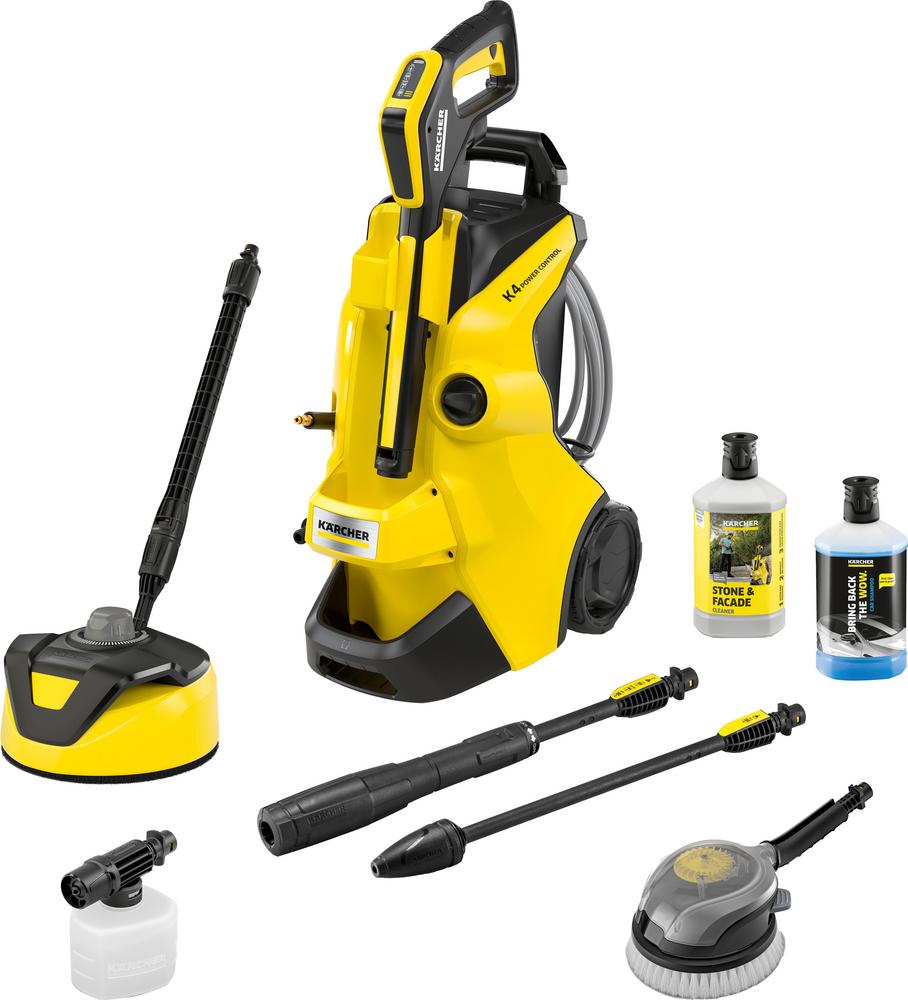
If you are serious about keeping your patio, driveway and car looking fresh, a decent pressure washer is one of the most useful tools you can own. The Kärcher K 5 Power Control Flex 1.324-702.0 sits in that sweet spot between light DIY cleaners and the really heavy-duty machines, making it a popular choice for busy UK households. This guide looks at how a pressure washer like the K 5 can fit into your home, how to choose the right level of power, and when you might consider alternatives such as the Kärcher K 4 range or Bosch’s AdvancedAquatak models.
Why look at the Kärcher K 5 Power Control Flex?
The Kärcher K 5 Power Control Flex 1.324-702.0 is designed as a capable all-rounder for outdoor cleaning. It is aimed at homeowners who want more bite than an entry-level washer, but still need something compact and easy to handle around the garden.
It is particularly suited to jobs like:
- Cleaning large patios and decking a few times a year
- Washing cars, vans, caravans and bikes
- Refreshing driveways, paths and stonework
- Blasting dirt and algae off garden furniture and walls
If you are weighing it up against other options, it helps to understand how its power, control features and accessories compare. For a deep dive into user experience and performance, you can always read our full review of the Kärcher K 5 Power Control Flex 1.324-702.0 Pressure Washer, but the rest of this article will focus on broader buying and usage advice.
Understanding pressure washer power and control
When you shop for a pressure washer, it is easy to focus on the biggest numbers you can find. In reality, getting the right balance of power and control matters more than simply going for the highest spec available.
Why adjustable pressure is more important than raw power
Strong pressure is brilliant for stripping grime from concrete, but it can be far too harsh for car paintwork, timber decking or pointing between paving slabs. A pressure washer with good control features lets you dial things back when needed.
The K 5 Power Control Flex sits towards the higher end of typical domestic cleaners, but its appeal lies in the way it lets you tailor the jet to the task. This means you can use it confidently on:
- High power for stubborn moss and ingrained dirt on stone
- Medium settings for general patio and driveway cleaning
- Softer settings around cars, garden furniture and fences
Models in the Kärcher K 4 line-up, such as the Kärcher K 4 Power Control Flex 1.324-302.0 Pressure Washer and the Kärcher K 4 Power Control Flex Home 1.324-304.0 Pressure Washer, sit a notch below the K 5 in outright grunt but follow a similar philosophy: power you can tune to the job at hand.
Choosing between the K 5, K 4 and Bosch AdvancedAquatak
With so many pressure washers on the market, narrowing things down to a short list is half the battle. If you are already looking at the Kärcher K 5 Power Control Flex, three sensible alternatives include the Kärcher K 4 Power Control Flex, the Kärcher K 4 Power Control Flex Home, and the Bosch AdvancedAquatak 140.
When the K 5 Power Control Flex makes sense
The Kärcher K 5 Power Control Flex is likely to suit you if:
- You have a medium to large patio or driveway that builds up grime quickly
- You want one machine to clean cars, paving, walls and garden furniture
- You prefer a step-up in performance over basic models, without going fully semi-pro
It strikes a good balance for households who clean outdoors regularly and want speed, versatility and decent build quality. To see how it copes with different surfaces in practice, you can read our in-depth hands-on review of the Kärcher K 5 Power Control Flex.
Kärcher K 4 Power Control Flex – similar feel, slightly lighter duty
If you like the look of the K 5 but are conscious of budget or do not need quite as much muscle, the Kärcher K 4 line is worth a look. The standard Kärcher K 4 Power Control Flex 1.324-302.0 offers a very similar user experience, just trimmed down a touch for slightly lighter tasks and smaller outdoor areas.
It is a good match if you mainly want to:
- Clean one average-sized car and a modest patio
- Refresh garden furniture and paths a few times a year
- Have the reassurance of a big-name brand without stretching too far on price
Kärcher K 4 Power Control Flex Home – patio-focused bundle
The Kärcher K 4 Power Control Flex Home 1.324-304.0 builds on the standard K 4 by including extra accessories designed for patios and hard surfaces. A dedicated patio cleaning head, for example, helps contain spray and speeds up cleaning on large paved areas.
It is a smart choice for homeowners whose main focus is keeping slabs, decking and block paving under control, rather than detailing vehicles. You still get the flexibility for other jobs, but with a bundle that is very much geared towards hard landscaping.
Bosch AdvancedAquatak 140 – a solid alternative brand
If you prefer to look beyond one brand, the Bosch AdvancedAquatak 140 0.600.8A7.D70 Pressure Washer offers a compelling alternative in the same overall bracket. It is pitched as a robust machine for demanding home use, with a focus on sturdy construction and efficient cleaning performance.
It is worth considering if:
- You already own tools from the same brand and like their design language
- You value a solid-feeling build and straightforward controls
- You want something capable of tackling heavier grime across various surfaces
Comparing the K 5 with the AdvancedAquatak 140 mainly comes down to personal preference on styling, accessory sets and how each machine feels in use, rather than a dramatic difference in what they can tackle.
Key things to think about before you buy
Before you commit to any pressure washer, spend a few minutes thinking through the practicalities. It can save a lot of frustration later.
Outdoor space and storage
Even relatively compact pressure washers take up a bit of room. Check that you have somewhere dry and frost-free to store the unit, hose, lance and accessories. A garage, shed or covered storage box is ideal.
Machines like the Kärcher K 5 Power Control Flex and its K 4 siblings are designed with on-board storage for cables and accessories, which helps keep everything tidy and makes it easier to grab and go. Compare how different models manage hose winding, lance storage and wheel size if you will be moving the machine a lot.
Water and power access
Pressure washers typically need a mains water supply and a nearby outdoor socket or a weatherproof extension lead from inside. Before buying, check:
- How far your tap is from where you will clean
- Whether the supplied hose and power cable will comfortably reach
- If you need extra hose length or a reel to avoid dragging the machine
Higher-spec models often pair their extra cleaning power with longer hoses, which can be just as important as the motor itself. It is worth looking at hose length details when comparing the K 5, K 4 and Bosch options.
How often you will use it
If you only pressure wash once a year, a more modest machine can keep costs and storage demands down. If you are planning to use it regularly on cars, paving and outdoor furniture, it can be worth stepping up to something like the K 5 or Bosch AdvancedAquatak 140 for quicker results and a more satisfying feel.
Frequency of use also affects how much you will appreciate better accessories: quick-connect fittings, rotating nozzles, patio heads and detergent systems all make life easier if you are cleaning every few weeks.
Getting the best results from your pressure washer
Rather than just blasting away and hoping for the best, a little technique goes a long way. Here are some practical tips to help you clean more effectively and safely, whether you use the K 5 Power Control Flex, a K 4 or a Bosch AdvancedAquatak.
Start gently and work up
Always begin on a lower pressure setting and test on an inconspicuous area, especially on softer materials such as wood, render or older brickwork. Gradually increase pressure until you find the lowest level that achieves the result you want.
On patios and driveways, hold the lance at a slight angle and maintain a consistent distance from the surface. This helps avoid streaks and gives an even clean without gouging the surface or dislodging jointing sand.
Use the right nozzle and motion
Most mid to higher-range washers come with at least one adjustable nozzle and sometimes a dirt blaster or turbo lance. Broadly speaking:
- Wide fan sprays are kinder and better for cars, windows and painted surfaces
- Narrow or rotating jets are for stubborn grime on hard stone and concrete
Keep the lance moving in overlapping passes rather than holding it in one spot. On patios, work in sections and rinse each area thoroughly before moving on, especially if you have used detergent.
Pre-treat when needed
For really grubby areas, a quick pre-treatment can save time. Apply a suitable detergent or patio cleaner, leave it to dwell for the recommended period, then rinse and clean with the pressure washer. This can be particularly effective on algae-stained paving and greasy driveways.
Always check that the detergent is compatible with your machine and the surface you are cleaning, and avoid harsh chemicals that could damage plants or run off into drains.
Looking after your pressure washer
A bit of basic care will help your pressure washer last longer and stay ready for action whenever you need it.
After each use
Once you have finished cleaning:
- Turn off the machine and water supply
- Press the trigger for a few seconds to release remaining pressure
- Disconnect the hose and lance and let excess water drain out
- Wipe down the body and store the unit somewhere dry
This simple routine helps prevent limescale build-up inside the pump and reduces the chance of corrosion around fittings.
Before winter
Frost can be a pressure washer’s worst enemy. If your machine will be stored somewhere cold, make sure:
- All water is drained from the system and hoses
- The machine is kept off bare concrete if there is a risk of damp or freezing
- You avoid leaving it where it will be exposed to the elements
Some owners choose to run a little pump-protection fluid through their machine before long storage, particularly in very cold areas. Check your manual for any brand-specific advice.
Which pressure washer is right for you?
If you have a typical UK suburban home with a car on the drive, a modest patio and a few grimy garden bits, something in the K 4 or K 5 bracket is likely to be a very good fit. The Kärcher K 5 Power Control Flex adds reassuring muscle and control for larger or more heavily soiled areas, without tipping into overkill for everyday use.
Those with slightly smaller spaces or tighter budgets might lean towards the Kärcher K 4 Power Control Flex or the bundled Kärcher K 4 Power Control Flex Home. If you prefer a different brand flavour or want to compare build and feel, the Bosch AdvancedAquatak 140 is also well worth consideration.
Once you have an idea of which machine suits your home and cleaning habits, it is worth drilling into the details: hose length, accessories, noise, weight and how easily everything packs away. For that level of insight into real-world use, do take a look at our dedicated product pages, starting with the full review of the Kärcher K 5 Power Control Flex 1.324-702.0 Pressure Washer. With the right pressure washer and a few simple techniques, keeping your outdoor spaces looking sharp becomes a quick, satisfying weekend job rather than an annual chore.