
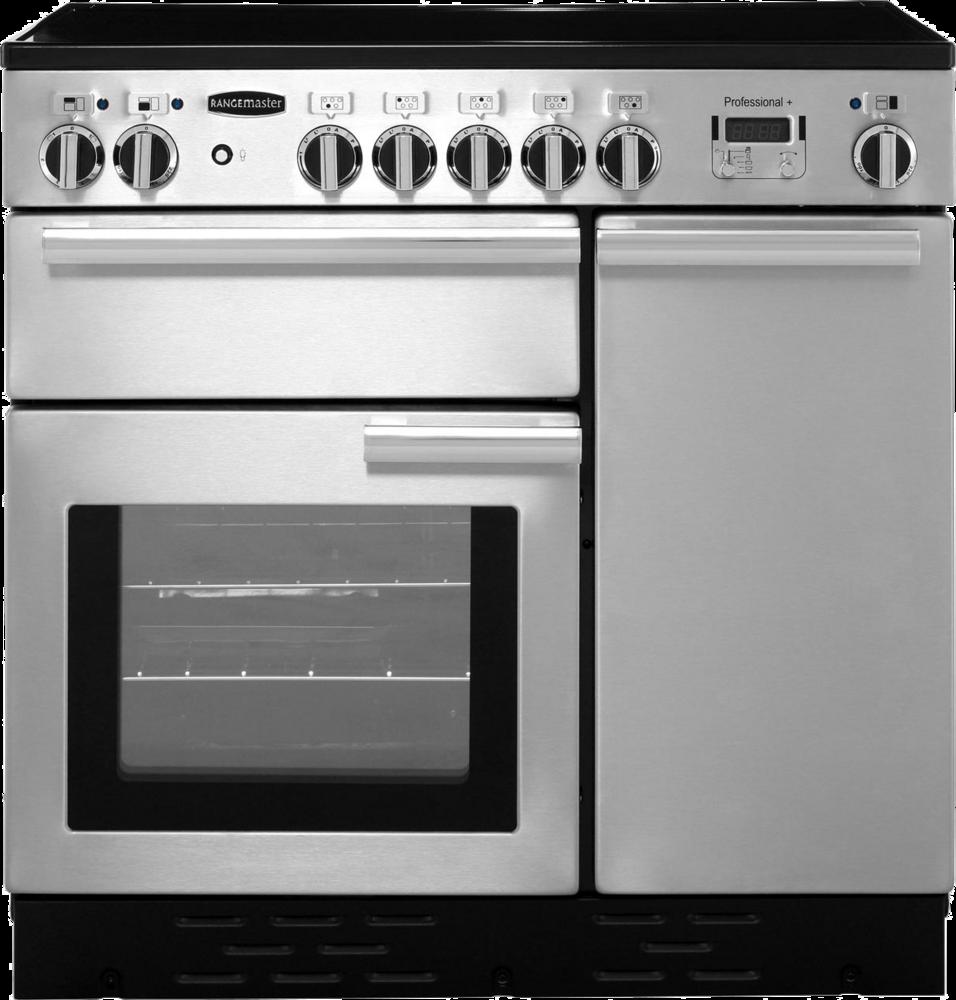
If you love cooking, a proper range cooker can transform both your kitchen and your weeknight routine. The Rangemaster Professional Deluxe PDL100DFFCR/C 100cm Dual Fuel Range Cooker with Gas Hob in Cream sits right in that sweet spot: classic styling, lots of oven space and the reassuring control of gas on the hob. But is a 100cm dual fuel range right for your home, and how does it compare with slightly different options in the same family?
This guide walks through the key decisions you need to make before investing in a range cooker, using the PDL100DFFCR/C as a practical example. Along the way we’ll look at electric and induction alternatives, layout tips, and how to get the best from a big cooker day to day. If you want the nitty‑gritty specs, you can always read our full review of the Rangemaster Professional Deluxe PDL100DFFCR/C as well.
Why consider a 100cm dual fuel range cooker?
A 100cm wide dual fuel range like the Professional Deluxe PDL100DFFCR/C aims to balance generous capacity with a footprint that still works in many UK kitchens. Dual fuel means you get a gas hob for instant heat and visible flame, paired with electric ovens for more even, predictable baking and roasting.
The PDL100DFFCR/C is rated highly by owners, with thousands of reviews praising its solidity and day-to-day usability. That’s a good sign if you’re looking for an appliance that will be used heavily for years, not just an occasional showpiece.
Because it’s 100cm, you typically gain:
- Two good-sized main ovens for flexible cooking
- A separate grill or third cavity for finishing dishes
- A wide gas hob, usually with multiple burners suited to everything from simmering to wok cooking
For a deeper dive into layout, trays and oven functions, it’s worth checking our in-depth review of the Professional Deluxe PDL100DFFCR/C once you’ve settled on the basics.
Choosing your finish: cream vs stainless steel vs bold colours
Colour might feel like a purely cosmetic choice, but it affects how your cooker feels in the room and how easy it is to keep looking smart. The hero model here comes in cream, a warm, traditional shade that pairs nicely with shaker-style kitchens and softer palettes. It’s forgiving of everyday splashes and tends not to show fingerprints as much as darker shades.
If you prefer a more contemporary look, the Rangemaster Professional Deluxe PDL100DFFSS/C in Stainless Steel is effectively a sibling to the cream model, just in a sleek metallic finish. It’s ideal in modern or mixed-material kitchens with lots of chrome and steel appliances. Stainless steel can show smudges more readily, but good quality cleaner and microfibre cloths keep it under control.
For those who like something bolder, the Professional Plus range includes strong colour options like cranberry red and black with chrome detailing. We’ll come back to those when we look at the electric models, but it’s worth thinking now about whether you want your cooker to blend in or be the focal point of the whole room.
Dual fuel vs electric: which suits your cooking style?
Before you fall in love with a particular model, decide whether dual fuel or all-electric makes more sense in your home. The PDL100DFFCR/C is dual fuel, combining a gas hob and electric ovens, whereas some alternatives offer electric ovens with either induction or ceramic hobs.
When dual fuel is a great choice
Go for dual fuel if:
- You like the visual feedback and control of a gas flame
- You use a wide variety of cookware, including woks and griddle pans
- You already have (or can easily add) a suitable gas connection
Dual fuel still feels very natural to many home cooks, especially if you grew up using gas. It’s ideal for tasks like charring peppers, flambéing and fine-tuning a simmer by eye.
When an electric range cooker might be better
If you prefer to avoid gas in the kitchen or don’t have a gas supply, an all-electric range is the obvious alternative. The Rangemaster Professional Plus PROP90EICY/C 90cm Electric Range Cooker with Induction Hob in Cranberry illustrates how modern electric ranges can match or beat gas for responsiveness.
Induction hobs in particular offer:
- Fast heat-up and precise temperature control
- A cooler glass surface that’s easier to wipe clean
- Improved efficiency, as energy goes directly into the pan
If you’d rather stick with traditional radiant heat on glass, a ceramic hob may appeal. The Rangemaster Professional Plus PROP110ECCY/C 110cm Electric Range Cooker with Ceramic Hob in Cranberry / Chrome and the Professional Plus PROP110ECGB/C 110cm Electric Range Cooker with Ceramic Hob in Black / Chrome both give you that simpler, smooth-top cooking surface.
Width matters: 90cm vs 100cm vs 110cm
Once you’ve chosen between dual fuel and electric, the next big question is size. The PDL100DFFCR/C sits in the middle at 100cm wide, but there are also 90cm and 110cm alternatives to consider.
90cm: great for smaller kitchens
The 90cm-wide PROP90EICY/C shows how much you can fit into a slightly narrower frame. If your kitchen is compact, or you’re working around existing cabinets, 90cm is often the most realistic way to get a range-style cooker without major building work.
You still benefit from multiple cavities and an expansive hob, just with slightly less oven width than on a 100cm or 110cm model. For couples or small families, 90cm often feels like the best compromise on space and usability.
100cm: balanced flexibility
A 100cm model like the Professional Deluxe PDL100DFFCR/C typically gives you two evenly sized ovens plus a separate grill, with a hob that doesn’t feel cramped even when you have several pans on the go. It’s a good match for keen cooks, bakers and busy households who want flexibility without swallowing a whole wall.
If you regularly cook a roast in one oven and dessert or sides in the other, or you batch-cook meals for the freezer, the extra capacity over a standard 60cm cooker is a major benefit.
110cm: maximum capacity for entertainers
If you have the wall space and love cooking for a crowd, a 110cm range such as the PROP110ECCY/C or PROP110ECGB/C offers the largest oven space and the broadest hob. These designs typically include:
- Multiple full-height ovens for roasting, baking and slow cooking simultaneously
- Ample hob zones for large pots, griddles and specialist pans
- Additional storage or warming spaces integrated into the chassis
They can dominate a smaller kitchen, but in a large open-plan room they make a statement and practically guarantee you can cater for Christmas, big Sunday lunches and parties without juggling trays.
Planning your kitchen around a range cooker
A range cooker is a focal point, so it’s worth planning the rest of your kitchen around it. Here are some simple layout tips that work particularly well with models like the Professional Deluxe PDL100DFFCR/C:
- Leave breathing room: Most manufacturers recommend a small gap either side of the cooker to help with ventilation and cleaning. Check the installation manual before ordering cabinets.
- Think about worktop space: Keep decent stretches of worktop on at least one side of the cooker for prepping, setting down hot trays and plating up.
- Prioritise extraction: A suitable hood above the hob improves air quality, especially if you’re often frying or searing at high temperatures.
- Check door swings: Ensure oven doors can open fully without hitting islands, handles or opposite units.
Because these cookers are heavy and deep, always measure doorways, tight corners and staircases along the delivery route as well as the final location. That simple step avoids a lot of drama on delivery day.
Living with a large dual fuel range cooker
Day-to-day, a model like the PDL100DFFCR/C is designed to feel intuitive even if you’re upgrading from a standard single oven. However, there are a few habits that help you get the most from your investment.
Make the most of multiple ovens
Instead of using just one oven out of habit, match the oven to the job. For example:
- Use one cavity for roasts and savoury dishes at higher temperatures
- Reserve the other for gentler bakes and desserts where even heat is crucial
- Keep the grill free for finishing off toppings or crisping the top of a dish
This approach keeps flavours from mingling and makes it easier to time everything to be ready together.
Understand your burners or zones
On a gas hob like the one on the PDL100DFFCR/C, you’ll normally have burners sized for different tasks, from gentle simmer burners to powerful wok burners. Spend a little time working out which burner best suits your favourite pans and routine meals. With induction or ceramic alternatives, it’s more about choosing the right zone size and taking advantage of any boost or bridge functions your specific model offers.
Electric and induction alternatives worth considering
If you’ve decided a range cooker is right for you but you’re not sure dual fuel is the answer, these electric alternatives are worth a closer look:
- Professional Plus PROP90EICY/C 90cm with Induction Hob – a slightly narrower footprint with an efficient induction top and highly rated performance, great for modern, energy-conscious homes.
- Professional Plus PROP110ECCY/C 110cm with Ceramic Hob (Cranberry/Chrome) – ideal if you want a bold colour, huge capacity and a simple-to-clean ceramic glass hob.
- Professional Plus PROP110ECGB/C 110cm with Ceramic Hob (Black/Chrome) – offers the same layout as the cranberry model in a more understated black finish.
Reading a couple of detailed reviews side by side, such as the full write-up of the Professional Deluxe PDL100DFFCR/C and the induction PROP90EICY/C, is a smart way to decide whether gas or induction better matches your cooking style.
Energy use and running costs
With any large cooker, it’s sensible to think about energy. While exact figures vary by model and usage, there are a few simple practices that help keep bills in check, whether you choose dual fuel or all-electric:
- Only preheat for as long as the manual suggests – any longer is wasted energy.
- Use the oven size that best fits what you’re cooking; don’t heat a huge cavity for a single tray of chips.
- On the hob, choose pans that match the burner or zone size and keep lids on where possible.
- Batch-cook where you can, making the most of a hot oven to cook multiple dishes at once.
Induction hobs are typically the most efficient option, but a well-used dual fuel cooker can still earn its keep if you regularly cook from scratch and rely heavily on the hob and ovens.
Cleaning and caring for your range cooker
However solidly built a cooker is, it still needs regular cleaning to stay looking smart and working at its best. The good news is that modern enamels, liners and hob surfaces are designed to make this easier than in older appliances.
Gas hob care
For a gas hob, try to wipe up spills as soon as they’ve cooled. Most pan supports and burner caps can be lifted off and soaked in warm, soapy water. Avoid wire wool or harsh abrasives that might scratch enamel or metal; instead, stick with non-scratch sponges and specialist stainless-steel cleaner if needed.
Induction and ceramic glass tops
For induction and ceramic alternatives, always use pans with clean, flat bases to minimise marks. Wipe up sugary spills quickly, as they can bake on and become difficult to remove. A dedicated glass hob scraper and cream cleaner are very handy for dealing with anything stubborn without damaging the surface.
Inside the ovens
Check whether your specific model has catalytic or enamel liners, and follow the instructions in the manual. In general, a quick wipe after roasting while the oven is still slightly warm, plus a more thorough clean every few weeks, keeps things under control. Using trays and roasting tins that fully contain fats and juices will also make a noticeable difference.
Installation, safety and ventilation
With a large, powerful appliance, proper installation is non-negotiable. Dual fuel models like the Professional Deluxe PDL100DFFCR/C need a qualified installer for both gas and electric connections, while electric-only models still require the correct electrical supply and protective devices.
Ventilation is equally important. A good extractor hood or suitable ventilation directly above the hob will remove steam and grease, helping to protect your kitchen and keep the air pleasant while you cook. In smaller or open-plan spaces, it’s often worth choosing a more capable hood than you think you’ll need, especially if you regularly fry or sear.
Which range cooker is right for you?
If you’re drawn to classic styling, a cream finish and the familiar feel of gas on the hob, the Rangemaster Professional Deluxe PDL100DFFCR/C 100cm Dual Fuel Range Cooker with Gas Hob is a very strong contender. It offers serious capacity and flexibility without demanding the wall space of a 110cm giant. For a sharper, more modern look in the same format, the stainless steel PDL100DFFSS/C is a near-identical alternative.
If you’d rather skip gas entirely, electric options like the induction-equipped PROP90EICY/C or the larger ceramic-hob PROP110ECCY/C and PROP110ECGB/C are all worth adding to your shortlist. Between them, they cover 90cm, 100cm and 110cm widths, multiple colours and the three main hob technologies currently available.
Take your time to weigh up fuel type, width, colour and how you actually cook during a normal week, not just on special occasions. Then, once you’ve narrowed things down, dive into the detailed write-ups – starting with our full review of the Rangemaster Professional Deluxe PDL100DFFCR/C – to confirm you’re choosing the right range cooker for your home.