
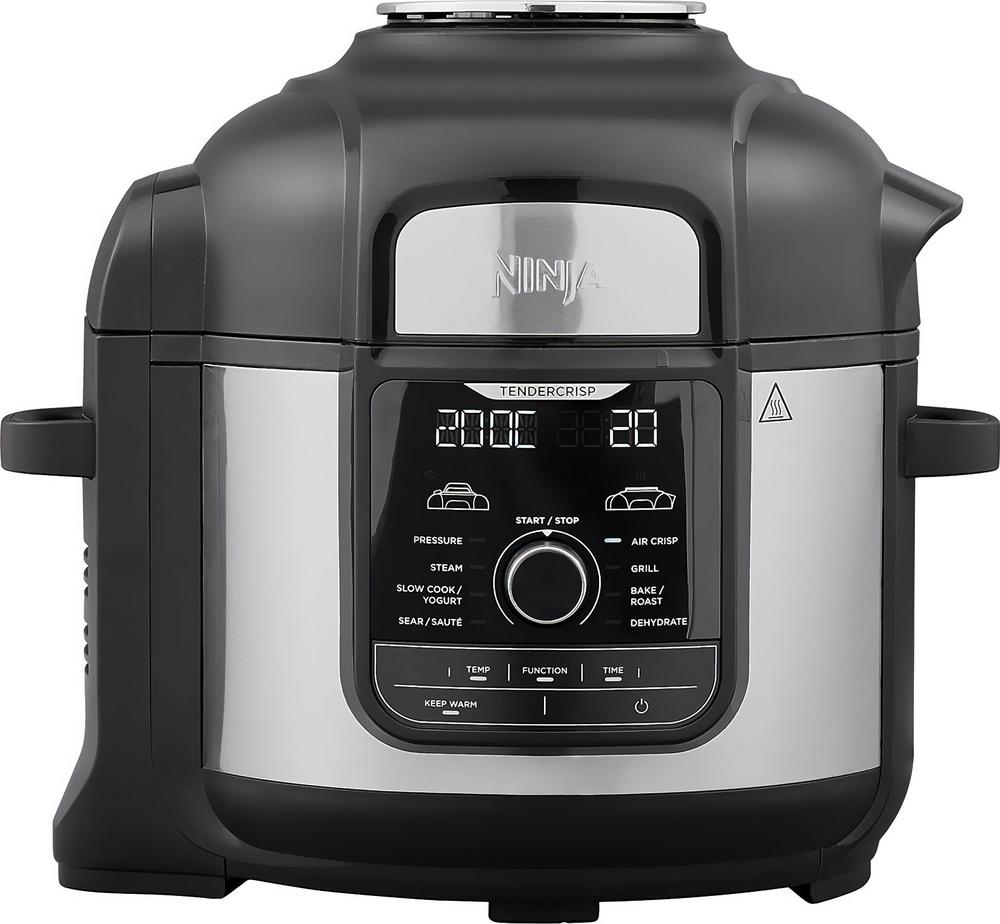
If you’re looking to cut down on cluttered worktops and make weeknight dinners less of a faff, a multi cooker is one of the most useful gadgets you can bring into the kitchen. The Ninja Combi 12‑in‑1 SFP700UK Multi Cooker in Grey is one of the latest all‑rounders aiming to replace several appliances at once, with a compact design that still promises serious versatility.
This guide looks at how a combi‑style multi cooker can transform everyday cooking, using the Ninja Combi 12‑in‑1 SFP700UK as a real‑world example. We’ll also compare it with another popular option, the Ninja Foodi 11‑in‑1 SmartLid OL550UK, and share practical tips on choosing, using and looking after a multi cooker so it genuinely earns its space on your worktop. If you want the detailed breakdown, you can read our full review of the Ninja Combi 12‑in‑1 SFP700UK Multi Cooker separately.
What is a combi multi cooker and how does it work?
Multi cookers started out as simple electric pressure cookers with a few bonus modes. Combi models like the Ninja Combi 12‑in‑1 SFP700UK take things further by mixing several cooking styles in one machine, often including air frying, roasting and baking alongside pressure and slow cooking.
In practice, this means you can do everything from a quick midweek traybake to an all‑in‑one pasta bake or a slow‑cooked stew in the same pot. Instead of swapping between a pan on the hob and a tray in the oven, you use a single non‑stick cooking compartment, change the mode and let the cooker switch between heat sources and fan speeds to suit the recipe.
Because the space inside is relatively compact, it tends to heat up quickly, so you can get food on the table faster than pre‑heating a full oven. That’s one of the reasons multi cookers have become popular with busy households and anyone looking to trim their energy use.
Why the Ninja Combi 12‑in‑1 SFP700UK stands out
The Ninja Combi 12‑in‑1 SFP700UK is part of a new wave of multi cookers that aim to be as simple as possible to live with while still offering a generous set of cooking options. Its 12‑in‑1 approach gives you dedicated programmes for common tasks, so you tap a button instead of constantly tweaking temperatures and times.
With an average rating of 4.7 from over 200 owners, it’s clearly hitting the mark for most households. People often choose it as a main cooking tool in smaller kitchens, or as a secondary oven‑replacement in busy family homes where the main cooker is always full. If you want to dig into how it performs in specific recipes and day‑to‑day use, you can read our in‑depth Ninja Combi SFP700UK review here.
Choosing between the Ninja Combi and Ninja Foodi
Within the same brand, one of the most obvious alternatives is the Ninja Foodi 11‑in‑1 SmartLid OL550UK 6 Litre Multi Cooker with Air Fryer Function. It’s a slightly different take on the same idea: a do‑it‑all cooker that gives you pressure, slow and air fry modes in a single appliance.
The Ninja Foodi 11‑in‑1 SmartLid OL550UK typically appeals if you like the idea of a more traditional multi cooker layout with a SmartLid that automatically switches between pressure and air‑fry modes. It has a 6‑litre capacity, making it well‑suited to families or batch cooks. With a high average rating and hundreds of reviews, it’s clearly a popular choice – you can see how it compares in real kitchens in our full review of the Ninja Foodi OL550UK 11‑in‑1 SmartLid.
If you’re torn between these two, the main differences to think about are capacity, cooking style and how you like to use your oven right now. The Combi approach of the SFP700UK is great for one‑pot oven‑style meals, while the Foodi’s traditional pot setup and SmartLid may suit you better if you’re focused on pressure cooking, air frying and classic multi cooker recipes.
Key features to look for in a modern multi cooker
Whether you lean towards the Ninja Combi SFP700UK or an alternative like the Ninja Foodi OL550UK, the same core buying considerations apply. These are the features that make a multi cooker genuinely useful rather than a gimmicky extra.
1. Capacity that matches your household
The right capacity depends on both the number of people you cook for and your habits. A 6‑litre style cooker, like the Ninja Foodi OL550UK, is ideal for families or anyone who wants leftovers for the next day’s lunches. Compact combi units work brilliantly for one or two people, or as an extra oven when your main cooker is full.
Think about your biggest regular meal: if you often cook a whole chicken, joint of meat or one‑pan pasta for four, you’ll appreciate a little extra space. On the other hand, if you mostly make quick solo dinners or side dishes, a more compact combi machine saves worktop space and feels less overkill.
2. Clear, everyday cooking programmes
The Ninja Combi 12‑in‑1 SFP700UK leans heavily on preset programmes, labelled for the cooking style they’re designed for. This is exactly what you want if you’re uneasy about guessing temperatures and times for new recipes.
As a rule, look for obvious modes like:
- Air fry or combi bake for crispy, oven‑style results
- Roast or bake for meats, veg and traybakes
- Pressure cook and slow cook for hands‑off stews, curries and braises (more common on Foodi‑style designs)
- Steam and reheat functions for leftovers, rice and veg
Extra modes are nice to have, but it’s more important that you can quickly switch between your most‑used settings without digging through menus.
3. Simple controls and clear displays
With up to a dozen modes on offer, a confusing control panel can be the difference between loving and abandoning a multi cooker. The better models have chunky buttons or a dial, a clear digital display and a straightforward flow: pick function, set time, adjust temperature if you want to, then press start.
When you’re comparing the Ninja Combi SFP700UK with the Ninja Foodi OL550UK, it’s worth paying attention to which layout makes more sense to you personally. Some people prefer the more oven‑like approach of a combi, others like the familiar feel of a lidded pressure cooker with an air fry mode built in.
4. Easy cleaning
One of the big practical questions with any multi cooker is how quickly you can clean it after dinner. The best designs have a non‑stick or coated inner cooking area, removable accessories and minimal awkward crevices around the lid and hinge.
Both the Ninja Combi and Foodi families aim to keep the inside as wipe‑clean as possible, with removable parts you can wash in warm, soapy water and, in many cases, pop into the dishwasher. Just be sure to check which pieces are officially dishwasher‑safe, as harsher cycles can shorten the life of some coatings and rubber seals.
How a combi multi cooker changes your weekly routine
Switching from separate oven, hob and air fryer to a combi multi cooker can feel like a big change. In practice, most people find it simplifies the week, especially on busy evenings, because it concentrates your cooking into a single pot or tray.
One‑pot dinners without fuss
The main benefit of a combi cooker like the Ninja Combi SFP700UK is the ability to bung proteins, veg and carbs into one cooking space, choose a mode and let it get on with it. Think chicken breasts over chopped potatoes and carrots, or sausages with peppers and onions, all cooked in one go.
Because the heat is circulated efficiently, you get quicker, more even results than a crowded oven tray sometimes manages. And washing a single cooking compartment afterwards feels much less of a chore than scrubbing multiple roasting tins.
Batch cooking without living in the kitchen
Multi cookers are brilliant for big‑batch basics that support healthier eating through the week. You can quickly cook a pot of grains, a large portion of chilli or curry, or a tray of roast veg to portion up into containers.
Larger models like the Ninja Foodi 11‑in‑1 SmartLid OL550UK, with its 6‑litre capacity, come into their own here. You can cook a large batch in one go and then alternate between air fry, reheat or even bake functions through the week to turn those base ingredients into varied meals. If this kind of batch prep appeals, it’s worth reading the detail in our Ninja Foodi OL550UK review to see how it handles real‑world quantities.
Better leftovers and less waste
One of the quietly brilliant things about multi cookers is how well they handle leftovers. Instead of drying out yesterday’s roast in a microwave, you can quickly reheat it in a combi or air fry mode to bring back some crispness.
This is where the Ninja Combi SFP700UK shines as an everyday workhorse. It doesn’t just cook from scratch, it rescues food that might otherwise end up in the bin, which is good for your budget and for reducing food waste.
Energy use and running costs
With energy prices higher than they used to be, it’s sensible to think about running costs before buying any new appliance. While exact figures vary by model and programme, multi cookers generally offer two main savings compared with traditional cooking:
- They pre‑heat and cook faster than a full‑size oven for smaller portions.
- They concentrate heat in a smaller space, so less energy is wasted.
If you frequently cook for one or two people, or rely heavily on oven‑based meals, shifting those to a combi or multi cooker can make a visible difference to your bills. Pressure cooking modes (more common on Foodi‑style models) are especially economical, as they cook tough cuts and pulses rapidly.
That said, if you’re regularly feeding a crowd or baking multiple trays at once, your main oven may still be more practical. The sweet spot for multi cookers is everyday meals, quick sides and smaller roasts or bakes.
Care, cleaning and keeping your multi cooker fresh
Looked after properly, a good multi cooker should last for years. A bit of basic care after each use goes a long way to keeping it performing at its best and preventing smells from building up.
Daily habits that make a difference
- Wipe down after use: Let the cooker cool, then wipe the inside walls and lid with a soft cloth to catch any splatters before they harden.
- Wash the inner pot or tray: Warm, soapy water is usually enough. Avoid metal utensils and scouring pads that can damage non‑stick coatings.
- Check seals and vents: On lidded models, inspect rubber seals and steam vents regularly for trapped food, and rinse as needed.
Dealing with lingering smells
If you cook a lot of strongly flavoured dishes, a faint smell can linger. A simple way to tackle this is to run a short cycle with water and a splash of lemon juice or vinegar, then leave the lid open to air dry fully.
On models like the Ninja Combi 12‑in‑1 SFP700UK, leaving the lid or door slightly open when not in use also helps the interior stay fresh. Always check the manual for any cleaning products to avoid, particularly on control panels and coated surfaces.
Is a multi cooker right for your kitchen?
Before you commit to a machine like the Ninja Combi SFP700UK or Ninja Foodi OL550UK, it’s worth asking a few practical questions about how you cook now and what you’d like to change.
Space and layout
Multi cookers need a bit of breathing room around them, especially if they release steam or have a hinged lid. Measure your worktop depth and check you can position the cooker so it’s not directly under wall units when it’s venting or opening.
Grey‑finished models like the Ninja Combi 12‑in‑1 SFP700UK can blend neatly into modern kitchens, but you still want to ensure it’s easy to slide out and reach the plug. If space is tight, think about whether it will live out permanently or be stored in a cupboard and lifted out when needed.
Cooking style and confidence
If you love throwing ingredients into a tray and letting the oven do the work, a combi‑style cooker will feel very natural. If you’re used to pressure cookers and like the idea of tender stews in record time, a more traditional multi cooker design such as the Ninja Foodi OL550UK may suit you better.
Either way, look for clear instructions, good labelling on programmes and, ideally, a handful of starter recipes to get your confidence up. Once you’re familiar with how your chosen cooker behaves, you’ll start adapting your own favourites easily.
When the Ninja Combi SFP700UK makes the most sense
The Ninja Combi 12‑in‑1 SFP700UK is particularly well suited to smaller households, busy professionals and anyone who wants oven‑like results without relying on a full‑size cooker. Its multi‑mode design is great for one‑pan meals, crispy sides and reheating leftovers properly rather than just warming them through.
If you already own a pressure cooker or don’t feel you’d use pressure cooking much, the Combi focuses on the modes you’re more likely to use every day. To see how it performs across those different programmes and what real owners think, it’s worth taking five minutes to read our full review of the Ninja Combi 12‑in‑1 SFP700UK Multi Cooker.
When to consider the Ninja Foodi 11‑in‑1 SmartLid OL550UK instead
If you’re drawn to pressure cooking, love the idea of a big one‑pot stew or batch‑cooking beans, and want air frying in the same unit, the Ninja Foodi 11‑in‑1 SmartLid OL550UK is a strong alternative. Its 6‑litre capacity supports family‑sized portions and means you can cook once and eat twice without overfilling the pot.
The SmartLid system is designed to make switching between modes simple, which is ideal if you’re moving from slow‑cooked tenderness to a crispy finish. To see if that style of cooking is a better fit for you than the Combi approach, you can dive into our detailed Ninja Foodi OL550UK SmartLid review.
Bringing it all together
A good multi cooker should adapt to your life, not the other way round. Whether you’re tempted by the flexible, oven‑like style of the Ninja Combi 12‑in‑1 SFP700UK, or you’re leaning towards a pressure‑focused option like the Ninja Foodi 11‑in‑1 SmartLid OL550UK, the real question is how you want to cook in the next few years.
Think about the meals you actually make, the space you have and how much you value quick, low‑effort dinners. Then use the linked in‑depth reviews to check the finer details, from real‑world timings to owner feedback. With a bit of thought up front, your next multi cooker can become the hardest‑working appliance in your kitchen rather than another gadget gathering dust.