
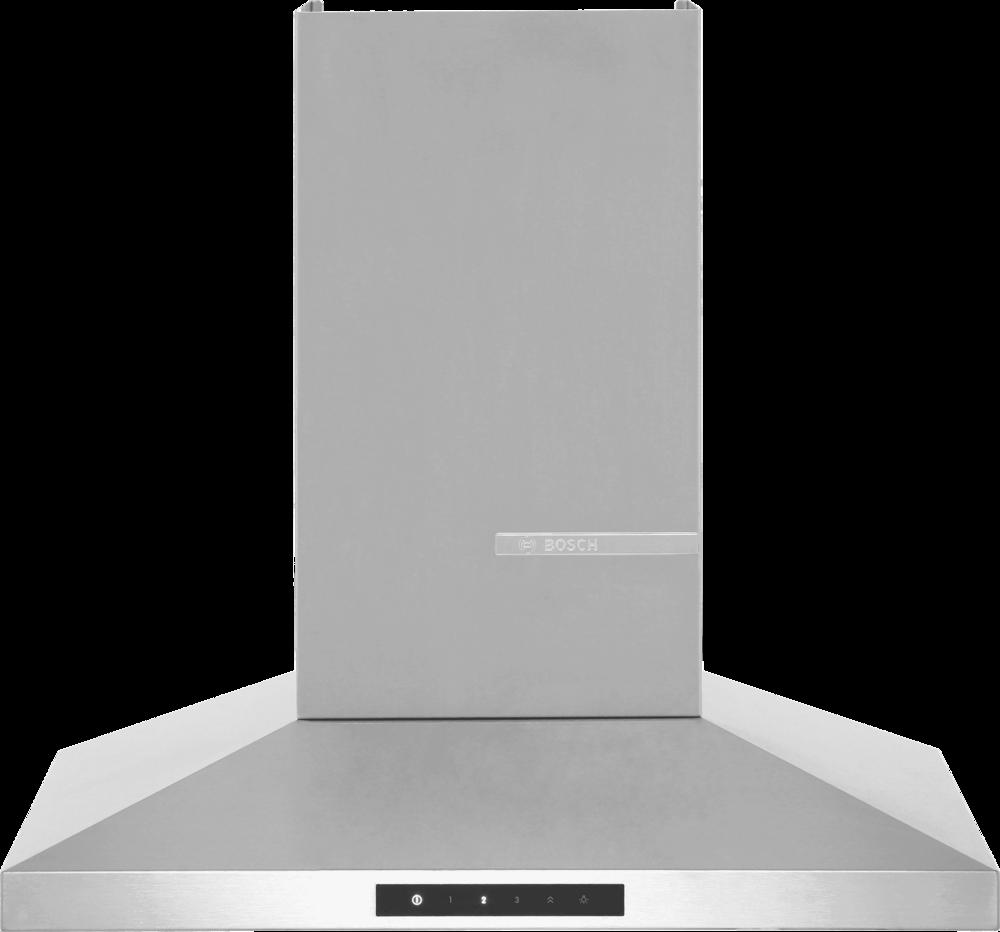
If you cook most nights of the week, a good cooker hood makes a bigger difference than you might think. It keeps steam and smells under control, stops grease settling on your cupboards and helps your kitchen feel fresher for longer. Stainless steel chimney hoods, like the Bosch Serie 4 DWB66DM50B 60cm Chimney Cooker Hood, are especially popular in UK homes because they look smart and offer strong, reliable extraction.
This guide walks through how to choose, use and look after a 60cm chimney cooker hood, using the Bosch Serie 4 DWB66DM50B as a real-world example. If you want a deep dive into this specific model, including user feedback and spec details, you can read our full review of the Bosch Serie 4 DWB66DM50B cooker hood here.
Why a 60cm chimney cooker hood suits most UK kitchens
In many British homes, a 60cm hob is the standard size. A 60cm chimney cooker hood lines up neatly with it, giving you a clean, balanced look and enough coverage to catch most of the steam and cooking fumes.
Chimney hoods like the Bosch Serie 4 DWB66DM50B are designed to be mounted on the wall, with a stainless steel chimney section that hides the ducting. This makes them ideal if your hob sits against a wall rather than on an island, and if you like the look of a more traditional, statement hood rather than a slim visor or integrated model.
Key things to consider before buying a chimney cooker hood
Before you fall for a particular design, it’s worth checking a few practical points. These will determine how well a hood will work in your kitchen day to day.
1. Width and coverage
Matching the hood to the width of your hob is the starting point. For a 60cm hob, a 60cm hood like the Bosch Serie 4 DWB66DM50B is usually spot on.
- If you have a gas hob or cook with large pans, consider if you have space to go wider than the hob for extra coverage.
- Make sure there’s enough room between wall units for the full width of the hood.
- Check any tall cupboards or a chimney breast won’t get in the way of the chimney section.
2. Extraction type: ducted vs recirculating
Most modern cooker hoods can either vent outside or recirculate the air back into the room through charcoal filters.
- Ducted extraction carries steam and odours outside and is usually the most effective choice.
- Recirculating mode is useful in flats or where you can’t fit ducting, but you’ll rely on charcoal filters that need periodic replacement.
The Bosch Serie 4 DWB66DM50B is designed to be flexible here, so it can fit a wide range of UK kitchen layouts. If you’re unsure which setup is best for you, we cover real-world installation and usage experience in our in-depth Bosch Serie 4 DWB66DM50B review.
3. Performance and everyday usability
On paper, extraction rates and noise levels matter, but how a hood feels to use every evening is just as important. When comparing models, think about:
- How quickly they clear steam when boiling pasta or frying.
- Whether lower speeds are quiet enough for open-plan living.
- How intuitive the controls are when your hands are greasy or wet.
- How bright and evenly the cooking area is lit.
Series 4-level Bosch hoods are generally designed as a sweet spot between performance, noise and price, which is one reason models like the DWB66DM50B attract consistently strong user ratings.
Living with a stainless steel chimney cooker hood
A cooker hood is one of those appliances you barely notice when it works well. The best sign you’ve chosen wisely is that your kitchen feels fresher and less sticky, and you aren’t constantly fiddling with settings.
Noise and comfort
All cooker hoods make some noise, especially on the highest speed. The usual pattern is:
- Low speed: good for gentle simmering and background extraction.
- Medium: a sensible default for most everyday cooking.
- High or boost: for searing, frying or heavy steam – louder but short bursts.
If your kitchen is open-plan with a living area, it’s worth running the hood on lower speeds most of the time and only using the top speed when you really need to. Modern designs like the Bosch Serie 4 DWB66DM50B are built to keep the lower speeds as unobtrusive as possible, which makes them easier to live with in smaller homes.
Lighting and visibility
Good lighting over the hob makes cooking safer and more enjoyable. Stainless steel chimney hoods generally come with built-in lights that:
- Illuminate the full hob surface.
- Help you see how quickly food is browning.
- Add a cosy glow to the kitchen in the evening.
Check where the lights sit on the hood and whether users mention dark spots on the hob. In many 60cm hoods, they’re positioned towards the front so you don’t cast a shadow over the pans.
Keeping your cooker hood clean and efficient
Regular maintenance is crucial if you want your hood to keep performing like new and avoid unwanted smells or grease build-up.
Cleaning metal grease filters
Metal grease filters catch airborne fat and particles so they don’t clog the motor or ducting. Over time they become coated and less effective.
- Remove the filters according to the manual – most simply unclip or slide out.
- Soak them in hot, soapy water with a bit of degreaser, then scrub gently with a soft brush.
- If the manual allows, you can put them in the dishwasher on a gentle cycle.
- Let them dry completely before refitting.
Cleaning filters every one to two months is a good habit, especially if you fry regularly. Bosch’s filters are designed to be durable, so with basic care they’ll last for years.
Charcoal filters for recirculating setups
If your hood is in recirculating mode, charcoal filters trap odours before the air is returned to the room. These can’t be washed and need periodic replacement to stay effective.
- Check the manufacturer’s guidance – many suggest changing every three to six months.
- Set a reminder on your phone or calendar so it doesn’t get forgotten.
- Look out for signs like lingering smells after cooking as a cue to replace them.
Polishing stainless steel
Stainless steel looks fantastic when it’s clean, but can show fingerprints and streaks. To keep your hood looking smart:
- Wipe regularly with a soft microfibre cloth and warm, slightly soapy water.
- Dry with a clean cloth, wiping in the direction of the grain.
- Use a non-abrasive stainless steel cleaner occasionally for a streak-free finish.
The clean lines and flat panels on a chimney hood like the Bosch Serie 4 DWB66DM50B make it relatively simple to keep on top of, compared with more intricate designs.
Installation tips for a trouble-free setup
Installing a cooker hood isn’t the most glamorous job, but getting it right is essential for safety and performance. Always follow the instructions provided and use a qualified electrician where needed.
Height and positioning
Your hood should be mounted at a safe distance above the hob – too low and it’s a hazard, too high and extraction suffers.
- Refer to the hood’s manual for the recommended minimum and maximum heights.
- Mark out the chimney on the wall first to check it aligns nicely with tiles or splashbacks.
- Make sure there’s easy access to electrics for connection and servicing.
Ducting route and diameter
If you’re ducting outside, think through the route before you start drilling.
- Use the recommended duct diameter – narrowing it can increase noise and reduce performance.
- Keep runs as short and straight as possible, with gentle bends instead of sharp ones.
- Fit an external vent cover to stop draughts and rain coming back in.
Well-planned ducting can make a surprisingly big difference to how effective your hood feels in everyday cooking.
Is a stainless steel chimney hood right for your kitchen style?
Beyond the practical side, cooker hoods can be a real design feature. Stainless steel chimney models work well with a wide range of kitchen styles, from modern gloss white to more traditional shaker units.
The Bosch Serie 4 DWB66DM50B keeps things simple: a clean, boxy canopy and a straight chimney section in stainless steel. That makes it easy to pair with matching stainless ovens, hobs and splashbacks for a coordinated look.
If you’re planning a full kitchen refresh, it’s worth choosing your hood at the same time as your hob and oven so you can match finishes and lines across the three.
When a 60cm hood might not be enough
Although a 60cm hood is perfect for most UK households, there are times when you might want to look elsewhere:
- You have a 70–80cm hob and do a lot of cooking – a wider hood will capture more steam.
- Your hob sits on an island – a dedicated island hood usually works better.
- You rarely cook – a slim, integrated or visor hood might be sufficient and more discreet.
However, if you have a standard 60cm hob on a run of base units, a 60cm chimney hood is usually the most straightforward, balanced choice.
Why the Bosch Serie 4 DWB66DM50B stands out
With many 60cm chimney cooker hoods on the market, it’s worth noting what makes this particular model so popular. The Bosch Serie 4 DWB66DM50B has gained a very strong average rating from a large number of buyer reviews, which suggests it performs reliably in real kitchens rather than just on paper.
Owners often highlight:
- Solid build quality and a premium feel for the price point.
- Effective extraction that copes well with everyday family cooking.
- Easy-to-clean surfaces and filters that feel robust.
If you’re considering this model as your main kitchen hood, you can find more detail on installation, performance and user impressions in our full Bosch Serie 4 DWB66DM50B cooker hood review.
Getting the best from your cooker hood day to day
Once your hood is fitted, a few simple habits will help it work better and last longer.
- Switch it on early: Start extraction a couple of minutes before you begin cooking so the airflow is established.
- Use the right speed: Keep it on a lower setting for simmering and increase it when frying or boiling vigorously.
- Leave it running: Let the hood run for 5–10 minutes after you finish cooking to clear any remaining steam and smells.
- Stay on top of cleaning: Wipe the surfaces regularly and clean filters on a schedule so performance doesn’t gradually drop.
Final thoughts
A well-chosen 60cm chimney cooker hood can quietly transform how pleasant your kitchen feels, especially if you cook most days. A stainless steel model like the Bosch Serie 4 DWB66DM50B offers a smart, timeless look with the kind of reliable performance and ease of use that suits busy UK households.
Take a bit of time to measure up, think about ducting and consider how you cook, then choose the hood that best fits your space and routine. If the Bosch Serie 4 DWB66DM50B is on your shortlist, make sure you explore our full hands-on review for more detailed insights before you buy.