
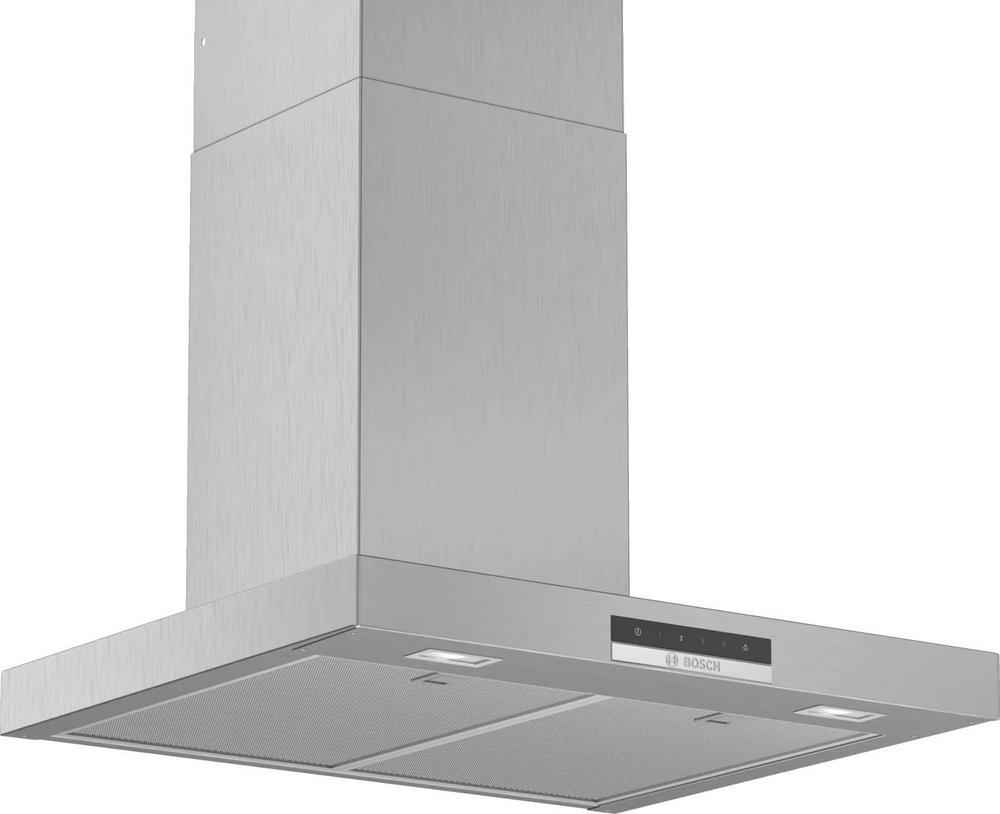
If you cook most evenings, your cooker hood quietly becomes one of the hardest working appliances in your kitchen. The Bosch Series 4 DWQ66DM50B 60cm Chimney Cooker Hood is a popular choice for UK homes that want a neat stainless steel look and effective steam and odour control above a standard 60cm hob. In this guide, we’ll look at what to consider when choosing a chimney cooker hood like this Bosch model, how to get the best from it day to day, and where you can dive into more detailed product reviews if you are close to buying.
Why a 60cm chimney cooker hood suits most UK kitchens
Most UK kitchens are built around a 60cm-wide hob, which makes a 60cm chimney hood an easy, tidy match. A unit like the Bosch Series 4 DWQ66DM50B sits centrally over the hob, lining up cleanly with standard-sized cabinets on either side.
Matching the hood width to the hob keeps installation simple and helps ensure that steam and grease rising from your pans are captured effectively. If you have wall units either side of your cooker, a 60cm chimney hood usually slots in without major alterations, especially in newer kitchens that were designed with this layout in mind.
If you are curious about the specific build quality, lighting and extraction performance of this model, you can read our full review of the Bosch Series 4 DWQ66DM50B 60cm Chimney Cooker Hood for a deeper dive.
Understanding extraction: what a chimney hood is really doing
Chimney cooker hoods like the DWQ66DM50B work by pulling air through filters and either sending it outside through ducting or cleaning and recirculating it back into the room. Both approaches can work well when installed correctly, but they have different strengths.
- Ducted extraction vents the moist, greasy air outdoors, which is ideal if you have an external wall nearby or can run a duct to the outside.
- Recirculation uses carbon filters to neutralise odours and returns the air to the kitchen, which is handy for flats or internal walls where ducting is difficult.
When looking at a chimney hood, pay attention to its quoted extraction or recirculation rate at different speed settings. A unit in this class is designed to cope well with the everyday mix of boiling, sautéing and the occasional high-heat fry, rather than industrial levels of smoke.
Noise levels and everyday usability
Noise is one of the main things you notice once a cooker hood is installed. Chimney designs generally handle airflow more efficiently than some compact styles, which can make them a little quieter for the same power level. That matters if your hob faces into an open-plan living space.
In everyday use, the lower settings on a chimney hood are usually enough for simmering or gentle frying. You save the higher power levels for when you are searing steaks, cooking a big weekend fry-up or generating lots of steam. Running the fan for a few minutes after cooking also helps clear lingering smells without needing to blast it on the top setting the whole time.
If noise levels are a top concern for you, it is worth checking user impressions and lab measurements in detailed tests; you can find more on this in our dedicated Bosch Series 4 DWQ66DM50B chimney hood review.
Design and finish: making stainless steel work in your kitchen
The Bosch Series 4 DWQ66DM50B pairs a stainless steel body with a clean, simple chimney design. This kind of finish tends to sit well with most modern hobs and ovens, especially if you already have stainless steel appliances in the room.
Stainless steel looks smart, but it does show fingerprints and cooking splashes, particularly near the controls and lower fascia. The good news is that it is easy to wipe down with a soft cloth and mild detergent. A quick buff with a microfibre cloth after cleaning helps keep streaks under control.
When planning your kitchen, also think about how the chimney section will interact with your wall units and ceiling height. Chimney hoods usually have telescopic sections so you can adjust the height, but it is still worth measuring carefully to ensure a neat fit.
Filters, maintenance and keeping your hood effective
Any cooker hood is only as effective as its filters. Over time, grease builds up and can both reduce performance and make cleaning harder if you leave it too long.
- Metal grease filters typically sit just above the hob area. On a chimney hood, they usually unclip or slide out from underneath, and most are designed to be hand-washed in hot soapy water, or even placed in a dishwasher if the manual confirms this.
- Carbon filters are used when the hood is in recirculation mode to trap smells. These are consumable items and need replacing periodically to keep odour control effective.
Get into the habit of checking the filters every month or so. If you cook daily, especially if you fry food frequently, a monthly clean will pay off. It helps keep suction consistent, reduces strain on the motor and prevents sticky deposits building up on the visible parts of the hood.
Installation basics: what to think about before you buy
Before you commit to a particular 60cm chimney hood, it is worth doing a few quick checks so installation goes smoothly.
- Position and power – confirm there is a suitable electrical connection within reach above the hob, ideally on a dedicated circuit if required by local regulations.
- Duct route – if you want to vent outside, plan the shortest, straightest duct run possible. The more bends and distance, the harder the motor has to work, which can increase noise and reduce performance.
- Mounting height – measure from the hob to the underside of where the hood will sit, checking that this meets the minimum and maximum height recommendations in the installation guide.
- Cabinet and wall construction – make sure your wall is suitable to carry the weight of a chimney hood and that you have access to the right fixings for brick, block or stud walls.
Even though many 60cm hoods are designed to fit into existing spaces, checking these points in advance will save you time and avoid surprises on installation day.
Energy use and when to run your cooker hood
Compared with big appliances like ovens or dishwashers, cooker hoods do not tend to be major energy users. However, using them smartly can still make a difference over time and keep your kitchen more comfortable.
- Switch the hood on a minute or two before you start cooking so it can establish an airflow pathway.
- Use the lowest setting that still clears steam effectively; reserve the top setting for short bursts when you are producing a lot of smoke or vapour.
- Leave the hood running for 5–10 minutes after cooking to clear lingering smells, then turn it off rather than leaving it on out of habit.
A chimney hood like the Bosch Series 4 is built for regular, everyday use, so you should not feel guilty about switching it on whenever you are cooking a proper meal. Balanced use is better than never using it and living with lingering odours and condensation.
Is a 60cm chimney hood right for you?
If you have a standard 60cm hob and a run of wall cabinets, a 60cm chimney cooker hood remains one of the most practical, good-looking solutions. The Bosch Series 4 DWQ66DM50B is aimed squarely at this type of kitchen, offering a stainless steel finish and a familiar chimney layout that does not dominate the room.
It is well suited to households that cook most days and want reliable extraction, built-in lighting above the hob, and straightforward maintenance. If you prefer a sleek integrated look hidden behind a cabinet door, you might instead consider a built-in or telescopic hood, but these come with their own compromises around access and ease of cleaning.
How to get the best from your Bosch chimney hood
Once your chimney hood is installed, a few simple habits will keep it performing well for years:
- Use it early – switch it on before you start to cook, rather than when the room is already full of steam.
- Pick the right setting – start low and increase the power only if you see steam escaping around the sides.
- Keep filters clean – set a reminder every month or two to wash metal filters and check carbon filters if you use recirculation.
- Wipe down regularly – a quick wipe of the underside and controls after a messy cooking session stops grease from building up.
Looked after in this way, a 60cm chimney hood can quietly protect your walls, ceilings and cupboards from the long-term effects of steam and grease, as well as keeping cooking smells under control.
When to explore detailed product reviews
This guide covers the practical side of living with a 60cm chimney cooker hood and how a stainless steel model like the Bosch Series 4 DWQ66DM50B can fit into a typical UK kitchen. If you are close to buying, you will probably want more specific details about build quality, lighting, fan controls, and real-world noise and extraction performance.
For that, it is worth taking a look at our dedicated product write-up: you can read our full review of the Bosch Series 4 DWQ66DM50B 60cm Chimney Cooker Hood here. There you will find structured information, user impressions and more detail to help you decide whether it is the right match for your home.
Final thoughts
Choosing a cooker hood is about more than just matching the width of your hob. It is about finding a design that fits your kitchen layout, clears the air effectively, and is easy to live with day after day. A 60cm stainless steel chimney hood such as the Bosch Series 4 DWQ66DM50B hits a sweet spot for many UK homes, combining familiar looks with practical performance.
Measure carefully, think through how you cook, and consider how often you are likely to clean and maintain the hood. With those basics in place, you can buy with confidence and then use the in-depth reviews linked throughout this article to fine-tune your final choice.