
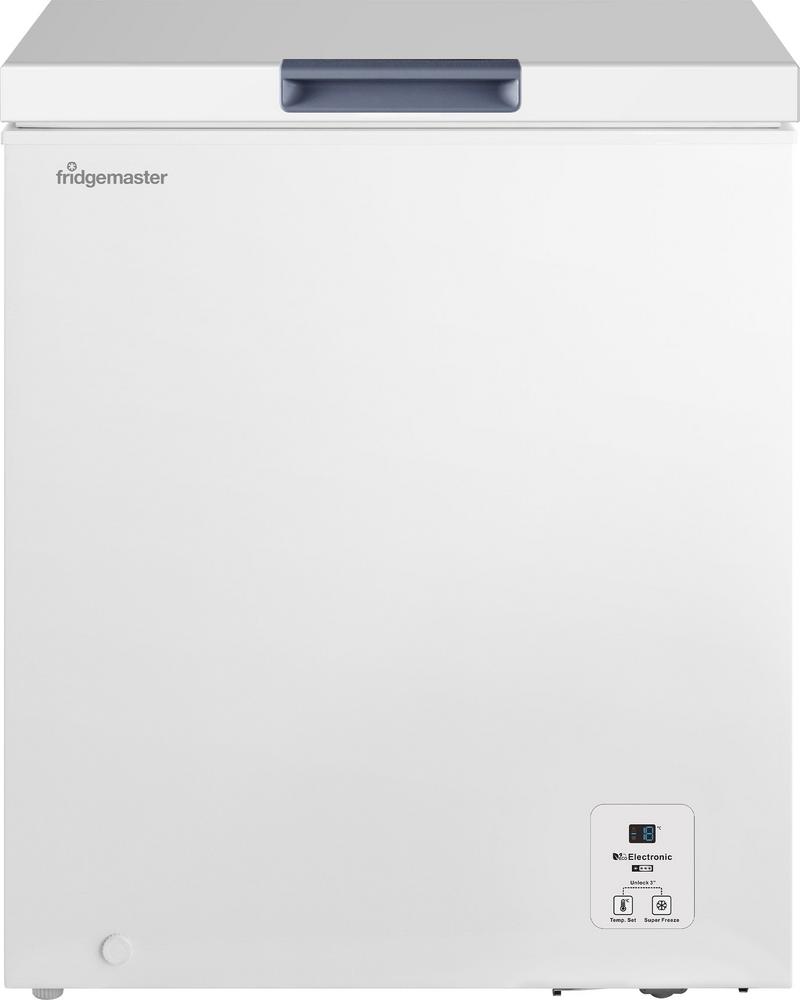
If you’re running out of freezer space or want to make the most of supermarket offers, a chest freezer can be a game-changer. The Fridgemaster MCF198E Chest Freezer is a popular, budget-friendly option for UK homes, offering generous storage without taking over the whole room. In this guide, we’ll walk through how to choose the right type and size of freezer, how a model like the Fridgemaster MCF198E fits into real homes, and a few smart alternative options if you need something smaller or a different style.
Why consider a chest freezer in the first place?
Chest freezers are all about flexible storage. Instead of cramming everything into a tall, narrow space, you get an open box that can handle awkward items like whole joints of meat, batch-cooked meals and tubs of leftovers.
For many households, a chest freezer becomes a backup hub for bulk buys, seasonal produce and batch cooking. It’s especially useful if you:
- Have a standard fridge freezer that’s always full
- Want to buy meat, bread or veg in bulk to save money
- Grow your own fruit and vegetables and need extra storage at harvest time
- Have a larger family or host regularly
The Fridgemaster MCF198E Chest Freezer is designed to hit that sweet spot: a useful capacity at a price that suits most budgets. If you want to dive deep into its performance, features and user feedback, you can read our full review of the Fridgemaster MCF198E Chest Freezer once you’ve finished this guide.
Getting to know the Fridgemaster MCF198E
The Fridgemaster MCF198E is a white chest freezer aimed squarely at everyday family use. It offers a mid-sized storage capacity that suits most households who want a second freezer in a utility room, garage or spare corner of the kitchen.
Rated highly by owners, it has become one of the most talked-about budget chest freezers on the market. With an energy rating of E under the current A–G scale, it balances running costs and purchase price in a way that will appeal if you’re cost-conscious but still want modern efficiency.
If you’re weighing it up against similar models, you’ll find a detailed breakdown of layout, usability and real-world running noise in our hands-on piece – take a look at our in-depth Fridgemaster MCF198E review here.
How much freezer space do you actually need?
Before you fall in love with any particular model, think practically about capacity and floor space. A freezer that’s too small will still leave you juggling bags of frozen chips; one that’s too big might dominate your utility room and cost more to run than you really need.
Matching capacity to your household
As a general rule:
- Singles or couples who do moderate batch cooking can cope with a compact or medium chest freezer.
- Families of three to four often benefit from a mid-range model like the Fridgemaster MCF198E.
- Larger families or those with allotments or bulk meat deliveries may prefer something bigger again.
The MCF198E sits nicely in the middle, offering plenty of room for mixed family shopping without becoming overwhelming. If you’re in a flat, or your kitchen is already crowded, it may still be more than you want, in which case a smaller chest freezer like the Fridgemaster MCF96EB Chest Freezer is worth considering instead.
When a smaller chest freezer makes more sense
Not everyone has space for a mid-sized chest freezer. If you’re in a smaller property or just want overflow storage for a few key items, a compact chest freezer can be a neater solution.
The Fridgemaster MCF96EB Chest Freezer – Black is the natural little sibling to the MCF198E. It keeps the same brand ethos of simple controls and good value but shrinks everything down to suit tighter spaces and smaller households. Because it’s finished in black, it can also blend better into certain kitchen or utility room schemes.
If you like the idea of the MCF198E but know you won’t fill it, take a look at our thoughts on its compact counterpart in our full review of the Fridgemaster MCF96EB.
Chest freezer vs under-counter freezer
While chest freezers give you raw capacity, they’re not always the most convenient for everyday items. That’s where a compact upright or under-counter freezer can shine.
The Hisense FV105D4BW21 Under Counter Freezer is a good example of this different approach. It slots under a standard worktop, gives you easy-access drawers, and looks more like part of a fitted kitchen. If you prefer your frozen food neatly stacked in pull-out compartments rather than lowered into a deep chest, this style may suit you better.
For a closer look at how this upright design compares in day-to-day use, fridge-space saving and energy usage, head over to our detailed review of the Hisense FV105D4BW21 under-counter freezer.
Where to put your new freezer
Location is more important than many people realise when it comes to freezers. Choosing wisely can help your appliance last longer and keep your running costs down.
Kitchen, utility room or garage?
For the Fridgemaster MCF198E, most people opt for a utility room, a large kitchen or a garage. Wherever you place it, bear in mind:
- Level flooring: A flat, stable floor helps the compressor work efficiently and reduces noise.
- Ventilation space: Leave a little gap around the sides and back so heat can escape easily.
- Ambient temperature: Extremely cold or hot spaces, like uninsulated garages, can affect performance. Always check the manufacturer’s guidance.
Many modern freezers are designed to cope with cooler spaces, but if your garage regularly drops close to freezing in winter, it’s worth checking whether your chosen model is suitable before you buy.
Making the most of chest freezer storage
One common worry with chest freezers is that food will “disappear” to the bottom, never to be seen again. With a bit of simple organisation, you can avoid the frozen lucky dip and keep everything easy to find.
Simple organisation strategies
- Use baskets or crates: Group items into categories like meat, vegetables, bread and ready meals.
- Label clearly: Masking tape and a marker pen are invaluable. Label by contents and date.
- Keep everyday items on top: Reserve the upper layer for things you reach for most often.
- Create a quick inventory: A basic list on the lid or your phone helps keep track of what you’ve frozen.
The Fridgemaster MCF198E’s open internal layout makes it easy to use plastic baskets or boxes to create your own system. Spending an extra 10 minutes organising after a big shop can save you money and cut down on food waste in the long run.
Energy usage and running costs
With electricity prices where they are, energy efficiency is high on most people’s lists. The MCF198E carries an E rating on the latest energy label scale, which places it in the middle of the pack for modern freezers.
For many households, that’s a reasonable balance between upfront cost and ongoing bills. However, it’s still worth making sure you’re using any freezer as efficiently as possible:
- Don’t block ventilation grills or pack items tightly around the sides.
- Avoid putting hot food straight into the freezer; let it cool first.
- Defrost manually if ice starts to build up on the walls.
- Keep the lid closed as much as you can to prevent cold air escaping.
If you’re very tight on space and energy usage, a smaller model like the Fridgemaster MCF96EB or an efficient under-counter freezer such as the Hisense FV105D4BW21 may suit your needs better. Because they have less internal volume to cool, they can be easier on your electricity bill, provided you don’t end up cramming them to bursting every week.
Living with a chest freezer day to day
Beyond specs and energy labels, it’s the small day-to-day details that really decide whether a freezer fits into your life comfortably.
Noise levels
Most modern chest freezers, including the Fridgemaster MCF198E, are designed to run fairly quietly. In a kitchen or utility room you’ll typically only notice a gentle hum when the compressor kicks in. If you’re very sensitive to noise or plan to keep the freezer in an open-plan living space, placing it on a stable, level surface and ensuring it’s not touching the wall can help keep vibrations down.
Cleaning and maintenance
Chest freezers are generally low-maintenance. Wiping seals occasionally with a damp cloth keeps them closing firmly, which helps maintain efficiency. Manual defrosting can seem like a chore, but if you plan ahead and run stocks down first, it’s surprisingly manageable.
Some owners treat it as a chance to reorganise and take stock of what’s still lurking in the bottom. Unplug, let the ice melt, mop up the water, then plug back in and restock. It’s a straightforward task that keeps your freezer doing its job properly.
Is a mid-sized chest freezer right for you?
If you’re still on the fence, it helps to think about how you actually shop and cook week to week:
- If you love batch cooking, bulk-buying and freezing yellow-sticker bargains, a mid-sized model like the Fridgemaster MCF198E will likely earn its keep.
- If you have a small household and shop little and often, you might be happier with a compact chest freezer such as the Fridgemaster MCF96EB.
- If you mainly want extra everyday freezer drawers in the kitchen, an under-counter design like the Hisense FV105D4BW21 could prove more convenient.
Because there’s no one-size-fits-all answer, looking at real-world owner feedback and in-depth testing can really help. For that, be sure to read our full review of the Fridgemaster MCF198E Chest Freezer to see how it performs once it’s installed and loaded up.
Final thoughts
Adding a chest or under-counter freezer can transform how you shop, cook and store food, helping you save money and cut down on waste. The Fridgemaster MCF198E offers a strong balance of capacity, practicality and value for a wide range of UK homes, while alternatives like the Fridgemaster MCF96EB and Hisense FV105D4BW21 cater for smaller spaces or different layouts.
Take a moment to think about where your freezer will live, how much you really need to store, and how you prefer to organise your food. Then explore the linked in-depth reviews to see how each model behaves in real life, so you can choose the one that will quietly get on with the job in the background for years to come.