
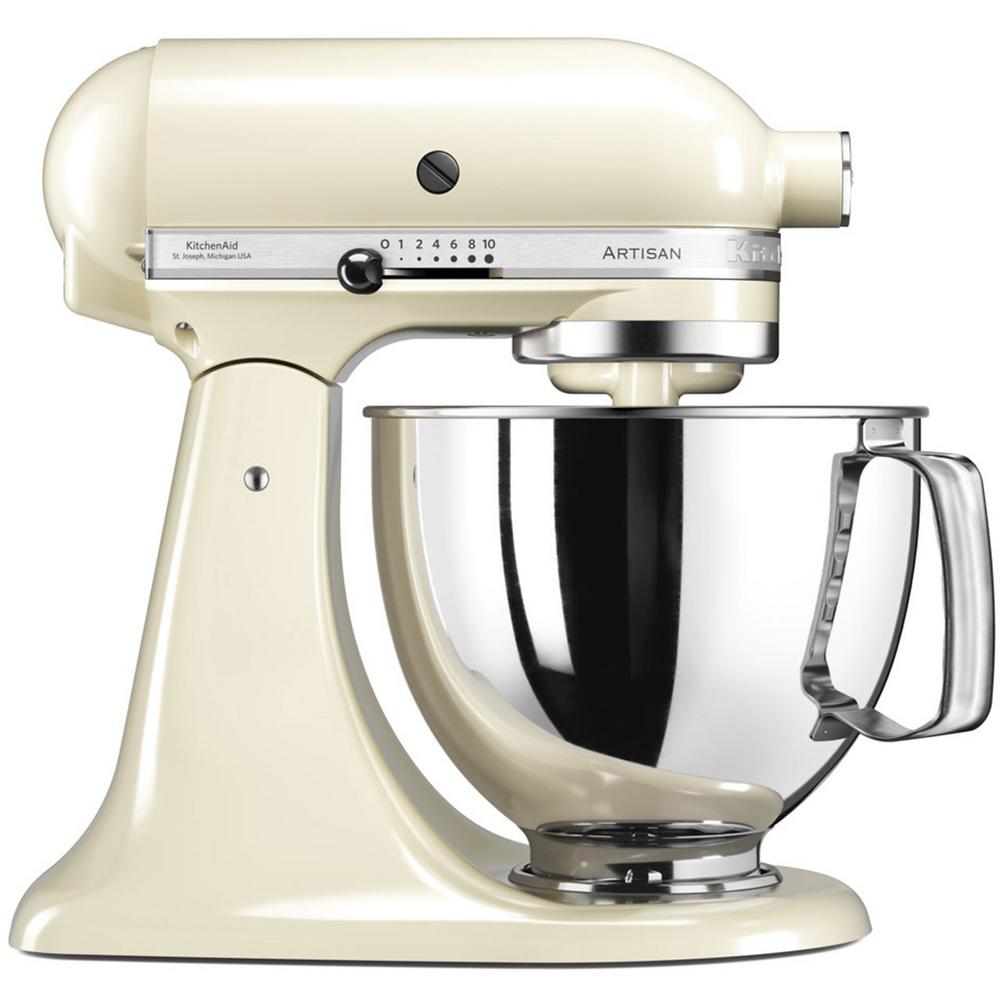
If you love baking, a good stand mixer can turn sticky, time-consuming jobs into something you actually look forward to. The KitchenAid Artisan 5KSM175PSBOB Stand Mixer with 4.8 Litre Bowl in Onyx Black is one of the most recognisable premium options on British worktops, and for good reason. This guide uses that model as a reference point to help you decide whether a stand mixer is right for you, what to look out for, and how to get the best from it once it arrives.
Why consider a premium stand mixer?
A stand mixer isn’t just a fancy whisk. At its best, it becomes the workhorse of your kitchen, handling everything from bread dough and meringues to mashed potatoes and cake batter. The KitchenAid Artisan 5KSM175PSBOB sits firmly in the premium camp, appealing to keen home bakers who want performance, longevity and a design that looks good enough to live out on the worktop.
If you’re curious about what this particular model can do in detail, including everyday use and build quality, you can read our full review of the KitchenAid Artisan 5KSM175PSBOB. Here, we’ll stay away from scores and lab testing, and focus on making your buying and ownership decisions easier.
Understanding bowl size: is 4.8 litres right for you?
One of the first numbers you’ll see on any stand mixer is the bowl capacity. The KitchenAid Artisan 5KSM175PSBOB comes with a 4.8 litre bowl, which is a very popular mid-to-large size for home use.
In practice, a bowl around this size is ideal if you:
- Regularly bake full-size cakes or layered celebration bakes
- Make a couple of loaves of bread or pizza dough at a time
- Batch bake biscuits or cupcakes for parties, school events or the freezer
It’s also flexible enough for smaller jobs, like whipping a little cream or beating a few eggs, though extremely tiny quantities will always work better in a smaller bowl or jug. When comparing mixers, consider the biggest batch you realistically make and ensure your chosen size can handle that with a bit of headroom.
Design and build: why the look and feel matter
Stand mixers are heavy, bulky appliances, and many people leave them permanently on display. That makes design more important than you might think. The Onyx Black finish of the 5KSM175PSBOB is classic and understated, working well in both modern and traditional kitchens.
Beyond colour, pay attention to the following:
- Weight and stability – a solid, heavier mixer tends to walk less on the worktop when kneading dough.
- Controls – a simple speed lever and tilt-head mechanism are usually easier to live with than complicated menus.
- Materials – more metal, less flimsy plastic usually signals better long-term durability.
The Artisan range aims squarely at buyers who want something that feels like a long-term investment. If that appeals to you, take the time to compare designs and finishes, and think about what you’ll be happy to look at every day.
Key attachments and what they actually do
Most stand mixers, including the KitchenAid Artisan 5KSM175PSBOB, are built around three core tools:
- Flat beater – for cake batters, biscuit doughs, icings and everyday mixing.
- Balloon whisk – for whipping cream, egg whites, meringues and light mixtures.
- Dough hook – for bread, pizza dough, enriched doughs and other yeast-based recipes.
Before you buy, check exactly which tools are included in the box. Some mixers come with extras like a pouring shield, second bowl or flex-edge beater that scrapes the sides of the bowl as it mixes. These small touches can make regular baking noticeably more efficient and less messy.
The Artisan range is also well known for optional hub attachments, such as pasta rollers or food grinders. Only factor these into your decision if you can see yourself genuinely using them; otherwise, focus on how well the mixer does the basic jobs first.
Performance expectations: what a good stand mixer should handle
While this isn’t a lab test, there are some reasonable expectations you can have for a quality stand mixer in this class:
- Even mixing – ingredients should be pulled in from the sides and bottom of the bowl with minimal scraping required.
- Stable kneading – when working a typical bread dough, the mixer should stay put and keep a steady rhythm.
- Controlled speed range – slow enough to fold dry ingredients without sending flour everywhere, and fast enough to whip meringue to glossy peaks.
If you’re curious how the 5KSM175PSBOB behaves with different recipes and over time, our hands-on impressions are covered in detail in the full KitchenAid Artisan 5KSM175PSBOB review, which is worth a look once you’ve narrowed down your shortlist.
Noise, size and everyday practicality
Noise is a common concern with stand mixers, especially in open-plan homes. Any stand mixer will make some sound, particularly at higher speeds, but better-quality models manage this more smoothly and with fewer rattles. If you’re sensitive to noise, consider where in the kitchen it will sit and whether you can shut a door while it’s running.
Size is another practical factor. A 4.8 litre bowl mixer is not tiny, so measure your available worktop depth and the clearance under wall cupboards. Remember the head needs room to tilt back. It’s also worth thinking about which side you prefer the speed lever on, and whether you’ll be working left- or right-handed.
How to use your stand mixer more effectively
Once you’ve invested in a stand mixer, a few simple habits will help you get consistently better results:
- Start slow – always begin mixing on the lowest speed to avoid flour clouds and splashes, then gradually increase.
- Don’t walk away too soon – it’s tempting to leave the mixer running unattended, but keep an eye on new recipes until you know how they behave.
- Scrape down when needed – even a good mixer sometimes needs a brief pause and a quick scrape of the bowl sides for perfect results.
- Use the right attachment – swapping from the beater to the dough hook at the right time makes a bigger difference than you might think.
Care, cleaning and keeping your mixer looking new
Stand mixers are built to last, but only if you treat them well. Always unplug before cleaning, and never immerse the motor housing in water. Most stainless-steel bowls and standard beaters can be washed in warm soapy water, and many are dishwasher-safe, though checking the manual is wise before you commit.
Wipe the body down regularly with a soft damp cloth to prevent splatters from hardening. Around the hinge and attachment hub, a quick clean after each baking session stops dried-on flour and sugar building up. A mixer like the 5KSM175PSBOB is designed to be displayed; a little routine care will keep that Onyx Black finish looking smart for years.
Choosing the right stand mixer for your style of cooking
Even within the world of stand mixers, not everyone needs the same thing. Ask yourself a few questions before you commit:
- How often will I use it? Weekly bread and bakes justify a sturdier, more premium machine than occasional birthday cakes.
- What do I bake most? Heavy doughs, frequent batches and large cakes favour a stronger motor and generous bowl.
- Where will it live? If it’s staying on the worktop, design and footprint matter as much as raw power.
- Do I really need extra attachments? It’s easy to be tempted by accessories, but focus on your core baking first.
The KitchenAid Artisan 5KSM175PSBOB is aimed at enthusiastic home bakers who want a good all-rounder with a premium finish. If that sounds like you, it’s likely to tick a lot of boxes. If you’re more of an occasional baker, you might lean towards something smaller or simpler – but the convenience of a capable mixer often encourages people to bake more.
Stand mixer safety tips you shouldn’t skip
Stand mixers are straightforward to use, but a few safety basics are worth keeping in mind:
- Always unplug before changing attachments or cleaning.
- Keep fingers, utensils and loose clothing away from moving parts.
- Don’t overload the bowl with significantly more dough or batter than recommended.
- Place the mixer on a stable, level surface and don’t run it on the edge of a worktop.
Follow these, and your mixer should be both safe and dependable, whether you’re knocking up a quick Victoria sponge or tackling a more ambitious bake.
Is a premium mixer a good long-term investment?
The upfront cost of a premium stand mixer can feel steep, especially compared with a basic hand mixer or entry-level compact model. However, if you bake regularly, a heavier-duty machine with a solid reputation and a high user rating, like the KitchenAid Artisan 5KSM175PSBOB, can be a sensible long-term investment. It saves time, reduces physical effort and tends to deliver more consistent results, making baking more enjoyable rather than a chore.
Beyond the numbers, many owners find that having a reliable stand mixer encourages them to try new recipes, from enriched doughs and brioche to macarons and homemade pasta. That extra capability is hard to put a price on if cooking and baking are big parts of your home life.
Bringing it all together
Choosing a stand mixer is about more than a single headline feature. Bowl size, attachments, build quality, noise, design and how you actually cook all matter. The KitchenAid Artisan 5KSM175PSBOB Stand Mixer with 4.8 Litre Bowl – Onyx Black is a strong example of a well-balanced, premium mixer designed to live on your worktop and handle most home baking tasks with ease.
If you’re close to a decision and want a deeper dive into everyday use, strengths and quirks, take a few minutes to read our in-depth KitchenAid Artisan 5KSM175PSBOB stand mixer review. Between this buying and usage guide and the detailed review, you should have everything you need to decide whether this is the right mixer to earn a permanent spot on your kitchen worktop.