
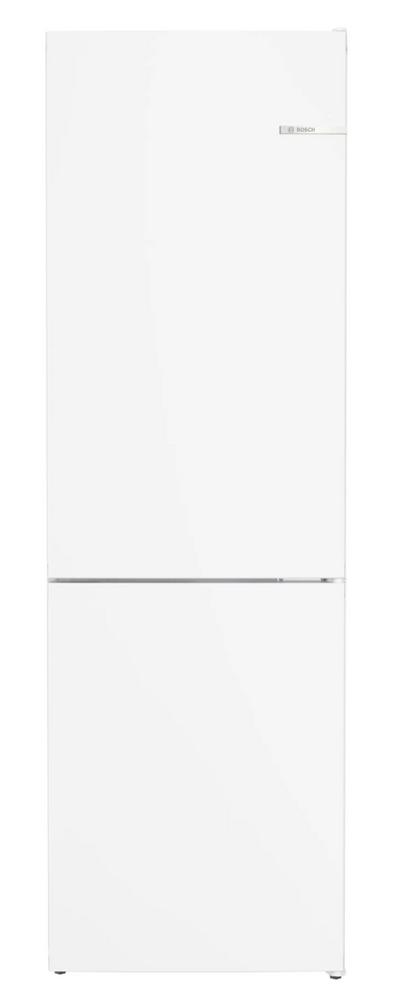
Choosing a new fridge freezer is one of those jobs that sounds simple until you start comparing heights, door splits, finishes and energy ratings. If you’re eyeing up a modern frost free model, the Bosch Series 4 KGN362LDFG 186cm 60/40 Frost Free Fridge Freezer in stainless steel effect is a very typical example of the kind of appliance many UK homes are now choosing. In this guide, we’ll use it as a reference point to help you decide what size, layout and spec will actually work best in your kitchen, and when you might want to step up to a taller 70/30 model from the same range.
Understanding modern fridge freezer sizes and layouts
Before diving into specific models, it helps to understand the basics of how fridge freezers are sized and laid out. Two things matter most: overall height (and therefore total capacity) and how the space is divided between fridge and freezer.
The Bosch Series 4 KGN362LDFG stands at around 186 cm tall, which is very typical for a full-height, freestanding fridge freezer in the UK. For many couples and smaller families, this size hits the sweet spot between generous storage and a footprint that still fits neatly into a standard 60 cm wide gap.
It also uses a 60/40 split. That means roughly 60% of the space is given to chilled food and 40% to frozen. This layout suits most households that cook regularly, keep lots of fresh ingredients and use the freezer for batch-cooked meals, frozen veg and a few extras rather than stuffing it full every week.
Is a 60/40 split right for your household?
Thinking about whether the 60/40 layout of the Bosch Series 4 KGN362LDFG is right for you is a great starting point. Ask yourself how you actually use your current appliance:
- Is your fridge always crammed, with leftovers balancing on top of jars?
- Do you struggle to fit in a weekly shop of fresh food and drinks?
- Or is your freezer the one that’s constantly overflowing?
If you tend to cook from scratch, buy lots of fresh produce and only keep a modest amount of frozen food, a 60/40 model makes sense. You get a good-sized fridge that’s easier to organise, without sacrificing the convenience of a decent freezer.
However, if you batch cook, buy in bulk or rely on frozen food to keep weekday dinners simple, you may prefer a 60/40 with more overall height, or a taller model with a different split.
When a taller 70/30 model makes more sense
Within the same Bosch Series 4 family, there are several taller, 203 cm high options that might suit you better if you want more fridge than freezer. These include:
- Bosch Series 4 KGN392LDFG 203cm 70/30 Frost Free Fridge Freezer in Silver
- Bosch Series 4 KGN392LEBG 203cm 70/30 Frost Free Fridge Freezer in Stainless Steel Effect
- Bosch Series 4 KGN392WDFG 203cm 70/30 Frost Free Fridge Freezer in White
These models are significantly taller than the KGN362LDFG, and use a 70/30 split. That extra height is largely given to the fridge, so you gain more shelf and door storage for fresh food without the appliance taking up any more floor space.
If you’re the kind of household that does a big weekly shop and fills the fridge with fruit, veg, dairy and chilled drinks, a 70/30 could be a better long-term fit. The freezer section will be smaller than on a 60/40, but many people find it still more than enough for the essentials.
Why frost free is now the default choice
The Bosch Series 4 KGN362LDFG is a frost free fridge freezer, and the same is true of the KGN392LDFG and KGN392WDFG alternatives. Frost free technology has become the default expectation for good reason.
Instead of letting ice slowly build up in the freezer compartment, these appliances use circulating air to prevent frost from forming on the walls and drawers. That means no more chipping away at ice, no more losing storage space to thick frost and no need to defrost the freezer every few months.
Some owners are wary of moving from static cooling to frost free because they’ve heard it can be a little drier, but for most people the trade-off in convenience is well worth it. As long as you store food in appropriate containers and bags, you’re unlikely to notice anything other than how easy it is to slide drawers in and out.
Energy ratings and running costs explained
On the face of it, energy ratings can be confusing, especially since the labels were updated. The Bosch Series 4 KGN362LDFG carries a D rating under the current scheme, which sounds low at first glance, but under the tighter modern scale this actually indicates a well-optimised appliance.
Among the taller 70/30 alternatives, there’s a mix of ratings. For example, the Bosch Series 4 KGN392LBFG 203cm 70/30 Fridge Freezer is rated B, which places it towards the more efficient end of the range. Others, like the KGN392LEBG, sit in E, trading a little extra energy use for a similar feature set and height.
When comparing, keep these points in mind:
- Higher-rated models may cost more upfront but could save on electricity bills over their lifetime.
- Differences of a single band (for example D to E) are often relatively modest in annual cost terms, but add up over many years.
- If you use your appliance heavily and keep it well stocked, a more efficient model can make more sense.
If you want a better feel for how the Bosch Series 4 KGN362LDFG performs day to day, including in terms of energy use and noise, you can read our full review of the Bosch Series 4 KGN362LDFG for hands-on impressions.
Choosing the right finish for your kitchen
Modern fridge freezers are as much a design choice as a practical one. The Bosch Series 4 KGN362LDFG comes in a stainless steel effect finish, which works well in contemporary kitchens and pairs easily with other metallic appliances. If you like the look of the hero model but need a taller 203 cm version, the KGN392LEBG offers a similar stainless steel effect finish.
If your kitchen leans more traditional, or you prefer a brighter, cleaner look, the Bosch Series 4 KGN392WDFG in white might be more in keeping with lighter cabinetry. Meanwhile, the KGN392LDFG in silver provides a slightly softer metallic tone that can blend nicely with both grey and white schemes.
When deciding on a finish, consider:
- How the colour will sit against your cabinets, worktops and flooring.
- Whether you’re matching other appliances like an oven or dishwasher.
- How much you mind fingerprints and smudges on doors.
Height, doors and real-world kitchen fit
One of the biggest practical decisions is whether to go for a mid-height model like the 186 cm Bosch Series 4 KGN362LDFG or stretch to a full 203 cm design like the KGN392 series. Both sizes are designed to fit in a standard 60 cm wide gap, so the question becomes how your kitchen handles the extra height.
Measure up carefully:
- Check the height of any wall units above the space where the fridge freezer will sit.
- Make sure there’s room for the doors to open fully without hitting walls or handles.
- Don’t forget to measure doorways and corridors the appliance will pass through on delivery.
If you’re shorter or struggle with reaching high shelves, a 186 cm appliance like the KGN362LDFG can be more comfortable day to day. With a 203 cm model, the highest shelves may be better suited to items you use less often.
Living with a 60/40 frost free fridge freezer
Day-to-day practicality matters just as much as headline specs. A fridge freezer like the Bosch Series 4 KGN362LDFG is designed for busy homes that want consistent cooling, simple storage and as little maintenance as possible.
With a 60/40 split, you can usually expect:
- Enough fridge shelves and door balconies to separate dairy, meat, jars and condiments.
- A decent fruit and veg drawer, often with humidity in mind.
- A freezer with drawers that slide out smoothly and stay ice-free thanks to the frost free system.
Using transparent freezer drawers makes it easier to see what you have at a glance, reducing food waste and helping with meal planning. In the fridge, adjustable shelves (where provided) allow you to reconfigure the space for tall bottles, big casserole dishes or a party shop of drinks.
Comparing like-for-like alternatives
If you’re leaning towards the Bosch Series 4 KGN362LDFG but want to see what else the same range offers, it’s worth comparing it directly with the taller 70/30 models.
The Bosch Series 4 KGN392LDFG and KGN392LEBG are particularly close in spirit: they’re also frost free, Series 4 models, but they stretch the height to 203 cm and tilt the balance further towards the fridge.
The Bosch Series 4 KGN392LBFG goes one step further with a B energy rating and stainless steel effect look, making it an interesting choice if you want a premium-feeling finish and lower running costs from a tall 70/30 layout.
If you like to dive into the details, from noise levels through to shelving layouts, it’s worth reading the in-depth write-ups for each. For example, you can read our full review of the Bosch Series 4 KGN362LDFG here and then compare impressions with the other Series 4 models linked in this guide.
Practical tips before you buy
Whichever model you end up choosing, there are a few simple checks that will help make sure your new fridge freezer works smoothly from day one.
- Measure the space carefully – height, width, depth and door swing are all important. Leave a little room for ventilation at the sides and top.
- Think about door direction – many freestanding fridge freezers allow the doors to be reversed, but it’s worth checking this and planning which way they should open.
- Plan the delivery route – tight stairs, narrow hallways or low ceilings can make delivery tricky, especially for 203 cm tall models.
- Consider your shopping habits – if you shop weekly and store lots of fresh food, err towards more fridge space; if you bulk buy and batch cook, make sure the freezer section is generous enough.
Getting the most from your new fridge freezer
Once your new appliance is in place, a few small habits will keep it running efficiently and make everyday life easier.
- Let it stand for the recommended time after delivery before switching on, especially if it’s been moved horizontally.
- Set sensible temperatures (around 4°C for the fridge and -18°C for the freezer is a common guideline).
- Avoid overfilling shelves so cool air can circulate freely.
- Group similar items together so you can find what you need without holding the door open for ages.
- Do a quick stock check before shopping to reduce waste and stop forgotten items lingering at the back.
Frost free models make long-term care much easier, as there’s no need to defrost the freezer section. A simple wipe down of shelves and seals every so often is usually enough to keep things looking and smelling fresh.
Choosing with confidence
Whether you decide a 186 cm 60/40 fridge freezer like the Bosch Series 4 KGN362LDFG is the best fit, or you’re tempted by a taller 203 cm 70/30 option from the same family, the key is to match the appliance to your space and your habits. Think about how much fresh food you store, how often you shop, and whether you’d appreciate the extra headroom and fridge space of the bigger models.
The good news is that modern frost free fridge freezers in this range are designed to make everyday life simpler, not more complicated. If you’d like to explore the finer points before committing, take a look at the detailed product write-ups, starting with the full review of the Bosch Series 4 KGN362LDFG fridge freezer and then comparing it with the other Series 4 options linked throughout this guide. With the right information in hand, choosing your next fridge freezer becomes much more straightforward.