
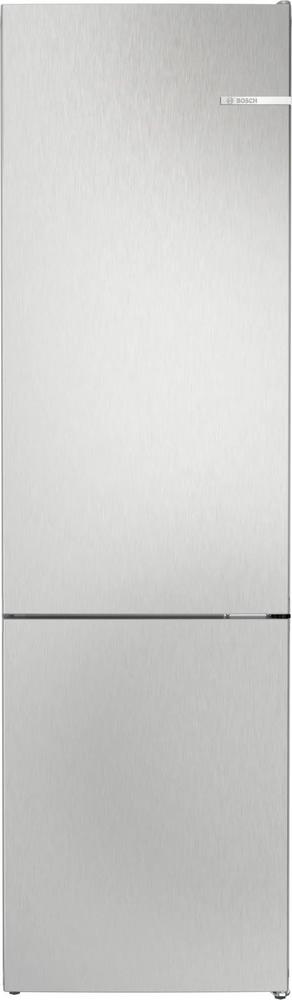
If your old fridge freezer is on its last legs, choosing a replacement can feel like diving into a sea of jargon and lookalike models. The Bosch Series 4 KGN362LDFG 186cm 60/40 Frost Free Fridge Freezer is a popular option in UK homes, especially for families who want reliable cooling, modern styling and minimal maintenance. This guide walks you through what to look for in a modern frost free 60/40 fridge freezer, using the KGN362LDFG as a real-world example, and highlights a few closely related alternatives if you’re torn between freestanding and integrated, or stainless steel effect and white.
Understanding the Bosch Series 4 60/40 frost free design
The Bosch Series 4 KGN362LDFG is a full-height, freestanding fridge freezer with a 60/40 split and frost free freezer. In practice, that means roughly two-thirds of the space is given over to fresh food, with a dedicated freezer compartment that never needs manual defrosting.
For a detailed breakdown of capacity, shelving and user feedback, you can read our full review of the Bosch Series 4 KGN362LDFG. Here, we’ll focus more on helping you decide whether this type of appliance is right for your kitchen and how it compares with similar options.
Is a 60/40 split right for your household?
The first decision with any fridge freezer is the balance between fresh and frozen storage. A 60/40 split, as on the KGN362LDFG, suits many UK households because it reflects how most of us now shop and cook.
It tends to work best if:
- You do a weekly shop and keep plenty of fresh fruit, veg and chilled foods.
- You like to meal prep or store leftovers, but don’t rely on a huge frozen stash.
- You buy frozen basics like peas, chips and bread, rather than bulk-buying meat.
If you find yourself constantly running out of freezer space, you may want a larger freezer section or a separate chest freezer. On the other hand, if your old appliance has a 50/50 split and the freezer is always half-empty, a 60/40 like the Bosch Series 4 is a more sensible use of space.
Freestanding versus integrated: which suits your kitchen?
The KGN362LDFG is a freestanding model, finished in a stainless steel effect that is designed to blend into a range of kitchen styles without the cost of real steel. Freestanding models are generally easier to install, easier to replace and often give you more usable capacity than like-for-like integrated versions.
If you prefer an integrated look where the appliance disappears behind cabinet doors, Bosch has a few closely related options worth exploring:
- Bosch Series 4 KIN86VSE0G 177cm 60/40 Integrated Frost Free Fridge Freezer – a sliding-door integrated model that works with certain kitchen door setups.
- Bosch Series 2 KIN86NFE0G 177cm 60/40 Integrated Frost Free Fridge Freezer – a slightly more basic integrated option with a fixed door fixing kit.
- Bosch Series 4 KIN86VFE0G 177cm 60/40 Integrated Frost Free Fridge Freezer – another integrated 60/40 model, this time with a fixed door system and Series 4 feature set.
Integrated models are ideal if you’re planning a full kitchen refit or already have an integrated housing. Just keep in mind that the overall height is usually a little shorter than tall freestanding models like the 186cm KGN362LDFG, so you’ll want to check the internal layout is still generous enough for your needs.
Stainless steel effect vs white: choosing your finish
Finish is mostly about style, but it can affect price and how much the appliance stands out in your kitchen. The KGN362LDFG comes in a stainless steel effect that pairs nicely with modern cabinets, dark worktops and built-in ovens.
If you prefer something lighter or more traditional, you might consider the near-identical Bosch Series 4 KGN362WDFG in white. It’s the same broad concept – 186cm tall, 60/40, frost free – but with a classic white finish that can help smaller kitchens feel a little brighter and more open.
As a rule of thumb:
- Stainless steel effect works well in contemporary or mixed-metal kitchens and hides minor scuffs better than you might expect.
- White is often slightly more affordable, looks clean and neutral, and blends into rooms where the other appliances are already white.
Energy rating and running costs
The Bosch Series 4 KGN362LDFG carries a D energy rating under the current EU/UK label system. That’s towards the efficient end for a full-size fridge freezer, especially compared with older models that predate the new scale.
To keep running costs in check:
- Position the fridge freezer away from direct sunlight and not directly next to a cooker.
- Allow ventilation space at the back and sides so the motor doesn’t have to overwork.
- Aim to keep the fridge at around 4–5°C and the freezer at around -18°C.
- Let hot food cool before putting it inside to avoid sudden temperature spikes.
Integrated alternatives like the KIN86VSE0G, KIN86NFE0G and KIN86VFE0G typically have E ratings, which are still reasonable but a touch less efficient on paper than a D-rated equivalent. That said, how you use the appliance – especially how often the doors are opened and how well it’s ventilated – can make as much difference as the label itself.
Key everyday features to look for
Specs pages can be overwhelming, but a few core features will make the biggest difference to daily life with a fridge freezer like the KGN362LDFG.
Full frost free freezer
Frost free technology circulates cold air around the freezer compartment, preventing ice from clinging to the walls and drawers. You won’t need to chip away at built-up frost or schedule a weekend to defrost the freezer manually, and your storage baskets stay usable right up to the edges.
Flexible shelving and door storage
Look for adjustable glass shelves, a dedicated salad or fresh drawer and decent door balconies. On tall models, being able to shuffle shelves up or down means you can accommodate awkward items like tall bottles, large yoghurts or multi-tiered leftovers without feeling like you’re playing Tetris every time you unpack a shop.
Consistent cooling
Series 4 models are generally designed to keep a stable temperature with good airflow, which helps food last longer. When you’re comparing with Series 2 integrated options like the KIN86NFE0G, it’s worth thinking about how often you open the doors, how busy your household is and whether you’ll benefit from the slightly more advanced feature set in the higher series.
Measuring up: will a 186cm fridge freezer fit?
At 186cm tall, the KGN362LDFG is what many people would consider full-height. Before you buy, grab a tape measure and note:
- The height from floor to any overhead cupboards, beams or sloping ceilings.
- The width of the intended gap, remembering to allow a bit of breathing room either side.
- The depth of the worktops and any nearby doors that might swing into the appliance.
Don’t forget the delivery route either. Measure doorways, hallways and tight turns to make sure the appliance can be manoeuvred into place. If you’re short on height, the integrated 177cm alternatives may be a more practical choice, especially in galley kitchens or flats with awkward access.
Organising your fridge freezer for less waste
Once your new fridge freezer is in place, a bit of organisation goes a long way towards reducing food waste and making everyday cooking easier.
Use zones in the fridge
Most users find it helpful to treat each shelf or drawer as a zone:
- Top shelves for ready-to-eat foods like leftovers, yoghurts and cooked meats.
- Middle shelves for dairy, opened jars and chilled snacks.
- Lower shelves for raw meat or fish on plates or in containers to catch any drips.
- Crisper drawer for fruit and veg, ideally loose or in breathable bags.
A consistent layout makes it easier to see what you have at a glance, so items are less likely to be forgotten at the back.
Make the most of a 60/40 freezer
With a 60/40 split, the freezer is still big enough for smart planning. Try:
- Batch cooking sauces, stews and soups in flat, labelled containers so they stack neatly.
- Keeping a dedicated drawer for quick wins – frozen veg, bread and oven chips for busy nights.
- Rotating older items to the front whenever you add new shopping, so nothing sits there for years.
Freestanding vs integrated Bosch: which model for which home?
To help narrow things down, here’s how the Bosch models mentioned here broadly line up in terms of use case:
- Bosch Series 4 KGN362LDFG – Freestanding, 186cm, 60/40, frost free, stainless steel effect. Great for families or couples wanting a modern-looking centrepiece without going integrated. You can see our in-depth look at the KGN362LDFG here.
- Bosch Series 4 KGN362WDFG – Essentially the same freestanding appliance but in white, ideal for more traditional kitchens or where you prefer a lighter look.
- Bosch Series 4 KIN86VSE0G – Integrated 177cm model with a sliding door system, better suited to true handleless or certain fitted kitchen designs.
- Bosch Series 2 KIN86NFE0G – Integrated, slightly more entry-level in terms of feature set, with a fixed door kit. Good if you’re watching the budget but still want frost free convenience.
- Bosch Series 4 KIN86VFE0G – Integrated Series 4 with a fixed door system, a strong choice for new fitted kitchens where you want a better feature set but a fully built-in look.
If you’re not tied to an integrated housing and like the idea of a bit more internal height, the freestanding KGN362LDFG or its white sibling KGN362WDFG will usually give you more storage for the money.
Keeping your fridge freezer clean and fresh
A little regular maintenance helps any fridge freezer feel new for longer and prevents unwanted smells.
- Wipe up spills as soon as you spot them, especially sticky sauces or raw juices.
- Every couple of months, empty one shelf at a time and clean with mild soapy water or a mix of bicarbonate of soda and warm water.
- Check the door seals for crumbs or residue; a soft cloth and warm water will usually do the trick.
- If you’re going away for more than a few weeks, consider using up perishable items and checking the temperature settings rather than turning the appliance off completely.
Frost free models don’t need manual defrosting, but it’s still worth occasionally pulling the appliance forward (if safe to do so) to gently dust or vacuum around the back and keep vents clear.
Final thoughts
Choosing a new fridge freezer is about matching the layout, finish and features to the way your household actually lives and cooks. A tall, 60/40, frost free model like the Bosch Series 4 KGN362LDFG makes a lot of sense for busy homes that rely more on fresh food than a giant frozen stash, and its D energy rating helps keep long-term running costs sensible.
If you’re still deciding, take a closer look at the details and long-term user feedback in our full Bosch Series 4 KGN362LDFG review, and explore the linked alternatives to see whether a white finish or integrated design might suit your kitchen better. With the right choice now, you’ll have reliable cooling and a more organised kitchen for years to come.