
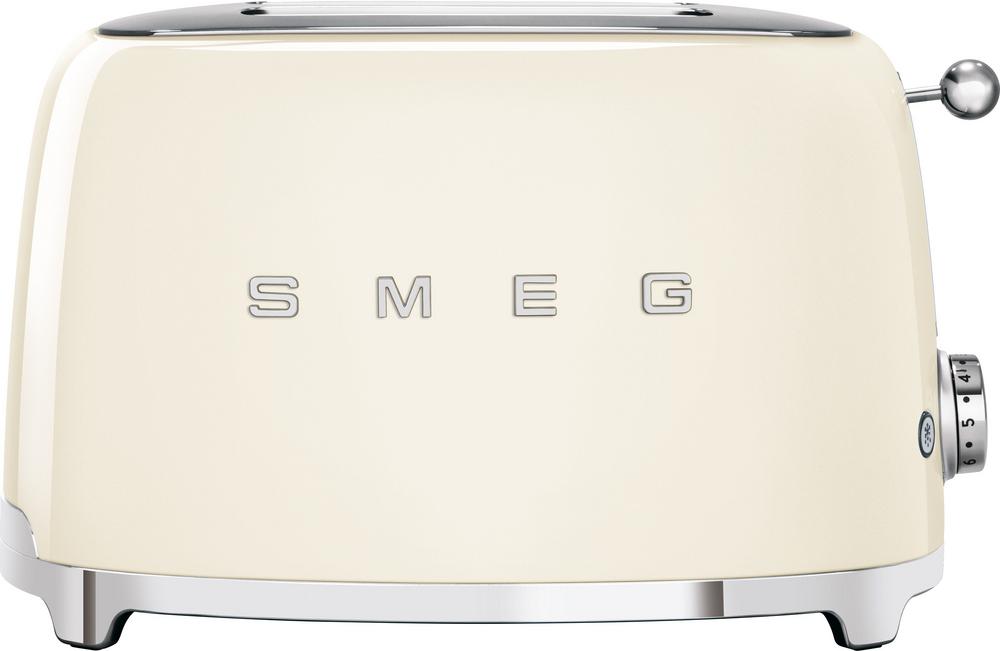
If you want your kitchen to look as good as your breakfast tastes, it is hard to ignore the pull of a stylish retro toaster. The Smeg 50’s Retro TSF01BLUK 2 Slice Toaster in black has become something of a design icon on British worktops, combining classic curves with everyday practicality. But how do you know if a premium two-slice toaster like this is right for you, which colour to choose, and how to keep it looking and performing its best for years?
Why design-led toasters are more than just a pretty face
When you invest in a design-focused toaster, you are paying for more than a nice shape and a glossy finish. These models are usually built to stay on show, so the materials and finish tend to feel more substantial than cheaper, purely functional options.
The black Smeg 50’s Retro two-slice toaster is a good example. It is designed to be left out on the worktop as a permanent feature, which means:
- It becomes part of the overall look of your kitchen, not just a tool to hide away.
- You are more likely to use it daily because it is always to hand.
- You may feel more inclined to clean and maintain it properly, helping it last longer.
If you are weighing up style versus substance, remember that a toaster is one of the few small appliances that most of us use almost every day. Paying a bit more for something you enjoy using and looking at can make sense over the long term.
Getting to know the Smeg 50’s Retro 2 slice toaster range
One of the strengths of this particular range is how many colour options there are, which makes it easier to match your toaster to your kitchen theme. The black TSF01BLUK is the focus here, but it sits within a wider family of near-identical models with different finishes.
If you like the idea of the black model but want to see how it compares, it is worth exploring the in-depth breakdown in our full review of the Smeg 50’s Retro TSF01BLUK 2 Slice Toaster. You will find more detail on build, controls and real-world performance there.
Alternative colours for different kitchen styles
Under the skin, the colour variants in this range are closely matched on core features, so the decision often comes down to taste and how bold you want to be.
- Smeg 50’s Retro TSF01PGUK 2 Slice Toaster in Pastel Green – a soft, minty shade that works beautifully in light, country-style kitchens or alongside white cabinets and wooden worktops.
- Smeg 50’s Retro TSF01PBUK 2 Slice Toaster in Pastel Blue – ideal if you want a gentle pop of colour that still feels calm and coastal rather than shouty.
- Smeg 50’s Retro TSF01GRUK 2 Slice Toaster in Grey – an easy-going neutral that pairs well with modern, handleless cabinetry and stainless steel appliances.
- Smeg 50’s Retro TSF01PKUK 2 Slice Toaster in Pink – a bolder statement piece that can lift a simple white or grey kitchen and tie in with other pastel accessories.
If you already own a matching kettle or other small appliances from the same retro line, choosing the corresponding toaster colour will help create a coordinated look on the worktop.
Key things to think about before choosing a two-slice toaster
Colour and curves aside, there are a few practical points to consider before settling on any two-slice toaster, especially if you are planning to spend more than the basics.
Space and layout on your worktop
Retro-styled toasters often have a slightly chunkier footprint than ultra-minimal models. Measure the area where you plan to keep it, including clearance behind for the cable and a safe distance from walls or splashbacks. Most people position their toaster near bread storage and the main preparation area, so think about how you actually move around your kitchen during a busy morning.
How many people you usually feed
A two-slice toaster like the TSF01 range suits singles, couples and smaller households who do not mind toasting in a couple of batches at weekends. If you are regularly making toast for four or more people at once, a four-slice model or a second, inexpensive backup toaster might be worth considering. For small spaces or studio kitchens, the compact footprint of a two-slice option is usually the best compromise.
What you actually toast
Think about the kinds of bread and snacks you use most often. If you like chunky sourdough, crumpets, bagels and fruit loaves, wider slots and an easy lift mechanism become more important than they are for standard sliced loaves. Retro-style models are generally geared towards this sort of flexible, everyday use rather than only thin supermarket bread.
Living with a design-led toaster day to day
Once the novelty of a new appliance wears off, the small usability details start to matter. With a daily-use toaster, these are the touches that can make your mornings smoother.
Finding your perfect browning setting
Most quality toasters offer several browning levels, and the Smeg TSF01 line is no exception. It is worth taking a little time at the start to work out which setting suits your favourite bread. Try starting in the middle of the range and adjust up or down one notch at a time, making a note of what you prefer for white, wholemeal and bagels. Once you know that, it becomes a simple muscle-memory routine rather than guesswork.
Using reheat and defrost functions effectively
If your toaster has dedicated reheat and defrost modes, use them rather than simply turning the browning dial higher. Defrost is designed to warm the bread through first so that you do not end up with a burnt outside and icy centre. Reheat is useful if breakfast is interrupted and your toast goes cold on the plate; it will gently revive it without drying it out.
Managing crumbs and smells
Crumb build-up does more than just look messy. Left unchecked, it can lead to scorching, unpleasant smells and even set off smoke alarms. Make a habit of emptying the crumb tray every few days if you toast regularly; with a design-led model, it is usually a quick slide-out piece that you can empty straight into the bin and wipe over.
How to care for your Smeg-style toaster so it keeps its shine
One of the pleasures of the 50s Retro range is its glossy finish, but it will only stay that way if you clean it carefully. The same advice applies whether you choose the black, pastel, grey or pink variant.
Exterior cleaning tips
Always unplug the toaster and let it cool before you touch it. Use a soft, damp cloth and a mild washing-up liquid solution to wipe down the exterior, then buff dry with a microfibre cloth. Avoid abrasive pads or harsh chemicals, as these can dull the finish over time, especially on darker or pastel colours where scratches are more visible.
Keeping the inside safe and tidy
Never poke metal knives or forks into the slots, even when the toaster is unplugged, as this can damage the elements and create hotspots. Instead, gently shake loose crumbs out over the sink or bin with the crumb tray removed, then use a soft pastry brush or similar to tease out any stubborn bits. A regular light clean is better than waiting until the toaster is badly clogged.
Which colour Smeg-style toaster suits your kitchen best?
When the core features are similar, colour choice becomes the big decision. Here is how to think about it in the context of a typical UK kitchen.
Black: bold and versatile
The black Smeg 50’s Retro TSF01BLUK toaster is a strong all-round choice because it works in both traditional and contemporary spaces. It anchors the worktop visually and pairs well with black hobs, dark taps or dark-framed windows. If you are unsure which way your kitchen style might evolve in future, black is a safe and adaptable option.
Pastels: light, cheerful and less imposing
Pastel shades like the Pastel Green TSF01PGUK and Pastel Blue TSF01PBUK models bring a softer feel to the worktop. They shine in bright, airy kitchens with plenty of natural light and pale cabinets. These colours can stop a row of appliances from looking too heavy, especially if your worktop itself is dark.
Neutrals and statement shades
If you prefer understated sophistication, the Grey TSF01GRUK toaster offers a calm, neutral presence that blends in without disappearing entirely. For a playful twist, the Pink TSF01PKUK toaster makes more of a statement and can be a fun contrast in otherwise minimal spaces. Think about which other accessories you might match to it – tea towels, canisters and wall art can all echo your toaster colour.
Is a premium retro toaster right for your budget?
Compared with basic models, the 50s Retro two-slice range sits at the premium end of the market. Whether it is worth the extra depends on your priorities.
- If you are upgrading your kitchen and want appliances that look cohesive and last, a well-built, design-led toaster makes sense.
- If your main focus is low cost and you do not care about looks, a budget toaster will still brown bread effectively.
- If you sit somewhere in the middle, consider spending more on the items that live on the worktop and cutting back on those hidden in cupboards.
Remember that a toaster is used far more frequently than many larger appliances. When you divide the extra cost across years of everyday breakfasts, the difference can be surprisingly small.
Safety and sensible use in a busy kitchen
No matter which model you choose, it is worth taking toaster safety seriously – especially in open-plan homes and shared houses.
Basic toaster safety habits
Always keep the area around the toaster clear of tea towels, paper and packaging. Do not leave it running unattended, particularly on higher browning settings or when toasting items that can drip, like cheese-topped bread. Make it a habit to switch the socket off after use; it takes a second and offers extra peace of mind.
Looking after the cable and plug
Retro toasters often have rear cable tidies or ways to shorten the lead, which helps keep the worktop neat. Avoid stretching the cable tight across the work surface where it could be snagged, and do not coil it tightly while the toaster is still warm. If the cable or plug ever shows signs of damage, stop using the toaster and arrange a repair or replacement.
When to explore in-depth reviews
This guide is designed to help you think through whether a premium, retro-styled two-slice toaster fits your home, and which colour might suit you best. If you want to look closely at controls, real user impressions and long-term performance, it is worth diving into a dedicated review.
For a detailed look at the black centrepiece of this range, including everyday usability, head over to our full review of the Smeg 50’s Retro TSF01BLUK 2 Slice Toaster. And if you are leaning towards pastel, grey or pink instead, take a moment to explore the linked reviews of the Pastel Green, Pastel Blue, Grey and Pink alternatives.
Whichever way you go, taking a little time to match the toaster to your habits, your space and your style means you will enjoy using it every single morning, not just on the day you unbox it.