
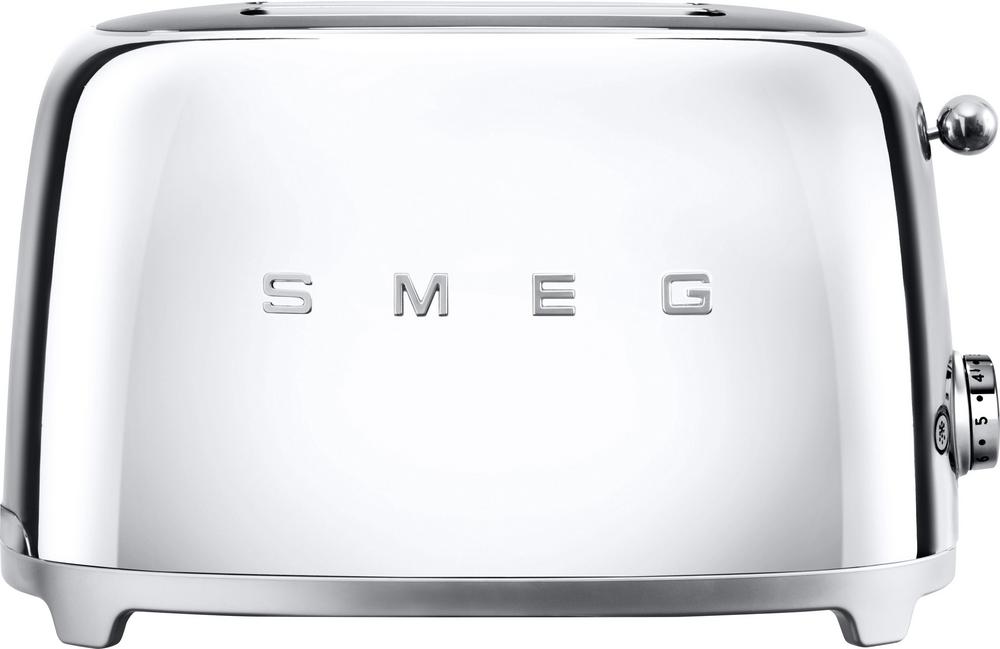
If you love the idea of turning everyday breakfast into a little moment of joy, a good-looking toaster can make a surprising difference. The Smeg 50’s Retro TSF01GRUK 2 Slice Toaster in Grey is one of those appliances that earns its place on the worktop, both for its design and its day-to-day performance. In this guide we’ll walk through what to think about when choosing a stylish 2-slice toaster, how the Smeg 50’s Retro range fits into a modern UK kitchen, and a few colour alternatives worth considering if grey isn’t quite your shade.
Why a 2-slice toaster still makes sense
With larger 4-slice models everywhere, it’s easy to assume bigger is always better. But a 2-slice toaster still makes a lot of sense, especially in British kitchens where worktop space is precious.
The Smeg 50’s Retro TSF01GRUK 2 Slice Toaster keeps things compact without feeling cramped. For one or two people, or for homes where breakfast times are slightly staggered, a 2-slice model is usually all you need. It also leaves more room for the coffee machine, bread bin and all the other bits that live permanently on your counter.
If you want a deep dive into how this specific model performs in real life, you can read our full review of the Smeg 50’s Retro TSF01GRUK 2 Slice Toaster for detailed impressions, photos and user feedback.
What makes the Smeg 50’s Retro range different?
There are plenty of toasters that can brown bread, but relatively few that feel like part of your kitchen’s personality. The Smeg 50’s Retro range is built around that idea of design-led appliances that still get the basics right.
Across the range you’ll typically find:
- Classic 1950s-inspired curves that look good from every angle.
- Substantial-feeling build quality with a reassuring weight on the worktop.
- Simple, clearly labelled controls for browning, cancel and special functions.
- Carefully chosen colours that work with a wide variety of kitchen styles.
The grey TSF01GRUK is one of the more understated options, which is why it works so well in both sleek modern spaces and more traditional, shaker-style kitchens. If you want your toaster to look smart without shouting, it’s an excellent starting point.
Choosing the right colour for your retro toaster
Once you’ve decided on the style and size, colour is usually the next big decision. A retro toaster becomes a focal point on the counter, so it’s worth thinking about how it will look alongside tiles, worktops and cupboards.
The Smeg 50’s Retro 2-slice range includes several alternatives to the grey TSF01GRUK, all sharing the same overall design with different finishes:
- Smeg 50’s Retro TSF01PGUK 2 Slice Toaster in Pastel Green – a soft, vintage shade that works brilliantly in lighter kitchens or with wooden worktops.
- Smeg 50’s Retro TSF01PKUK 2 Slice Toaster in Pink – for those who want a bolder, playful touch of colour on the counter.
- Smeg 50’s Retro TSF01RDUK 2 Slice Toaster in Red – a classic, statement shade that pairs nicely with chrome or stainless steel appliances.
- Smeg 50’s Retro TSF01WHMUK 2 Slice Toaster in Matte White – a clean, minimalist look that blends into almost any colour scheme.
Each of these alternatives offers the same core concept: a stylish, retro-inspired 2-slice toaster designed to live on your worktop, not hide in a cupboard. Your choice largely comes down to whether you want something subtle like grey or white, or a pop of colour like green, pink or red.
Features that matter in everyday use
When you’re comparing models within the same family, it helps to look beyond colour and think about the features that will genuinely improve your mornings.
Consistent browning
A good toaster should toast evenly, without pale patches on one side and singed edges on the other. While specific technical details vary, the Smeg 50’s Retro 2-slice models are designed to give predictable results when you’ve found your preferred dial setting. Once you know which notch suits your bread, you should be able to get repeatable toast every time.
Controls you don’t have to think about
All the style in the world won’t help if the controls are fiddly. The Smeg 2-slice retro toasters typically keep things straightforward, with a browning knob, lever and clearly marked buttons for functions like reheat or defrost. That’s handy if different members of the household prefer their toast at different levels and need to tweak the settings quickly.
Slot size and bread types
From supermarket sliced loaves to artisan sourdough, our bread choices have expanded a lot. The Smeg TSF01 series is generally designed with reasonably generous slots, which helps if you like slightly thicker slices or bagels. Very tall or extra-wide bakery loaves may still need rotating halfway through, but for everyday bread it’s reassuringly versatile.
Is a design-led toaster good value for money?
Premium toasters do cost more than basic alternatives, and the Smeg 50’s Retro range is no exception. What you’re paying for isn’t just the ability to brown bread, but the combination of design, build and brand identity that makes it something you’ll enjoy using and looking at every day.
If you’re the sort of person who prefers to keep the worktop clear and tuck small appliances away, a design-led toaster may not feel as essential. But if you like your kitchen to feel considered and cohesive, investing in a model like the TSF01GRUK 2 Slice Toaster in Grey can make the whole space feel more put together.
To get a feel for how it stands up to daily use, owner feedback and long-term impressions, it’s worth taking a look at our in-depth hands-on piece – you can read the full Smeg 50’s Retro TSF01GRUK review here.
Matching your toaster to your kettle and other appliances
One of the biggest reasons people choose the Smeg 50’s Retro range is coordination. Having a matching kettle and toaster instantly makes a kitchen feel more curated, especially if you’ve chosen a distinctive colour.
The grey TSF01GRUK is a safe, versatile choice if you have mixed metals (chrome taps, stainless steel oven, black hob). It sits comfortably alongside them without clashing. By contrast, the Pastel Green TSF01PGUK or Pink TSF01PKUK can become the accent colour that everything else plays off – think matching tea towels, wall art or bar stools.
If your kitchen is already quite colourful, the Matte White TSF01WHMUK offers a calm, neutral option that won’t compete with bold tiles or paint. And for industrial-style or monochrome spaces, the Red TSF01RDUK brings a classic, diner-style splash of colour.
Practical tips for getting the best toast
Once you’ve chosen the right toaster, a few small habits can make a noticeable difference to your breakfast.
- Start low on the dial: When you’re learning a new toaster, begin with a lower browning setting and nudge it up in small steps until you find your perfect shade.
- Use defrost for frozen bread: If your model has a dedicated defrost function, use it instead of simply increasing the browning level. It’s designed to thaw and toast more gently.
- Don’t overfill the slots: Very thick slices can brown unevenly. If you love chunky bread, keep an eye on the first run so you can tweak the settings.
- Use reheat for cooled toast: Some toasters include a reheat option, which warms toast without over-browning. It’s ideal if you’ve been distracted making a cuppa.
Keeping your retro toaster looking good for longer
A design-led appliance deserves a bit of care. Thankfully, toasters are low-maintenance if you get into a simple routine.
Empty the crumb tray regularly
Crumbs build up faster than you think, and they’re the main cause of that burnt smell when a toaster gets older. Make a habit of sliding out and emptying the crumb tray once a week, or more often if you use the toaster daily. This helps keep the inside clean and reduces the risk of smoke or minor flare-ups.
Wipe the exterior gently
Fingerprints, splashes and dust show up more on glossy or light-coloured finishes. Use a soft, damp cloth and a tiny amount of mild detergent if needed, then dry with a microfibre cloth. Avoid abrasive pads or harsh cleaners that could dull the finish, especially on coloured or matte surfaces.
Give it space to breathe
Whatever model you choose, leave a little space around it on the worktop. Don’t push it right up against a wall or under low cabinets while it’s in use. This helps heat escape and keeps your walls and cupboards cleaner over time.
Which Smeg 50’s Retro 2-slice toaster is right for you?
All of the 2-slice Smeg 50’s Retro models mentioned here are close relatives, so you’re not agonising over completely different features. Instead, you’re choosing the version that best fits your home and taste.
- Prefer subtle and versatile? The Smeg 50’s Retro TSF01GRUK 2 Slice Toaster in Grey is hard to beat, especially in mixed-metal or monochrome kitchens.
- Love soft, vintage shades? The TSF01PGUK in Pastel Green adds a gentle, nostalgic feel.
- Want a playful statement piece? The TSF01PKUK in Pink or TSF01RDUK in Red bring personality in spades.
- After a clean, minimal look? The TSF01WHMUK in Matte White blends effortlessly into modern, light kitchens.
If you’re leaning towards the grey model but want to be sure it’s the right fit, you can check our full review of the Smeg 50’s Retro TSF01GRUK for more detail on everyday performance, owner ratings and close-up photos.
Final thoughts
A toaster might be a small appliance, but you use it so often that choosing the right one is worth a bit of thought. The Smeg 50’s Retro 2-slice range, including the TSF01GRUK in Grey, is designed to bring together looks, practicality and a touch of nostalgia in a way that feels at home in modern UK kitchens.
Whether you go for the understated grey hero model or a more colourful alternative, you’ll end up with an appliance that feels more like part of the room than an afterthought. Take a moment to explore the linked in-depth reviews before you decide – they’ll help you picture how each version will look and feel on your own countertop, so you can pick the toaster you’ll be happy to see every morning.