
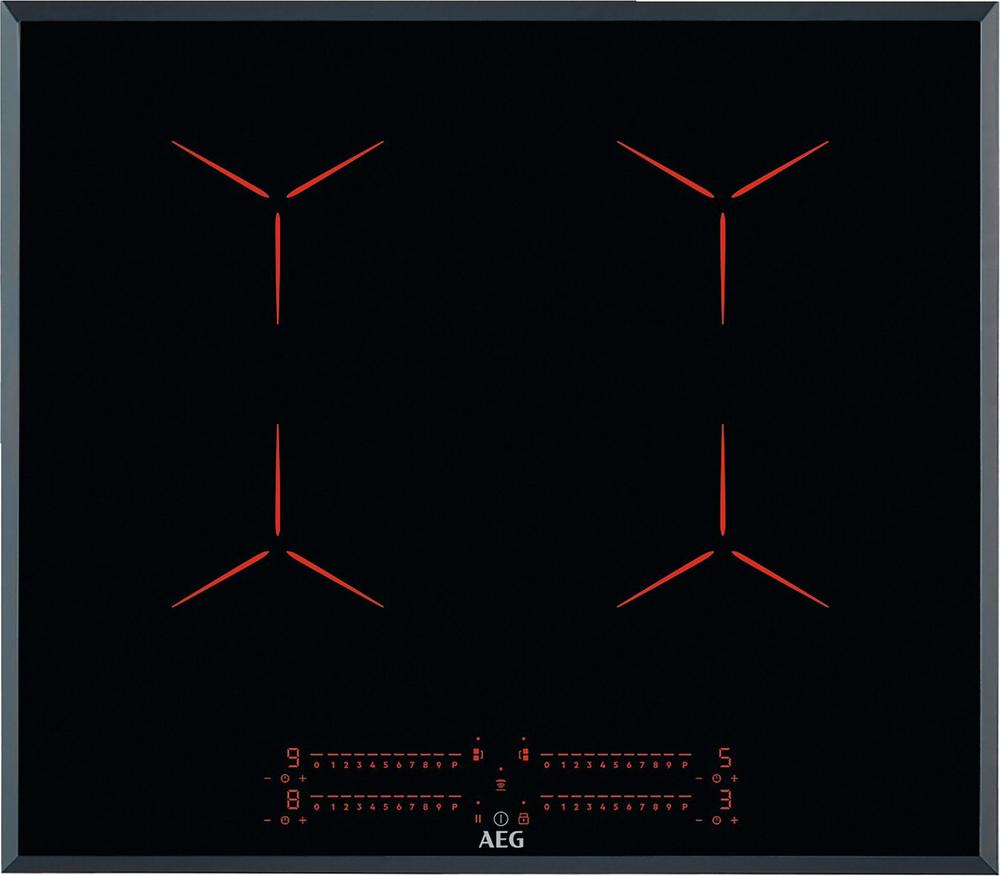
If you’re upgrading your kitchen and want fast, precise heat without the drama of gas flames, an 80cm induction hob is a very tempting option. The NEFF N70 T58FHW1L0 80cm Induction Hob is a popular choice in this size, and it sits in a competitive space with strong alternatives from Bosch and other big names. This guide walks you through what to think about when choosing an 80cm induction hob, how the NEFF fits into that picture, and which alternative models are worth a look.
Why choose an 80cm induction hob?
Most UK homes still have 60cm hobs, but once you’ve cooked on an 80cm model it’s hard to go back. The extra width gives you more breathing space between pans, making it easier to stir, flip and drain without knocking handles.
For busy households and keen home cooks, an 80cm induction hob can offer:
- More room for large pans, griddle plates and woks
- Better spacing so handles don’t clash or hang over other zones
- Space for batch cooking and entertaining
- Often, more advanced features like flexible cooking zones
Before you fall in love with any particular model, double-check that your worktop and cabinets can take the larger cut-out. If you’re replacing a 60cm hob, you’ll almost certainly need your worktop recut.
NEFF N70 T58FHW1L0: what kind of hob is it?
The NEFF N70 T58FHW1L0 80cm Induction Hob is designed for cooks who value both flexibility and control. It sits in NEFF’s N70 range, which aims to balance premium features with everyday practicality, and it has built up an impressive user score of 4.8 out of 5 from well over 300 ratings.
Rather than list every technical detail, it’s more useful to understand what this hob is trying to do. In broad terms, it offers:
- A wide 80cm surface to comfortably handle multiple pans
- Fast, responsive induction heating for boiling and searing
- Modern touch controls and digital displays instead of knobs
- Smart zone layout aimed at flexible cooking and pan placement
If you want all the in-depth specs, power levels and hands-on impressions, it’s worth taking a look at our dedicated product write-up: read our full review of the NEFF N70 T58FHW1L0 80cm Induction Hob.
Key features to look for in an 80cm induction hob
Whether you’re tempted by this NEFF model or considering rivals from Bosch and others, there are a few core features that really shape day-to-day use.
Flexible cooking zones
Many modern 80cm induction hobs offer some form of flexible zone, where separate coils are linked together to form a larger cooking area. This is ideal if you love using a teppanyaki plate, a large casserole, or an odd-shaped pan.
The NEFF N70 T58FHW1L0 is built with versatility in mind, allowing you to make good use of the generous width. If you want a feel for how that flexibility works in real cooking scenarios, you can read our full review of the NEFF N70 T58FHW1L0 for more detail.
Power levels and boost functions
All induction hobs are quick, but not all are equally rapid. Look out for:
- A clear range of power levels for simmering, frying and searing
- A boost or “power” mode for bringing water to the boil in minutes
- Stable low-heat settings for melting chocolate or keeping food warm
Higher-end 80cm models often feature very strong boost functions, which are great if you’re impatient when waiting for pasta water to boil.
Controls and usability
Most 80cm induction hobs use touch controls, but the layout varies a lot. Some have a single central slider for all zones, while others give each zone its own dedicated control. Think about how you like to cook:
- If you often adjust multiple pans at once, separate controls can feel quicker.
- If you want a minimal look, a single slider and clean layout may appeal.
The NEFF N70 model is designed with clarity and ease of use in mind, with an emphasis on quick access to power levels and helpful extras like timers.
Safety and peace of mind
Induction cooking is inherently safer than many alternatives because the glass around the pan stays cooler and there’s no naked flame. Still, certain features are worth checking for:
- Child lock to prevent little hands changing settings
- Automatic switch-off if a pan boils dry or is removed
- Residual heat indicators so you know when zones are still warm
Most modern 80cm induction hobs offer these as standard, but it’s always worth confirming before you buy.
Comparing NEFF with Bosch Serie 6 alternatives
NEFF and Bosch often appear side by side when you’re shopping for built-in appliances, and that’s no accident. They target a similar quality level and often share design cues, but different models lean towards different kinds of user.
Bosch Serie 6 PIV831HB1E – a close competitor
If you like the idea of an 80cm induction hob but you’re not fixed on NEFF, the Bosch Serie 6 PIV831HB1E 80cm Induction Hob is a compelling alternative. It sits at a similar size and target market, with an emphasis on strong performance and user-friendly controls.
Both the Bosch PIV831HB1E and the NEFF N70 T58FHW1L0 score around 4.8 out of 5 from hundreds of reviews, which tells you there isn’t a clear “bad choice” between them. The decision is more about which control layout, zone arrangement and brand styling you prefer.
Bosch Series 6 PXV831HC1E – stepping up the feature set
The Bosch Series 6 PXV831HC1E 80cm Induction Hob typically sits slightly higher up the price ladder, reflecting its more advanced feature set. If you want a hob that really leans into flexible zones and smart power distribution, it’s one to shortlist.
Where models like the NEFF N70 T58FHW1L0 aim to balance features and value, the PXV831HC1E is better suited to serious home cooks who are happy to pay more for clever zone management and premium extras. It’s worth comparing them side by side if you’re unsure whether the extra spend fits your cooking style.
Pricing, value and how to decide what’s “worth it”
When you reach the 80cm induction hob market, prices can vary widely. You’ll see some models priced relatively keenly for the size, and others that cost significantly more due to advanced features and finishes.
To judge value sensibly, focus on:
- How many pans you genuinely use at once. If you rarely go beyond three, a simpler 80cm hob might be enough.
- How often you cook from scratch. Daily cooks will benefit more from faster boil times and flexible zones than occasional users.
- How long you plan to keep the kitchen. Investing in a higher-end hob makes more sense if you’re planning to stay put for years.
- Noise tolerance. Some hobs can be a little noisy on boost, so look out for user feedback.
The NEFF N70 T58FHW1L0 lands in a sweet spot where its strong user ratings, large cooking area and flexible design justify the outlay for many households without straying into ultra-premium territory. By contrast, something like the Bosch Series 6 PXV831HC1E stretches the budget further but rewards you with even more flexibility and fine-tuned features.
Planning your kitchen around an 80cm hob
Before ordering any large induction hob, it’s smart to think through the practicalities of fitting it into your space. This isn’t just about the cut-out dimensions; it’s about how the hob interacts with everything around it.
Worktop and cabinet considerations
Check the manufacturer’s installation diagrams carefully. You’ll usually need:
- A minimum distance from the hob to any wall or tall unit at the sides
- Clearance to drawers and oven cavities beneath, to avoid overheating
- Enough depth in the worktop front-to-back for the hob and a small margin
If you’re pairing an 80cm hob like the NEFF N70 T58FHW1L0 with an oven directly underneath, confirm that they’re compatible in terms of cooling and cabling. Your installer or kitchen designer can help if you’re unsure.
Ventilation and extraction
Induction cooking doesn’t generate combustion fumes like gas, but steam and smells still need to go somewhere. Over an 80cm hob, a slightly wider extractor or a well-sized canopy hood is ideal.
Make sure the hood is mounted at the right height and offers enough extraction power for the size of the hob and the way you cook. Deep-frying and searing generate more vapour than gentle simmering, so it pays to plan ahead.
Living with an 80cm induction hob day to day
Once installed, a good induction hob should feel almost effortless to live with. The key differences show up in speed, noise and ease of cleaning.
Speed and responsiveness
One of the biggest adjustments when moving from gas or traditional electric is how quickly an induction hob responds. Water can boil in minutes, and turning the power down usually has an immediate effect on the pan.
Models like the NEFF N70 T58FHW1L0 and the Bosch Series 6 alternatives are designed with this responsiveness in mind, which is why many home cooks quickly become loyal to induction once they’ve tried it.
Cleaning and care
Cleaning is often where induction hobs quietly outperform older designs. The flat glass surface means there are no burners or pan supports to dismantle, and because the glass doesn’t get as scorching hot, spills are less likely to bake on.
For best results:
- Wipe spills as soon as the surface has cooled enough to be safe.
- Use a soft cloth or non-abrasive sponge with a mild hob cleaner.
- For stubborn marks, a dedicated glass hob scraper used gently can help.
A quick daily wipe keeps the sleek black finish looking like new, which is especially important if your hob is a visual focal point in the kitchen.
Noise and everyday quirks
Induction hobs can make a faint humming or clicking noise at higher power levels, especially on boost. Internal cooling fans may also run after you switch off, particularly if you’ve been cooking at high heat.
This is normal behaviour across most brands, including NEFF and Bosch. If you’re very sensitive to noise, user reviews and in-depth write-ups are useful sources to gauge how noticeable it is in real kitchens.
Who is the NEFF N70 T58FHW1L0 best suited to?
Taking everything together, the NEFF N70 T58FHW1L0 80cm Induction Hob makes most sense if you:
- Cook regularly and often have three or more pans on the go
- Value a spacious layout and flexible zone setup
- Prefer a clean, modern look with touch controls
- Want a model with a strong track record of positive user feedback
If you’re more price-sensitive, or you’re torn between different layouts and feature sets, comparing it with alternatives like the Bosch Serie 6 PIV831HB1E and the higher-spec Bosch Series 6 PXV831HC1E will help clarify what matters most to you.
How to choose between similar 80cm induction hobs
When several models look similar on paper, focus on how you actually cook. A few targeted questions can narrow your shortlist quickly:
- Do you really need advanced flexible zones? If you rarely use large cookware, simpler layouts might suffice.
- How important is the control style? Try to visualise whether separate sliders or a central slider would feel more natural.
- Is brand matching important? Some people prefer all their built-in appliances from the same brand for a consistent look.
- What are other owners saying? Real-world feedback on noise, scratching and ease of use is invaluable.
The NEFF N70 T58FHW1L0, with its strong ratings and versatile design, is a solid starting point. From there, you can branch out to alternatives like the Bosch Serie 6 models if you find you’d prefer slightly different controls or additional flexibility.
Final thoughts
Stepping up to an 80cm induction hob is one of those kitchen upgrades that can transform how you cook day to day. The NEFF N70 T58FHW1L0 80cm Induction Hob offers a well-balanced mix of space, power and flexibility, backed by hundreds of positive reviews, while close rivals from Bosch give you strong alternatives if you lean towards that brand or want a different feature mix.
If you’d like a deeper dive into how the NEFF performs in real use, including more detail on its zone layout and controls, you can read our full NEFF N70 T58FHW1L0 80cm Induction Hob review here. For a broader perspective, explore the linked Bosch Serie 6 reviews as well, then choose the hob that fits your kitchen, your cooking style and your budget with confidence.