
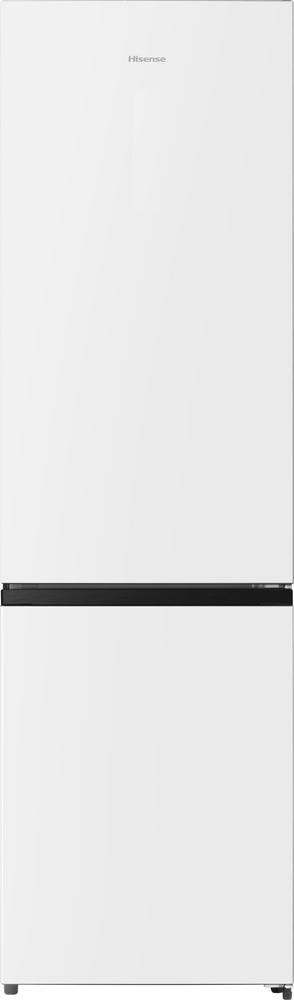
If your old fridge freezer is groaning every time you open the door, chances are you’re eyeing up a modern frost free model with better space and lower running costs. The Hisense RB327N4WCE 182cm 50/50 No Frost Fridge Freezer in stainless steel is a popular choice in UK homes, sitting in that sweet spot of sensible price, practical storage and smart looks. In this guide we’ll use it as a reference point to explore what to look for in a fridge freezer, how a 50/50 layout works in real life, and some closely matched alternatives if you’re not sure which direction to go in.
Why the 50/50 frost free fridge freezer layout suits so many homes
A 50/50 fridge freezer splits the height of the appliance fairly evenly between chilled and frozen storage. That makes the Hisense RB327N4WCE a good benchmark for households that rely on both: think batch-cooking, packed lunches, frozen veg and leftovers, but also a well-stocked fresh section for everyday bits.
Compared with older, top-box style fridges, a tall 50/50 gives you:
- Far more usable freezer space without needing a separate chest freezer.
- Organised drawers instead of a single icy cavern.
- A tall fridge section with room for bottles, leftovers and fresh produce.
If you’re not sure whether the 50/50 split will suit you, it’s worth thinking honestly about what ends up in your freezer. If it’s always rammed and you cook in bulk, a design like the RB327N4WCE is a smart starting point. If you hardly freeze anything, you may be better off tilting more space towards the fridge, as we’ll cover later.
Meet the Hisense RB327N4WCE: a solid all-rounder
The Hisense RB327N4WCE is a 182 cm tall, stainless steel, 50/50 no frost fridge freezer with an E energy rating on the modern scale. It’s designed as a freestanding model, so it fits comfortably into most UK galley and L-shaped kitchens without the complexity of integrated cabinetry.
Because this article is a buying guide rather than a deep dive, we won’t go through every shelf and drawer here. If you want the nitty-gritty, you can read our full review of the Hisense RB327N4WCE for detailed impressions, space breakdown and user feedback.
What stands out at a glance is how well it balances everyday needs: a modern, easy-clean finish; a fully frost free system so you don’t have to chip ice off drawers; and a height that delivers decent capacity without overwhelming a smaller room.
Understanding no frost and what it means day to day
“No Frost” or “frost free” isn’t just a buzzword; it changes how you live with your fridge freezer. Traditional static freezers slowly build up ice on the sides and around drawers. Over time, this eats into your space, makes drawers harder to slide and can increase energy use.
With a frost free model like the RB327N4WCE, air is circulated to keep moisture down and stop that ice build-up. In everyday use this means:
- No defrost weekends: no more unloading food into cool bags and waiting for ice to melt.
- Drawers that actually open fully, even after years of use.
- More consistent temperatures around your food.
This technology is also present in close relatives of our hero appliance. If you like the idea of a similar spec but in a darker finish, the black Hisense RB327N4WBE 50/50 No Frost Fridge Freezer is worth a look, offering the same frost free convenience with a different aesthetic.
Size, capacity and fitting a fridge freezer into a UK kitchen
Height around the 180 cm mark, as with the RB327N4WCE, is now very common. It gives you much more storage than an under-counter set-up, but it’s still manageable when moving in through typical doorways and halls.
Before you commit to any tall fridge freezer, be sure to:
- Measure the width, height and depth of your space, including skirting boards.
- Check the door swing: will it hit a wall, radiator or island when opened fully?
- Allow for ventilation gaps at the sides and back so the motor can breathe.
If you know you’d appreciate just a bit more fridge space while keeping the same overall feel, the taller 60/40 Hisense RB390N4WCE 186cm 60/40 No Frost Fridge Freezer is a sensible step up. It nudges more of the height into the fridge section, which many families prefer once their freezer habits settle down.
Freestanding vs integrated: which style suits your kitchen?
The RB327N4WCE is a freestanding model in stainless steel, which makes it easy to slot into an existing kitchen design. Freestanding fridges are simpler to install, often cheaper for the capacity, and you can take them with you if you move.
However, if you’re planning a new kitchen and want a sleek, built-in look, integrated frost free fridge freezers are worth considering. Two very close relatives to compare are:
- Hisense RIB291F4AWE 177cm 50/50 Integrated Frost Free Fridge Freezer – keeps the same 50/50 split but hides behind cabinet doors with a sliding door fixing kit.
- Hisense RIB312F4AWE 177cm 70/30 Integrated Frost Free Fridge Freezer – ideal if you prefer more fridge than freezer space inside a fitted kitchen.
Integrated models typically have slightly smaller capacities at the same height because of the cabinetry around them, but the trade-off is a very tidy, handle-free appearance. They’re also quieter to the ear in many kitchens simply because the cupboard doors add a layer of sound dampening.
Choosing the right split: 50/50 vs 60/40 vs 70/30
Once you’ve decided between freestanding and integrated, the next big choice is the split between fridge and freezer. The RB327N4WCE, as a 50/50, is great if you like balance and don’t want to think too hard – it will handle both weekly shops and big frozen hauls.
But it’s worth asking a few quick questions:
- Do you batch-cook or buy bulk frozen items? If so, 50/50 is a safe and flexible choice.
- Do you shop several times a week for fresh produce? A 60/40 like the Hisense RB390N4WCE might be a better match.
- Do you just keep a few frozen bits and focus mainly on fresh? A 70/30 such as the integrated RIB312F4AWE 70/30 model makes more sense.
Getting the split right means you won’t be constantly juggling space in one section while the other sits half empty.
Energy rating and running costs
The Hisense RB327N4WCE carries an E rating on the updated energy label scale, which runs from A down to G. That’s fairly typical for modern frost free fridge freezers at this price point and height, balancing efficiency with a realistic cost.
What matters just as much as the letter on the label is how you use the appliance:
- Keep it reasonably full: a well-stocked fridge holds its temperature better than a nearly empty one.
- Avoid blocking vents with bags or boxes so cool air can circulate properly.
- Let hot food cool before putting it in – this stops the motor working overtime.
- Defrosting isn’t needed with no frost models, but you should still occasionally wipe down seals and keep the back clear of dust.
Over 8–10 years of use, the difference between a modern E-rated model and an older power-hungry fridge freezer can be significant, both for your bills and the environment. That’s one reason so many buyers are upgrading from much older appliances to something like the RB327N4WCE.
Finishes and style: stainless steel vs black vs integrated
Looks aren’t everything, but you will see your fridge freezer every day. The RB327N4WCE comes in a stainless steel finish, which tends to sit nicely between traditional and modern kitchens. It’s easier to live with than pure gloss white if you’re trying to tie in with other stainless appliances like ovens or hobs.
If you prefer a bolder, more dramatic look, the Hisense RB327N4WBE in black is essentially the same concept in a darker coat. This can look particularly sharp in modern flats or open-plan spaces where the fridge is on show.
For those who want the appliance to disappear entirely, the integrated options – the 50/50 RIB291F4AWE and 70/30 RIB312F4AWE – hide behind cabinet doors so the rest of your kitchen design takes centre stage.
Layout and storage: making the inside work for you
While each model has its own internal layout, most tall frost free fridge freezers follow a similar pattern: glass shelves in the fridge, a salad or crisper drawer at the bottom, and multiple drawers in the freezer. When comparing models like the RB327N4WCE and the RB390N4WCE, think about how you actually shop and cook:
- Do you need tall door balconies for big bottles and milk?
- Would you benefit from more, shallower shelves, or fewer, deeper ones?
- Is the freezer drawer layout suited to bulky items like pizzas or containers of batch-cooked meals?
The beauty of using the RB327N4WCE as a reference point is that it gives you a fairly standard, practical layout to compare against. You can check our full RB327N4WCE review for more detailed internal photos and comments on how easy it is to organise.
Noise levels and everyday living
Modern fridge freezers are generally quieter than older models, but they’re not silent. No frost systems will occasionally ramp up and you might hear gentle humming or the odd gurgle as the refrigerant circulates. For most households this fades into the background, especially in separate kitchens.
If you’re putting a fridge freezer into an open-plan living space, it’s worth paying more attention to quoted noise levels and how owners describe real-world sound. Integrated designs such as the RIB291F4AWE 50/50 integrated fridge freezer can have a slight advantage here, as the cabinet doors help deaden noise.
Care, cleaning and keeping your fridge freezer fresh
Even though no frost models don’t need defrosting, a bit of simple maintenance keeps them running sweetly:
- Wipe up spills quickly before they dry on to shelves and drawers.
- Regularly check and clean the door seals so they stay flexible and airtight.
- Every few months, pull the appliance slightly forward (if safe to do so) and carefully dust around the back to keep vents clear.
- Use covered containers for strong-smelling foods like cheese or onions.
These basic habits apply whether you choose the RB327N4WCE, a taller 60/40 option like the RB390N4WCE, or one of the integrated alternatives.
Which of these Hisense-style options is right for you?
To recap, here’s how the main options in this family line up in simple terms:
- Hisense RB327N4WCE – 182 cm, 50/50 split, stainless steel, freestanding, E rated. Balanced space for fridge and freezer in a smart, neutral finish.
- Hisense RB327N4WBE – broadly the same concept in black, ideal if you want a bolder look without changing the layout or split.
- Hisense RB390N4WCE – a taller 186 cm freestanding model with a 60/40 split, better if you crave extra fridge space and slightly less freezer.
- Hisense RIB291F4AWE – 177 cm integrated 50/50, suited to new fitted kitchens where a seamless cabinet look is a priority.
- Hisense RIB312F4AWE – 177 cm integrated 70/30, for households that mainly eat fresh and just need a modest freezer compartment.
All of them share the key benefit of being frost free, so the choice really comes down to layout, finish and whether you want freestanding flexibility or a built-in look.
Final thoughts
Choosing a new fridge freezer can feel like a bigger decision than it first appears. The right split, finish and style will quietly make your life easier every single day, while the wrong one becomes a constant compromise. Using a well-balanced model like the Hisense RB327N4WCE as a reference helps clarify what matters most: enough space in both sections, frost free convenience and a size that genuinely fits your kitchen.
Once you’ve narrowed down your options, it’s worth taking a few minutes to dive into more detailed write-ups. You can read our full review of the Hisense RB327N4WCE for an in-depth look at how it performs in everyday use, and explore the linked alternatives if you think a different split, style or installation type might suit you better.