
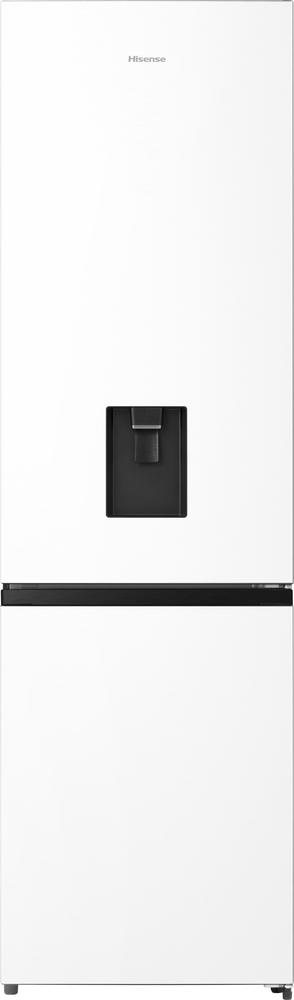
Choosing a new fridge freezer is one of those decisions you feel every single day. It affects how easy it is to store the weekly shop, how often you have to defrost, and even how tidy your kitchen feels. Tall 60/40 frost free models like the Hisense RB435N4BFE have become especially popular with busy UK households that want more fridge than freezer, without sacrificing space altogether.
In this guide we’ll use the Hisense RB435N4BFE 200cm 60/40 Frost Free Fridge Freezer in black and stainless steel as a real‑world example to explain what to look for. We’ll also compare it with a few closely related alternatives from the same range, so you can decide which layout and size works best in your kitchen. If you’d like in‑depth performance notes and owner feedback, you can always read our full review of the Hisense RB435N4BFE alongside this buying advice.
Why tall 60/40 fridge freezers suit modern households
The first big decision is layout. The Hisense RB435N4BFE is a 60/40 split: roughly 60% of the height is chilled fridge space, 40% is freezer. This tends to work brilliantly if:
- You do a fresh food shop once or twice a week
- You keep lots of fruit, veg, dairy and leftovers
- You only need a modest amount of frozen storage for essentials
If you compare that with a 50/50 design, such as the Hisense RB327N4WCE or the black Hisense RB327N4WBE, you’ll notice the freezer compartments are larger but the fridge section shrinks slightly. Those models are worth exploring if you buy frozen food in bulk; you can see more about the 50/50 stainless steel RB327N4WCE here or check the matching black RB327N4WBE in our detailed review.
Ultimately, think about what you reach for most days. If it’s milk, salad, leftovers and chilled drinks, a tall 60/40 like the RB435N4BFE makes daily life simpler because the fridge section is at eye level and generously sized.
Understanding height and capacity: is 200cm too tall?
The Hisense RB435N4BFE stands at around 200cm, which classes it as a full‑height freestanding fridge freezer. The main plus points of that extra height are:
- More usable storage without a wider footprint
- Less bending down for everyday items
- A neater, more built‑in look in many kitchens
If you like the idea of the Hisense styling and 60/40 layout but you’re worried about ceiling height or wall units, you might prefer a slightly shorter model such as the Hisense RB390N4ACE, which is around 186cm tall while still offering a 60/40 split and no frost technology. You can take a closer look at the RB390N4ACE here for comparison.
Before you decide, it pays to:
- Measure floor to ceiling, including any coving
- Check the height of wall cupboards and shelf brackets
- Allow a little breathing room at the top for airflow
- Measure doorways, hallways and tight corners for delivery
The RB435N4BFE is tall but slim in footprint, making it suitable for many UK kitchens that can’t spare the width for an American‑style side‑by‑side, yet still want generous fridge space.
Frost free and no frost: what it actually means day to day
One of the biggest quality‑of‑life upgrades in recent years is frost free cooling. The Hisense RB435N4BFE is a frost free fridge freezer, which means it automatically prevents ice building up inside the freezer compartment. That saves you from the tedious job of defrosting and keeps drawers sliding in and out easily.
Within the same family, models like the Hisense RB435N4BCE in stainless steel, the RB390N4ACE and the RB327 series are described as no frost fridge freezers, which is effectively the same idea: chilled air is circulated in a way that avoids internal frost build‑up. If you prefer the full stainless steel look, the Hisense RB435N4BCE is worth a closer look as it pairs the same 200cm 60/40 format with a different finish.
With any frost free or no frost system, you’ll notice a few real‑world benefits:
- No more scraping ice off drawers and shelves
- Consistent temperatures from top to bottom
- Better visibility because walls aren’t coated in frost
- Food packaging doesn’t weld itself together in big icy lumps
It’s still worth giving the door seals a quick wipe now and again and checking they close cleanly, but the days of regular manual defrosting should be behind you.
Finish and style: black and stainless steel vs full stainless
Apart from layout and cooling tech, the next thing you’ll notice is how the appliance looks. The Hisense RB435N4BFE combines black and stainless steel, which suits modern kitchens that mix darker cabinets with metallic handles or appliances. It can help a tall fridge freezer blend into the background rather than dominating the space.
If you prefer a fully stainless look, the RB435N4BCE offers similar proportions in a more traditional brushed steel finish. For smaller kitchens or galley layouts, the stainless RB390N4ACE steps slightly down in height while keeping the same overall design language. And if you’re going for an all‑black theme, the RB327N4WBE matches dark cabinetry particularly well.
When comparing these options, look beyond colour alone and think about:
- Fingerprints: darker glossy surfaces can show marks, while brushed steel often hides them better
- Lighting: in a darker kitchen, a stainless front can bounce light around and stop the room feeling too closed in
- Other appliances: matching oven, hob and dishwasher fronts can pull the room together visually
Energy rating and running costs: what “E rated” means today
The Hisense RB435N4BFE and its close relatives sit in the E energy class on the newer European label, which looks stricter than the old A+++ system. In practice, E is common for full‑size fridge freezers that balance performance, price and space.
To get the best from any E‑rated appliance, it helps to:
- Keep it away from direct sunlight and radiators
- Leave a little space around the sides and top for ventilation
- Set realistic temperatures (around 4 °C for the fridge and -18 °C for the freezer)
- Avoid leaving the doors open for long periods
Because fridge freezers run all day, every day, a modern E‑rated model will almost always cost less to run than an older appliance of similar size. If you’re coming from a much older unit, upgrading to a tall frost free model like the RB435N4BFE can actually trim your electricity bill over time while giving you more usable storage.
Storage layout: making the most of a tall 60/40 interior
Exact configurations vary slightly between models, but tall 60/40 fridge freezers generally follow a similar pattern. In a 200cm model like the Hisense RB435N4BFE you can usually expect:
- Multiple adjustable shelves in the fridge section
- A full‑width salad or fresh food drawer
- Door balconies for bottles, jars and condiments
- A set of pull‑out freezer drawers below
To get the best from this type of layout:
- Keep everyday items—milk, spreads, leftovers—at eye level
- Reserve the top shelf for lighter containers and snack pots
- Use the salad drawers for fruit and veg to maintain humidity
- Group frozen foods by type in each drawer so you’re not digging around
This is where tall 200cm models really shine compared with shorter designs like the 186cm RB390N4ACE. The extra vertical space gives you more flexibility to shuffle shelves and stand taller bottles without everything feeling cramped.
Comparing key Hisense alternatives: which one fits your home?
The RB435N4BFE sits in a small family of closely related fridge freezers that share similar technology and styling. Looking at them side by side makes it easier to decide which is right for you:
Hisense RB435N4BFE – tall 200cm, 60/40, black and stainless
This is the hero model we’ve been focusing on: a 200cm tall frost free fridge freezer with a 60/40 split and a smart black/stainless look. It’s a strong all‑rounder for families that prioritise fridge space and like a slightly more dramatic finish. If you want a deeper dive into daily usability, noise and real customer feedback, you can read our full review of the Hisense RB435N4BFE here.
Hisense RB435N4BCE – same height and split, full stainless look
The RB435N4BCE is effectively the stainless steel sibling to the RB435N4BFE. It keeps the 200cm height and 60/40 no frost design but swaps the black/stainless combination for a consistent stainless front. If you’re coordinating with a bank of similarly finished appliances, it’s well worth reading our full review of the RB435N4BCE before you decide.
Hisense RB390N4ACE – slightly shorter 186cm, 60/40, stainless
Not every kitchen can comfortably take a 200cm unit. The RB390N4ACE brings the height down to around 186cm while keeping the 60/40 layout and no frost system. If you’ve measured up and a tall model looks tight, this is a natural alternative—our in‑depth RB390N4ACE review goes into more detail on internal space and installation.
Hisense RB327N4WCE and RB327N4WBE – 182cm, 50/50, stainless or black
These two models change the storage emphasis: they’re 50/50 no frost fridge freezers at around 182cm tall, available in stainless (RB327N4WCE) or black (RB327N4WBE). If you keep lots of frozen food, or you batch‑cook and freeze, the extra freezer volume can be a better fit than the 60/40 RB435N4BFE. You can compare them more closely by reading our RB327N4WCE review and RB327N4WBE review.
Installation, space and everyday practicality
Beyond specs and photos, it’s worth thinking about how a tall, full‑depth fridge freezer will behave in your actual kitchen. With a 200cm unit like the RB435N4BFE, pay attention to:
- Door swing: make sure there’s room for the doors to open fully without hitting walls or cabinets
- Floor level: an uneven floor can cause doors to swing closed or open on their own, so adjust the feet carefully
- Ventilation space: leave a little gap at the back and sides as recommended in the manual
- Noise: tall frost free models use fans, so expect a gentle hum; position it away from quiet corners if possible
Delivery is another often‑overlooked point. Measure staircases, doorways and tight corners; 200cm of height plus packaging can push the limits in some older properties. If access looks awkward, one of the slightly shorter alternatives, like the RB390N4ACE or the RB327 range, could save a lot of hassle on delivery day.
Care, cleaning and keeping it fresh
Although frost free technology takes care of defrosting, a little regular maintenance will keep any fridge freezer smelling fresh and running smoothly:
- Wipe spills quickly so they don’t stain shelves or drawers
- Every few months, empty a shelf at a time and wash in warm soapy water
- Check door seals for crumbs and residue, which can stop them sealing properly
- Avoid blocking internal vents with tall containers or bags
Odour absorbers, or simply a small open pot of bicarbonate of soda in the fridge, can help keep smells under control. Because tall 60/40 models tend to get heavily used in the fridge section, a little organisation—clear storage boxes, labels and first‑in‑first‑out rotation—also goes a long way to preventing forgotten items lingering at the back.
Is the Hisense RB435N4BFE right for you?
If you want a tall, modern fridge freezer with more emphasis on chilled storage than frozen, the Hisense RB435N4BFE is a strong template for what to look for: a 200cm height, 60/40 split and frost free technology in a smart black and stainless design. It’s particularly well‑suited to medium and larger households that shop weekly and cook from fresh ingredients most days.
That said, the best choice for you might be one of its close relatives: the full stainless RB435N4BCE, the slightly shorter RB390N4ACE, or one of the 50/50 RB327 models if your freezer is always overflowing. Use this guide to narrow down the size, layout and finish that suits your home, then jump into the detailed write‑ups—starting with our full review of the Hisense RB435N4BFE—to confirm the finer details before you buy.