
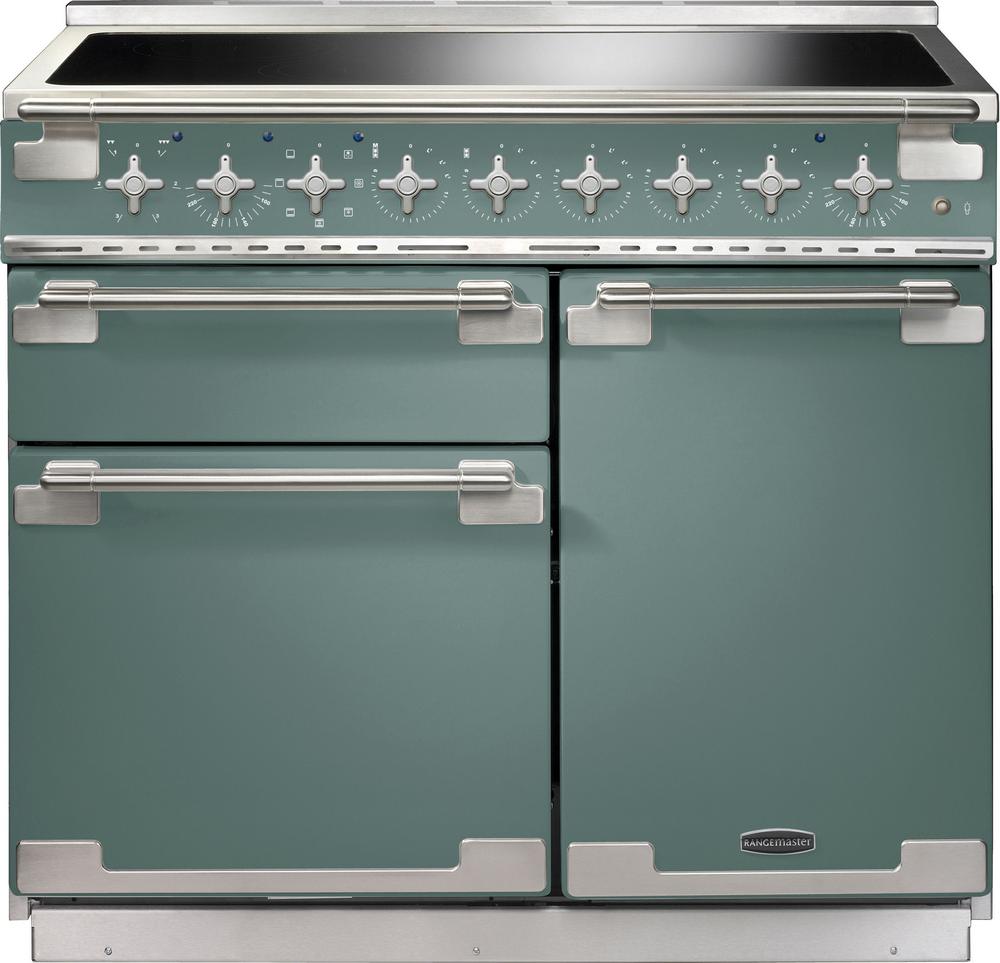
If you love to cook and you’re planning a serious kitchen upgrade, a full-width electric range with induction hob is one of the most satisfying additions you can make. The Rangemaster Elise ELS100EICB 100cm Electric Range Cooker with Induction Hob in Charcoal Black is a perfect example of this type of appliance: big, stylish and packed with features that make everyday cooking easier as well as special-occasion feasts. This guide walks you through how to choose and get the best from a premium induction range like the Elise, and highlights a few closely related alternatives worth a look.
Why choose a 100cm induction range cooker?
A 100cm range cooker strikes a sweet spot between capacity and practicality. It gives you multiple ovens and a generous hob without overpowering a standard UK kitchen. Add an induction hob into the mix and you get power and precision, but with a sleek, easy-to-clean surface.
The Rangemaster Elise ELS100EICB typifies this balance. It offers the feel of a professional range without demanding a huge 110cm footprint. If you want to dive into the finer details of its layout and functions, you can read our full review of the Rangemaster Elise ELS100EICB here, but first it’s worth understanding what ownership of a cooker like this is really like.
Design and style: making a statement in your kitchen
Range cookers are as much about presence as performance. A coloured enamel finish or brushed steel fascia can completely change the feel of your kitchen. The Elise ELS100EICB in Charcoal Black is a good example of a modern but characterful look – it feels premium without being shouty.
If you like the Elise design language but want something a little softer, the Rangemaster Elise ELS100EISB 100cm Electric Range Cooker with Induction Hob in Stone Blue offers the same overall concept in a more colourful, contemporary finish. Both 100cm Elise models are suitable if you want a range that looks deliberate and considered rather than purely functional.
100cm vs 110cm: which size is right for you?
Once you move beyond standard 60cm cookers, the main decision is usually between 100cm and 110cm widths. The extra 10cm sounds small on paper, but it can be the difference between squeezing a range into an existing run of cabinets or needing more extensive alterations.
When a 100cm model makes sense
A 100cm range like the Elise ELS100EICB fits neatly into many British kitchens without feeling excessive. You still get:
- Multiple oven cavities for flexible cooking
- A wide induction hob area with space for several pans
- A focal point for the room that doesn’t overwhelm smaller spaces
If you’re upgrading from a single built-in oven and separate hob, a 100cm range will feel like a major step up in capacity and convenience.
When to consider 110cm
If you have a big open-plan kitchen or regularly cook for large groups, a 110cm range may be worth the extra work and budget. For instance, the Rangemaster Nexus SE NEXSE110EIBL/C 110cm Electric Range Cooker with Induction Hob in Black / Chrome gives you even more oven and hob real estate in a sleek, modern style. There’s also the Rangemaster Nexus SE NEXSE110EIIV/C 110cm Electric Range Cooker with Induction Hob in Ivory / Chrome, which offers the same layout in a warmer, cream-toned finish.
Similarly, if you love the Elise look specifically but want a wider presence, the Rangemaster Elise ELS110EISS 110cm Electric Range Cooker with Induction Hob in Stainless Steel brings that styling to a full 110cm width.
Understanding induction on a range cooker
Switching from gas or traditional electric to induction can feel like a big step, but most people quickly find it intuitive. Induction uses a magnetic field to heat the pan base directly, rather than heating the glass first. That makes it fast, efficient and precise.
Everyday benefits you’ll notice
With a range like the Elise ELS100EICB, everyday cooking becomes more responsive. Pans heat rapidly, so boiling water or bringing sauces up to temperature takes noticeably less time than with many ceramic or solid-plate hobs. Turning the heat down actually feels like turning a gas flame down – it reacts quickly instead of slowly coasting to a cooler temperature.
Because the surface around the pan doesn’t get as hot as with traditional electric hobs, spills are less likely to burn on. That makes daily wipe-downs with a soft cloth and suitable cleaner far easier.
Cookware considerations
The main requirement with induction is compatible cookware. If a magnet sticks firmly to the base of your pan, it should work. If you’re upgrading at the same time as your range, it can be a good opportunity to standardise on a small set of quality pans that will last.
Oven layout: how to use multiple cavities effectively
One of the biggest upgrades when moving to a range is the multi-oven layout. Rather than juggling everything in a single cavity, you can treat your cooker more like a mini professional suite.
The Elise ELS100EICB, for instance, is designed to give you separate spaces for roasting, baking and keeping dishes warm. Exact capacities and configurations vary by model, so for the precise figures and cavity breakdown you can check our in-depth Elise ELS100EICB review, but some general tips apply to almost all electric ranges.
Practical ways to use the space
- Roast main, bake dessert: Use one oven at a higher temperature for your roast, and a second at a gentler heat for a pudding or meringues.
- Veg and sides: Allocate one cavity to trays of vegetables and side dishes so you can slide them in and out without disturbing a carefully risen sponge or delicate bake.
- Low-and-slow cooking: Keep one oven at a low, steady temperature for casseroles, slow roasts or overnight cooking.
- Warming plates: Some ranges have a lower-temperature setting ideal for warming plates or resting cooked meat without drying it out.
Once you get used to working with multiple ovens, it’s hard to go back to a single 60cm cavity.
Energy efficiency and day-to-day running costs
Premium electric ranges like the Elise ELS100EICB typically carry strong energy efficiency ratings across their ovens. This is helped by modern insulation, good door seals and precise thermostat control. Induction hobs are also inherently efficient because they transfer most of their energy to the pan rather than the surrounding air.
Simple habits that save energy
Regardless of which model you choose, a few habits will help keep running costs sensible:
- Use the right-sized pan for each cooking zone.
- Keep lids on when boiling or simmering.
- Batch-bake or roast multiple dishes when the oven is already hot.
- Use timers and lower temperatures rather than over-relying on maximum heat.
If you’re comparing models like the 100cm Elise against larger 110cm ranges such as the Nexus SE or Elise ELS110EISS, remember that extra capacity can mean a bit more energy use when fully loaded. Think about how often you’ll genuinely fill every oven before opting for the largest footprint.
Installation, ventilation and space planning
Bringing in a 100cm or 110cm range is a bigger project than swapping out a 60cm cooker. Planning ahead makes the process smooth and avoids expensive surprises.
Measuring up
Before you fall in love with a specific model, check:
- The total width available between your cabinets.
- The depth of your worktops and whether the range will sit flush or proud.
- Door swing and handle clearance for nearby cupboards and drawers.
- Access routes into the kitchen for delivery – tight corners and narrow doors can cause headaches.
All the alternatives mentioned here – whether the Elise in Stone Blue, the Nexus SE in Black or Ivory, or the Elise ELS110EISS in Stainless Steel – are substantial appliances. Double-check manufacturer diagrams and consider having an installer visit beforehand if your space is tight.
Power and ventilation
Electric ranges with induction hobs need an appropriate electrical supply, which in many homes will mean a dedicated high-amperage circuit installed by a qualified electrician. Don’t assume you can reuse the wiring from a basic freestanding cooker. For ventilation, pair your range with a suitable cooker hood or extraction system sized to match the width of the appliance where possible.
Keeping your range cooker clean and in top condition
A big range can look intimidating to clean, but a little regular attention goes a long way. The glass induction surface on models like the Elise ELS100EICB is actually simpler to maintain than gas burners, as there are no pan supports or burner caps to soak and scrub.
Induction hob cleaning tips
- Wait until the surface has cooled, then wipe spills with a damp, soft cloth.
- Use a dedicated ceramic/induction hob cleaner for stubborn marks, following the instructions.
- Avoid abrasive scourers or harsh chemicals that can scratch or dull the glass.
- Lift pans rather than sliding them, to reduce the chance of fine scratches.
Oven care
For the ovens, the best approach is “little and often”. Wipe up big spills once the interior is cool, and line roasting trays to catch fat and juices. Some premium ranges offer catalytic or enamel interiors that simplify cleaning, but even with those it’s worth staying on top of grease before it bakes on.
Comparing style families: Elise vs Nexus SE
All of the alternatives discussed alongside the Elise ELS100EICB come from recognisable style families. Understanding the differences can help you choose a range that not only cooks well but also suits the character of your home.
Elise family: colourful, elegant and slightly classic
The Elise models lean towards a refined, almost French-inspired design with bold handles and a choice of sophisticated colours. The Charcoal Black Elise ELS100EICB is ideal if you prefer darker appliances, while the Elise ELS100EISB in Stone Blue and Elise ELS110EISS in Stainless Steel introduce softer or more industrial themes. If you want a cooker that feels decorative as well as functional, this family is a strong fit.
Nexus SE family: sleek and contemporary
The Nexus SE models, such as the Nexus SE NEXSE110EIBL/C in Black / Chrome and the Nexus SE NEXSE110EIIV/C in Ivory / Chrome, lean more towards minimal, clean lines. They pair well with handleless cabinetry, flat-fronted units and modern finishes. If you love the idea of a range but prefer a contemporary aesthetic, they are well worth shortlisting.
Budget and value: where does a premium range fit?
Premium induction ranges sit at the top end of the cooker market, so it’s important to be realistic about budget. What you’re paying for is a combination of build quality, capacity, refined controls and long-term reliability.
The Elise ELS100EICB, its Stone Blue sibling ELS100EISB, as well as wider 110cm models like the Nexus SE and Elise ELS110EISS, are firmly in that aspirational bracket. If your kitchen is a long-term investment and you cook daily, it can make sense to prioritise a high-quality range over some purely decorative upgrades. Consider how many meals you’ll prepare over the lifespan of the cooker – seen that way, the cost per use can be surprisingly reasonable.
Which type of cook is the Elise ELS100EICB best suited to?
While exact features and internals are covered in depth in our dedicated product article, the overall character of the Elise ELS100EICB makes it especially suited to confident home cooks who value both performance and styling. If you enjoy batch cooking, baking and family gatherings, the blend of multiple ovens and an induction hob will feel liberating compared with a standard cooker.
If you’re a keen entertainer or have the space for a bigger statement piece, the 110cm alternatives like the Nexus SE NEXSE110EIBL/C, Nexus SE NEXSE110EIIV/C or Elise ELS110EISS extend that concept with a little more elbow room. Ultimately, the best choice is the one that matches how you cook week in, week out – not just on special occasions.
Next steps
Choosing a premium range cooker is a big decision, but the payoff in day-to-day enjoyment can be huge. Think carefully about size, style, hob type and oven layout, then match those against the way you actually cook and entertain.
If the 100cm induction format appeals, the Rangemaster Elise ELS100EICB in Charcoal Black is a strong benchmark for what this category can offer. For a closer look at its functions, layout and real-world performance, you can read our full review of the Elise ELS100EICB here. And if you’re still weighing up widths, finishes or style families, the Stone Blue Elise, the Nexus SE 110cm options and the Elise ELS110EISS provide excellent reference points as you refine your shortlist.