
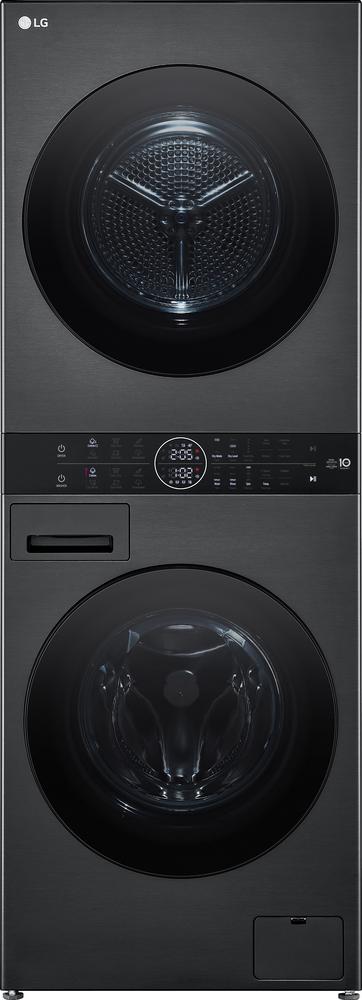
If you are short on space but still want the convenience of both washing and drying at home, a washer dryer can be a smart upgrade. The Miele WTD163 Wifi Connected 8Kg/5Kg Washer Dryer with 1500 rpm sits right in the sweet spot for many UK homes, blending strong performance, sensible capacities and connected features. This guide walks through what living with a modern washer dryer like the WTD163 is really like, how to choose the right size and spec, and when an integrated alternative such as the Bosch Series 6 WKD28543GB might make more sense.
Understanding washer dryer capacities: 8kg wash and 5kg dry
One of the biggest questions when you are choosing a washer dryer is how much it can realistically handle. The Miele WTD163 offers an 8kg washing capacity and a 5kg drying capacity, which is a very common split for combi machines.
In practice, that means you can comfortably wash a full family load of everyday clothes, bedding or towels. When it comes to drying, you will need to remove a few items if you have filled the drum to the 8kg wash limit. Planning your wash loads around the 5kg dry capacity keeps things simple: lighter mixed loads can wash and dry in one go, while bulkier bedding can be washed first and dried separately or on an airer.
If you are unsure whether this size is right for you, think about your typical week. Couples and small families usually find an 8kg/5kg set-up like the WTD163 ideal, while larger households that generate mountains of laundry might prefer either more frequent, smaller loads or a separate dryer in the long term.
For comparison, the Bosch Series 6 WKD28543GB integrated washer dryer comes in slightly smaller at 7kg wash and 4kg dry. That makes it a neat option if you live alone or as a couple and want a machine tucked away behind a cupboard door.
Why spin speed and energy ratings matter
The WTD163 offers a 1500 rpm spin speed, which is on the higher side for domestic washer dryers. A faster spin extracts more water at the end of the wash cycle, which directly shortens drying times and can save energy over the life of the appliance.
You will also notice two separate efficiency ratings in the title: a D rating for combined wash and dry, and an A rating for wash only. This is increasingly common on modern combi machines. It reflects the reality that washing functions have become more efficient over time, while drying still uses more energy, especially on traditional condenser systems.
To get the best from a model like the WTD163, make a habit of:
- Using full (but not overstuffed) loads to maximise each cycle.
- Choosing lower temperature washes for lightly soiled items.
- Letting the higher spin speed do its job before drying, unless you are washing delicate fabrics.
- Reserving the drying function for when you really need clothes ready to wear.
If you are curious about real-world running costs, build quality and how the different programmes behave, it is worth taking a look at our hands-on impressions in our full review of the Miele WTD163 washer dryer.
Freestanding vs integrated: which style suits your home?
The Miele WTD163 is a freestanding washer dryer in white, designed to slide under a worktop or sit in a utility space. Freestanding models are the most flexible option: they are easier to install, simpler to swap out in future, and you see the full front of the machine including its display and controls.
An integrated machine, like the Bosch Series 6 WKD28543GB, is built to sit behind a matching kitchen door. This keeps everything looking seamless and can help with noise control, as the cabinet adds an extra layer of insulation. In return, you typically accept slightly smaller capacities and fewer ultra-premium features than you would get from a similarly priced freestanding model.
Ask yourself:
- Do you care more about a streamlined kitchen look, or outright performance and capacity?
- Is there a utility room or spare corner where a freestanding machine like the WTD163 can live happily out of sight?
- Will you want an easier upgrade path in future without changing cabinetry?
If integration is non-negotiable, the Bosch Series 6 WKD28543GB review is a useful point of reference for understanding what a well-rounded built-in washer dryer can offer in day-to-day use.
Living with a connected washer dryer
As the name suggests, the WTD163 is wifi connected. Connected laundry appliances are less about gimmicks and more about small quality-of-life improvements. Once set up with your home network and app, you can typically:
- Start, pause or delay cycles from your phone.
- Receive notifications when a programme finishes, so laundry spends less time crumpled in the drum.
- Browse recommended programmes based on fabric type and soil level.
- Monitor approximate energy and water usage over time.
For busy households, that last point is especially helpful. Being nudged when a cycle ends helps you stay on top of multiple loads and makes it easier to time drying around off-peak energy tariffs or daylight hours if you prefer to hang items out.
If you are on the fence about connected features, focus on whether you will genuinely use remote control and notifications. If you are the kind of person who starts a wash and then forgets about it until the next morning, app alerts alone can be worth it. Our in-depth Miele WTD163 review goes into more detail on how the connectivity is implemented on this particular model.
Programmes and practical tips for better results
Modern washer dryers come with a long list of programmes, from quick wash options to specialist cycles for woollens or sportswear. It can be tempting to stick to a single mixed programme, but you will get better results (and potentially lower bills) by matching the cycle to what you are washing.
With a machine like the WTD163, consider these everyday habits:
- Use eco cycles when you are not in a rush. They typically run longer at lower temperatures, using less energy overall.
- Choose quick wash only for lightly soiled items. It is great for freshening up clothes but not ideal for heavy stains.
- Separate heavy cottons from synthetics. Mixed loads do not dry evenly, leading to some items coming out damp while others over-dry.
- Check the drum before drying. If you have stuffed it to the 8kg wash capacity, take out a few pieces to bring it closer to the 5kg dry rating.
Once you have found a few go-to programmes that suit your routine, you will get more consistent cleaning and drying performance, with less guesswork when it comes to timings.
Noise, installation and where to put your washer dryer
Noise can be a real concern if your laundry area is near bedrooms or part of an open-plan kitchen–living space. While specific dB figures vary by model, the general trend is that premium machines, including those from Miele and Bosch, tend to have more refined drum designs and motor systems that reduce vibration.
To keep things as quiet and stable as possible, regardless of the model you choose:
- Ensure the machine is perfectly level on all four feet.
- Avoid placing it on loose floorboards that flex under load.
- Leave a little clearance at the sides and back for air circulation and movement.
- Use the recommended transport bolt removal and installation steps to prevent long-term vibration issues.
If you like the idea of tucking the machine out of sight and slightly reducing perceived noise, an integrated option such as the Bosch WKD28543GB behind a cabinet door may appeal more than a freestanding unit. On the other hand, a robust freestanding washer dryer like the WTD163 is easier to access for maintenance and can make better use of advanced spin speeds without the constraints of furniture around it.
Care, maintenance and keeping performance at its best
Whichever washer dryer you choose, a little regular care will go a long way towards keeping it running efficiently and smelling fresh. Combination machines work harder than single-function appliances, as they have both wash and dry components in the same housing.
Build good habits such as:
- Running a maintenance or drum-clean cycle once a month, particularly if you often wash at 30°C or below.
- Wiping the rubber door seal to remove lint, coins and detergent residue.
- Cleaning the detergent drawer and any accessible filters on a regular schedule.
- Leaving the door slightly open after use so the drum can dry out.
Miele machines, including the WTD163, are well-known for their focus on longevity and robustness, and regular maintenance helps them live up to that reputation. Likewise, an integrated option such as the Bosch Series 6 WKD28543GB benefits from the same simple routines, even though some access points may be a little more tucked away behind cabinetry.
When an integrated alternative might be better
There are plenty of reasons to choose the Miele WTD163 as your main laundry workhorse: it offers strong specs, a generous 8kg wash drum, connected features and the reassurance of a highly rated brand. That said, it will not be the right fit for everyone, particularly if you are in the middle of planning a new kitchen or prefer everything hidden away.
This is where an integrated washer dryer like the Bosch Series 6 WKD28543GB comes into its own. It slips behind a furniture door, has a slightly smaller 7kg/4kg capacity that suits compact homes, and gives you that clean, uncluttered look. It is also a strong choice if you value a matched set of built-in kitchen appliances for a cohesive finish.
If you are weighing up these two approaches, it is worth thinking long term: a freestanding Miele WTD163 will be simpler to move with you if you change homes, while a built-in Bosch is more about committing to a particular kitchen layout for many years.
How to decide if the Miele WTD163 is right for you
To narrow down your shortlist, focus on a few key questions:
- Space: Do you have a dedicated utility area, or does the machine need to blend into a fitted kitchen?
- Capacity: Does an 8kg wash and 5kg dry drum comfortably match your weekly laundry habits?
- Performance: Will you benefit from the higher 1500 rpm spin speed and strong wash-only energy rating?
- Features: Are wifi connectivity and smart notifications something you will actually use?
- Budget: Would you rather invest more upfront in build quality, or prioritise a lower initial outlay even if it means fewer premium touches?
If the answers line up with what the WTD163 offers, it is likely to be a very strong contender. For a closer look at daily usability, drum design, programme variety and real customer feedback, you can read our full review of the Miele WTD163 washer dryer here.
Final thoughts
Washer dryers remain one of the most practical ways to get full laundry capability into a modestly sized UK home, and models like the Miele WTD163 show just how refined these all-in-one machines have become. With thoughtful capacities, strong spin performance and the convenience of wifi connectivity, it is well worth shortlisting if you want one machine to handle almost everything.
If you favour a built-in look, take a moment to compare it with an integrated alternative such as the Bosch Series 6 WKD28543GB. Between these options and the detailed hands-on reviews linked throughout this guide, you should have all the information you need to choose a washer dryer that fits both your home and your routine for years to come.