
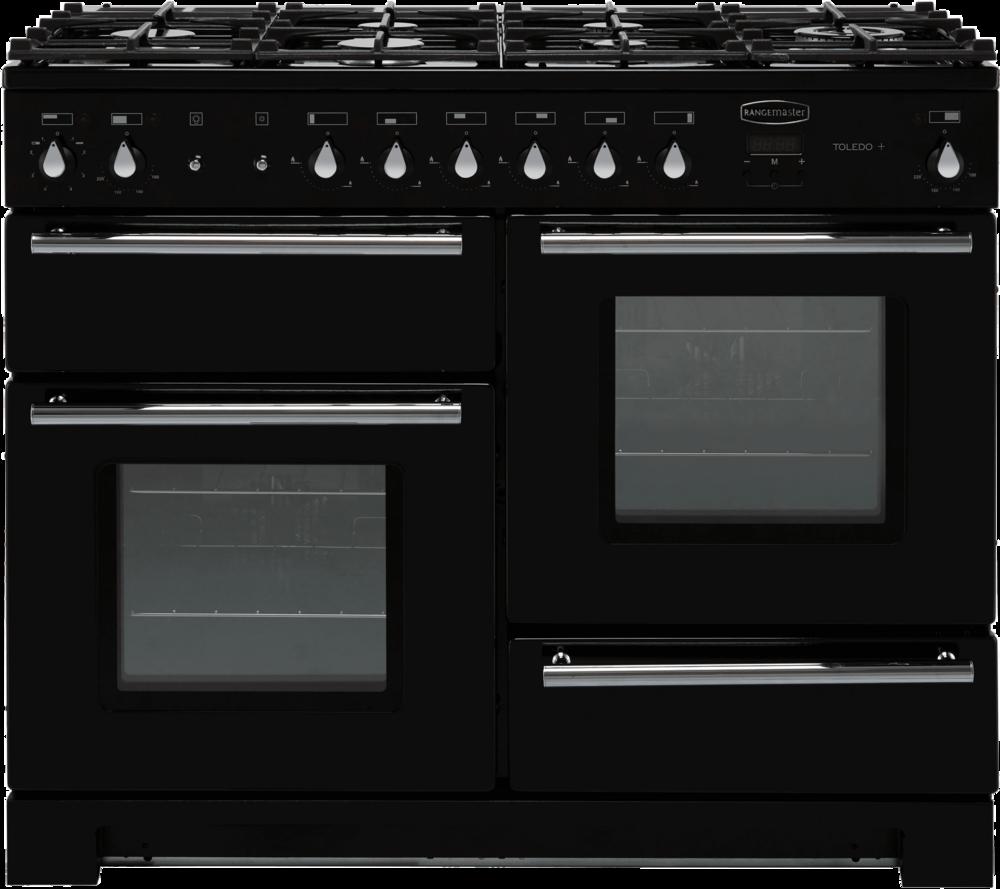
If you love to cook, a proper range cooker can transform your kitchen from a place you simply prepare food into the heart of the home. The Rangemaster Toledo + TOLP110DFFSL/C 110cm Dual Fuel Range Cooker with Gas Hob in slate is exactly the kind of appliance that tempts people away from standard cookers, combining generous capacity with the control of dual fuel and a modern graphite finish. In this guide, we’ll look at what owning a 110cm dual fuel range really means day to day, using the Toledo+ as a reference point, and explore a few alternative models if you decide a slightly different size or fuel setup suits you better.
Why choose a 110cm dual fuel range cooker?
A 110cm range is a serious piece of kit. Compared with a 60cm freestanding cooker, you gain extra oven space, more hob burners and often an additional cavity for grilling or slow cooking. For busy households or anyone who cooks for friends and family, that extra capacity makes Christmas lunch and Sunday roasts far less stressful.
Opting for dual fuel, as you do with the Rangemaster Toledo+ TOLP110DFFSL/C, gives you a gas hob for responsive heat on the top and electric ovens below for even, predictable baking. It’s a combination many keen home cooks prefer, especially if they like to sear in a pan and then finish dishes in the oven.
If you’re weighing up whether a model like this is right for you, it’s worth taking a deeper dive into how dual fuel behaves in practice and what to expect from a 110cm footprint. For a closer look at this specific slate and graphite model, capacity and features, you can always read our full review of the Rangemaster Toledo+ TOLP110DFFSL/C dual fuel range cooker.
Planning your space for a 110cm range
Before you fall for the slate finish and graphite details, it’s essential to check the practicalities. A 110cm wide range like the Toledo+ needs a generous stretch of wall and careful planning around cupboards, worktops and extraction.
Measuring up properly
Allow for the full 110cm width plus the clearances recommended by the manufacturer on each side. The depth of the cooker also needs to sit comfortably within your existing countertop run, including any space at the back for gas pipework or electrical outlets.
Think about:
- Door swing: ensure oven doors can open fully without hitting cabinetry or an island.
- Worktop space: leave decent worktop either side of the cooker for prep and hot trays.
- Extractor hood: a 110cm hob surface benefits from a wide hood to catch steam and odours.
If your kitchen is more compact, a slightly narrower range could be a better physical fit. The Rangemaster Professional Plus PROP90ECCR/C 90cm Electric Range Cooker with Ceramic Hob offers that classic range look in a 90cm width, which can be easier to slot into existing layouts without compromising too much on oven space.
Understanding dual fuel: gas hob, electric ovens
The headline of the Toledo+ is its dual fuel setup: a gas hob paired with electric ovens. Each element brings its own strengths to everyday cooking.
Benefits of a gas hob
Gas burners provide immediate heat and fine control. Turn the knob and you see the flame, so you can judge instantly whether you’re simmering gently or blasting at full power. That’s ideal for:
- Stir-fries that need fierce heat.
- Delicate sauces that mustn’t catch on the bottom of the pan.
- Quick adjustments when you’re juggling multiple pans.
For cooks who like visual feedback and the ability to move pans across different burners, a gas hob like the one on the Toledo+ feels natural and intuitive.
Why electric ovens help you bake better
Electric ovens excel at providing even, consistent heat throughout the cavity. That’s particularly useful for:
- Batch baking trays of biscuits or cupcakes.
- Roasting meat and veg evenly without constantly turning trays.
- Slow, low-temperature cooking where stability matters.
The Rangemaster Toledo+ offers multiple electric cavities, so you can run different temperatures at once. For example, you might roast a joint in one oven while baking a crumble in another. For detailed oven layout and functions on this particular model, you can check the full Toledo+ 110cm dual fuel range cooker review.
How the Toledo+ compares with all-electric ranges
Not everyone wants gas in the kitchen, or you may simply prefer the sleek look of a smooth glass hob. If that sounds like you, an all-electric range is worth considering alongside the dual fuel Toledo+.
Electric ranges with ceramic hobs
Ceramic hobs give you a flat, wipe-clean surface and a modern appearance. While they don’t respond quite as instantly as gas, they’re straightforward to use and easy to keep looking smart. An example is the cream-finished Rangemaster Kitchener KCH110ECCR/C 110cm Electric Range Cooker with Ceramic Hob, which offers a similar 110cm footprint to the Toledo+ but stays fully electric.
If you know you want the range look in a slightly smaller size, the Professional Plus line offers 90cm ceramic options such as the cranberry-coloured Rangemaster Professional Plus PROP90ECCY/C 90cm Electric Range Cooker with Ceramic Hob. Models like this keep to the electric + ceramic formula, which can simplify installation when there is no gas supply in place.
Gas vs dual fuel: when a full gas range makes sense
Dual fuel tends to suit bakers and all-round cooks, but there are scenarios where a full gas range is still attractive. Continuous gas heat can work well for traditional roasting and some people simply prefer the feel of an all-gas cooker.
If you like the idea of a slightly slimmer appliance that leans towards traditional gas cooking, a model like the Rangemaster Professional Plus PROP90NGFGB/C 90cm Gas Range Cooker is worth investigating. It gives you that powerful gas experience across hob and ovens in a 90cm width, which might suit compact kitchens or those who already rely on gas for most of their cooking.
Capacity and layout: making the most of multiple ovens
One of the biggest changes when you move from a standard cooker to a 110cm range is how you use oven space. The Toledo+ separates cooking into dedicated cavities, which can dramatically streamline complex meals.
Typical ways to use multiple ovens
With three or more usable cavities, you might:
- Roast meat in one oven while you crisp potatoes in another.
- Keep a low, steady heat running for slow-cooked dishes.
- Reserve one cavity mainly as a grill or for quick midweek bakes.
This flexibility means you spend less time juggling oven shelves and more time focusing on timing and flavour. When comparing models, it’s worth considering whether you’d prefer a symmetric layout (two similar-sized main ovens) or a clear division between a large main oven and smaller supplementary spaces. The 110cm and 90cm options across the Toledo+, Kitchener and Professional Plus ranges each handle this slightly differently, so it’s worth studying their diagrams in detail.
Energy ratings and everyday running costs
The Rangemaster Toledo+ is A/A rated, which is reassuring for a cooker of this size. An efficient rating doesn’t mean it uses no energy at all, but it does mean it makes better use of the energy it does consume than lower-rated models in the same class.
To keep running costs sensible:
- Use the smallest oven cavity that will comfortably fit your dish for everyday meals.
- Avoid over-preheating; many electric ovens reach temperature faster than you think.
- Batch cook when you do turn on the larger ovens, making use of all the shelves.
- Keep door seals clean and check they’re closing firmly to retain heat.
All of the alternative ranges mentioned here sit in a similar quality bracket, with A or A+ style ratings, so there isn’t a dramatic difference in efficiency between them. The biggest influence will be how you use the appliance in daily life.
Style and finish: making your range part of the kitchen
People often fall for a range cooker first with their eyes. The Toledo+ in slate with graphite detailing has a modern, slightly industrial look that works particularly well with darker cabinets, concrete-style worktops and black fixtures.
If you’re aiming for something softer or more classic, cream finishes like those on the Kitchener KCH110ECCR/C 110cm electric range or the Professional Plus PROP90ECCR/C 90cm electric range can blend beautifully with Shaker-style kitchens and warmer wood tones.
When choosing a finish, think about:
- How visible fingerprints and splashes will be on darker or shinier surfaces.
- Whether you want the cooker to stand out as a focal point or blend into the cabinetry.
- How the handle style and control knobs tie in with your taps, lighting and hardware.
Cleaning and day-to-day care
A large range cooker inevitably has more surface area to keep clean, but planning your routine makes it manageable. The Toledo+ gas hob, for example, can be kept in good condition with a few simple habits.
Keeping the hob under control
Wipe up spills once the hob components are cool, rather than leaving them overnight. Lift off pan supports regularly to clear crumbs and grease from the enamel below. Non-abrasive creams or sprays are usually sufficient to cut through cooking films without scratching surfaces.
Oven cleaning tips
Many modern range ovens use catalytic or enamel liners to help with cleaning, but you’ll still benefit from:
- Placing trays under dishes that might bubble over.
- Wiping the inside of the door glass with a damp cloth after heavy use.
- Running an intensive clean every few months, following the manufacturer’s advice.
Whichever model you choose, building a quick post-roast clean into your routine will keep the interior fresh and odour-free, and help maintain performance over time.
Choosing between the Toledo+ and its close alternatives
Once you know you want a range cooker, the decision often comes down to width, fuel type and style. Here’s how the Toledo+ sits among some closely related options:
- Rangemaster Toledo+ TOLP110DFFSL/C 110cm Dual Fuel Range Cooker with Gas Hob – 110cm wide, dual fuel, slate/graphite styling and A/A rated. Ideal if you want maximum oven space, a gas hob and a modern look.
- Rangemaster Kitchener KCH110ECCR/C 110cm Electric Range Cooker with Ceramic Hob – same 110cm width but fully electric with a ceramic hob and a cream finish. Suits period-style kitchens and homes without a gas supply.
- Rangemaster Professional Plus PROP90ECCY/C 90cm Electric Range Cooker with Ceramic Hob – 90cm electric with ceramic hob in cranberry red. Great if you want a bold colour statement in a slightly smaller footprint.
- Rangemaster Professional Plus PROP90NGFGB/C 90cm Gas Range Cooker – 90cm wide with a full gas setup and a black finish. Appeals to those who favour traditional gas cooking and have limited width.
- Rangemaster Professional Plus PROP90ECCR/C 90cm Electric Range Cooker with Ceramic Hob – 90cm electric ceramic model in cream, combining modern cooking with classic looks in a more compact size.
If you’re torn between them, think first about width, then fuel type, and finally the finish that will work in your room. Price, of course, also plays a role, but all of these sit in a similar high-quality bracket, so it’s more about matching the cooker to how and where you cook.
Final thoughts
Investing in a 110cm dual fuel range like the Rangemaster Toledo + TOLP110DFFSL/C is as much about how you live as it is about how you cook. If you entertain regularly, love Sunday roasts or simply enjoy having the space to spread out, the combination of gas hob control and generous electric ovens is very hard to beat.
Take your time to measure up, consider the pros and cons of dual fuel versus all-electric or full gas, and picture how the finish will work in your kitchen. When you’re ready to dive into the specifics of the slate Toledo+, including its oven layout, hob arrangement and user impressions, you can read the in-depth Toledo+ 110cm dual fuel range cooker review here. And if you decide a 90cm or fully electric model is a better fit, the linked alternatives will give you plenty of solid options to compare side by side.