
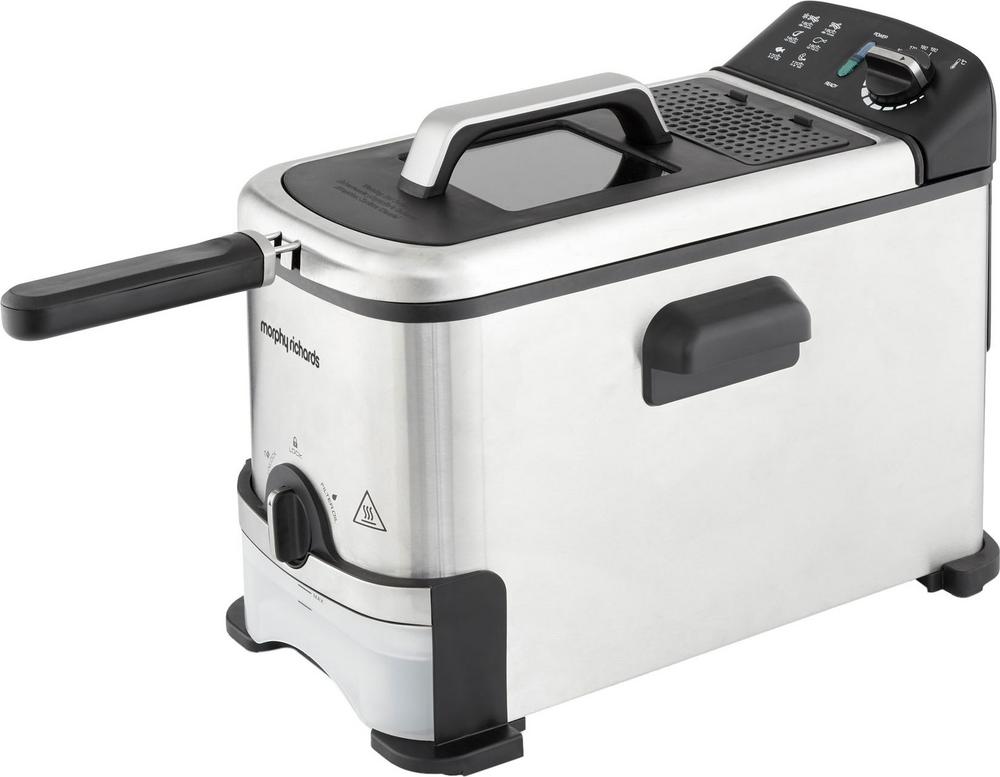
If you love proper chip shop-style chips or the occasional batch of crunchy tempura at home, a compact countertop fryer can be a handy addition to your kitchen. The Russell Hobbs 24580 Fryer in black is a popular example – a simple plug-in appliance designed to deliver crisp results without taking over your worktop. Rather than review it again here, this guide focuses on helping you decide whether a small deep fat fryer like this suits your home, how to use it well, and how to look after it so it lasts.
Why consider a compact deep fat fryer?
Many people debate whether they really need a dedicated fryer when they already have an oven, hob or maybe an air fryer. Compact models in the same mould as the Russell Hobbs 24580 are aimed at households that want the authentic deep-fried texture without buying a huge, commercial-style unit.
Key reasons people choose a small fryer include:
- Better texture than shallow frying: Food can cook evenly and quickly, with consistent crispness.
- Less fuss than a pan of oil: Thermostats and lids help keep the process more controlled and tidy.
- Space-saving design: Compact fryers are easier to store than large multi-litre machines.
- Budget-friendly: They’re often cheaper than larger fryers or premium multi-cookers.
If you want more detail on how this particular model behaves day-to-day, it’s worth reading our full review of the Russell Hobbs 24580 fryer alongside this guide.
Understanding the Russell Hobbs 24580 Fryer
The Russell Hobbs 24580 Fryer is a straightforward, no-frills appliance designed for occasional or regular home frying. It has earned a strong average user rating, with over 100 reviews behind it, which tells you it has been in plenty of real kitchens.
While the exact capacity and power are covered in more detail in the dedicated product write-up, the 24580 sits very much in the compact category. It’s intended for small households, students or anyone who fancies fried sides and treats without committing to a huge footprint. If you’re wondering about exact litre capacity, power rating or heat-up times, you can check the full Russell Hobbs 24580 Fryer review for all the specs.
What size fryer do you really need?
Capacity is one of the first decisions when choosing a fryer. A unit like the Russell Hobbs 24580 typically sits in the smaller end of the range, so it’s important to think realistically about how you’ll use it.
Cooking for one or two
If you mostly cook for yourself or one other person, a compact fryer is usually ideal. You can easily manage portions of chips, onion rings or breaded fish without wasting oil. Smaller baskets also make it easier to avoid overloading, which can lead to soggy results.
Cooking for a family
For families, a compact fryer still has its place, but you may need to work in batches. That’s perfectly manageable for sides or occasional treats, but if you’re planning to fry large quantities of chicken or fish regularly, you might want to look at bigger-capacity models instead. Think about how patient you’ll be on a busy evening before committing to a smaller unit.
How to get the best results from a small deep fat fryer
Regardless of the exact model, there are a few golden rules that help you get crisp, consistent results from a compact fryer.
Don’t overfill the basket
Piling food into a small basket is the quickest way to end up with pale, greasy chips. Leave space for hot oil to circulate and cook in batches if needed. It’s better to do two quick rounds than one disappointing one.
Preheat properly
Most countertop fryers have an indicator light to show when they’ve reached temperature. Give the fryer time to heat fully before adding food, and allow it to recover between batches if you’re cooking for several people.
Dry food thoroughly
Water and hot oil do not mix well. Pat chips, vegetables and fish dry with kitchen paper before frying, especially if you’ve parboiled or rinsed them. This helps reduce spitting and gives a better crust.
Use the right oil
Choose a neutral, high smoke point oil such as sunflower, vegetable or groundnut oil. Reusing oil a few times is usually fine, but discard it when it becomes dark, cloudy or develops a burnt smell.
Safety tips when using a deep fat fryer
Even compact fryers need a bit of respect. With hot oil involved, a few sensible habits make all the difference.
- Place on a stable surface: Keep the fryer on a flat, heat-resistant worktop, away from the edge.
- Keep children and pets clear: Hot oil can cause serious burns, so create a no-go zone around the fryer.
- Never move the fryer when hot: Always let oil cool fully before topping up, emptying or moving.
- Watch the fill lines: Stick to the minimum and maximum levels marked inside the fryer.
- Stay nearby: Don’t leave the fryer running unattended, especially if you’re cooking at higher temperatures.
The Russell Hobbs 24580, like many modern small fryers, is designed with safety in mind, but it still relies on sensible use. Treat it with care and it can be a very practical tool rather than something to worry about.
Cleaning and maintaining your fryer
Looking after your fryer properly will make it nicer to use, safer and more efficient. Thankfully, compact models are usually straightforward to clean if you follow a few steps.
Let the oil cool completely
Always switch off, unplug and leave the fryer until the oil is completely cold – this can take a couple of hours. Only then should you think about emptying or moving it.
Strain or change the oil
If the oil still looks relatively clear and doesn’t smell burnt, you can pour it through a fine sieve or filter into a container to reuse, discarding any crumbs and bits of batter. If it’s dark or strong-smelling, it’s time to dispose of it and start again with fresh oil.
Wipe the interior
Follow the instructions in the manual for your specific fryer, but generally the interior can be wiped with kitchen paper first, then cleaned with warm, soapy water on a soft cloth or sponge, taking care not to soak any electrical parts. Removable baskets and lids can often be washed in the sink like normal cookware.
Keep the exterior tidy
Wipe the outer casing with a damp cloth to remove splashes, and avoid abrasive cleaners. This not only keeps the fryer looking smart on your worktop, but can help prevent smells building up over time.
Deep fat fryer vs air fryer: which suits you?
Many households debate between buying a traditional fryer and an air fryer. They’re quite different tools, even if they’re often used for similar foods.
When a deep fat fryer makes sense
If you’re chasing chip shop-style chips or authentic fried chicken, a fryer filled with oil still tends to win on taste and texture. It’s also very straightforward: simple controls, predictable results and quick cooking. Models like the Russell Hobbs 24580 excel for straightforward jobs where you want classic results without too many bells and whistles.
When an air fryer is a better fit
If you want to cut down on oil, cook a wider range of meals or use something more like a mini oven, an air fryer might be a better first purchase. It won’t give quite the same deep-fried flavour, but it can be more versatile for everyday cooking. Some homes end up with both: an air fryer for most meals and a compact deep fryer for the occasional treat night.
Planning where a fryer will live in your kitchen
Because fryers involve hot oil and steam, thinking about placement before you buy helps avoid frustration later.
- Near an extractor or window: This helps keep smells and steam under control.
- Away from cupboard doors: Steam and grease can discolour cabinets if they’re too close overhead.
- Close to a socket: Avoid stretching cables across the kitchen where they could be snagged.
- Space for cooling: Allow room for the fryer to sit undisturbed while the oil cools down after use.
The relatively compact footprint of the Russell Hobbs 24580 makes it easier to find a home for than some bulkier models, but it still deserves a dedicated spot where it can be used safely.
How often will you really use a fryer?
Before you commit, it’s worth being honest about how often you’ll realistically use a deep fat fryer. If you only fancy chips a couple of times a year, it might be simpler to stick with oven chips or shallow frying in a pan. On the other hand, if you regularly cook for friends at the weekend or enjoy experimenting with homemade doughnuts, tempura or scampi, a compact fryer will probably earn its space quickly.
Many people who buy a small fryer like the Russell Hobbs 24580 find it becomes their go-to gadget for quick sides: frozen chips, breaded prawns, onion rings and chicken goujons are all weeknight-friendly options that cook quickly from the freezer. That convenience can turn an appliance you thought you’d rarely use into a bit of a workhorse.
Making a fryer part of a balanced kitchen
Owning a deep fat fryer doesn’t have to mean fried food every night. Think of it as one tool among many: use it when you really want that indulgent, crisp finish and balance it with healthier cooking methods the rest of the week. The key is to be deliberate: plan your “treat” meals and enjoy them, rather than letting the fryer become the default option.
Final thoughts
A compact deep fat fryer like the Russell Hobbs 24580 Fryer – Black can be a very practical way to get fast, consistently crisp results at home without swallowing up your worktop. The combination of strong user ratings and a simple, space-saving design makes it a sensible option if you’re looking for an affordable entry into home frying.
If you’re seriously considering this model, take a few minutes to read our in-depth review of the Russell Hobbs 24580 fryer for specifics on capacity, performance and day-to-day usability. With the right expectations, safe habits and a bit of care, a small fryer can become a handy, long-lasting part of your kitchen toolkit.