
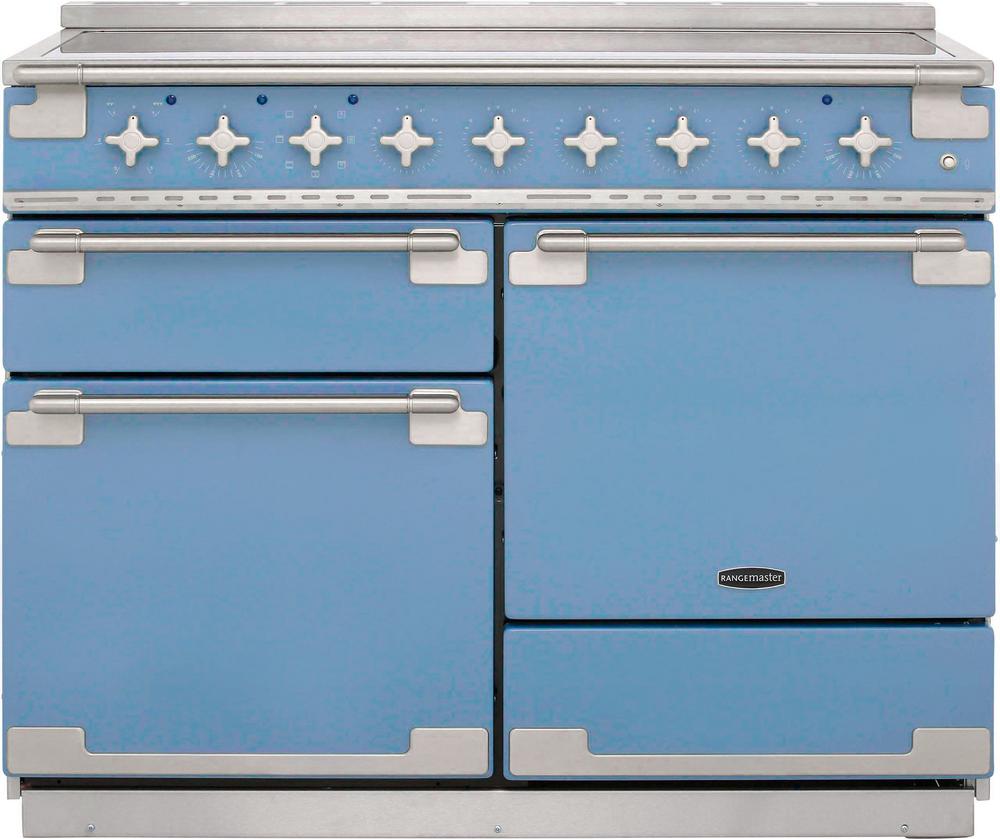
If you love to cook and want your cooker to be the heart of the kitchen, a full‑width range with induction hob is one of the most satisfying upgrades you can make. The Rangemaster Elise ELS110EICR 110cm Electric Range Cooker with Induction Hob in cream is a classic example: big, beautiful and designed to handle everything from solo suppers to Christmas lunch. This guide looks at what living with a large electric range is really like, how the Elise fits into that picture, and which close alternatives might suit you better.
Why choose a 110cm electric range cooker with induction?
Moving from a standard 60cm cooker to a 110cm range is a major step, in both space and budget. So it helps to be clear on what you gain.
First, capacity. A 110cm range typically gives you two full ovens plus a separate grill or warming space. That means you can roast, bake and grill at different temperatures simultaneously. The Rangemaster Elise ELS110EICR follows this multi‑oven layout, making it well suited to keen home cooks, bakers and bigger households.
Second, the hob. Induction has transformed how quickly and precisely we can cook on an electric surface. With dedicated induction zones that respond almost instantly, the Elise turns a big pasta pot from cold to a rolling boil far faster than traditional ceramic. At the same time, the flat glass surface is easy to wipe clean once cooled, and residual heat indicators help you see where it’s still hot.
Finally, presence. A 110cm range in a soft cream finish like the Elise ELS110EICR becomes an anchor point in the room. If you’re remodelling your kitchen around a statement cooker, it’s worth understanding how that colour, trim and size will influence everything from cabinet choices to handles and splashbacks.
For a deeper dive into features and user impressions, you can read our full review of the Rangemaster Elise ELS110EICR 110cm Electric Range Cooker.
Design and style: making the Elise work in your kitchen
The Elise range leans into a refined, almost French-inspired look. In cream, it works especially well in classic or country-style kitchens, with painted cabinetry, timber worktops or warm stone surfaces. The clean lines also suit more modern schemes if you keep surrounding finishes simple.
Colour and finish are crucial because a 110cm cooker dominates the run of units. If you like the Elise design but want a different feel, it’s worth looking at sibling models in the same family. For example, the Rangemaster Elise ELS110EISS 110cm Electric Range Cooker with Induction Hob in stainless steel brings a more contemporary, professional look. Stainless steel works beautifully with handleless gloss cabinets and darker stone worktops, and can help the cooker blend with other metallic appliances.
If you prefer a moodier or more industrial edge, the Rangemaster Elise ELS110EISL 110cm Electric Range Cooker with Induction Hob in slate is another close alternative. The slate finish softens the shine of stainless steel while still feeling modern, and it looks particularly good against mid‑grey or deep blue cabinetry.
When planning, think about:
- Contrast: A cream range pops against darker units; a stainless or slate model can tone more closely with modern cabinetry.
- Splashback: A heat‑resistant splashback in glass or tiled brick will protect the wall and frame the cooker visually.
- Hood: A matching chimney or canopy hood keeps the full-height silhouette balanced, especially over a 110cm width.
Cooking capacity and layout: do you really need 110cm?
The main reason to step up to the Elise ELS110EICR is oven and hob capacity. For busy households, that extra oven space isn’t a luxury – it can be the difference between juggling trays and cooking in comfort.
With dual ovens, you can keep a roast joint going in one compartment while baking a pudding or bread in the other at a different temperature. Many owners find that one oven becomes the weekday workhorse, while the second comes into its own for batch cooking and entertaining. This kind of flexibility is one of the key appeals of a range like the Elise.
The induction hob area also tends to be more generous than on standard 60cm cookers. You’ll usually find enough zones to host several large pans and a griddle or wok at once, with power-boost features to speed up boiling when you’re in a rush.
If you’re unsure whether 110cm is overkill, ask yourself:
- Do you regularly cook three or more dishes from scratch at the same time?
- Do you host big family gatherings where oven space runs out?
- Would you like to batch cook or bake for the freezer more often?
If the answer is often yes, a 110cm cooker like the Elise ELS110EICR starts to make a lot of sense.
Induction hob benefits: speed, control and safety
All the cookers we’re looking at here combine large electric ovens with induction hobs. While they differ slightly in styling and layout, they share the same fundamental advantages of induction technology.
On the Elise ELS110EICR, the induction hob gives you fast heat-up times and fine-grained control. You can go from a fierce sear down to a gentle simmer with a tap, which makes tasks like tempering chocolate or reducing sauces much easier. Because induction heats the pan rather than the glass directly, the surrounding surface stays relatively cool, which is reassuring if you have children wandering through the kitchen.
If you lean towards a more contemporary look but still want a similar induction performance, consider the Nexus family. The Rangemaster Nexus SE NEXSE110EIBL/C 110cm Electric Range Cooker with Induction Hob in black and chrome wraps the same core concept in a sleeker, more linear design with darker tones. For a lighter twist, the Rangemaster Nexus SE NEXSE110EIIV/C 110cm Electric Range Cooker with Induction Hob in ivory and chrome offers a soft, creamy shade that’s a stylish alternative to the Elise’s more classic detailing.
Whichever style you prefer, induction brings some practical advantages:
- Speed: Pans heat rapidly, often outpacing gas for boiling.
- Precision: Fine control makes it easier to avoid overcooking delicate dishes.
- Efficiency: Less wasted heat can translate into lower running costs over time.
- Cleanliness: Spills are less likely to burn on if the glass stays cooler.
Energy ratings and running costs
Large range cookers naturally use more energy than compact models when all ovens and zones are running at once. The Elise ELS110EICR, like its Elise and Nexus stablemates, carries A/A oven ratings, which is reassuring for such a sizeable appliance.
To keep everyday running costs under control, it pays to use the cooker thoughtfully:
- Use the smaller oven for everyday meals when you don’t need full capacity.
- Batch cook several dishes in one go and reheat later, rather than heating a huge oven repeatedly.
- Match the pan size to the induction zone so energy goes into the food, not the air around it.
- Take advantage of fan settings where available for more even, efficient heat circulation.
If you’re curious how the Elise’s real‑world efficiency compares with its closest siblings, our detailed review goes further into user feedback and performance. You can read our full hands-on review of the Elise ELS110EICR 110cm range cooker here.
Installation, space and electrical considerations
Before falling for a 110cm range like the Elise, it’s vital to check the practicalities. The width alone means you’ll need a generous run of units, and you should allow extra space either side where recommended by the manufacturer for safety and ventilation.
As a large electric range with an induction hob, the Elise requires a suitably rated electrical supply and dedicated circuit. This isn’t a plug‑and‑play appliance; you’ll need a qualified electrician to connect it safely. When planning your kitchen, factor in:
- Cable run: A clear route from the consumer unit to the cooker position.
- Ventilation: Adequate extraction via a hood or built‑in solution sized to match the 110cm width.
- Worktop space: Ideally, sections of clear worktop to both sides for trays and hot pans.
- Access: Doorways, hallways and tight corners large enough for delivery.
Remember that these points apply equally to the alternative Elise and Nexus SE models mentioned here – all are substantial appliances that deserve thoughtful installation.
Everyday life with a big range: cleaning and care
One concern with a large cooker is keeping it clean. Thankfully, induction hobs and modern oven interiors make this less daunting than it once was.
On an induction hob, spills are less likely to burn on because the glass around the pan doesn’t get as hot. Once cool, a quick wipe with a soft cloth and a dab of hob cleaner is usually enough. For stubborn marks, a scraper designed specifically for glass hobs is your friend, but avoid anything abrasive that could scratch the surface.
Inside the ovens, many premium ranges feature easy‑clean enamels or catalytic liners that help break down grease during normal cooking. To stay on top of things:
- Wipe up big spills once the oven has cooled, rather than leaving them to bake on.
- Use roasting tins with higher sides to catch fat splashes.
- Line shelves or trays with reusable silicone liners for messy bakes.
- Give the doors an occasional clean with a glass-safe cleaner to keep them clear.
Caring for the exterior finish is also important. Cream and ivory colours like those on the Elise ELS110EICR and Nexus SE NEXSE110EIIV/C respond well to gentle, non‑abrasive cleaners and microfibre cloths, while stainless and slate models benefit from specific stainless‑steel sprays or wipes to avoid streaks.
Choosing between Elise and Nexus SE: which style suits you?
All of the alternatives listed alongside the Elise ELS110EICR share a similar basic recipe: 110cm width, electric ovens, induction hob, and premium build. The differences come down mainly to styling and finish, which can affect how the cooker feels to use day to day.
The Elise family, including the cream ELS110EICR, stainless ELS110EISS and slate ELS110EISL, leans subtly traditional, with softer visual details and colour options that complement classic kitchens. If you like warm, homely interiors and want a cooker that feels welcoming rather than ultra‑modern, an Elise variant is a strong candidate.
The Nexus SE models, such as the black/chrome NEXSE110EIBL/C and ivory/chrome NEXSE110EIIV/C, are more contemporary. They feature sharper styling cues and a cleaner, more linear aesthetic that pairs well with handleless units and streamlined layouts. If you want the performance of a traditional range without the heritage look, they’re well worth exploring.
To help decide, compare:
- Which finish ties in best with your cabinet and worktop choices.
- Whether you prefer visible heritage cues or a more minimal approach.
- Which colour will age gracefully if you redecorate in a few years.
Is a premium 110cm range cooker right for you?
A cooker like the Rangemaster Elise ELS110EICR represents a serious investment, but for the right home it can be transformative. If you frequently cook for a crowd, love baking, or simply want your kitchen to feel centred around a capable, beautiful appliance, a 110cm induction range makes everyday cooking easier and big occasions far less stressful.
The good news is that you don’t have to commit blindly. Between the Elise variants in cream, stainless and slate, and the Nexus SE options in black/chrome and ivory/chrome, there’s a family of closely related models to compare on look and feel. Explore the detailed specs, interior layouts and user impressions in the in‑depth reviews – starting with our full review of the Elise ELS110EICR 110cm Electric Range Cooker with Induction Hob – and you’ll be well placed to choose a range cooker that will earn its place at the heart of your home for years to come.