
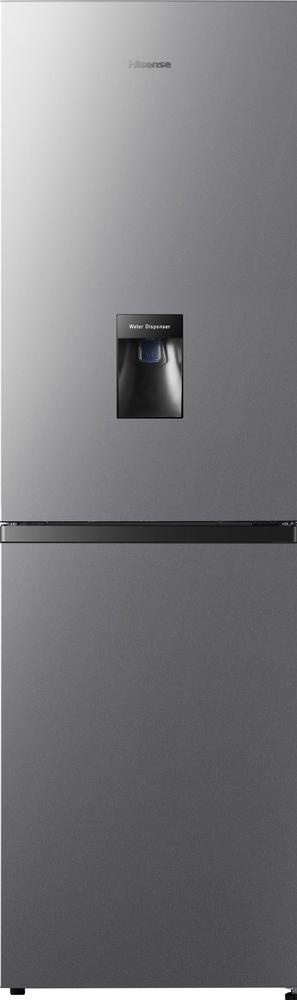
Choosing a new fridge freezer is one of those jobs that feels simple until you start comparing sizes, finishes and features. If you’re drawn to sleek black appliances and want the convenience of a frost free 50/50 split, the Hisense RB327N4BBE is likely to be on your shortlist. With a tall, slim footprint and a very strong customer rating, it’s a popular option for UK kitchens that need plenty of chilled and frozen space without going for an American-style giant.
This guide looks at what to consider when buying a 50/50 frost free fridge freezer, using the Hisense RB327N4BBE as a real-world example. We’ll also compare a few close alternatives in the same range, so you can decide whether black, white or stainless steel will suit your home best. If you want a deep dive into performance and real-life use, you can always read our full review of the Hisense RB327N4BBE 182cm 50/50 No Frost Fridge Freezer once you’ve finished this buying guide.
Why a 50/50 frost free fridge freezer suits most households
A 50/50 split gives roughly equal space to fresh and frozen food. For many UK households, that’s the sweet spot between everyday fridge essentials and long-term frozen storage. You can keep milk, yoghurts and salad in the fridge while still having room for frozen fruit, batch-cooked meals and family-sized bags of chips.
The Hisense RB327N4BBE follows this popular layout. The fridge section sits on top for easy access to fresh items, while the freezer drawers below make it simple to see what you’ve stored. If you batch cook at the weekend or rely on your freezer to stretch the weekly shop, this kind of tall 50/50 model makes a lot of sense.
If you’re unsure whether 50/50 is right for you, ask yourself how often you open the freezer versus the fridge. If frozen food is a big part of your routine, a 50/50 like the RB327N4BBE can feel far more flexible than slimmer 70/30 designs.
Understanding frost free technology
Frost free systems are now a must-have for many buyers, and the Hisense RB327N4BBE is no exception. Instead of allowing moisture to settle and freeze on the walls, it uses circulating cold air to prevent ice build-up. That means no more chipping away at frost or emptying the freezer for a full defrost day.
Benefits of choosing a frost free fridge freezer include:
- No manual defrosting, saving you time and hassle.
- Drawers that open and close smoothly without ice catching.
- Better visibility of packaging and labels.
- More stable performance over time, as the appliance doesn’t have to work against thick layers of ice.
The entire Hisense line-up featured here uses No Frost technology, including the white Hisense RB327N4BWE 182cm 50/50 No Frost Fridge Freezer and the stainless steel-look Hisense RB327N4BCE 182cm 50/50 No Frost Fridge Freezer. So you can choose a finish you like without sacrificing the convenience of frost free operation.
Height, footprint and fitting a tall fridge freezer into a UK kitchen
With a height of 182 cm, the Hisense RB327N4BBE is designed to offer generous capacity without overwhelming a typical UK kitchen. It’s tall enough to hold a family shop, but not so towering that it clashes with standard wall unit heights in most homes.
When planning for a tall fridge freezer like this, it helps to:
- Measure the full height available, including any coving or low-hanging shelves.
- Check door opening space, especially if the appliance sits in a corner or next to a wall.
- Leave a little breathing room at the sides and back to allow for ventilation.
- Think about which way the door will hinge and whether you can swap it if needed.
Because the alternatives in this Hisense line-up share the same 182 cm height, you can easily switch between finishes without rethinking your layout. Whether you go for the black RB327N4BBE, the white RB327N4BWE, the stainless RB327N4BCE, or the alternate trim versions like the black Hisense RB327N4WBE 182cm 50/50 No Frost Fridge Freezer and white Hisense RB327N4WWE 182cm 50/50 No Frost Fridge Freezer, the basic fit in your kitchen should be similar.
Energy rating and running costs: making sense of E
Modern energy labels look a little harsher than they used to. An E rating on today’s scale doesn’t mean “bad” – it’s simply where many mainstream fridge freezers now sit after the grading system was reset. The Hisense RB327N4BBE and its siblings all carry an E rating, reflecting this new, stricter standard.
When comparing running costs, it’s better to look at the annual energy consumption figure in kWh rather than just the letter grade (you’ll find this on the product’s energy label). Even between two E-rated models, that number can vary. But for most households upgrading from an older appliance, moving to a recent E-rated fridge freezer will typically bring a noticeable efficiency improvement.
If you’re particularly energy-conscious, pairing a modern fridge freezer like this with simple good habits – such as keeping the door closed as much as possible, allowing cooked food to cool before chilling, and defrosting frozen food in the fridge – can help you get the best from your new appliance.
Black, white or stainless steel? Choosing the right finish
Once you’ve settled on size and layout, the next choice is usually finish. The Hisense RB327N4BBE offers a sleek black look that can either blend into a dark kitchen or stand out as a statement piece against lighter cabinets.
Here’s how the finishes in this 182 cm Hisense range compare:
- Black (RB327N4BBE / RB327N4WBE) – Great for modern, monochrome or industrial-inspired spaces. Black can hide some marks but may show fingerprints more clearly under strong lighting.
- White (RB327N4BWE / RB327N4WWE) – A classic choice that suits almost any kitchen style. White tends to be forgiving with everyday smudges and works particularly well in smaller rooms, as it reflects more light.
- Stainless steel (RB327N4BCE) – Ideal if you want a more premium look without jumping up to an American-style model. Stainless or stainless-look designs complement other metal appliances and can give a smart, contemporary feel.
Because these alternatives are so closely related, you’re largely choosing on aesthetics, budget and how the finish will cope in your household. If you’re trying to decide between them, it’s worth checking the styling and trim details in the individual model pages, such as in our in-depth look at the stainless steel RB327N4BCE or the white RB327N4BWE review.
Interior layout and everyday usability
Exact shelf and drawer layouts can vary slightly between models, but tall 50/50 fridge freezers like the Hisense RB327N4BBE are generally designed to be as usable as possible for day-to-day life. Expect multiple fridge shelves, one or more drawers for fruit and veg, and door balconies for bottles and jars.
When you’re comparing models, think about:
- Shelf spacing – Can you easily adjust shelves to fit tall bottles or large platters?
- Fresh food drawers – Is there enough room for your usual weekly haul of salad, veg and fruit?
- Door storage – Are there balconies at sensible heights for milk, juice and condiments?
- Freezer drawers – Do they slide out smoothly and feel sturdy enough for regular use?
Because this Hisense range has thousands of customer reviews across different finishes, you can get a good feel for real-life usability by browsing user comments. If you want a more structured walkthrough of what it’s like to live with, our hands-on coverage is a good next step – read our full review of the Hisense RB327N4BBE here for more detail on storage, controls and noise levels.
Noise levels and open-plan living
Many UK homes now have open-plan kitchen and living spaces, so noise is a common concern. While we don’t have a specific decibel figure recorded here, tall freestanding models like the RB327N4BBE are typically engineered to run quietly in the background.
Frost free systems can be slightly more audible than static freezers because they use fans to move air around. However, most owners report them as more of a gentle hum or occasional whoosh rather than anything intrusive. If your fridge freezer will sit very close to a seating area or home office desk, it’s worth checking user reviews and in-depth testing notes for noise impressions on the particular finish you’re considering, whether that’s the black RB327N4BBE or a sibling model like the RB327N4WBE.
Comparing close alternatives in the Hisense 182 cm range
One of the nice things about this particular line-up is how easy it is to compare like-for-like options. The main differences are finish, styling details and sometimes small price movements, rather than completely different feature sets.
Here’s a quick overview of the closest alternatives to the Hisense RB327N4BBE:
Hisense RB327N4BWE – white finish for a brighter look
If you like everything about the RB327N4BBE but prefer a lighter appliance, the Hisense RB327N4BWE 182cm 50/50 No Frost Fridge Freezer is the obvious alternative. It offers the same basic height, split and No Frost technology but in a clean white finish that blends easily into most kitchens.
White tends to work especially well in smaller rooms, as it reflects more light and makes the space feel less cramped. It also tends to show fewer fingerprints than some dark or glossy finishes, which is handy in busy households.
Hisense RB327N4BCE – stainless steel style for a modern kitchen
For a more premium, contemporary appearance, the Hisense RB327N4BCE 182cm 50/50 No Frost Fridge Freezer is worth a close look. The stainless steel finish pairs nicely with modern ovens, hobs and extractor hoods, helping everything feel coordinated.
This is a good choice if you’re renovating your kitchen and want that integrated, showroom-style look without the higher price and complexity of a built-in fridge freezer. The practical side remains similar: frost free, 50/50 split and a tall capacity suitable for everyday family life.
Hisense RB327N4WBE & RB327N4WWE – alternative trim options
The Hisense RB327N4WBE and Hisense RB327N4WWE models sit alongside the RB327N4BBE and RB327N4BWE as close cousins. They share the same 182 cm height, 50/50 layout and No Frost functionality, but bring slightly different styling cues and trims.
These alternatives are useful if you’re matching other appliances from the same brand, or if a particular handle design or door style appeals to you more. Because they’re so similar under the skin, choosing between them comes down to budget, look and what will work best with your cabinets and worktops.
Practical tips for getting the best from a new fridge freezer
Once you’ve chosen your model, a few simple habits can help you get maximum value from it and keep it looking good for longer:
- Let it settle – After delivery, allow the appliance to stand upright for a few hours before switching on, especially if it’s been transported on its side. This helps the internal fluids settle.
- Cool before chilling – Don’t put hot pans straight into the fridge; let them cool a little on the worktop first to avoid overworking the compressor.
- Organise by use – Keep everyday items at eye level and group similar foods together, so doors aren’t left open while you hunt for things.
- Keep seals clean – Wipe door seals occasionally with a soft cloth to remove crumbs and ensure a good airtight close.
- Use the freezer smartly – Try to keep it reasonably full, as a well-stocked freezer tends to run more efficiently than an almost empty one.
Frost free technology takes away the chore of manual defrosting, but a quick wipe of the interior every couple of months will keep everything fresh and hygienic. That’s true whether you go for the black RB327N4BBE or one of its white or stainless steel siblings.
Value for money and long-term satisfaction
With thousands of customer reviews and a consistently high average rating, this Hisense family of 182 cm, 50/50, frost free fridge freezers has clearly struck a chord with buyers. The RB327N4BBE in particular has attracted a large number of positive scores, suggesting that it delivers what most people expect from a modern, mid-range appliance: good capacity, easy ownership and a finish that looks the part.
If you’re balancing budget with features, these models are appealing because you don’t pay a huge premium for the frost free convenience or for choosing a different finish. You can pick the look that suits your kitchen, safe in the knowledge that the core spec remains competitive across the range.
Next steps: choosing the right model for you
Deciding between black, white and stainless steel often comes down to seeing how they’ll work in your specific kitchen. Think about your cabinet colour, lighting and how often the doors are likely to be touched by small hands. Then weigh that against your budget and any preferences you have about styling and handles.
For a closer look at real-world performance, noise, storage layout and owner feedback, it’s well worth taking a few minutes to read our full review of the Hisense RB327N4BBE 182cm 50/50 No Frost Fridge Freezer. You can then compare it with our coverage of the white RB327N4BWE, the stainless RB327N4BCE and the alternative trim versions RB327N4WBE and RB327N4WWE to find the exact model that fits your home.
Whichever you choose, a tall, frost free 50/50 fridge freezer is a solid investment in everyday convenience. Get the size and finish right, and it should quietly get on with its job for years, keeping your food fresh and your weekly shop under control.